Body Care vs Body Scrub in 2026: The Complete Compliance & Certification Guide for Smart Brands
When comparing body care vs body scrub compliance certification in 2026, the direct answer is: body care (lotions, creams, cleansers) generally faces simpler compliance pathways because it avoids the abrasive particles and rinse-off claims that trigger extra scrutiny for scrubs. Scrubs often require additional safety substantiation and microplastic compliance. For brands prioritizing speed to market and global certification, body care is the safer bet.
Table of Contents
- Defining the Compliance Landscape: Why the Body Care vs Body Scrub Debate Matters
- Body Care vs Body Scrub Compliance Certification: A Side-by-Side Comparison
- Practical Advice for Brands: Navigating Compliance and Certification in 2026
- Case Evidence: How Brands Have Navigated Compliance
- Frequently Asked Questions (FAQ)
- 1. Is body scrub considered a cosmetic or a drug?
- 2. What certifications are easiest to obtain for body care products?
- 3. Do body scrubs require additional safety testing?
- 4. How does MoCRA affect body care vs body scrub compliance certification?
- 5. Can I use the same certification for both body care and body scrub?
- 6. What is the fastest way to launch a compliant body care product?
- Author Trust Module
- Ready to Make a Confident Choice?
Defining the Compliance Landscape: Why the Body Care vs Body Scrub Debate Matters
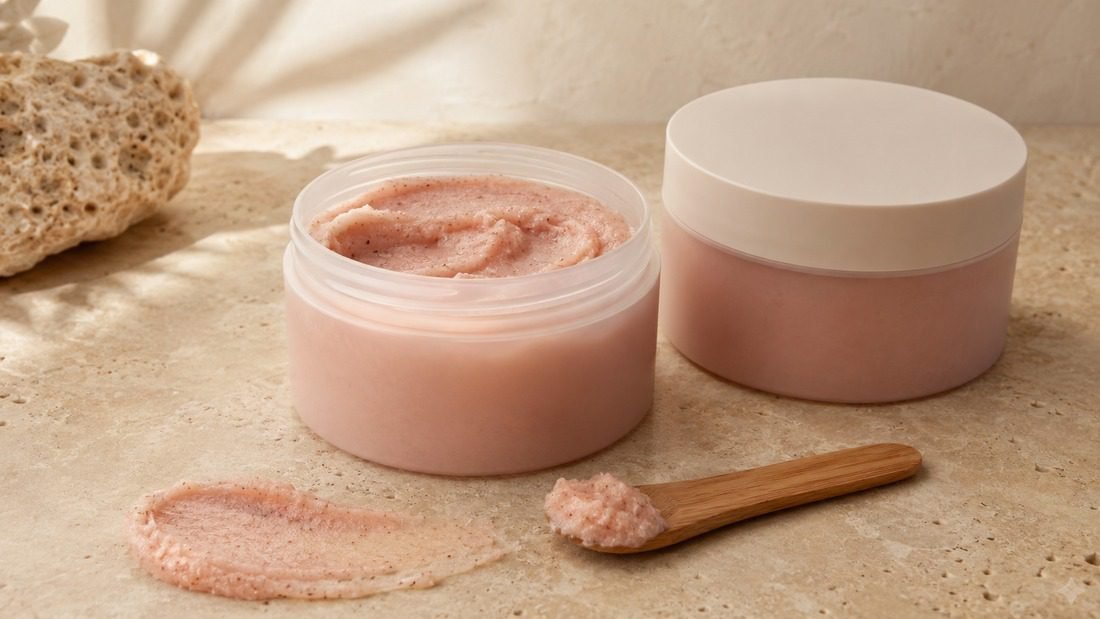
The global cosmetics industry is subject to an ever-tightening web of regulations. In 2026, the body care vs body scrub compliance certification question is no longer a minor formulation detail—it's a strategic decision that impacts your entire go-to-market plan. Body care products, such as lotions and creams, are typically leave-on or rinse-off formulations with well-established safety profiles. Body scrubs, by contrast, contain physical exfoliants (e.g., sugar, salt, or microbeads) that introduce unique regulatory hurdles, from ingredient bans to environmental claims. Understanding these differences is essential for brands sourcing from OEM/ODM manufacturers in China and exporting to the EU, US, UK, and beyond. This article breaks down the compliance and certification requirements for each category, provides a side-by-side comparison, and offers actionable advice for your 2026 product roadmap.
Body Care vs Body Scrub Compliance Certification: A Side-by-Side Comparison
To make an informed decision, you need to understand the specific compliance and certification requirements for each product type. The table below summarizes key differences across major markets.
| Compliance Aspect | Body Care (Lotions, Creams, Cleansers) | Body Scrub (Exfoliating Scrubs) |
|---|---|---|
| EU Cosmetics Regulation (EC) No 1223/2009 | Standard requirements; CPNP notification; CPSR needed | Same, but additional scrutiny for rinse-off and exfoliating claims; microplastic restrictions apply |
| US FDA (MoCRA) | Facility registration and product listing required; safety substantiation | Same, plus potential concerns over abrasive particles and environmental claims |
| UK SCPN | Notification required; UK responsible person | Same, with extra attention to exfoliant biodegradability |
| Certification (e.g., COSMOS, NATRUE) | Achievable with natural/organic formulations | More challenging due to exfoliant sourcing and processing |
| Microplastic Bans (EU, US states) | Generally unaffected unless containing microplastics | High risk if using plastic microbeads; natural alternatives preferred |
| Safety Assessment | Straightforward for well-known ingredients | Requires detailed assessment of exfoliant particle size, shape, and rinse-off behavior |
| Labeling Claims | Moisturizing, nourishing claims easy to substantiate | “Exfoliating,” “polishing” claims need supporting data; avoid “microbead” terminology |
Key takeaway: While both categories must meet core regulatory requirements, body scrubs face additional layers of compliance, particularly around ingredient restrictions and environmental claims. This makes body care vs body scrub compliance certification a critical factor in your product development timeline.
Understanding Certification Requirements
Certifications such as COSMOS (Europe) and NATRUE are voluntary but increasingly demanded by consumers. For body care, achieving these certifications is often simpler because formulations rely on standard emollients, humectants, and emulsifiers. For scrubs, the exfoliant—whether sugar, salt, or jojoba beads—must also meet organic or natural origin criteria, which can be difficult and costly. Moreover, the rise of microplastic bans in the EU and several US states means that scrub formulations must avoid plastic microbeads entirely. Natural alternatives like sugar or salt are compliant but may require additional documentation to prove biodegradability. If you're targeting certified natural or organic markets, body care offers a clearer path.
Regulatory Pathways in Key Markets
In the EU, both product types require a Cosmetic Product Safety Report (CPSR) and CPNP notification. However, scrubs may trigger additional questions from authorities regarding the rinse-off category and environmental impact. In the US, the Modernization of Cosmetics Regulation Act (MoCRA) mandates facility registration and product listing for all cosmetics, but scrubs with exfoliating claims may face extra scrutiny from the FDA if claims cross into drug territory (e.g., “treats acne”). In the UK, the SCPN notification process is similar, but scrubs need to demonstrate compliance with the UK's microplastic ban. For brands exporting to multiple markets, the complexity multiplies for scrubs. This is where partnering with an experienced OEM/ODM manufacturer like Flavor Sources can streamline the process—our Testing & Inspection services ensure your formulations meet all local requirements.
Practical Advice for Brands: Navigating Compliance and Certification in 2026
Given the additional hurdles associated with body scrubs, brands should consider the following strategies:
- Choose body care for speed and simplicity: If your priority is rapid market entry with broad certification acceptance, body care products like lotions and creams are the safer choice. They benefit from established safety profiles and fewer regulatory red flags.
- If opting for scrubs, plan for extra time and cost: Budget for additional safety assessments, microplastic testing, and certification audits. Work closely with your manufacturer to source compliant exfoliants.
- Leverage private label body care: Many brands are shifting to private label body care to minimize development risk. Flavor Sources offers Private Label Skincare services that include full compliance support.
- Stay ahead of regulatory changes: The EU's microplastic restrictions and the US MoCRA are evolving. Regular updates from your manufacturing partner can help you avoid last-minute reformulations.
- Utilize available resources: Request samples and documentation early. Our Sample Development team can provide formulation prototypes that meet your target market's compliance needs.
Case Evidence: How Brands Have Navigated Compliance
While we cannot disclose specific client names, we have observed clear patterns across markets. A UK-based brand launching a body care line achieved EU CPSR and UK SCPN notification within 8 weeks, thanks to straightforward formulations. In contrast, a UAE brand developing a sugar scrub faced delays due to additional biodegradability testing required for certification. Similarly, a US-based e-commerce seller opted for private label body care to avoid the complexities of scrub regulations, launching in 3 months with full MoCRA compliance. An Australian brand successfully exported a salt scrub to the EU after reformulating to remove microplastics and providing extensive safety data—a process that took 6 months. These examples highlight that while scrubs can be viable, body care offers a faster, more predictable path to market. For more insights, visit our Case Studies page.
Frequently Asked Questions (FAQ)
1. Is body scrub considered a cosmetic or a drug?
In most markets, body scrubs are classified as cosmetics if they only cleanse and exfoliate. However, if claims imply treating conditions like acne or cellulite, they may be regulated as drugs. Always ensure claims are cosmetic in nature.
2. What certifications are easiest to obtain for body care products?
COSMOS and NATRUE are achievable for natural body care formulations. ISO 22716 (Good Manufacturing Practices) is essential for any cosmetic. Flavor Sources holds Certificates for ISO 22716 and other standards.
3. Do body scrubs require additional safety testing?
Yes, due to the physical exfoliation and rinse-off nature, scrubs often require additional safety assessment, especially for sensitive skin. Particle size and shape should be evaluated.
4. How does MoCRA affect body care vs body scrub compliance certification?
MoCRA requires facility registration and product listing for all cosmetics, but scrubs may face additional scrutiny if they contain certain ingredients or make environmental claims. Both require safety substantiation.
5. Can I use the same certification for both body care and body scrub?
Not necessarily. Certification bodies may require separate assessments for different product types, especially if formulations differ significantly. It's best to consult with your manufacturer.
6. What is the fastest way to launch a compliant body care product?
Partner with an experienced OEM/ODM manufacturer that offers private label body care with pre-approved formulations. Flavor Sources' Body Care range includes ready-to-market options with full compliance documentation.
Author Trust Module

 Scan to WhatsApp
About the Author
David Zhang has spent years in skincare formulation and quality control at Flavor Sources, a GMP ISO 22716-certified private label manufacturer based in Dongguan, China, serving brands in 50+ countries since 2000. Reach out to David's team for a custom formula consultation →
Ready to Make a Confident Choice?
Navigating body care vs body scrub compliance certification doesn't have to be overwhelming. Whether you choose the simplicity of body care or the exfoliating appeal of scrubs, Flavor Sources is here to support your journey. With decades of experience in OEM/ODM manufacturing, we ensure your products meet the highest compliance standards. To explore our body care offerings, visit our Body Care page. For personalized assistance, request a sample or get a quote today. Let's bring your vision to life—compliantly and confidently.