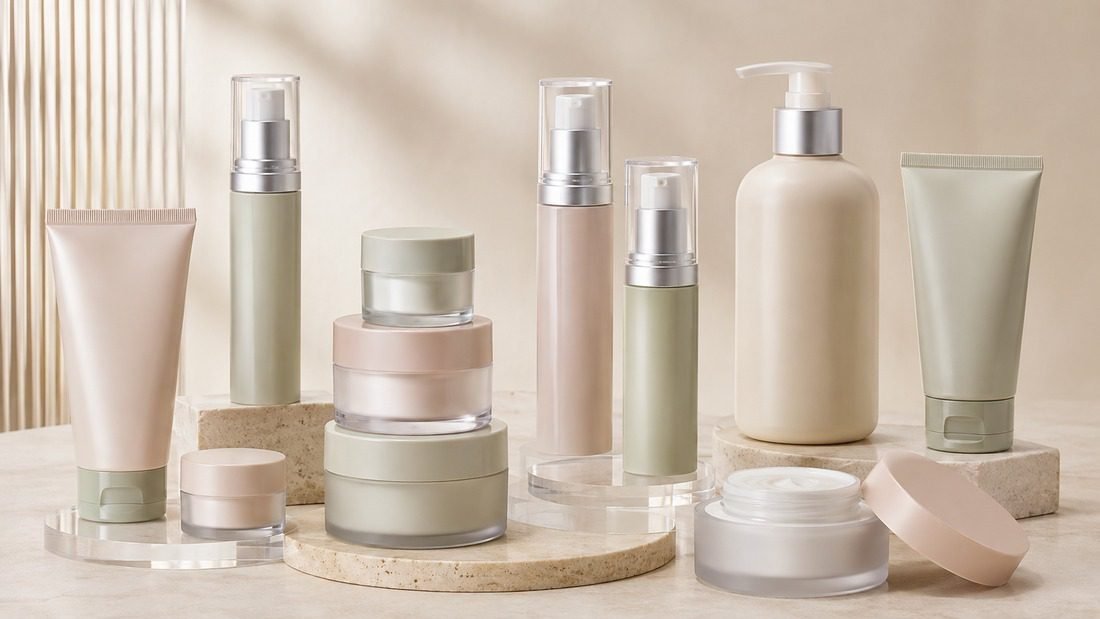
Cream Lotion vs Gel Moisturizer: Complete 2027 Cost & MOQ Sourcing Guide
Cream lotion vs gel moisturizer cost moq decisions shape your 2027 skincare line's profitability. Creams and lotions typically require lower MOQs (3,000–5,000 units) and cost $0.80–$2.50 per unit, while gel moisturizers often need 5,000–10,000 units at $1.20–$3.00 per unit due to specialized gelling agents.
Table of Contents
What Is the Cream Lotion vs Gel Moisturizer Cost MOQ Dilemma?
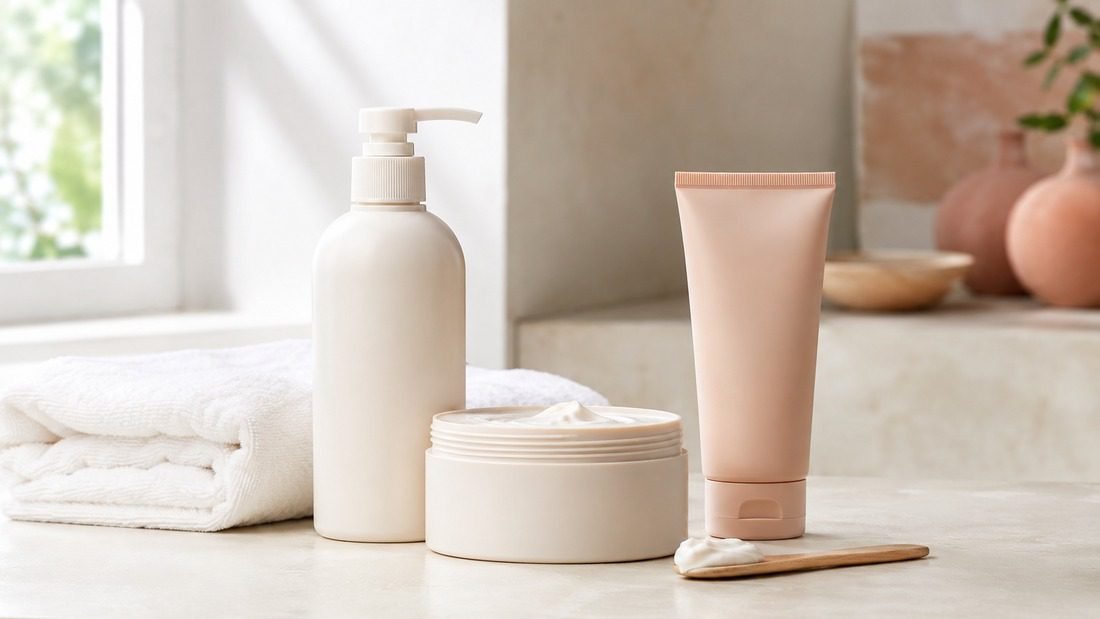
Brand owners and sourcing managers face a critical choice: invest in traditional Cream & Lotion formats or pivot to gel moisturizers. The decision impacts cash flow, shelf life, and market fit. Cream lotion vs gel moisturizer cost moq is not just about price per unit; it involves formulation complexity, packaging compatibility, and regulatory pathways. This guide breaks down the numbers for 2027, helping you avoid costly overstock or missed trends.
Main Content: Cost & MOQ Deep Dive
Formulation Cost Drivers
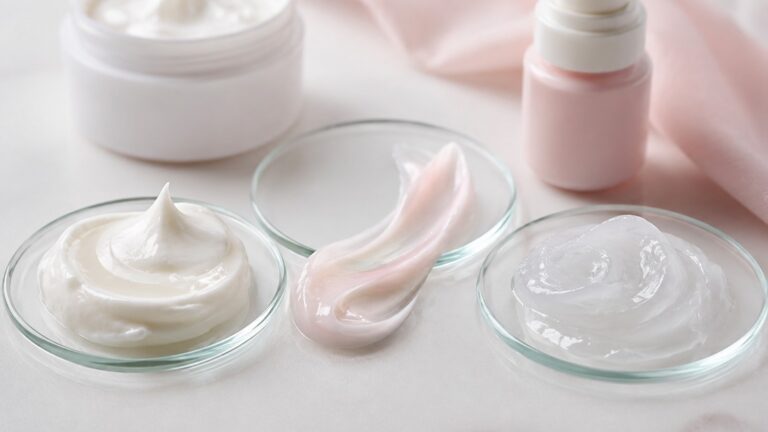
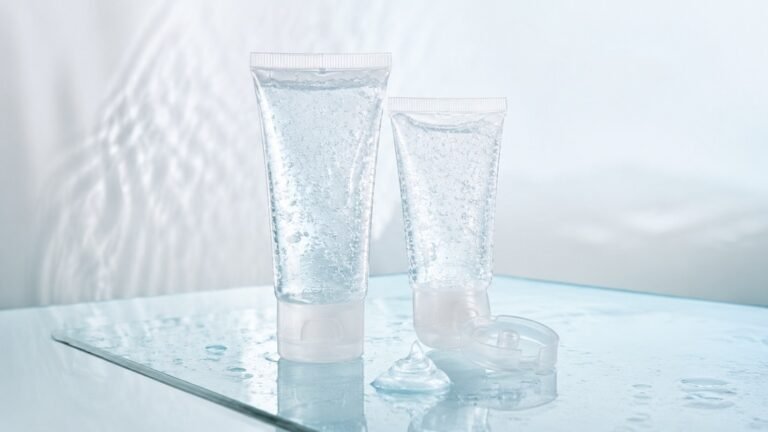
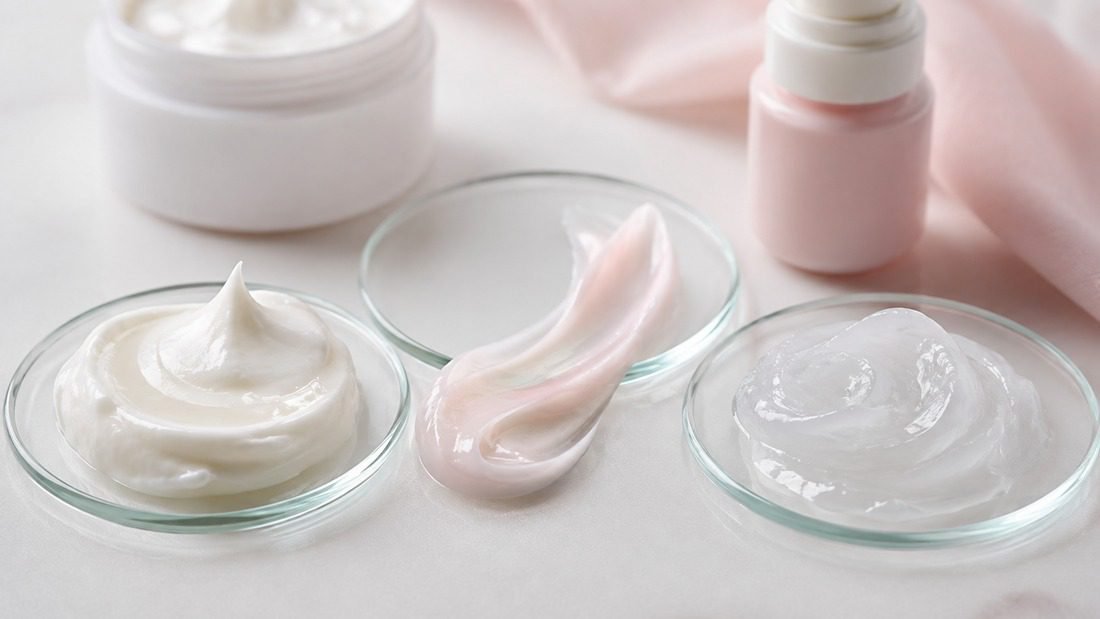
Creams and lotions use oil-in-water or water-in-oil emulsions. Raw materials like shea butter, emulsifiers, and preservatives are widely available. Gel moisturizers rely on carbomers or xanthan gum, which can be pricier and require precise pH control. According to Grand View Research, the global skincare market continues to grow, but ingredient costs fluctuate. For a 50g jar, cream base costs $0.30–$0.60; gel base costs $0.45–$0.90.
MOQ Benchmarks for 2027
MOQs depend on factory capabilities. Below is a comparison table for a typical OEM/ODM manufacturer in China.
| Factor | Cream & Lotion | Gel Moisturizer |
|---|---|---|
| Typical MOQ (units) | 3,000–5,000 | 5,000–10,000 |
| Cost per unit (50g) | $0.80–$2.50 | $1.20–$3.00 |
| Packaging options | Jars, tubes, pumps | Jars, airless pumps |
| Stability testing | 8–12 weeks | 10–14 weeks |
| Regulatory dossier | Simpler | More complex |
Cream lotion vs gel moisturizer cost moq shows creams have a clear edge for low-volume launches. However, gels offer lightweight sensory appeal, especially in humid climates.
Packaging & Fill Weight Impact
Packaging can be 30–50% of total cost. Creams often use jars or tubes, which are cheaper than airless pumps needed for gels. A 50g cream jar costs $0.20–$0.40; a gel airless pump costs $0.50–$0.80. Fill weight also matters: gels are less dense, so you may need more product per unit for the same visual volume.
Regulatory & Testing Costs
For EU exports, CPSR costs €500–€1,500 per formula. Gels may require additional stability tests due to syneresis. US FDA MoCRA registration adds admin fees. Budget $1,000–$3,000 for compliance per SKU. Using a partner with Export Support can streamline this.
Practical Tips for Smart Sourcing Decisions
- Start with a small MOQ cream lotion to test your market. A 3,000-unit run limits risk.
- Request samples of both formats to evaluate texture and stability. Use Sample Development services.
- Negotiate MOQ by combining cream and gel orders under one Private Label Skincare program.
- Consider custom formulas to differentiate. Custom Formula can optimize cost by using local ingredients.
- Plan for scalability: if gel sales grow, your manufacturer should handle Bulk Production without reformulation.
Case Evidence: Real-World Examples
A UK-based indie brand launched a cream lotion line with 3,000 units per SKU. They achieved break-even in 4 months. Later, they added a gel moisturizer at 6,000 MOQ, which required a higher upfront investment but captured summer sales. In the UAE, a distributor compared cream lotion vs gel moisturizer cost moq and chose creams for winter and gels for summer, balancing cash flow. An Australian e-commerce seller used For E-commerce Sellers solutions to bundle both formats, reducing per-unit logistics costs.
FAQ
What is the typical MOQ for cream lotion vs gel moisturizer?
Cream lotions usually have MOQs of 3,000–5,000 units, while gels require 5,000–10,000 units. This is due to raw material minimums and production line efficiency.
How does packaging affect the cost?
Gels often need airless pumps to prevent contamination, costing 2–3 times more than standard cream jars. This adds $0.30–$0.50 per unit.
Can I get lower MOQs for a startup?
Yes, some manufacturers offer 1,000–2,000 MOQs for creams, but unit costs rise 20–30%. Consider For Startups programs.
Which format is cheaper for private label?
Creams and lotions are generally cheaper per unit and have lower MOQs. However, gels can command higher retail prices, improving margins.
How long does production take?
Creams: 4–6 weeks after sample approval. Gels: 6–8 weeks due to additional stability checks.
Do I need separate testing for each format?
Yes, each formula requires its own stability and compatibility testing. Budget $500–$1,500 per SKU.

 Scan to WhatsApp
About the Author
David Zhang has spent years in skincare formulation and quality control at Flavor Sources, a GMP ISO 22716-certified private label manufacturer based in Dongguan, China, serving brands in 50+ countries since 2000. Reach out to David's team for a custom formula consultation →
Ready to Make a Smart Sourcing Decision?
Compare cream lotion vs gel moisturizer cost moq with real samples. Request a free sample kit or get a detailed quote for your 2027 line. Our team helps you balance cost, MOQ, and market fit.