
Essential Hair Care Glossary Mexico Importers Need in 2028: 35+ Terms
For Mexico importers stepping into the booming hair care market, understanding the industry's language is the first step to success. This hair care glossary Mexico guide decodes 35+ essential terms, from ingredient labels to manufacturing processes, so you can source with confidence and avoid costly mistakes. Whether you're exploring private label or full OEM/ODM, this is your definitive starting point.
Table of Contents
- Why a Hair Care Glossary Mexico Importers Can't Ignore
- The Core Glossary: 35+ Terms Every Importer Must Know
- Practical Tips for Using This Glossary in Your Sourcing
- Real-World Application: How Importers Use This Glossary
- Frequently Asked Questions
- What is the difference between OEM and ODM in hair care?
- Do I need COFEPRIS approval to import hair care products to Mexico?
- How can I verify that my hair care product meets Mexican labeling regulations?
- What is the typical MOQ for private label hair care?
- Are there banned ingredients in Mexico that I should avoid?
- How do I ensure product safety and quality?
- Ready to Source with Confidence?
Why a Hair Care Glossary Mexico Importers Can't Ignore
Mexico's hair care market is projected to grow steadily through 2028, driven by rising demand for premium and specialized products. As an importer, you'll encounter a mix of English, Spanish, and technical jargon in product specs, contracts, and regulatory documents. Misinterpreting a single term like “surfactant” or “pH balanced” can lead to product rejection at customs or a failed launch. A shared vocabulary ensures you communicate clearly with suppliers, comply with local regulations (like NOM-141-SSA1/SCFI-2012), and meet consumer expectations. This glossary is your bridge from confusion to clarity.
The Core Glossary: 35+ Terms Every Importer Must Know
Ingredient and Formulation Terms
- Surfactant: The cleansing agent that creates lather and removes oil. Common types: sulfates (SLS) and sulfate-free alternatives.
- Emollient: Ingredients that soften and smooth hair, like silicones or natural oils.
- Humectant: Attracts moisture to the hair; examples include glycerin and hyaluronic acid.
- pH Balanced: Product pH matches hair's natural range (4.5-5.5) to maintain cuticle health.
- Sulfate-Free: Formulated without harsh sulfates, favored for color-treated or dry hair.
- Paraben-Free: No preservatives like methylparaben, often sought for “clean” labels.
- Active Ingredient: The component delivering the primary benefit, such as biotin or keratin.
- Keratin: A protein that helps improve the appearance of damaged hair, often in treatments.
- Silicone: Adds shine and smoothness but can build up; terms like dimethicone.
- COA (Certificate of Analysis): A document verifying ingredient purity and composition.
Manufacturing and Sourcing Terms
- OEM (Original Equipment Manufacturer): The factory produces a formula you own; you control the recipe.
- ODM (Original Design Manufacturer): The factory provides its own formula and design; you just brand it.
- Private Label: You sell a pre-made product under your brand, often with minimal customization.
- MOQ (Minimum Order Quantity): The smallest amount a supplier will produce per order.
- Batch Number: A unique ID for a production run, crucial for traceability.
- Manufacturing Date (MFG): When the product was made.
- Expiration Date (EXP): The date after which the product should not be used.
- Stability Testing: Ensures product remains safe and effective over time.
- Preservative System: Prevents microbial growth; common ones include phenoxyethanol.
- CPSR (Cosmetic Product Safety Report): Required in the EU; similar documentation may be needed for Mexico.
Packaging and Labeling Terms
- INCI (International Nomenclature of Cosmetic Ingredients): Standardized ingredient names; required on labels.
- Label Claim: A statement about the product's benefit, e.g., “reduces frizz.”
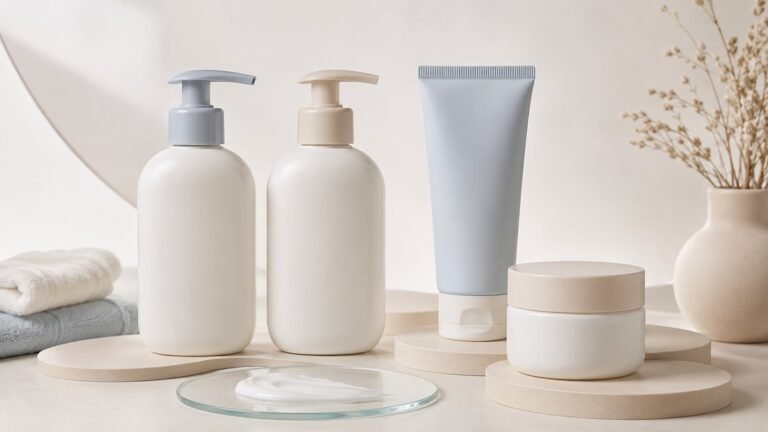
- Tamper-Evident Seal: A packaging feature that shows if the product has been opened.
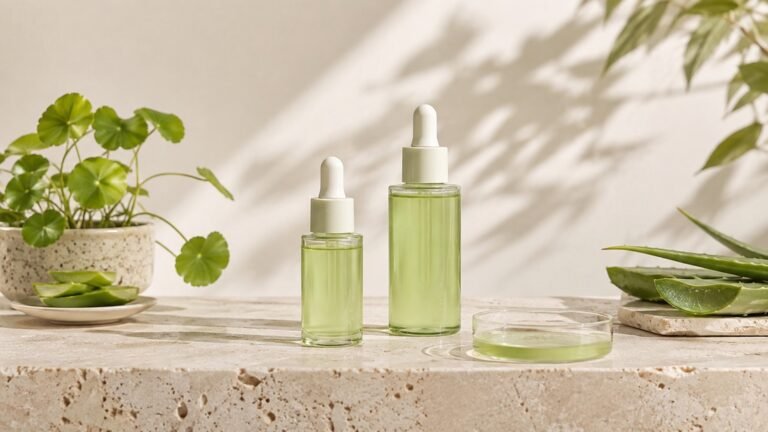
- Dropper Cap: A dispensing closure for serums; common in hair oils.
- Airless Pump: A container that prevents air exposure, preserving formula integrity.
- Carton vs. Bottle: Outer packaging vs. the primary container.
- Batch Code: A code printed on packaging for tracking; often same as batch number.
Compliance and Market-Specific Terms
- NOM-141-SSA1/SCFI-2012: Mexican regulation for labeling cosmetics, including hair care.
- COFEPRIS: Mexico's health regulatory agency that approves cosmetic products.
- Import Permit: Required documentation to bring cosmetics into Mexico legally.
- Customs Clearance: The process of getting goods through customs; a broker can assist.
- Tariff Classification: A code (HS code) that determines import duties.
- Restricted Ingredient: Substances banned or limited by Mexican regulations.
- FDA: U.S. regulatory body; not directly applicable to Mexico, but often referenced in global specs.
Quality and Testing Terms
- Microbial Testing: Checks for bacteria and fungi; required for safety.
- Heavy Metal Testing: Ensures lead, arsenic, etc., are within limits.
- Challenge Test: Evaluates preservative efficacy.
- Shelf Life: The time a product remains usable; often 30 months for hair care.
- Batch Release: Final approval after testing before shipping.

Practical Tips for Using This Glossary in Your Sourcing
- Create a bilingual cheat sheet: Pair English terms with Spanish equivalents (e.g., “surfactante”) for smoother supplier talks.
- Always request a COA: Verify ingredient purity and avoid banned substances.
- Clarify MOQ early: Negotiate terms before committing to a supplier.
- Understand labeling rules: Ensure your label meets NOM-141 requirements to avoid customs delays.
- Use a trusted OEM partner: A reliable manufacturer like Flavor Sources can guide you through these terms and ensure compliance.
Real-World Application: How Importers Use This Glossary
Consider a UK-based importer planning to launch a sulfate-free shampoo in Mexico. They used this glossary to:
– Confirm “sulfate-free” claims with the supplier's COA.
– Check that the preservative system complied with Mexican regulations.
– Ensure the label listed INCI names and batch codes.
– Partner with an OEM that offered stability and microbial test reports.
Result: The product cleared customs without hiccups and gained shelf space in Mexico City retail chains. Similarly, an Australian importer of keratin treatments used the glossary to understand “keratin” claims, avoiding misleading marketing and ensuring they met COFEPRIS standards.
Frequently Asked Questions
What is the difference between OEM and ODM in hair care?
OEM means you own the formula; you provide the recipe and the factory manufactures it. ODM means the factory has its own formula that you can brand as yours. For importers new to the market, ODM is often easier and faster.
Do I need COFEPRIS approval to import hair care products to Mexico?
Yes, most cosmetic products require a COFEPRIS notification or registration before sale. Your supplier should provide the necessary documentation, but you must verify compliance.
How can I verify that my hair care product meets Mexican labeling regulations?
Review the NOM-141 standard, which specifies label content in Spanish, including ingredient list (INCI), manufacturer info, and warnings. Your OEM partner can help ensure compliance.
What is the typical MOQ for private label hair care?
MOQs vary by product type and manufacturer. For basic shampoos, it might be 1,000 units; for specialized serums, it could be higher. Always negotiate based on your budget.
Are there banned ingredients in Mexico that I should avoid?
Yes, Mexico restricts certain ingredients like some parabens and formaldehyde releasers. Always check the most current COFEPRIS list or ask your supplier for compliance.
How do I ensure product safety and quality?
Request stability testing, microbial testing, and a Certificate of Analysis from your manufacturer. Also, consider third-party testing for added assurance.

 Scan to WhatsApp
About the Author
David Zhang has spent years in skincare formulation and quality control at Flavor Sources, a GMP ISO 22716-certified private label manufacturer based in Dongguan, China, serving brands in 50+ countries since 2000. Reach out to David's team for a custom formula consultation →
Ready to Source with Confidence?
Now that you speak the language, it's time to act. Whether you need help choosing the right formula or navigating compliance, our team at Flavor Sources is here to support you. Request a sample to test our hair care formulations, or get a quote for your private label project. Let's bring your hair care line to Mexico with confidence.