Body Care vs Body Scrub Cost & MOQ: The Complete 2028 Comparison for Smart Buyers
When comparing body care vs body scrub cost moq for private label production, the key takeaway is this: body care products (lotions, creams, cleansers) typically have lower MOQs (often 1,000–3,000 units) and lower per-unit costs due to simpler formulations and standard packaging. Body scrubs, with their exfoliating particles and thicker consistency, often require higher MOQs (3,000–5,000 units) and higher unit costs because of specialized ingredients and filling processes. Your choice should align with your brand's positioning, target market, and budget. This guide provides a detailed cost and MOQ comparison to help you decide.
Table of Contents
- Understanding the Choice: Body Care vs Body Scrub
- Body Care vs Body Scrub: Key Differences That Affect Cost and MOQ
- Cost and MOQ Comparison: Body Care vs Body Scrub
- Practical Tips for Choosing the Right Format
- Case Examples: How Brands Decide
- Frequently Asked Questions (FAQ)
- Ready to Launch Your Body Care Line?
Understanding the Choice: Body Care vs Body Scrub
Brands launching a private label line often face a fundamental question: should you start with body care staples like lotions and creams, or differentiate with a body scrub? Both fall under the broader body care category, but they differ significantly in formulation, manufacturing complexity, and market appeal. Understanding these differences is crucial for making a cost-effective decision. This article breaks down the body care vs body scrub cost moq considerations, offering a clear comparison to guide your sourcing strategy. We'll explore formulation, packaging, MOQs, per-unit costs, and practical steps to help you choose the right path for your brand.
Body Care vs Body Scrub: Key Differences That Affect Cost and MOQ
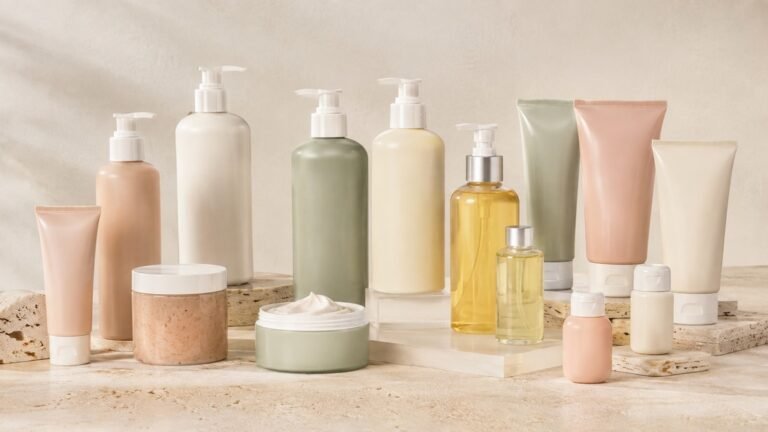
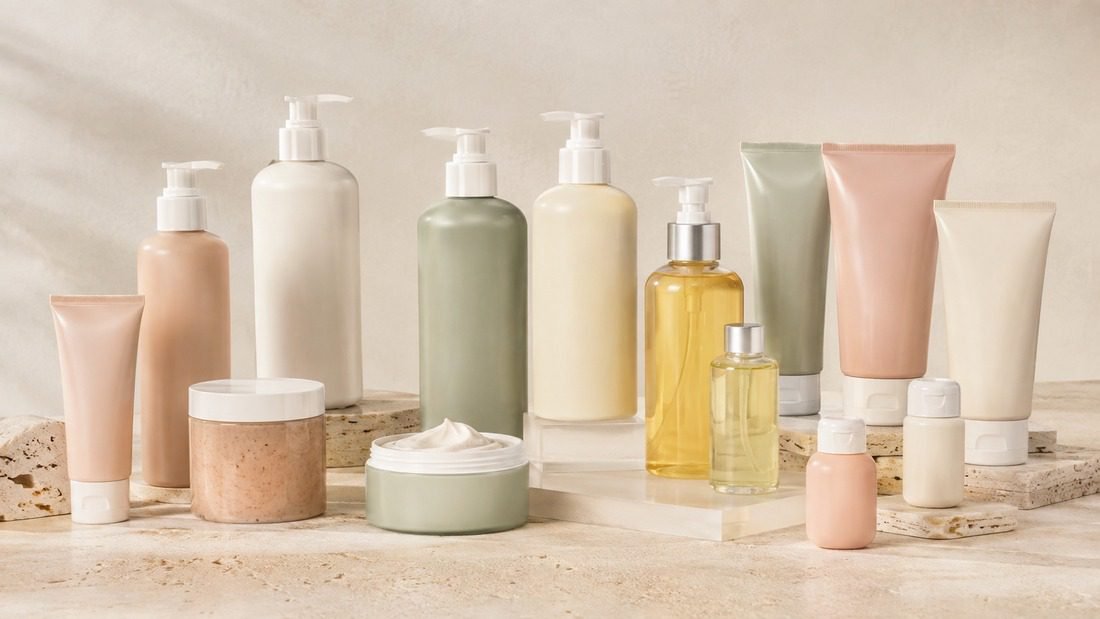
Before diving into numbers, it's essential to understand the product formats. Body care encompasses a wide range of products, including lotions, creams, cleansers, and serums, designed for daily maintenance. Body scrubs, on the other hand, are exfoliating products that physically remove dead skin cells using ingredients like sugar, salt, or coffee grounds. These formulation differences directly impact manufacturing complexity, MOQs, and costs.
Formulation Complexity
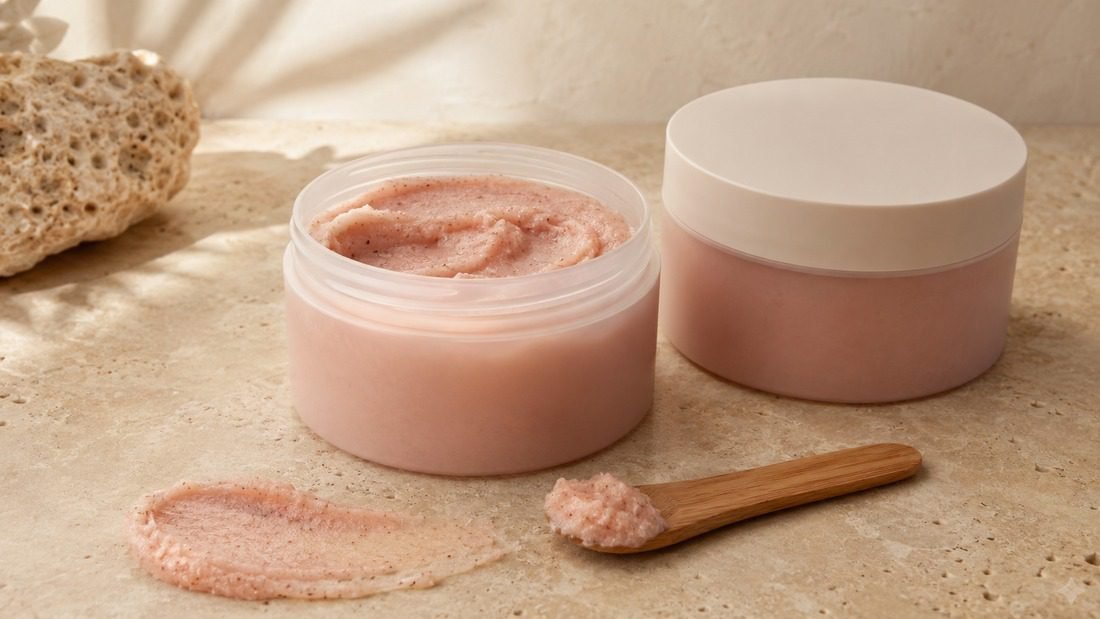
Body care products like lotions and creams typically involve emulsifiers, water, oils, and actives. While formulation can be sophisticated, many standard recipes are well-established, allowing for efficient production. Body scrubs require a suspension of exfoliating particles in a base, which can be challenging to stabilize. The particles may settle, and the product's viscosity must be carefully controlled to ensure even dispersion. This added complexity often leads to higher development costs and longer production times.
Packaging and Filling
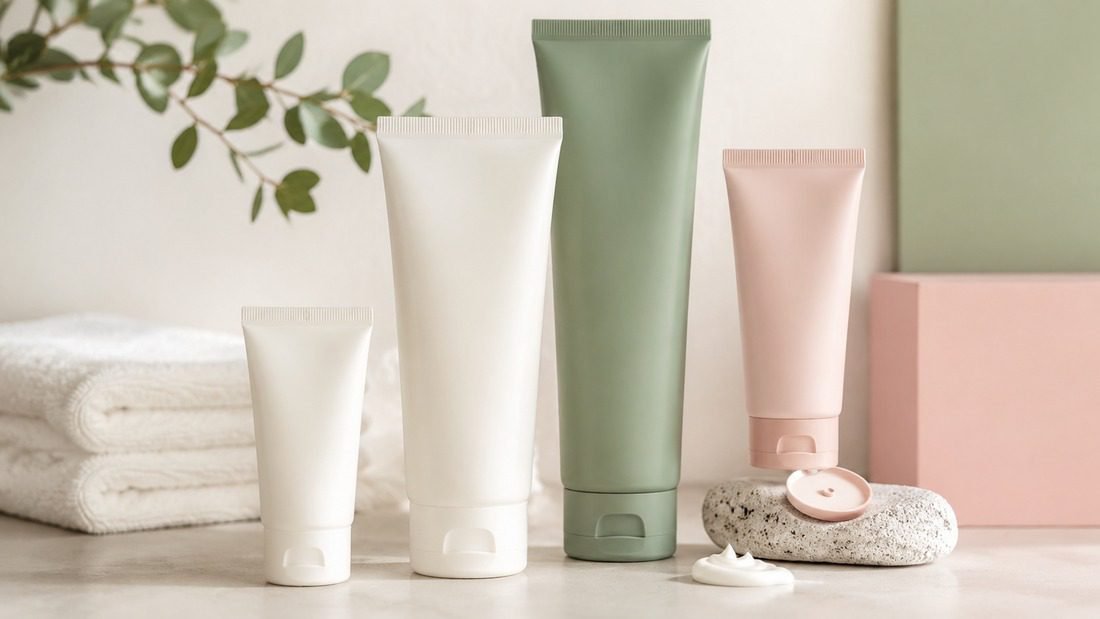
Body care products are often filled into bottles, jars, or tubes using standard filling equipment. Body scrubs, due to their thicker consistency and abrasive particles, may require specialized filling machines that can handle high-viscosity products without clogging. This can increase setup costs and limit the number of manufacturers capable of producing them, potentially raising MOQs.
Shelf Life and Stability
Both categories require stability testing, but scrubs may face additional challenges due to particle sedimentation and potential separation. Ensuring a consistent product throughout its shelf life may require additional testing and formulation adjustments, adding to development timelines and costs.
Market Positioning
Body care products are considered essentials with broad appeal, while body scrubs are often viewed as treatment or luxury items. This affects pricing strategies and target audiences. Scrubs can command higher retail prices but may have a narrower market. Understanding your brand's positioning is key to choosing the right format.
Cost and MOQ Comparison: Body Care vs Body Scrub
To make an informed decision, let's compare the typical cost and MOQ ranges for body care and body scrub products. The table below summarizes key factors based on industry standards and our experience as a manufacturer. Note that actual figures vary by formulation, packaging, and order volume.
| Factor | Body Care (Lotion/Cream) | Body Scrub |
|---|---|---|
| Typical MOQ | 1,000–3,000 units | 3,000–5,000 units |
| Unit Cost (FOB) | $1.50–$4.00 | $2.50–$6.00 |
| Formulation Complexity | Moderate | High (particle suspension) |
| Packaging Options | Bottles, jars, tubes | Jars, tubes (wide-mouth) |
| Filling Equipment | Standard | Specialized (high viscosity) |
| Development Time | 4–6 weeks | 6–10 weeks |
| Stability Testing | Standard | Additional testing may be needed |
| Retail Price Range | $8–$25 | $12–$35 |
Key Insights:
- MOQ: Body care generally has lower MOQs because formulations are simpler and production runs can be more flexible. Body scrubs often require higher MOQs to justify the specialized filling and formulation work.
- Unit Cost: Body scrubs tend to have higher unit costs due to expensive exfoliating ingredients (e.g., sugar, salt, coffee) and the need for specialized packaging that accommodates thick formulas.
- Development Time: Scrubs may take longer to develop due to stability and particle suspension challenges.
These are general ranges; your specific project may vary. For a precise quote, it's best to consult with a manufacturer like Flavor Sources. You can request a sample to evaluate quality and discuss your requirements.
Practical Tips for Choosing the Right Format
Now that you understand the cost and MOQ differences, here are practical recommendations to guide your decision.
1. Align with Your Brand's Goals
If your brand focuses on essential daily care with broad appeal, body care products like lotions and creams are a safe, cost-effective choice. They offer lower MOQs and faster development, allowing you to test the market with less risk. If you aim to differentiate with a premium or treatment-oriented product, a body scrub can be a strong addition, but be prepared for higher MOQs and costs.
2. Consider Your Target Market
Research your audience's preferences. In markets like the UK and Australia, body scrubs are popular in the natural and clean beauty segments. In the UAE, luxury body care sets are in demand. Understanding local trends can inform your format choice. For insights into specific markets, refer to our market trends & insights (link to case studies) or consult industry reports.
3. Start with a Sample
Before committing to a large order, always request samples to evaluate texture, scent, and performance. Flavor Sources offers sample development services to help you test formulations and packaging. This step is crucial for both body care and body scrubs, as it allows you to refine your product before scaling up.
4. Plan Your Budget and Inventory
Body care's lower MOQs mean lower upfront investment and less inventory risk. If you're a startup or testing a new market, this is advantageous. Body scrubs, with higher MOQs, require more capital but can offer higher margins per unit. Assess your cash flow and storage capacity before deciding.
5. Leverage Manufacturer Expertise
Work with a manufacturer experienced in both categories. Flavor Sources specializes in body care and offers comprehensive private label skincare services. Our team can guide you on formulation, packaging, and cost optimization. We also provide custom formula development if you need a unique product.
6. Understand the Regulatory Landscape
Both body care and body scrubs must comply with regulations in your target market, such as EU CPSR or FDA MoCRA. Compliance may require additional testing, which can affect cost and timeline. Ensure your manufacturer provides necessary documentation. Flavor Sources offers export support and can assist with regulatory requirements.
Case Examples: How Brands Decide
To illustrate these considerations, here are anonymized examples based on typical scenarios (not specific clients).
- UK-based startup: A new brand wanted to launch a line of natural body lotions. They chose body care due to lower MOQs (1,500 units) and faster development, allowing them to test the market. After success, they added a body scrub with an MOQ of 3,000 units.
- UAE luxury brand: A premium brand launched a body scrub with gold particles, targeting high-end consumers. They accepted a higher MOQ (5,000 units) and unit cost to achieve a unique product with strong margins.
- US e-commerce seller: An online retailer focused on body care essentials like creams and cleansers. They leveraged low MOQs to offer a variety of scents, quickly adapting to customer feedback.
- Australian spa chain: A spa brand developed a body scrub for professional use, requiring a large volume (10,000 units) and specialized packaging. The higher MOQ was justified by their captive customer base.
These examples show that the right choice depends on business model, market, and resources.
Frequently Asked Questions (FAQ)
Q1: Is body scrub considered body care?
A: Yes, body scrub is a subcategory of body care. However, for sourcing purposes, it's treated separately due to differences in formulation and manufacturing.
Q2: Why do body scrubs have higher MOQs?
A: Body scrubs often require specialized filling equipment and more complex formulation, leading manufacturers to set higher MOQs to ensure efficiency and profitability.
Q3: Can I order both body care and body scrub from the same manufacturer?
A: Yes, many manufacturers, including Flavor Sources, produce both. This can streamline logistics and quality control.
Q4: What is the typical development time for body care vs body scrub?
A: Body care typically takes 4–6 weeks for development, while body scrubs may take 6–10 weeks due to stability testing.
Q5: Are there minimum order quantities for samples?
A: Sample orders are usually small and may be free or low-cost. Flavor Sources provides sample development services; contact us for details.
Q6: How can I reduce costs for body scrub production?
A: Consider simplifying packaging, choosing standard exfoliating ingredients, and ordering higher volumes to benefit from economies of scale. Consult your manufacturer for cost-saving options.

 Scan to WhatsApp
About the Author
David Zhang has spent years in skincare formulation and quality control at Flavor Sources, a GMP ISO 22716-certified private label manufacturer based in Dongguan, China, serving brands in 50+ countries since 2000. Reach out to David's team for a custom formula consultation →
Ready to Launch Your Body Care Line?
Choosing between body care and body scrub doesn't have to be overwhelming. By understanding the cost and MOQ differences, you can make a confident decision that aligns with your brand's goals. Whether you opt for the lower MOQs of body care or the premium appeal of body scrubs, Flavor Sources is here to support you. We offer comprehensive OEM/ODM services, from formulation to packaging. To get started, request a free sample or get a quote today. Let us help you bring your vision to life.