The Complete 2027 Hair Care Glossary for South Africa: Essential Terms Every Buyer Must Know
Looking to launch or expand a hair care line in South Africa? Understanding the lingo is your first step. This hair care glossary south africa guide decodes essential manufacturing terms, from OEM to MOQ, so you can source confidently. Let’s cut through the jargon.
Table of Contents
- Why a Hair Care Glossary for South Africa Matters in 2027
- Key Hair Care Manufacturing Terms Decoded
- Comparison Table: OEM vs. ODM vs. Private Label
- Practical Tips for South African Buyers
- Case Study: How a UK Brand Succeeded in South Africa
- Frequently Asked Questions (FAQ)
- Ready to Source Hair Care Products for South Africa?
Why a Hair Care Glossary for South Africa Matters in 2027
South Africa's beauty market is booming, with rising demand for locally tailored hair care. Yet, many buyers stumble on unfamiliar manufacturing terms. Without a clear hair care glossary south africa reference, you risk miscommunication, delays, and costly errors. This guide defines the key terms you'll encounter when dealing with OEM/ODM partners, ensuring you negotiate smartly and build a supply chain that works for your brand.
Key Hair Care Manufacturing Terms Decoded
OEM vs. ODM: What's the Difference?
OEM (Original Equipment Manufacturer) means you provide the formula and specifications; the factory produces it. ODM (Original Design Manufacturer) means the factory offers ready-made formulas you can brand. For startups, ODM is faster; for established brands, OEM offers uniqueness. Both are common in the hair care industry.
MOQ: Minimum Order Quantity
MOQ is the smallest batch a factory will produce. It affects your upfront investment and inventory risk. In South Africa, MOQs vary widely—from 1,000 units for local blenders to 10,000 for large Chinese manufacturers. Always clarify MOQ before sampling.
Private Label vs. White Label
Private label means products made exclusively for your brand, often with custom formulation. White label uses a stock formula available to multiple brands. Private label offers more differentiation but requires higher investment.
Bulk Production and Lead Times
Bulk production is the large-scale manufacturing after sample approval. Lead times—the period from order to delivery—depend on complexity, raw material availability, and shipping to South Africa. Typical lead times from Asia to SA are 30-60 days.
Stability Testing and Compatibility
Stability testing ensures your product remains effective and safe over time under various conditions. Compatibility testing checks that the formula works with your chosen packaging. Both are crucial for quality assurance.
Regulatory Compliance: SAHPRA and Beyond
In South Africa, cosmetics are regulated by the Department of Health under the Medicines and Related Substances Act. While hair care products are generally not medicines, claims must be compliant. SAHPRA (South African Health Products Regulatory Authority) oversees certain products. Always ensure your manufacturer provides necessary documentation.
Comparison Table: OEM vs. ODM vs. Private Label
| Aspect | OEM | ODM | Private Label |
|---|---|---|---|
| Formula Ownership | You own | Factory owns | You own (exclusive) |
| Customization | High | Low | Medium to High |
| Time to Market | Longer | Faster | Medium |
| Cost | Higher | Lower | Medium |
| MOQ | Often high | Lower | Varies |
Practical Tips for South African Buyers
- Request Samples Early: Before committing, test samples for quality and compatibility with your market. Use Sample Development services to streamline.
- Clarify MOQs and Lead Times: Get everything in writing. Understand the impact of shipping to South Africa, including customs and duties.
- Check Certifications: Ensure your manufacturer has relevant certifications like ISO 22716 (GCP) for cosmetics. Visit Certificates for more details.
- Plan for Compliance: Work with partners experienced in South African regulations. They can guide you on labeling and claims.
- Leverage Local Expertise: If possible, partner with local distributors or consultants who understand the market nuances.

Case Study: How a UK Brand Succeeded in South Africa
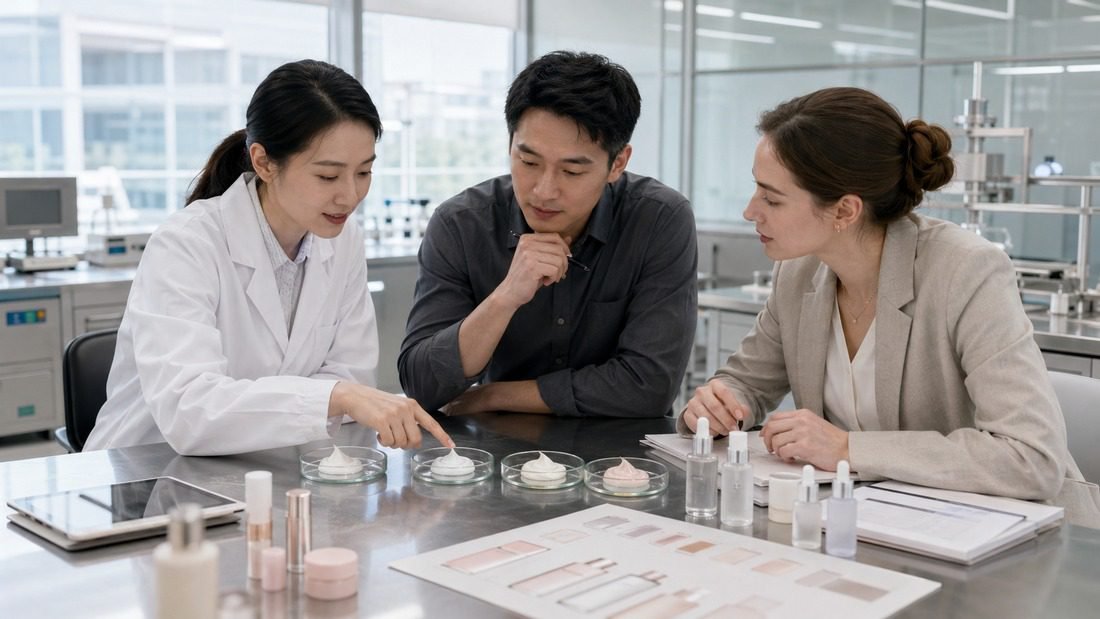
A UK-based hair care brand wanted to enter South Africa with a private label line. They partnered with an OEM manufacturer in China, using ODM for initial formulas to save time. After testing samples, they customized packaging with Packaging Design support. The manufacturer handled stability testing and provided documentation for SAHPRA compliance. The brand launched successfully in 2026, with products now sold in major retailers. Key takeaway: clear terminology and a reliable partner made the process smooth.
Frequently Asked Questions (FAQ)
Q1: What is the difference between OEM and ODM in hair care?
A1: OEM means you provide the formula; ODM means the factory provides ready formulas. OEM offers more customization, ODM is faster.
Q2: What is a typical MOQ for hair care products from South African manufacturers?
A2: MOQs vary; local manufacturers may require 1,000 units, while Asian factories often ask for 5,000-10,000 units.
Q3: Do I need SAHPRA approval for hair care products?
A3: Most hair care products are cosmetics, not medicines, so SAHPRA approval isn't required, but compliance with Department of Health regulations is essential.
Q4: How long does it take to manufacture and ship hair care products to South Africa?
A4: Lead times vary; typically 30-60 days for production plus shipping. Plan for 2-3 months total.
Q5: Can I get samples before placing a bulk order?
A5: Yes, most manufacturers offer sample development. Request samples to test quality and compatibility.

 Scan to WhatsApp
About the Author
David Zhang has spent years in skincare formulation and quality control at Flavor Sources, a GMP ISO 22716-certified private label manufacturer based in Dongguan, China, serving brands in 50+ countries since 2000. Reach out to David's team for a custom formula consultation →
Ready to Source Hair Care Products for South Africa?
Don't let terminology hold you back. Whether you need Private Label Skincare or custom hair care solutions, we're here to help. Request a sample or get a quote today and start your journey with a trusted partner. For more insights, explore our Hair Care range and Case Studies. Let's bring your vision to life.