Hair Care vs Hair Mask in 2026: The Complete Lead Time & Logistics Guide for Smart Brands
When comparing hair care vs hair mask lead time logistics in 2026, the short answer is: hair care (shampoos, conditioners, serums) typically has shorter lead times (25–35 days) and simpler logistics, while hair masks require 30–45 days due to thicker formulations and specialized packaging. For most brands, hair care wins on speed and cost, but masks offer premium differentiation.
Table of Contents
- Understanding the Lead Time & Logistics Challenge
- Key Differences in Production and Logistics
- Hair Care vs Hair Mask: Lead Time & Logistics Comparison
- Practical Tips for Brands
- Case Examples: Real-World Lead Time & Logistics Outcomes
- Frequently Asked Questions
- 1. Which format has a shorter lead time: hair care or hair mask?
- 2. How does packaging affect logistics costs for hair masks?
- 3. Can I reduce lead time for hair masks?
- 4. What are the MOQ differences between hair care and hair masks?
- 5. Which format is better for e-commerce?
- 6. How can I ensure compliance for hair masks in the EU?
- Author Trust Module
- Ready to Make a Confident Sourcing Decision?
Understanding the Lead Time & Logistics Challenge
Brands launching new hair products in 2026 face a complex decision: should you prioritize fast-moving hair care staples or invest in premium hair masks? The choice impacts everything from production scheduling to shipping costs and inventory management. Hair care vs hair mask lead time logistics is not just about speed—it's about aligning your product format with your supply chain capabilities and market demand. This guide breaks down the key differences to help you make a confident, data-driven decision.
Key Differences in Production and Logistics
Formulation Complexity and Production Time
Hair care products like shampoos and conditioners use standardized formulations with readily available ingredients. Production runs are typically 25–35 days from sample approval to bulk completion. Hair masks, however, often contain higher concentrations of active ingredients (e.g., shea butter, keratin, oils) that require more precise emulsification and stability testing. This adds 5–10 days to production, pushing lead times to 30–45 days.
Packaging and Filling Considerations
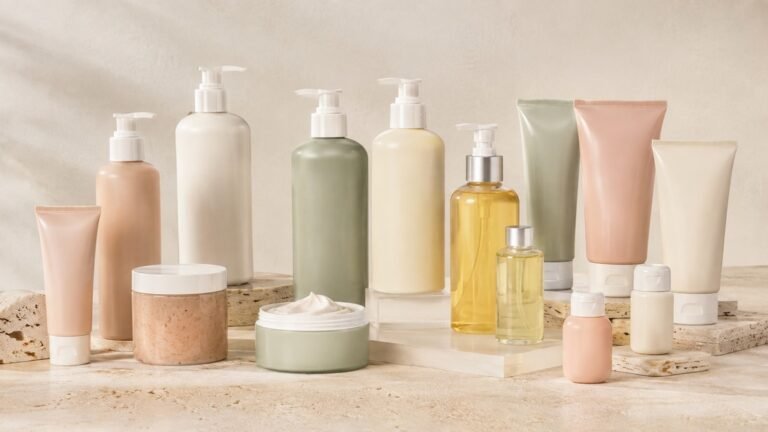
Hair masks are usually packaged in jars or tubes, which involve slower filling lines and higher unit costs compared to bottles used for shampoos and conditioners. Jars also require secondary packaging (e.g., shrink wrap) and are heavier, increasing shipping costs. For a private label hair care comparison, consider that masks may need airless pumps or special liners to protect sensitive formulas, further complicating logistics.
Shipping and Inventory Implications
Heavier and bulkier mask packaging means higher freight costs, especially for air shipments. Masks also have a shorter shelf life in some cases (due to natural oils), requiring tighter inventory control. Hair care products, with their lighter weight and longer stability, are more forgiving for ocean freight and extended warehousing.
Hair Care vs Hair Mask: Lead Time & Logistics Comparison
| Factor | Hair Care (Shampoo, Conditioner, Serum) | Hair Mask |
|---|---|---|
| Average Production Lead Time | 25–35 days | 30–45 days |
| Packaging Type | Bottles, pumps (fast filling) | Jars, tubes (slower filling) |
| Unit Weight (typical) | 200–300g | 250–500g |
| Shipping Cost Impact | Lower (lighter, stackable) | Higher (bulkier, fragile) |
| Inventory Turnover | Faster (daily use) | Slower (weekly use) |
| MOQ Flexibility | Generally lower MOQs | Often higher MOQs |
| Stability Testing | Standard | Extended (due to actives) |
Practical Tips for Brands
Align Format with Market Demand
If your target market prioritizes convenience and repeat purchases, hair care is the safer bet. For premium or treatment-focused segments, masks can command higher margins despite longer lead times. Consider a hybrid approach: launch a core hair care line first, then introduce masks as a limited edition.
Optimize Packaging for Logistics
Choose lightweight, stackable packaging for masks to reduce freight costs. For example, use flexible pouches or lightweight jars. Work with your manufacturer to design packaging that balances protection and shipping efficiency. Our Packaging Design team can help.
Plan Inventory Carefully
Masks require more accurate demand forecasting due to longer lead times and higher MOQs. Use pre-orders or small-batch production to test the market. For hair care, you can leverage faster replenishment cycles to avoid stockouts.
Leverage Manufacturer Expertise
Choose a partner experienced in both formats. At Flavor Sources, we offer Hair Care manufacturing with optimized lead times and Custom Formula development for masks. Our Bulk Production capabilities ensure efficient scaling.
Case Examples: Real-World Lead Time & Logistics Outcomes
UK Brand: Fast Turnaround with Hair Care
A UK-based startup launched a private label shampoo and conditioner line. By choosing standard bottles and leveraging our Private Label Skincare service, they achieved a 28-day lead time and shipped via ocean freight, reducing logistics costs by 20%. The brand quickly gained traction in retail.
UAE Distributor: Premium Masks with Strategic Logistics
A UAE distributor opted for a luxury hair mask line in glass jars. Despite a 40-day lead time, they used air freight for initial launch to meet a key retail window, then switched to ocean freight for replenishment. The higher price point absorbed logistics costs, and the masks became a bestseller.
US E-commerce Seller: Hybrid Approach
A US e-commerce seller launched a hair care bundle (shampoo + mask) using our Sample Development service to test formulations. They produced hair care domestically for fast replenishment and imported masks in bulk quarterly, balancing speed and cost.
Australia Salon Chain: Bulk Masks for Professional Use
An Australian salon chain required large volumes of hair masks for in-salon treatments. By working with our For Spa & Salon team, they optimized packaging to reduce weight and negotiated a 35-day lead time with sea freight, achieving cost savings that were passed on to salons.
Frequently Asked Questions
1. Which format has a shorter lead time: hair care or hair mask?
Hair care typically has a shorter lead time (25–35 days) compared to hair masks (30–45 days) due to simpler formulations and faster filling processes.
2. How does packaging affect logistics costs for hair masks?
Hair masks often use jars or tubes, which are heavier and bulkier than bottles, leading to higher shipping costs. Lightweight packaging can mitigate this.
3. Can I reduce lead time for hair masks?
Yes, by choosing standard formulations and packaging, and working with a manufacturer that has optimized production lines. Early sampling and approval also help.
4. What are the MOQ differences between hair care and hair masks?
Hair masks often have higher MOQs due to specialized packaging and formulation. However, some manufacturers offer flexible MOQs for startups.
5. Which format is better for e-commerce?
Hair care is generally better for e-commerce due to lighter weight and lower shipping costs, but masks can be offered as premium add-ons.
6. How can I ensure compliance for hair masks in the EU?
Hair masks require a Cosmetic Product Safety Report (CPSR) under EU regulations. Work with a manufacturer that provides Export Support and compliance documentation.
Author Trust Module

 Scan to WhatsApp
About the Author
David Zhang has spent years in skincare formulation and quality control at Flavor Sources, a GMP ISO 22716-certified private label manufacturer based in Dongguan, China, serving brands in 50+ countries since 2000. Reach out to David's team for a custom formula consultation →
Ready to Make a Confident Sourcing Decision?
Whether you choose hair care or hair masks, Flavor Sources is here to support your brand with reliable manufacturing and logistics. Our Hair Care production line is optimized for speed, while our mask capabilities deliver premium quality. To get started, request a sample or get a quote today. Let us help you navigate hair care vs hair mask lead time logistics for a successful 2026 launch.