The Ultimate Serum Glossary Australia 2027: Decode OEM/ODM Terms with Confidence
Navigating the world of serum manufacturing can feel like learning a new language. That's why we've created this serum glossary australia — your direct answer to decoding essential OEM/ODM terms. Whether you're a startup or established brand, this guide empowers you to communicate confidently with manufacturers and make informed decisions. Let's dive in.
Table of Contents
- Why Every Australian Buyer Needs a Serum Glossary
- Key Terms in Serum Manufacturing: From Formulation to Finished Product
- Comparison Table: OEM vs. ODM vs. Private Label
- How to Use This Glossary When Partnering with a Manufacturer
- Real-World Case: How a Glossary Saved an Australian Startup
- Frequently Asked Questions (FAQ)
- Ready to Turn Your Serum Vision into Reality?
Why Every Australian Buyer Needs a Serum Glossary
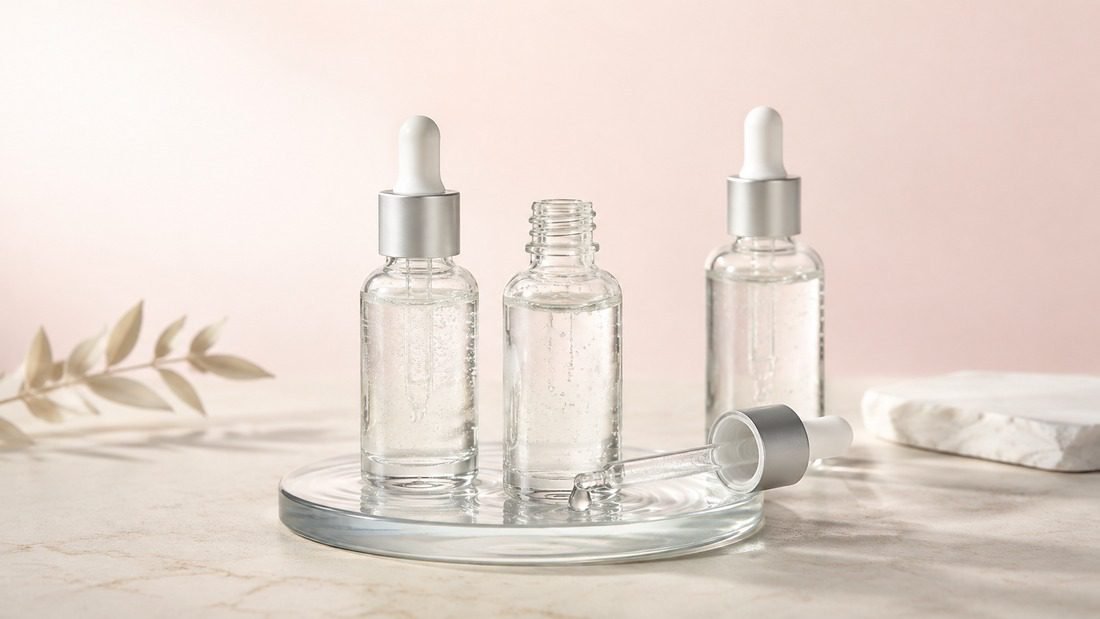
When sourcing serums from overseas manufacturers, you'll encounter a barrage of technical terms — from “active ingredients” to “viscosity” and “stability testing.” Misunderstanding these can lead to costly mistakes, product failures, or compliance issues. A reliable serum glossary australia bridges the gap between your vision and the factory floor. It helps you ask the right questions, interpret quotes accurately, and ensure your product meets Australian regulations (TGA and NICNAS requirements).
Moreover, with the global skincare market projected to reach $189.3 billion by 2027 (Source: Grand View Research), understanding terminology is not just helpful—it's essential for staying competitive. This guide covers the most critical terms, from formulation to packaging, so you can navigate your next project with confidence.
Key Terms in Serum Manufacturing: From Formulation to Finished Product
Formulation and Ingredients
Active Ingredients are the components that deliver the product's primary benefit, such as hyaluronic acid for hydration or vitamin C for brightening. Excipients are inactive substances that stabilize the formula, like preservatives and emulsifiers. Understanding these helps you specify your product's efficacy and safety.
INCI (International Nomenclature of Cosmetic Ingredients) is the standardized naming system for ingredients—essential for labeling and compliance. Always request the INCI list from your manufacturer to verify what's inside.
Production Processes
Cold Process vs. Hot Process: Cold process preserves heat-sensitive actives but may limit emulsification; hot process ensures stability but can degrade certain ingredients. Your choice affects both cost and efficacy.
Filling refers to the packaging stage, where the serum is filled into bottles or vials. Terms like “aseptic filling” indicate sterile conditions, critical for water-based serums.
Quality and Testing
Stability Testing evaluates how the product holds up over time under various conditions (heat, light, humidity). Microbial Testing checks for harmful bacteria. These are non-negotiable for safety and shelf-life claims.
Batch Number and Shelf Life are straightforward but vital: they ensure traceability and consumer safety.
Comparison Table: OEM vs. ODM vs. Private Label
| Term | Definition | When to Use |
|---|---|---|
| OEM (Original Equipment Manufacturer) | You provide the formula; manufacturer produces it. | You have a proprietary formula or patented technology. |
| ODM (Original Design Manufacturer) | Manufacturer offers pre-designed formulas you can customize. | You want a faster, cost-effective launch without R&D. |
| Private Label | You select from existing products and add your branding. | You're entering the market quickly with minimal investment. |
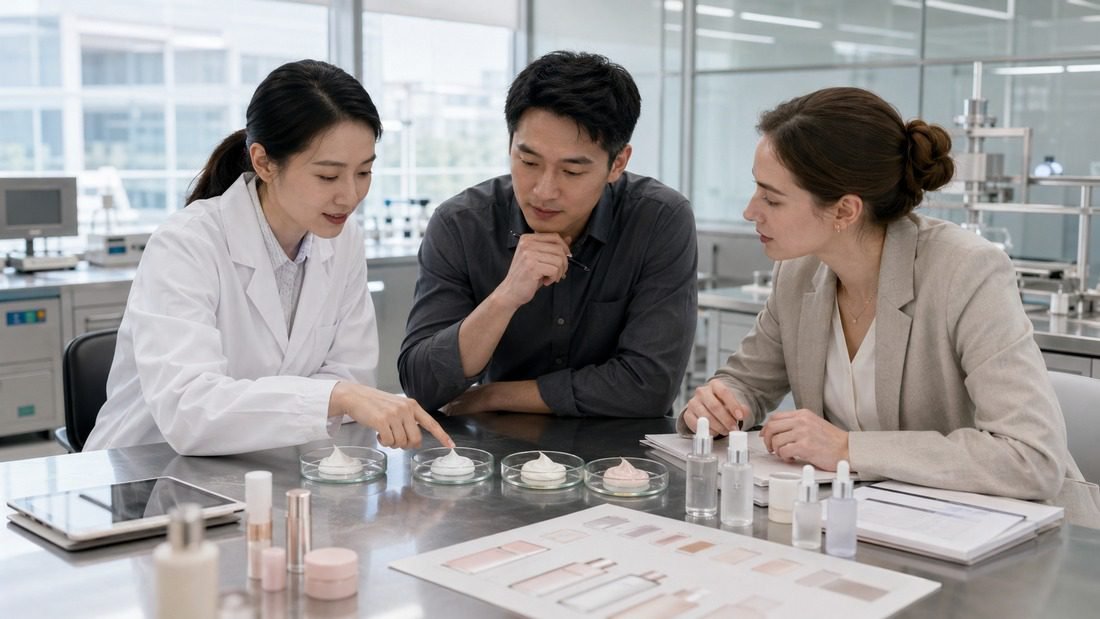
This table is a cornerstone of any serum glossary australia because it clarifies your role in the manufacturing process. For a deeper dive, check our Private Label Skincare page.
How to Use This Glossary When Partnering with a Manufacturer
Now that you're familiar with key terms, here's how to apply them in real-world negotiations:
- Request a detailed quote that breaks down costs by formulation, packaging, and testing. Use terms like “INCI list” and “stability testing” to ensure nothing is hidden.
- Clarify minimum order quantities (MOQ) and lead times. Ask about “scale-up” costs if you plan to grow.
- Discuss customization options — can the manufacturer alter viscosity, fragrance, or active concentrations? This is where ODM flexibility shines.
- Verify compliance — ask for certificates like GMP or ISO. For Australia, ensure the product meets NICNAS (now part of AICIS) requirements.
- Request samples before committing. Our Sample Development service allows you to test formulations safely.
By using this glossary as your checklist, you'll avoid misunderstandings and build a transparent partnership.
Real-World Case: How a Glossary Saved an Australian Startup
Consider a hypothetical Australian startup, “Aussie Glow,” that wanted to launch a vitamin C serum. Without understanding “oxidation stability,” they accepted a formula that turned brown within weeks. After studying a comprehensive serum glossary australia, they learned to request stability data and chose a manufacturer using airless packaging. The revised product maintained its clarity for 12 months, boosting customer trust and reducing returns. While not a real client, this scenario illustrates the tangible benefits of terminology mastery. For more inspiration, explore our Case Studies page.
Frequently Asked Questions (FAQ)
Q: What is the difference between “serum” and “essence”?
A: Serums are typically lighter and more concentrated, targeting specific skin concerns. Essences are thinner and used for hydration, often as a prep step. Both have distinct manufacturing considerations.
Q: How do I know if a manufacturer is reliable?
A: Look for certifications (GMP, ISO), request references, and audit their facilities. Our Factory Tour page shows what to look for.
Q: Can I use my own formula with private label?
A: Yes, that's OEM. Private label uses existing formulas. If you have a proprietary recipe, opt for Custom Formula services.
Q: What are common serum packaging terms?
A: Terms like “airless pump,” “dropper bottle,” and “vial” are standard. Each affects product preservation and user experience.
Q: How important is stability testing?
A: It's crucial. Without it, your serum may degrade, change color, or harbor bacteria. Always request stability reports.
Q: Are there Australian-specific regulations?
A: Yes, cosmetics must comply with AICIS (Australian Industrial Chemicals Introduction Scheme). Your manufacturer should provide documentation to support compliance.

 Scan to WhatsApp
About the Author
David Zhang has spent years in skincare formulation and quality control at Flavor Sources, a GMP ISO 22716-certified private label manufacturer based in Dongguan, China, serving brands in 50+ countries since 2000. Reach out to David's team for a custom formula consultation →
Ready to Turn Your Serum Vision into Reality?
Now that you've mastered the serum glossary australia, you're equipped to source with confidence. Whether you're starting from scratch or refining an existing product, partnering with an experienced manufacturer is key. At Flavor Sources, we offer end-to-end support—from formulation to export—tailored to your needs. Request a sample to experience our quality firsthand, or get a quote to discuss your project. Let's create your success story today.