Serum vs Essence: The Complete 2028 Guide to Quality Control for Confident Sourcing Decisions
When sourcing skincare, understanding serum vs essence quality control is critical. Serums are high-concentration actives with low viscosity; essences are lighter, water-rich fluids. Quality control for each demands different viscosity, pH, and stability protocols. This guide gives you a proven 2028 framework to evaluate suppliers, avoid recalls, and make confident sourcing decisions.
Table of Contents
- Why Serum vs Essence Quality Control Is a Sourcing Blind Spot
- Key Differences That Drive Quality Control Protocols
- Practical Quality Control Steps for Each Format
- How to Vet Your OEM for Serum vs Essence Quality Control
- Case Evidence: Lessons from Three Regions
- FAQ: Serum vs Essence Quality Control
- What is the biggest QC difference between serum and essence?
- How often should I test viscosity during serum production?
- Do essences need stability testing?
- Can I use the same OEM for both serums and essences?
- What certifications should my OEM have for quality control?
- How do I verify active concentration in a serum?
- Trusted Sourcing Starts with the Right Partner
Why Serum vs Essence Quality Control Is a Sourcing Blind Spot
Many beauty brands treat serums and essences as interchangeable during supplier vetting. That is a costly mistake. A serum's high active load (often 10–20% niacinamide or vitamin C) makes it prone to oxidation, pH drift, and recrystallization. An essence, with 80–95% water, faces microbial growth and phase separation risks. If your OEM applies the same QC checklist to both, you may ship a product that fails on shelf. The result: returns, regulatory flags, and brand damage. Understanding the distinct quality control needs of each format is the first step toward reliable sourcing.
Key Differences That Drive Quality Control Protocols
Defining Serum and Essence in Manufacturing Terms
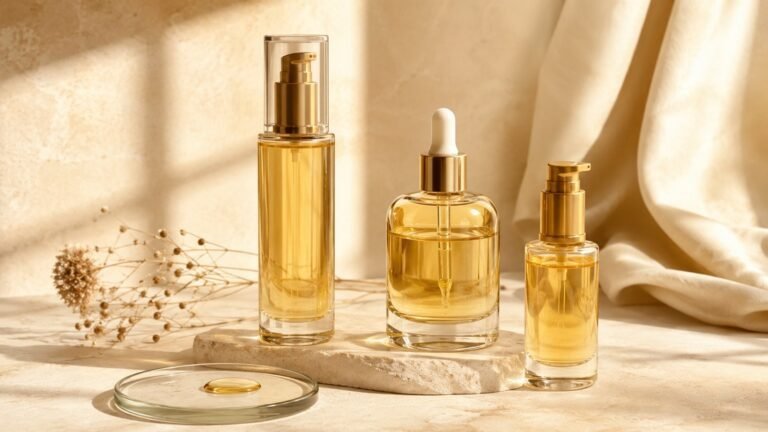
In skincare manufacturing, a serum is a topical product with a high concentration of active ingredients, typically in a lightweight, fast-absorbing base. Viscosity usually ranges from 1,000 to 10,000 cPs. An essence is a water-based liquid with lower active concentrations, viscosity often below 500 cPs, designed to hydrate and prep skin. These physical differences dictate separate QC tests.
Comparison Table: Serum vs Essence Quality Control Parameters
| Parameter | Serum | Essence |
|---|---|---|
| Viscosity range | 1,000–10,000 cPs | 100–500 cPs |
| pH target | 3.5–6.5 (active-dependent) | 4.5–7.0 |
| Microbial risk | Moderate (low water activity) | High (high water activity) |
| Stability focus | Active oxidation, recrystallization | Phase separation, preservative efficacy |
| Fill accuracy | ±1.5% | ±2.0% |
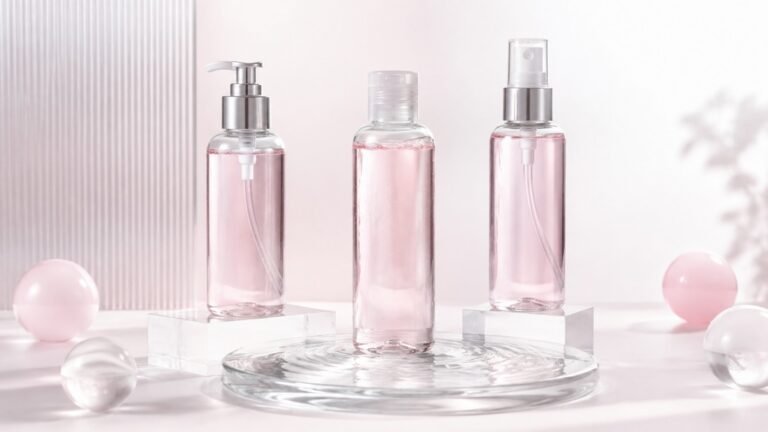
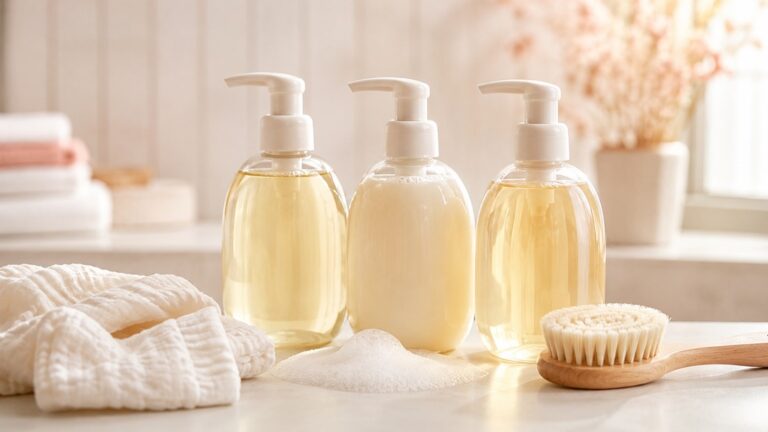
| Packaging compatibility | Airless pumps, droppers | Sprayers, pump bottles |
This table shows why a one-size-fits-all QC approach fails. For example, a vitamin C serum needs nitrogen-flush filling and chelated water to prevent oxidation, while an essence requires challenge testing for preservative systems.
Practical Quality Control Steps for Each Format
For Serums: Viscosity, pH, and Active Integrity
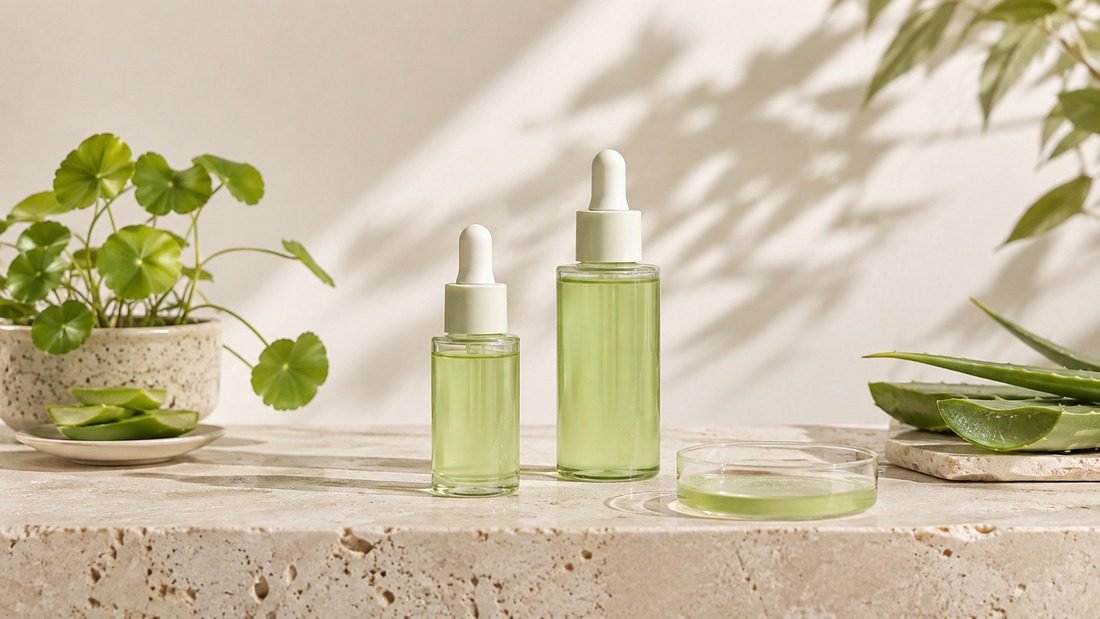
Start with raw material verification. Actives like retinol or ascorbic acid must arrive with certificates of analysis (CoA). During production, monitor viscosity every 30 minutes using a Brookfield viscometer. pH must be checked after cooling to below 40°C. For oxidation-prone actives, request accelerated stability testing at 40°C/75% RH for 12 weeks. A reputable OEM will also perform HPLC assays to confirm active concentration. Without these, your serum may lose potency before expiry.
For Essences: Microbial Limits and Preservative Efficacy
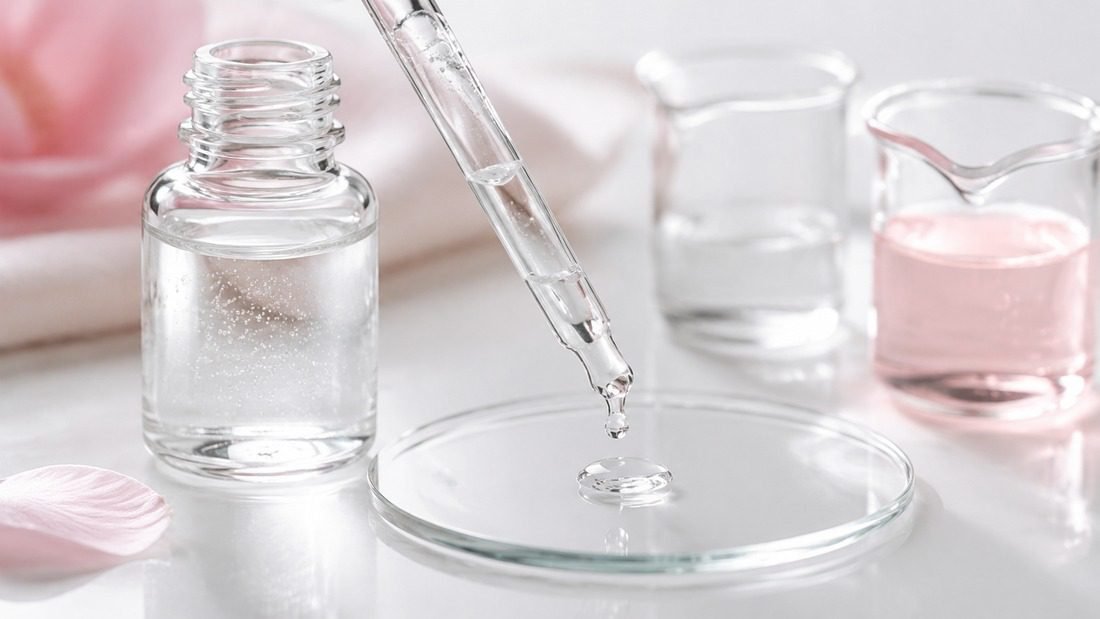
Essences demand rigorous microbiological testing. Every batch should undergo total aerobic microbial count (TAMC) and total yeast and mold count (TYMC). Preservative efficacy testing (PET) per ISO 11930 is non-negotiable. Also check for phase separation after freeze-thaw cycles (-10°C to 25°C, three cycles). Because essences are often sold in clear bottles, light stability testing is also advised. If your supplier skips PET, your product could grow mold within months.
How to Vet Your OEM for Serum vs Essence Quality Control
Ask for their standard operating procedures (SOPs) for each format. A trustworthy partner will have separate lines or changeover protocols to prevent cross-contamination. Request a Factory Tour to see their QC lab in action. Check if they hold ISO 22716 or GMP certifications. For private label projects, ensure they provide a Quality Control dossier per batch. Also, confirm they can supply Certificates of analysis and stability reports. If they hesitate, walk away.
Case Evidence: Lessons from Three Regions
UK: When Viscosity Drift Ruined a Serum Launch
A UK indie brand ordered a 15% vitamin C serum. The OEM skipped viscosity checks after filling. Within three months, the serum thickened in droppers, causing clogging. The brand lost 40% of its first production run. After switching to a supplier with in-line viscometers, the next batch passed stability at 12 weeks. Lesson: demand real-time viscosity data.
UAE: Essence Microbial Failure Triggers Recall
A UAE distributor sourced a rose essence from a low-cost manufacturer. No PET was performed. Six weeks after launch, customers reported visible mold. The product was recalled, and the brand faced regulatory fines. The fix: a new OEM with ISO 11930 PET and TAMC testing per batch. Now the essence passes 24-month shelf-life claims.
Australia: Serum vs Essence Line Changeover Error
An Australian brand produced both formats on the same filling line without proper cleaning. Residue from a silicone-heavy serum contaminated an essence batch, causing separation. The brand lost two months of production. The solution: dedicated lines or validated cleaning protocols. This highlights why serum vs essence quality control must include changeover validation.
FAQ: Serum vs Essence Quality Control
What is the biggest QC difference between serum and essence?
The biggest difference is microbial risk. Essences have high water activity, requiring preservative efficacy testing. Serums have low water activity but are prone to active oxidation and viscosity drift, needing antioxidant and rheology checks.
How often should I test viscosity during serum production?
At minimum every 30 minutes during bulk mixing and once after filling. For high-viscosity serums, test every 15 minutes. Any deviation beyond ±10% of target should trigger a batch hold.
Do essences need stability testing?
Yes. Essences should undergo accelerated stability (40°C/75% RH for 12 weeks) and freeze-thaw cycling. Without it, phase separation and preservative failure can occur within months.
Can I use the same OEM for both serums and essences?
Yes, but only if they have separate production lines or validated cleaning procedures. Ask for their changeover SOP and recent swab test results. A Production Process audit can confirm this.
What certifications should my OEM have for quality control?
Look for ISO 22716 (GMP for cosmetics), ISO 9001, and for EU exports, CPSR compliance. For US, FDA MoCRA registration is increasingly required. Certifications alone are not enough—request batch records.
How do I verify active concentration in a serum?
Request HPLC or GC-MS assay reports from your OEM. For vitamin C, titration is acceptable. For retinol, HPLC is preferred. These should be done on the finished batch, not just raw materials.
Trusted Sourcing Starts with the Right Partner

 Scan to WhatsApp
About the Author
David Zhang has spent years in skincare formulation and quality control at Flavor Sources, a GMP ISO 22716-certified private label manufacturer based in Dongguan, China, serving brands in 50+ countries since 2000. Reach out to David's team for a custom formula consultation →
Ready to apply these quality control insights? Whether you need a private label serum or a custom essence, Flavor Sources can help. We offer rigorous QC for both formats, with full documentation and third-party testing. Request a free sample or get a detailed quote today. Let us be your reliable OEM partner for confident sourcing decisions.