Cream & Lotion vs BB Cream Formulation: Essential 2026 Sourcing Guide
When planning your 2026 product line, the choice between cream lotion vs bb cream formulation ingredient sourcing is a critical strategic decision. Creams and lotions offer versatile, skin-nourishing bases with simpler sourcing, while BB creams provide multifunctional color and coverage but demand more complex ingredients. Your selection impacts cost, compliance, and market fit.
Table of Contents
What Is the Cream & Lotion vs BB Cream Formulation Ingredient Sourcing Dilemma?
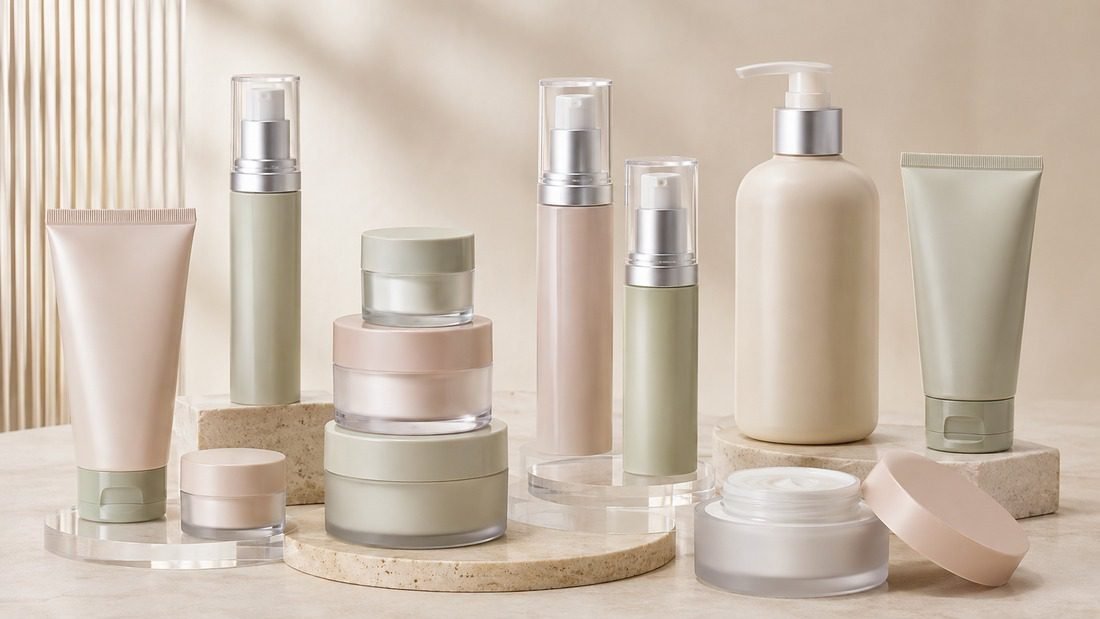
Brand owners and product managers often face a fork in the road: should you develop a classic cream or lotion, or invest in a BB cream? Both fall under skincare, but their formulation philosophies differ. Creams and lotions focus on hydration and skin barrier support. BB creams combine skincare with light coverage and sun protection. The ingredient sourcing for each involves different suppliers, regulatory pathways, and cost structures. Understanding these differences is essential to avoid costly reformulations and ensure your 2026 lineup meets consumer expectations.
Main Body: Comparing Formulation & Ingredient Sourcing
Formulation Complexity and Key Ingredients
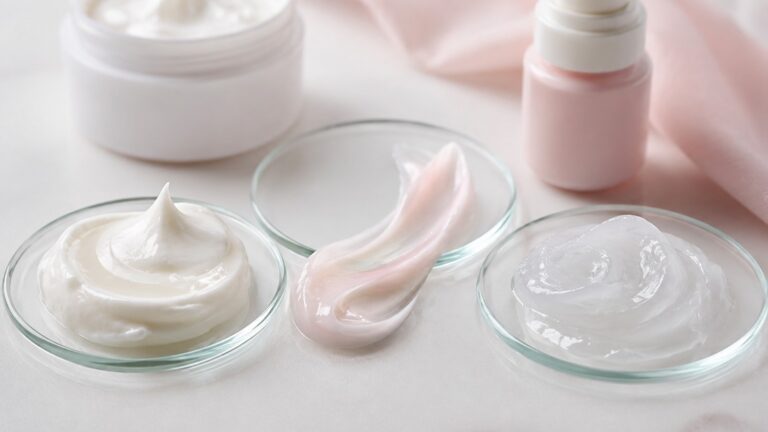
Creams and lotions are oil-in-water or water-in-oil emulsions. They rely on humectants (glycerin, hyaluronic acid), emollients (shea butter, squalane), and emulsifiers. Sourcing these ingredients is straightforward, with many established suppliers. BB creams, however, are tinted emulsions that incorporate pigments (iron oxides, titanium dioxide), UV filters, and sometimes silicone-based texture enhancers. This added complexity means you need pigment dispersions, SPF boosters, and color-matching expertise. Ingredient sourcing for BB creams often requires specialized cosmetic pigment suppliers and rigorous batch consistency checks.
Ingredient Sourcing and Supply Chain
For cream lotion vs bb cream formulation ingredient sourcing, supply chain resilience is a major factor. Cream and lotion ingredients are widely available, with multiple sources for each component. This reduces risk and lead times. BB cream ingredients, especially pigments and UV filters, are more concentrated among fewer suppliers. Regulatory changes, such as the EU's updated UV filter approvals, can disrupt availability. Additionally, BB creams often require FDA MoCRA compliance for color additives in the US, adding documentation layers. Sourcing strategies must account for these nuances.
Cost and Minimum Order Quantity (MOQ)
Cost structures vary significantly. Creams and lotions benefit from economies of scale and lower raw material costs. BB creams demand higher upfront investment in pigment matching, stability testing, and SPF validation. MOQs for pigments can be high, which may challenge startups. However, BB creams often command higher retail prices, potentially offsetting costs. A private label cream and lotion line may offer lower risk for new brands, while BB creams suit established players with a clear color cosmetics angle.
Comparison Table: Cream & Lotion vs BB Cream
| Factor | Cream & Lotion | BB Cream |
|---|---|---|
| Primary Function | Hydration, nourishment | Coverage, sun protection, skincare |
| Key Ingredients | Humectants, emollients, emulsifiers | Pigments, UV filters, silicones, skincare actives |
| Sourcing Complexity | Low to moderate | High (specialized pigments, UV filters) |
| Regulatory Hurdles | Standard cosmetic compliance | Color additive and SPF regulations |
| MOQ | Lower | Higher (due to pigments) |
| Cost per Unit | Lower | Higher |
| Target Market | All skin types, daily care | Makeup-skincare hybrid users |
| Customization Ease | High (many bases) | Moderate (color matching required) |
Market Trends and Consumer Demand
In 2026, consumers seek multifunctional products. BB creams align with the “skinimalism” trend, combining makeup and skincare. However, creams and lotions remain staples, especially in anti-aging and sensitive skin segments. For importers and distributors, offering both can diversify portfolios. E-commerce sellers might favor BB creams for visual appeal, while spa and salon clients often prefer professional-grade creams and lotions. Understanding your audience is key.
Regulatory and Compliance Considerations
Creams and lotions generally face simpler compliance. BB creams with SPF are regulated as over-the-counter drugs in the US, requiring FDA MoCRA registration and testing. In the EU, SPF claims need substantiation via ISO 24444. Pigments must comply with FDA color additive regulations. These requirements increase timelines and costs. Sourcing ingredients from certified suppliers with full documentation is non-negotiable.
Practical Tips for Your 2026 Product Line
- Define Your Market Position: If you target clean beauty, a simple cream or lotion with transparent sourcing may resonate. For color-conscious markets, BB cream offers differentiation.
- Leverage Private Label Expertise: Partner with a manufacturer experienced in both formats. For example, Private Label Skincare services can streamline development.
- Plan Ingredient Sourcing Early: Secure suppliers for critical ingredients. For BB creams, lock in pigment sources and verify regulatory compliance.
- Consider Custom Formulation: Use Custom Formula to tailor textures and actives.
- Test Stability and Compatibility: Ensure your chosen format remains stable. Testing & Inspection is vital.
- Optimize Packaging: BB creams often need airless pumps or tubes to protect pigments. Packaging Design can enhance user experience.
- Start with Samples: Validate your concept with Sample Development.
Case Evidence: Real-World Applications
- UK: A beauty brand launched a private label cream and lotion range for sensitive skin, sourcing oat extract and ceramides from EU suppliers. The line achieved strong repeat purchases due to minimalist formulations.
- UAE: A distributor introduced a BB cream with SPF 30, tailored for humid climates. By sourcing pigments from a certified supplier, they navigated GCC compliance smoothly and gained shelf space in pharmacies.
- US: An e-commerce seller used custom formulation to create a tinted moisturizer (BB cream hybrid). They invested in FDA MoCRA compliance and saw a 40% increase in average order value.
- Australia: A spa chain opted for a professional-grade lotion with native botanicals, leveraging For Spa & Salon solutions to co-develop a signature product.
These examples show that success depends on aligning format with market needs and sourcing capabilities.
FAQ
What is the main difference between cream & lotion and BB cream?
Creams and lotions focus on hydration and skin care, while BB creams combine skincare with tinted coverage and often sun protection. Formulation and ingredient sourcing differ accordingly.
Which format is easier for private label?
Creams and lotions are generally easier due to simpler formulations and lower MOQs. BB creams require color matching and regulatory steps, but can offer higher margins.
How does ingredient sourcing impact cost?
BB cream ingredients like pigments and UV filters are costlier and sourced from fewer suppliers, increasing unit cost. Cream and lotion ingredients are more commoditized.
What regulations should I watch for BB creams?
In the US, BB creams with SPF are regulated as OTC drugs under FDA MoCRA. In the EU, SPF claims need ISO 24444 testing. Pigments must comply with regional color additive rules.
Can I offer both formats in my 2026 line?
Yes, many brands do. It diversifies risk and appeals to different consumer segments. Ensure your manufacturer can handle both.
How do I choose the right format?
Assess your target market, budget, and brand positioning. If you need multifunctionality, BB cream may be ideal. For pure skincare, cream and lotion are reliable choices.

 Scan to WhatsApp
About the Author
David Zhang has spent years in skincare formulation and quality control at Flavor Sources, a GMP ISO 22716-certified private label manufacturer based in Dongguan, China, serving brands in 50+ countries since 2000. Reach out to David's team for a custom formula consultation →
Ready to Develop Your 2026 Product Line?
Whether you choose cream lotion vs bb cream formulation ingredient sourcing, Flavor Sources can help. We offer end-to-end OEM/ODM services, from custom formulation to bulk production. To explore our cream and lotion capabilities, visit Cream & Lotion. For a tailored quote, Get a Quote. Or Request Sample to experience our quality firsthand. Let's bring your 2026 vision to life.