Private Label Baby Care Beauty Brands Spain Cost & MOQ: 2028 Complete Guide
For beauty brands eyeing Spain's baby care market in 2028, private label baby care beauty brands spain cost moq strategies are crucial. Expect MOQs from 500 to 5,000 units and costs varying by formula and packaging. This guide breaks down expenses, MOQs, and regulatory steps to help you launch confidently.
Table of Contents
- Understanding the Spanish Baby Care Market Landscape
- Key Cost Components in Private Label Baby Care
- Decoding MOQs: What to Expect for Baby Care
- Comparing Cost and MOQ: Stock vs. Custom Formulations
- Regulatory Compliance: Navigating EU and Spanish Requirements
- Practical Tips for Sourcing Private Label Baby Care in Spain
- Case Studies: Successful Launches in Spain and Beyond
- Frequently Asked Questions (FAQ)
- 1. What is the typical MOQ for private label baby care in Spain?
- 2. How much does private label baby care cost?
- 3. Can I get samples before placing an order?
- 4. What certifications should I look for in a manufacturer?
- 5. How long does it take to launch a private label baby care line?
- 6. Do I need to register my products in Spain?
- Ready to Launch Your Private Label Baby Care Line?
Understanding the Spanish Baby Care Market Landscape
Spain's baby care market is projected to grow steadily, driven by rising demand for natural and organic products. According to Grand View Research, the global baby care products market is expected to expand at a CAGR of around 5% through 2030. Spanish consumers, in particular, favor gentle, hypoallergenic formulations with transparent ingredient lists.
For beauty brands, this presents a lucrative opportunity to extend their line with baby care products. However, navigating the local market requires a solid understanding of consumer preferences, regulatory frameworks, and supply chain logistics. Partnering with an experienced OEM/ODM manufacturer can streamline entry and ensure compliance.
Key Cost Components in Private Label Baby Care
When budgeting for private label baby care, several cost factors come into play. These include formulation, packaging, regulatory compliance, and logistics. Each component varies based on complexity and order volume.
Formulation Costs
Formulation is the foundation of any baby care product. Costs depend on the complexity of the formula and whether you choose a stock formula or custom development. Stock formulas are more cost-effective, while custom formulas offer differentiation but require higher investment. For baby care, gentle surfactants, emollients, and preservatives are essential, and their quality directly impacts cost.
Packaging Costs
Packaging significantly influences both cost and brand perception. Options range from standard bottles and tubes to airless pumps and eco-friendly materials. Custom packaging with unique shapes or printing techniques increases costs but can enhance shelf appeal. For baby care, safety features like tamper-evident closures are often non-negotiable.
Regulatory Compliance Costs
Compliance with EU regulations, including the Cosmetic Products Regulation (EC) No 1223/2009, is mandatory. This involves safety assessments, product information files (PIF), and CPNP notification. Costs for testing and certification can add up, but they are essential for market access. Working with a manufacturer experienced in EU compliance can mitigate risks and reduce time-to-market.
Logistics and Import Costs
If you're sourcing from outside Spain, consider shipping, customs duties, and taxes. Spain's membership in the EU means goods can move freely within the single market, but imports from non-EU countries incur duties and VAT. Leveraging a manufacturer with export support can simplify logistics and reduce overhead.
Decoding MOQs: What to Expect for Baby Care
Minimum Order Quantities (MOQs) are a critical consideration for emerging brands. MOQs vary widely based on the manufacturer, product type, and packaging. For baby care, typical MOQs range from 500 to 5,000 units per SKU.
Factors Influencing MOQ
- Manufacturer size and capacity: Larger factories often have higher MOQs to optimize production runs.
- Formula complexity: Custom formulas may require higher MOQs to justify development costs.
- Packaging type: Standard packaging may have lower MOQs, while custom molds or special finishes increase them.
- Ingredient sourcing: Rare or expensive ingredients may necessitate higher MOQs to reduce waste.
Strategies for Lower MOQs
If you're a startup or testing the market, consider these strategies to achieve baby care small batch private label production:
- Choose stock formulas: Many manufacturers offer existing baby care formulas with lower MOQs.
- Opt for standard packaging: Using readily available components reduces minimums.
- Negotiate: Some manufacturers are flexible, especially for long-term partnerships.
- Combine SKUs: Ordering multiple products together can sometimes lower per-unit MOQs.
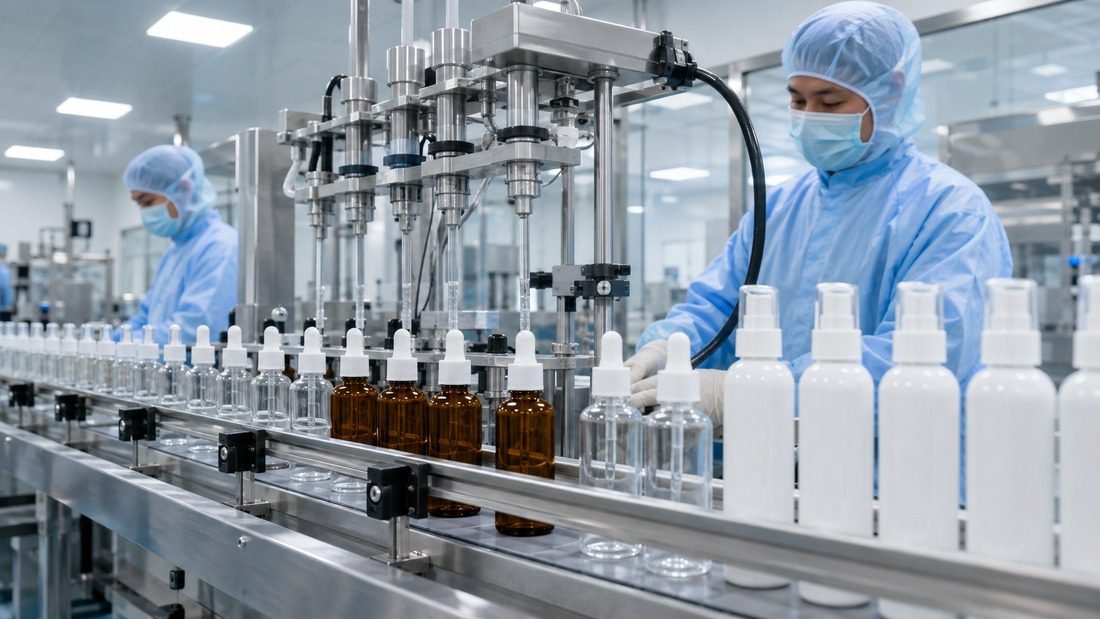
Comparing Cost and MOQ: Stock vs. Custom Formulations
To illustrate the trade-offs, here's a comparison table:
| Aspect | Stock Formula | Custom Formula |
|---|---|---|
| MOQ | 500-1,000 units | 3,000-5,000 units |
| Development Cost | Low (often included) | High (R&D fees) |
| Time to Market | Short (weeks) | Long (months) |
| Differentiation | Low | High |
| Cost per Unit | Lower | Higher |
Note: Figures are indicative and vary by manufacturer.
Regulatory Compliance: Navigating EU and Spanish Requirements
Baby care products are classified as cosmetics in the EU and are subject to strict regulations. Key requirements include:
- Safety Assessment: A qualified safety assessor must evaluate the product.
- Product Information File (PIF): Detailed documentation must be kept for each product.
- CPNP Notification: Products must be notified via the Cosmetic Products Notification Portal before sale.
- Labeling: Ingredients, warnings, and manufacturer details must be clearly stated.
For baby care, additional considerations include hypoallergenic testing and pediatrician approval. Partnering with a manufacturer that provides Testing & Inspection services ensures compliance and quality.
Practical Tips for Sourcing Private Label Baby Care in Spain
- Define Your Target Market: Understand whether you're targeting mass-market or premium segments, as this affects formulation and packaging choices.
- Choose the Right Manufacturer: Look for experience in baby care, EU compliance, and flexibility with MOQs. Request samples to evaluate quality.
- Plan Your Budget: Account for all costs, including hidden ones like testing and logistics. Use our Get a Quote tool for a detailed estimate.
- Leverage Local Expertise: A manufacturer familiar with the Spanish market can provide insights into consumer preferences and distribution channels.
- Start Small, Scale Up: Begin with a limited SKU range and lower MOQs to test the market, then expand as demand grows.

Case Studies: Successful Launches in Spain and Beyond
While we cannot disclose specific client names, we have supported beauty brands in various markets. For instance, a UK-based brand launched a private label baby care line using our Baby Care solutions, achieving a successful entry with a 1,000-unit MOQ per SKU. Similarly, a UAE brand leveraged our Custom Formula service to create a unique organic baby balm, now sold in premium retailers. These cases demonstrate that with the right partner, even smaller brands can access high-quality manufacturing.
Frequently Asked Questions (FAQ)
1. What is the typical MOQ for private label baby care in Spain?
MOQs typically range from 500 to 5,000 units per SKU, depending on the manufacturer and product complexity. Some manufacturers offer baby care 500 pcs moq for stock formulas.
2. How much does private label baby care cost?
Costs vary widely based on formulation, packaging, and order volume. On average, expect to invest €2-€5 per unit for stock formulas and €5-€10 for custom formulations at moderate volumes. For a detailed breakdown, request a quote.
3. Can I get samples before placing an order?
Yes, most manufacturers provide samples for evaluation. At Flavor Sources, you can Request Sample to test quality and compatibility.
4. What certifications should I look for in a manufacturer?
Look for ISO 22716 (Good Manufacturing Practices) and compliance with EU cosmetic regulations. Our Certificates page outlines our credentials.
5. How long does it take to launch a private label baby care line?
Timelines vary from 3 to 6 months, depending on formula development, packaging, and regulatory approvals. Stock formulas can reduce this to as little as 8-12 weeks.
6. Do I need to register my products in Spain?
Yes, all cosmetic products must be notified via the CPNP and comply with EU regulations. A responsible person established in the EU is required.

 Scan to WhatsApp
About the Author
David Zhang has spent years in skincare formulation and quality control at Flavor Sources, a GMP ISO 22716-certified private label manufacturer based in Dongguan, China, serving brands in 50+ countries since 2000. Reach out to David's team for a custom formula consultation →
Ready to Launch Your Private Label Baby Care Line?
Embarking on a private label baby care venture in Spain requires careful planning and a reliable manufacturing partner. At Flavor Sources, we specialize in OEM/ODM baby care with flexible MOQs and comprehensive support. Whether you need baby care bulk order pricing or assistance with compliance, our team is here to help. Request a sample or get a quote today to take the first step toward your successful launch.