Cream & Lotion Glossary for Southeast Asia Importers (2028): The Essential Guide
Cream & Lotion Glossary for Southeast Asia Importers: What You Must Know in 2028
Navigating the cream lotion glossary for Southeast Asia is the first step to successful private label sourcing. In 2028, understanding key terms like emulsion, humectant, and preservative system will save you from costly mistakes. This guide decodes the essential vocabulary used by manufacturers, ensuring you communicate clearly and choose the right partner. Let's dive in.
Table of Contents
- Cream & Lotion Glossary for Southeast Asia Importers: What You Must Know in 2028
- Why a Shared Terminology Matters in Southeast Asia's Beauty Market
- Decoding the Core Terms: From Emulsions to Preservatives
- Practical Tips for Using This Glossary in Your Sourcing Process
- Real-World Examples: How Importers Benefit from Terminology Mastery
- Frequently Asked Questions About Cream & Lotion Terminology
- Ready to Source with Confidence?
Why a Shared Terminology Matters in Southeast Asia's Beauty Market
When you import creams and lotions from Southeast Asia, you're dealing with diverse regulatory environments, from Thailand's FDA to Indonesia's BPOM. Misunderstanding terms like “water phase” or “oil phase” can lead to formulation errors, compliance issues, or even product recalls. A standardized cream lotion glossary for Southeast Asia helps you bridge language barriers and technical gaps. It also empowers you to ask the right questions when requesting samples or negotiating with OEM/ODM suppliers. Without this shared vocabulary, you risk receiving a product that doesn't match your brand's promise or fails local regulations.

Decoding the Core Terms: From Emulsions to Preservatives
Emulsion: The Foundation of Creams and Lotions
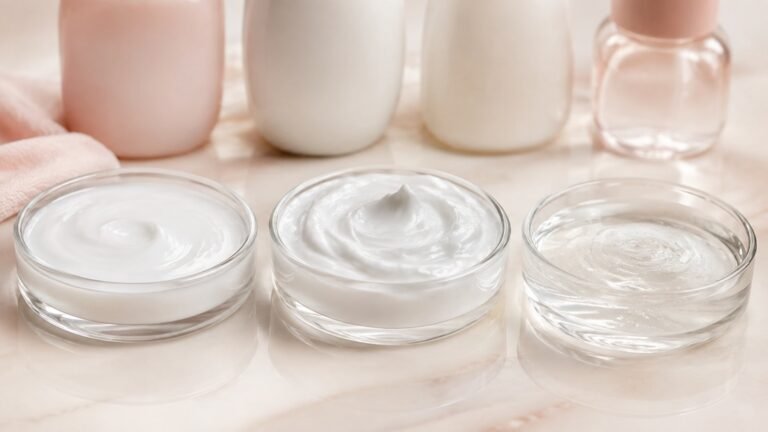
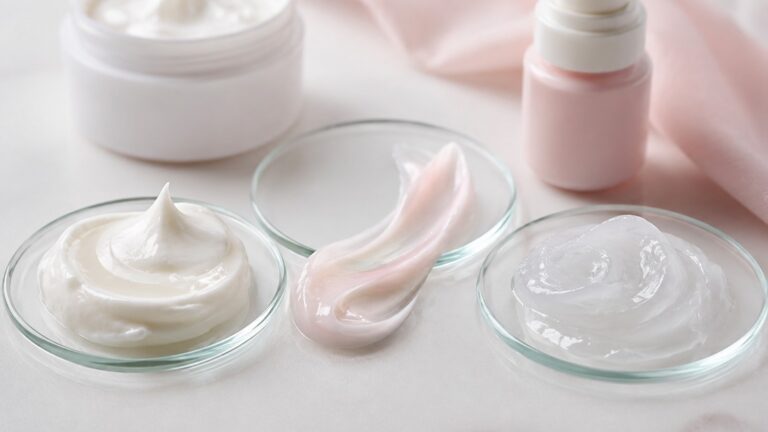
An emulsion is a mixture of water and oil, stabilized by emulsifiers. Creams are typically oil-in-water (O/W) or water-in-oil (W/O) emulsions. Lotion, being lighter, usually has a higher water content. For importers, knowing the emulsion type affects texture, absorption, and stability in tropical climates. For instance, W/O emulsions are more occlusive, helping prevent moisture loss, which is beneficial for dry skin but might feel heavy in humid Southeast Asia.
Key Formulation Terms You'll Encounter
- Humectant: Attracts water to the skin (e.g., glycerin, hyaluronic acid).
- Emollient: Softens and smooths the skin (e.g., shea butter, silicones).
- Occlusive: Forms a barrier to prevent water loss (e.g., petrolatum).
- Surfactant: Reduces surface tension, used in cleansers but also as emulsifiers.
- Preservative System: Prevents microbial growth; common ones include phenoxyethanol and parabens (though increasingly avoided).
Manufacturing Terms: From Batch to Fill
- Batch Number: Unique identifier for production runs.
- Fill Volume: The amount of product in each container.
- Viscosity: Thickness of the product; affects pumpability and feel.
- pH Level: Acidity or alkalinity; skin-friendly range is 4.5–6.5.
- Stability Testing: Ensures product maintains quality over time under various conditions.
| Term | Definition | Why It Matters for Importers |
|---|---|---|
| Emulsion | Mixture of oil and water with emulsifiers | Determines texture and hydration |
| Humectant | Ingredient that draws moisture | Affects moisturizing claim |
| Preservative | Prevents microbial growth | Critical for safety and shelf life |
| Viscosity | Thickness of the liquid | Impacts packaging and user experience |
| SPF | Sun Protection Factor | Relevant for sunscreens, regulated separately |
Practical Tips for Using This Glossary in Your Sourcing Process
When you contact a manufacturer, use the glossary to specify your requirements clearly. For example, ask: “What is the viscosity range of your lotion base?” or “Which preservative system do you use?” This shows you're an informed buyer. Also, request a Certificate of Analysis (COA) to verify active ingredient concentrations. For products targeting Southeast Asia, check that the formulation is stable in high humidity and temperatures. Consider partnering with a supplier that offers Cream & Lotion options tailored to tropical climates. Additionally, familiarize yourself with local labeling requirements, such as INCI names, to avoid customs delays.
Real-World Examples: How Importers Benefit from Terminology Mastery
In Australia, an importer used correct terminology to request a lightweight lotion with a specific humectant blend, resulting in a product that performed well in the dry climate. In the UAE, a distributor avoided a costly recall by understanding the difference between “sunscreen” and “moisturizer with SPF,” which have different regulatory statuses. In the UK, a startup used the glossary to negotiate a custom formula that met EU cosmetic regulations, including CPSR. These examples show that mastering cream lotion glossary for Southeast Asia not only prevents errors but also opens doors to innovation and market differentiation.
Frequently Asked Questions About Cream & Lotion Terminology
What is the difference between a cream and a lotion?
Creams have a higher oil content and are thicker, providing more moisture and occlusivity. Lotions are lighter, with more water, making them suitable for oily skin or warmer climates.
Why is the preservative system crucial in tropical climates?
High humidity and heat promote microbial growth. A robust preservative system ensures product safety and extends shelf life, which is vital for markets like Southeast Asia.
How do I ensure my product meets local regulations?
Work with a manufacturer that provides regulatory support, such as Export Support. They can help with CPSR in the EU or ASEAN Cosmetic Directive compliance.
What is the significance of pH in skincare?
pH affects skin compatibility and product stability. A pH close to the skin's natural level (around 5.5) minimizes irritation and maintains the efficacy of certain active ingredients.
Can I use the same formulation for different markets?
Not always. Climate, consumer preferences, and regulations vary. A formulation that works in Singapore might be too heavy for Thailand. Always test with your target market in mind.

 Scan to WhatsApp
About the Author
David Zhang has spent years in skincare formulation and quality control at Flavor Sources, a GMP ISO 22716-certified private label manufacturer based in Dongguan, China, serving brands in 50+ countries since 2000. Reach out to David's team for a custom formula consultation →
Ready to Source with Confidence?
Now that you're equipped with the essential cream lotion glossary for Southeast Asia, you're ready to engage with manufacturers more effectively. At Flavor Sources, we specialize in OEM/ODM production, offering Cream & Lotion solutions that meet international standards. Whether you need help with formulation, packaging, or export compliance, our team is here to support you. Request a Sample today or Get a Quote to start your project with confidence.