Complete Cream Lotion Packaging & Branding for Startups: 2028 Guide
For startups, cream lotion packaging branding startups success in 2028 hinges on choosing the right packaging format, sustainable materials, and a trusted manufacturing partner. This guide breaks down design, sourcing, and compliance so you can launch confidently.
Table of Contents
- Why Cream & Lotion Packaging & Branding Is a Make-or-Break Decision for Startups
- The Core Challenge: Aligning Packaging, Branding, and Budget
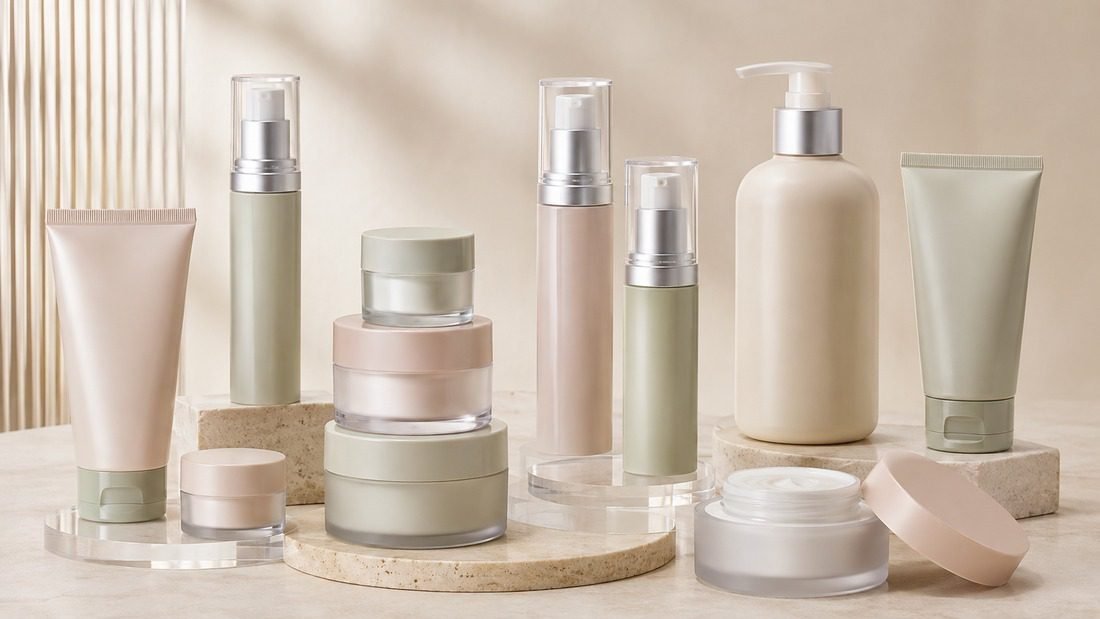
- Packaging Formats Compared: A 2028 Breakdown
- Sustainable Packaging: What Startups Need to Know in 2028
- Branding Essentials: From Label to Unboxing
- Practical Steps to Source Cream & Lotion Packaging & Branding
- Case Examples: How Startups Succeeded
- Frequently Asked Questions
- What is the best packaging for cream and lotion startups?
- How much does custom cream lotion packaging cost?
- Can I get sustainable packaging without high MOQs?
- How do I ensure my packaging complies with regulations?
- What branding elements matter most for startups?
- How long does it take to develop custom packaging?
- Trusted Expertise for Your Skincare Launch
- Ready to Launch Your Cream & Lotion Line?
Why Cream & Lotion Packaging & Branding Is a Make-or-Break Decision for Startups
Launching a skincare line is exciting, but packaging and branding often become the first major hurdle. Startups must balance cost, shelf appeal, and regulatory demands. A weak packaging choice can lead to leaks, oxidation, or returns. Strong branding builds trust instantly. In 2028, consumers expect eco-friendly options and seamless e-commerce experiences. Your packaging must protect the formula and tell your story. This article explains how to navigate those choices step by step.
The Core Challenge: Aligning Packaging, Branding, and Budget
Most founders ask: How do I choose packaging that looks premium, ships safely, and fits my budget? The answer lies in understanding three pillars: material compatibility, decoration methods, and minimum order quantities (MOQs).
Material Compatibility
Creams and lotions contain water, oils, and actives. They react with certain plastics and metals. Airless pumps and opaque bottles protect light-sensitive ingredients. Jars work for thick creams but risk contamination. Tubes offer portability and low waste.
Decoration Methods
Silkscreen, hot stamping, and labeling each have trade-offs. Silkscreen offers durability but limited colors. Hot stamping adds metallic shine. Labels allow quick changes but may peel. Choose based on your brand's aesthetic and budget.
MOQs and Lead Times
Startups often face high MOQs. Working with a flexible OEM/ODM partner can lower barriers. For example, Private Label Skincare services often provide lower MOQs and faster sampling.
Packaging Formats Compared: A 2028 Breakdown
| Format | Best For | Pros | Cons |
|---|---|---|---|
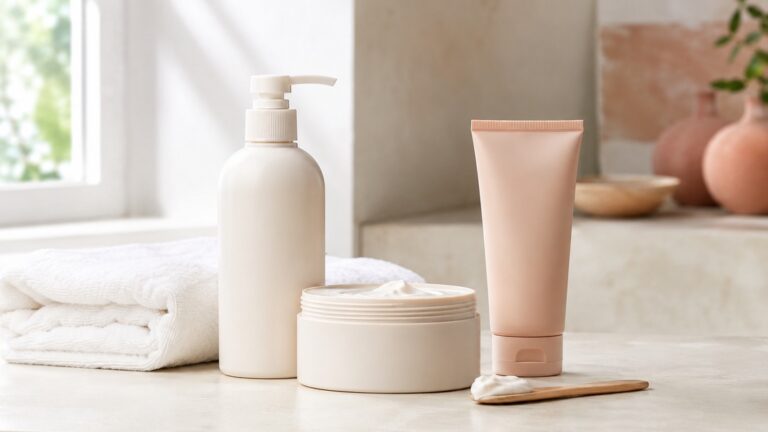
| Airless Pump | Serums, lotions | Hygienic, precise dose, protects actives | Higher cost, complex filling |
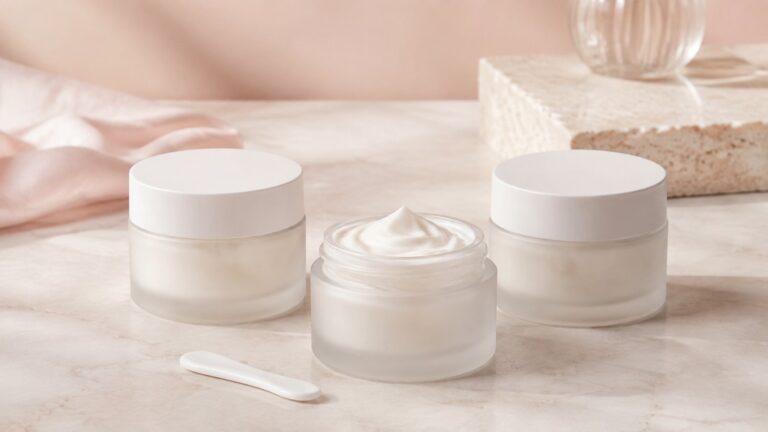
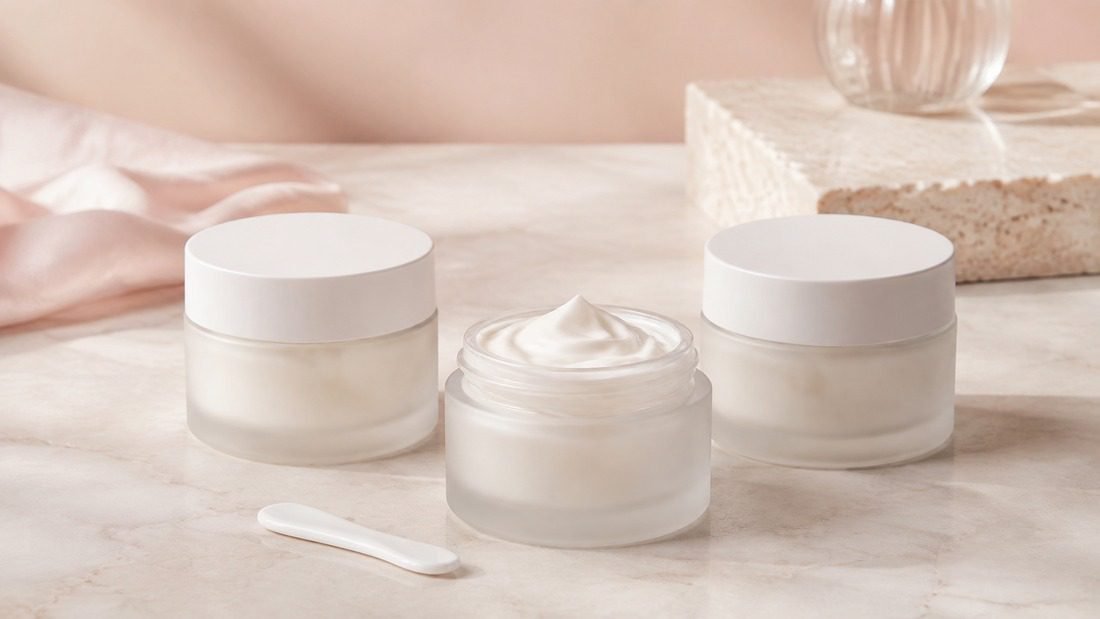
| Jar | Thick creams | Luxurious feel, easy filling | Contamination risk, less travel-friendly |
| Tube | Lotions, hand creams | Portable, low waste, cost-effective | Squeeze control, less premium |
| Bottle with Pump | Lotions, cleansers | Convenient, refillable options | Pump clogging, plastic waste |
Key Term: Airless Pump Packaging
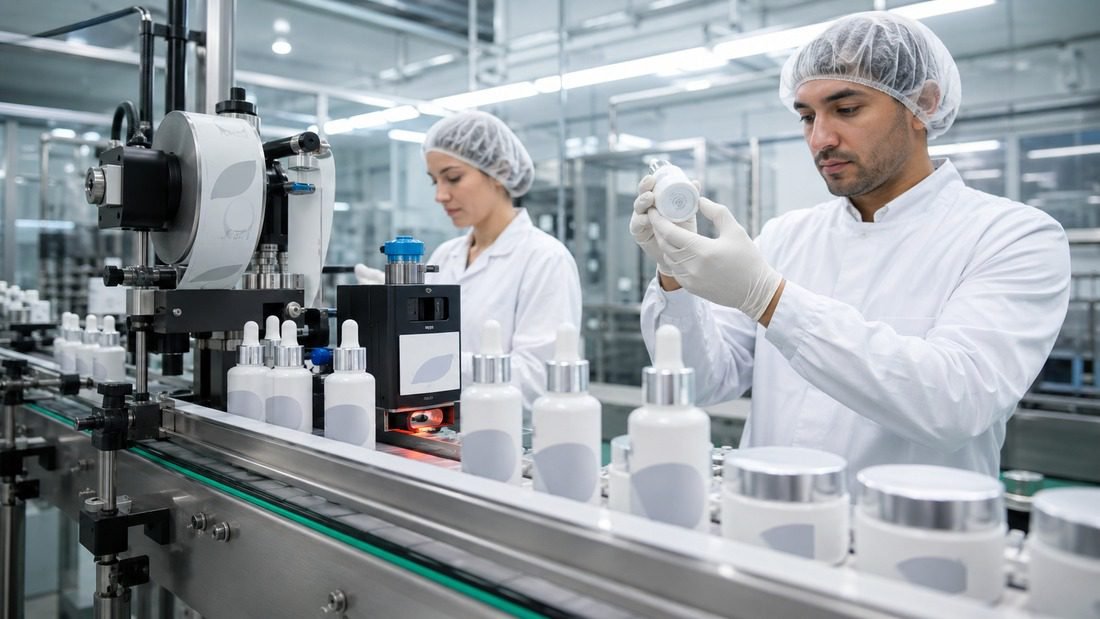
Cream & lotion airless pump packaging uses a vacuum mechanism to dispense product without air contact. This helps improve the appearance of sensitive ingredients by reducing oxidation. It also ensures precise dosing and minimizes waste.
Sustainable Packaging: What Startups Need to Know in 2028
Regulations and consumer demand are pushing sustainability. The EU's Packaging and Packaging Waste Regulation (PPWR) sets recycling targets. Brands must adapt. Options include PCR plastic, refillable systems, and mono-material designs. However, sustainable materials can cost more and may have limited compatibility. Test early with your formula. For guidance, see Packaging Design.
Branding Essentials: From Label to Unboxing
Your branding must resonate across touchpoints. Start with a clear brand story. Choose colors and typography that reflect your positioning. Consider unboxing: recyclable mailers, seed paper, or minimal packaging. Include QR codes for digital instructions. For e-commerce, ensure packaging fits through letterboxes where possible. A cohesive brand experience builds loyalty.
Practical Steps to Source Cream & Lotion Packaging & Branding
Step 1: Define Your Product and Audience
Identify your hero product. Is it a lightweight lotion or a rich cream? Your audience's values (e.g., clean beauty, luxury) shape packaging choices.
Step 2: Create a Packaging Brief
Outline format, material, decoration, and sustainability goals. Include budget and timeline. This brief guides suppliers.
Step 3: Request Samples and Test
Order samples of bottles, pumps, and labels. Test compatibility with your formula. Check for leaks and pump performance. Use Sample Development to streamline.
Step 4: Validate Compliance
Ensure packaging meets FDA MoCRA and EU CPSR requirements. For exports, check labeling laws. Work with a partner offering Export Support.
Step 5: Plan for Scale
Negotiate MOQs and lead times. Consider Bulk Production for cost efficiency. Always have a backup supplier.
Case Examples: How Startups Succeeded
A UK-based startup launched a vegan lotion in airless pumps. They used PCR plastic and refillable options. Sales grew 200% in six months. In the UAE, a brand focused on luxury creams in frosted jars with gold hot stamping. They targeted gift markets and saw high repeat purchases. An Australian e-commerce seller used tubes with minimalist labels, reducing shipping costs by 30%. These examples show that aligning packaging with brand values drives success.
Frequently Asked Questions
What is the best packaging for cream and lotion startups?
Airless pumps and tubes are popular for startups due to hygiene and cost. Jars suit thick creams but require preservatives. Choose based on formula and budget.
How much does custom cream lotion packaging cost?
Costs vary by format, material, and quantity. Airless pumps range from $0.50 to $2.00 per unit at low MOQs. Sustainable materials add 10-20%. Request quotes for accurate pricing.
Can I get sustainable packaging without high MOQs?
Yes, some suppliers offer eco-friendly options at lower MOQs. Look for PCR plastic or refillable designs. Certifications like Certificates can verify sustainability claims.
How do I ensure my packaging complies with regulations?
Work with a manufacturer experienced in FDA MoCRA and EU CPSR. They can guide labeling and testing. See Testing & Inspection for details.
What branding elements matter most for startups?
A clear logo, consistent color scheme, and compelling story. Packaging should reflect your brand values. Consider unboxing experience for e-commerce.
How long does it take to develop custom packaging?
Typically 4-8 weeks for sampling and 8-12 weeks for production. Timelines depend on complexity and supplier capacity.
Trusted Expertise for Your Skincare Launch

 Scan to WhatsApp
About the Author
David Zhang has spent years in skincare formulation and quality control at Flavor Sources, a GMP ISO 22716-certified private label manufacturer based in Dongguan, China, serving brands in 50+ countries since 2000. Reach out to David's team for a custom formula consultation →
Ready to Launch Your Cream & Lotion Line?
Don't let packaging hold you back. Partner with Flavor Sources for end-to-end support. We offer custom formulation, packaging design, and scalable production. Request a sample or get a quote today. Visit our Cream & Lotion page to explore our capabilities. Let's bring your vision to life.