Complete 2026 E-commerce Sellers’ Checklist for Cream & Lotion Packaging & Branding
If you're an e-commerce seller launching a skincare line, your cream lotion packaging branding ecommerce sellers strategy can make or break your product's success. In 2026, packaging isn't just a container—it's your brand's first impression, a compliance requirement, and a key differentiator. This checklist walks you through everything from materials to regulatory compliance, so you can launch with confidence.
Table of Contents
- Why Packaging & Branding Matter for E-commerce Sellers
- Key Challenges in Cream & Lotion Packaging
- Essential Elements of Effective Packaging
- 2026 Trends in Cream & Lotion Packaging
- Practical Steps for E-commerce Sellers
- Real-World Examples (UK, UAE, USA, Australia)
- FAQ
- Get Started with Your Packaging Project
Why Packaging & Branding Matter for E-commerce Sellers
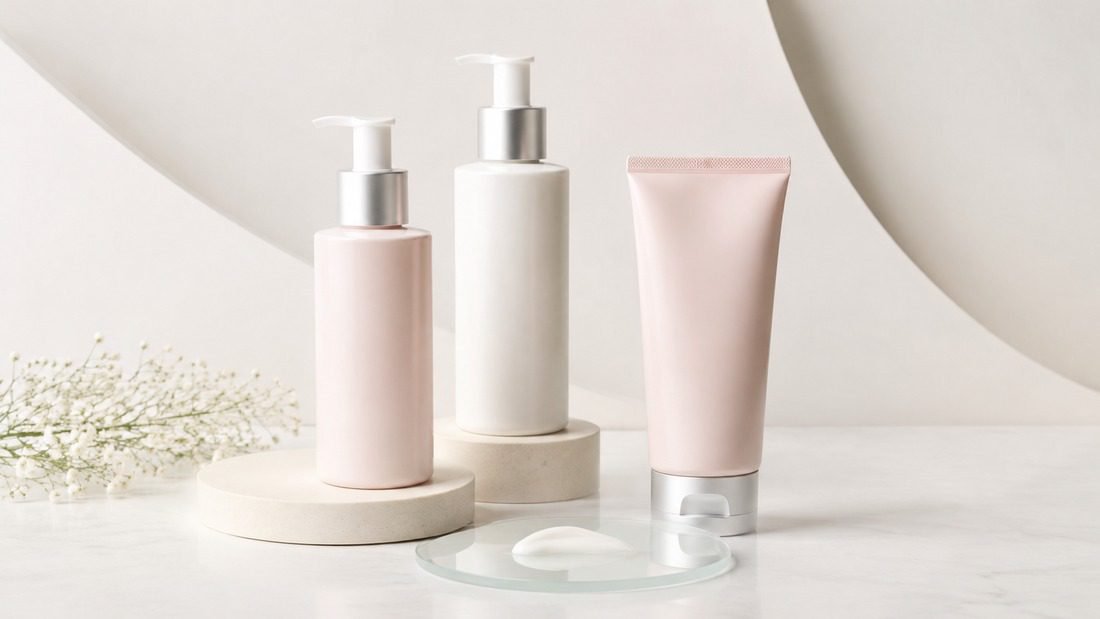
E-commerce shoppers can't touch or smell your cream before buying. Your packaging must convey quality, texture, and trust through visuals and structural design alone. A well-designed jar or pump can justify a premium price, while a flimsy container can trigger returns and negative reviews. For e-commerce sellers, packaging also needs to survive shipping without leaks or damage—a common pain point. cream lotion packaging branding ecommerce sellers isn't just about aesthetics; it's about protecting your product and building a memorable unboxing experience.
In 2026, sustainability and functionality are non-negotiable. Consumers expect recyclable or refillable options, and they judge brands by their environmental footprint. A thoughtful packaging design can reduce your carbon footprint and appeal to eco-conscious buyers. Moreover, compliance with international regulations (like the EU's CPNP or the US's MoCRA) affects your labeling and testing requirements. Overlooking these can lead to costly delays or fines.
Key Challenges in Cream & Lotion Packaging
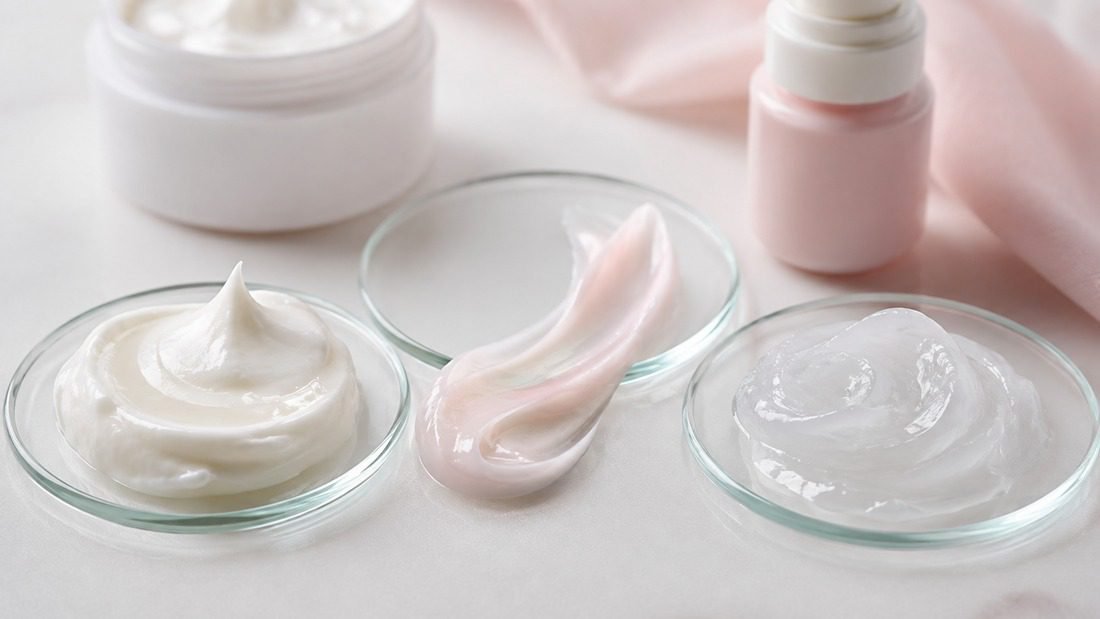
Creams and lotions are thick, often sensitive to light and air, and have specific viscosity and pH levels. Unlike serums or cleansers, they require robust packaging that prevents contamination and preserves formula integrity. Common issues include:
- Air exposure – oxidizes active ingredients, reducing efficacy.
- Leakage – during shipping, especially with pressure changes.
- Residue – leftover product in jars, leading to waste.
- Pump failures – airless pumps can clog or break.
These challenges demand careful selection of container type and closure. For example, airless pumps are ideal for high-end creams, but they cost more. A jar is economical but exposes the product to air every time it's opened. Understanding these trade-offs is crucial for cream lotion packaging branding ecommerce sellers.
Essential Elements of Effective Packaging
Here's what your packaging must achieve:
- Protection – Shielding from light, air, moisture, and contamination.
- Functionality – Easy dispensing, no mess, and adequate dosage.
- Compliance – Accurate labeling, safety warnings, and ingredient lists.
- Branding – Visual appeal, logo placement, and unboxing experience.
- Sustainability – Recyclable materials, minimal waste, and eco-friendly inks.
Material Options at a Glance
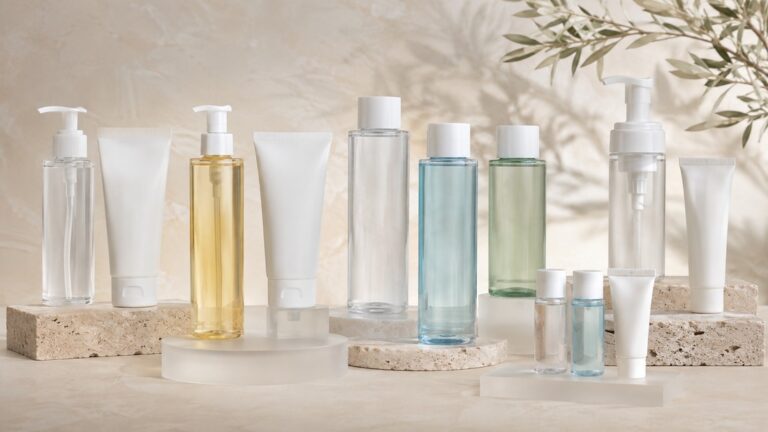
| Material | Pros | Cons | Best For |
|---|---|---|---|
| Glass | Premium feel, recyclable, inert | Heavy, breakable, higher cost | Luxury creams, serums |
| PET plastic | Light, clear, recyclable | Less premium, can react | Lotions, body creams |
| Airless pump (plastic) | Protects actives, precise dosing | More expensive, complex | High-end creams, serums |
| Aluminum | Light, recyclable, good barrier | Dents, limited shapes | Lotions, hand creams |
| Jar (glass/plastic) | Easy access, cost-effective | Air exposure, contamination risk | Thick creams, balms |
Choosing the right material depends on your formula's stability, your brand positioning, and your budget. For example, if you're using active ingredients like vitamin C, an airless pump is safer. If you're selling a budget-friendly lotion, a PET bottle with a flip-top cap might suffice.
2026 Trends in Cream & Lotion Packaging
Stay ahead with these emerging trends:
- Sustainable materials – Post-consumer recycled (PCR) plastic, glass, and bamboo caps are gaining traction.
- Refillable systems – Containers designed for reuse reduce waste and build loyalty.
- Airless technology – Extends shelf life and reduces preservatives.
- Minimalist design – Clean lines, muted colors, and bold typography signal premium quality.
- Smart packaging – QR codes for traceability, usage instructions, or augmented reality experiences.
For e-commerce sellers, these trends can also improve shipping efficiency. Lighter packaging cuts shipping costs, and modular designs reduce storage space. Keep an eye on consumer preferences; for instance, a 2025 survey by Grand View Research shows that 68% of consumers consider eco-friendly packaging important when buying skincare.
Practical Steps for E-commerce Sellers
Follow these steps to nail your packaging and branding:
- Define your brand story – Know your target audience and your unique selling proposition (USP). Are you a luxury organic brand or a budget-friendly everyday lotion? This guides every design decision.
- Select the right container – Based on your formula's viscosity, stability, and usage. Test different closures to ensure they work with your cream's texture.
- Design for e-commerce – Consider how your product looks on a screen. Use high-contrast colors, readable fonts, and clear product shots. Avoid text that's too small to read on a thumbnail.
- Plan for compliance – Research regulations in your target markets. In the EU, you need a CPNP notification; in the US, MoCRA requires facility registration and product listing. Labeling must include ingredients, net weight, and warnings.
- Prototype and test – Order samples and test for leakage, pump functionality, and shelf life. Ship a few to a friend to simulate real-world conditions.
- Source from a reliable supplier – Partner with an experienced manufacturer like Flavor Sources who offers packaging design and sample development services.
- Budget for minimum order quantities (MOQs) – Custom packaging often requires high MOQs. If you're a startup, consider stock packaging with custom labels to start.
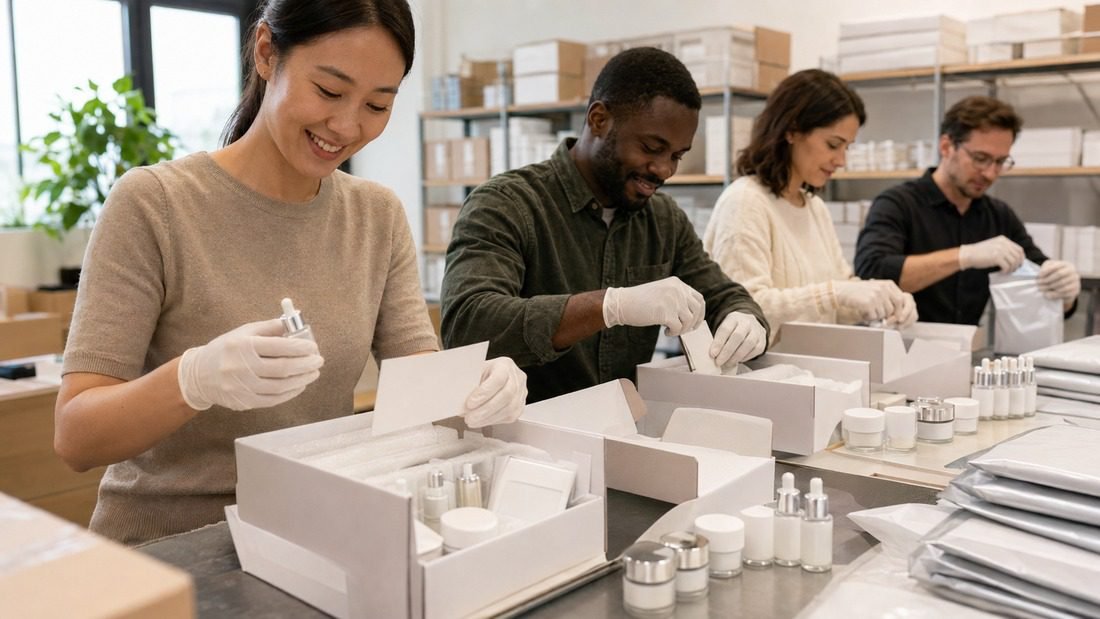
- Optimize for unboxing – Include branded tissue paper, a thank-you card, or a sample of another product to enhance the experience.
Remember, your packaging is an investment. A well-designed container can justify a higher price point and reduce returns.
Real-World Examples (UK, UAE, USA, Australia)
Let's look at how brands in different markets approach cream lotion packaging branding ecommerce sellers:
- UK: A natural skincare brand uses glass jars with bamboo lids and minimalistic labels. They highlight their cruelty-free and vegan status on the front, which resonates with their eco-conscious audience.
- UAE: A luxury brand uses gold-foil stamped labels and airless pumps to convey opulence. Their packaging is sturdy to withstand high temperatures during shipping.
- USA: A subscription box company uses recyclable PET bottles with vibrant, bold graphics. They include a QR code linking to a video tutorial on how to use the product.
- Australia: An organic brand uses PCR plastic tubes with a flip-top cap. They emphasize their sunscreen protection and water resistance, with clear labeling for compliance.
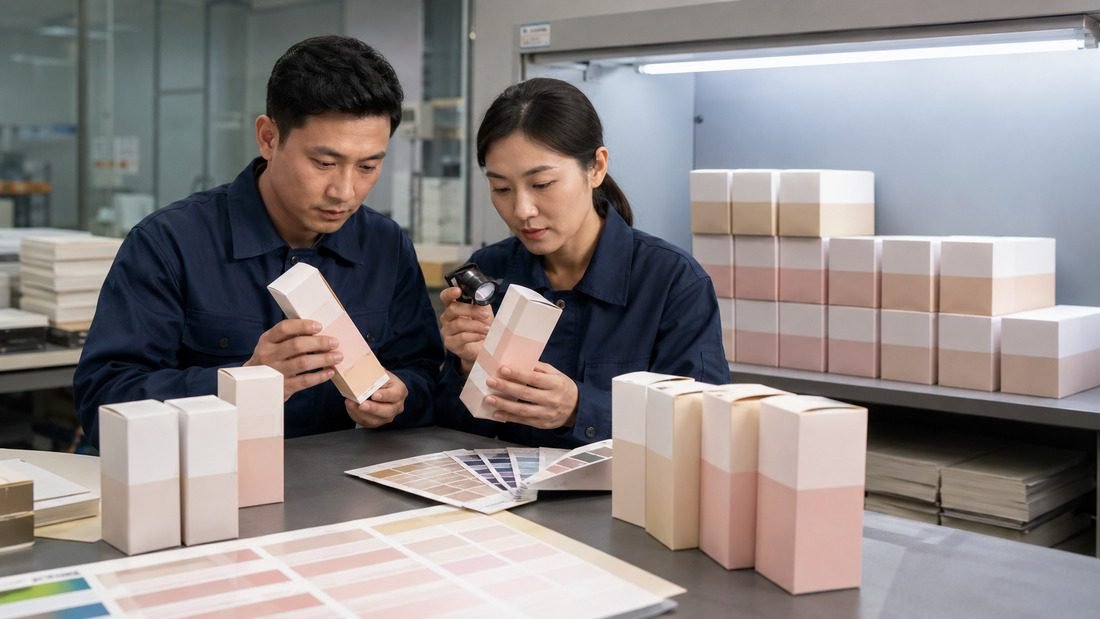
These examples show that packaging must align with local preferences and climate conditions. Always research your target market's cultural norms and shipping distances.
FAQ
Q: What is the most cost-effective packaging for a new cream brand?
A: PET plastic bottles with a simple pump or cap are affordable and work for many lotions. If you have a thicker cream, consider a jar or tube. Use stock packaging with custom labels to keep costs low initially.
Q: How do I ensure my packaging is compliant with regulations?
A: Work with a manufacturer who understands international regulations. For the EU, you need a CPNP notification; for the US, MoCRA requires facility registration and product listing. Your supplier should provide safety assessments and ingredient documentation.
Q: Should I use airless pumps for all creams?
A: Airless pumps are great for products with active ingredients that degrade in air or light. They also provide precise dosing and reduce waste. However, they're more expensive. For basic lotions, a regular pump or flip-top cap may suffice.
Q: How can I make my packaging sustainable without breaking the bank?
A: Start by using recyclable materials like PET or glass. Reduce packaging size to minimize waste. Consider a refillable system for future iterations. Also, use eco-friendly inks and labels. Many suppliers offer PCR plastic at a slightly higher cost.
Q: What are the common mistakes in cream packaging?
A: Overfilling containers, using incompatible materials (e.g., plastic that reacts with certain ingredients), poor label adhesion, and not testing for leakage. Always prototype and test before mass production.
Q: How do I choose between a jar and a pump?
A: Jars are easy to use and cost-effective but expose the product to air. Pumps are more hygienic and protect actives but may leave residue. Consider your formula's stability and your target audience's preferences.

 Scan to WhatsApp
About the Author
David Zhang has spent years in skincare formulation and quality control at Flavor Sources, a GMP ISO 22716-certified private label manufacturer based in Dongguan, China, serving brands in 50+ countries since 2000. Reach out to David's team for a custom formula consultation →
Get Started with Your Packaging Project
Ready to launch your cream or lotion with confidence? Download our free packaging checklist or request a sample to see the quality of our Cream & Lotion packaging options. Our team can guide you through design, compliance, and production. Request a sample or get a quote today.