Complete 2026 Guide: How Netherlands Distributors Source Private Label Cream & Lotion with Smart Packaging & Branding
For Netherlands distributors, sourcing private label cream lotion distributors the netherlands packaging branding means finding a manufacturer that delivers EU-compliant formulas, retail-ready packaging, and branding support—without middlemen. The right partner handles everything from sample development to bulk production, so you can focus on selling.
Table of Contents
- Why Sourcing Cream & Lotion in the Netherlands Is Different
- What “Private Label Cream & Lotion” Really Means for Distributors
- Packaging & Branding: The Deciding Factors for Dutch Retail
- How to Vet a Cream & Lotion Manufacturer in 2026
- Practical Steps for Dutch Distributors
- Case Examples: How Distributors Succeed
- Frequently Asked Questions
- What is the minimum order quantity for private label cream and lotion?
- How long does it take to develop a custom cream or lotion?
- Do I need a CPSR for selling in the Netherlands?
- Can I use sustainable packaging for cream and lotion?
- What branding support can I expect from a manufacturer?
- How do I ensure product quality consistency?
- Ready to Source Cream & Lotion for the Netherlands?
Why Sourcing Cream & Lotion in the Netherlands Is Different
Dutch distributors face a unique mix of high consumer expectations, strict EU regulations, and a competitive retail landscape. Unlike standard importers, you need products that meet Cosmetics Regulation (EC) No 1223/2009 and carry a Cosmetic Product Safety Report (CPSR).
Packaging must also comply with Dutch and EU waste directives, which increasingly favor recyclable or refillable formats. Meanwhile, your brand clients—from drugstore chains to online retailers—expect shelf-ready designs that appeal to eco-conscious shoppers.
This complexity means you cannot rely on generic suppliers. You need a manufacturing partner who understands the Dutch market's regulatory and aesthetic nuances. That is where a specialized OEM/ODM approach becomes essential.
What “Private Label Cream & Lotion” Really Means for Distributors
Private label means you sell products under your own brand, but a contract manufacturer produces them. For cream and lotion, this covers a wide range of viscosities—from light body lotions to rich face creams.
As a distributor, you may manage multiple brands or a single house brand. Your supplier must offer flexible minimum order quantities (MOQs), custom formulation, and packaging that reflects your brand identity.
Key terms to know:
| Term | Definition | Relevance to Distributors |
|---|---|---|
| OEM | Original Equipment Manufacturer: you provide the formula, they produce | Good if you have in-house R&D |
| ODM | Original Design Manufacturer: they offer ready formulas you can brand | Faster time-to-market |
| Private Label | You brand their stock or custom formula | Most common for distributors |
| CPSR | Cosmetic Product Safety Report (EU requirement) | Mandatory for EU sales |
| Airless Pump | Packaging that dispenses product without air contact | Preserves actives, reduces waste |
Understanding these terms helps you ask the right questions and avoid costly misunderstandings. For example, if you need a unique formula, choose Custom Formula rather than private label stock.
Packaging & Branding: The Deciding Factors for Dutch Retail
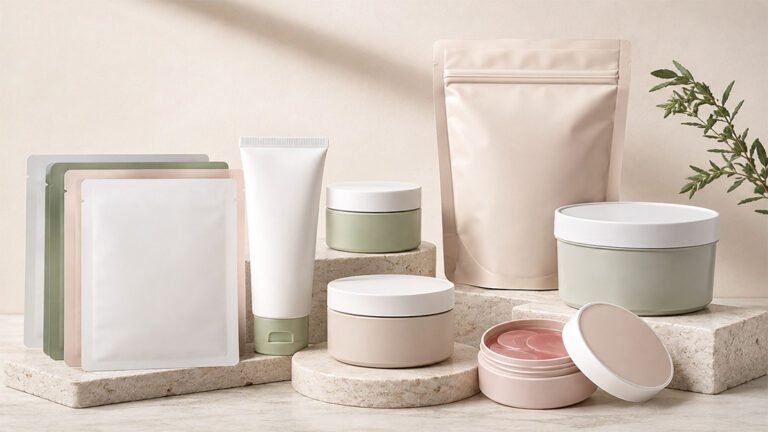
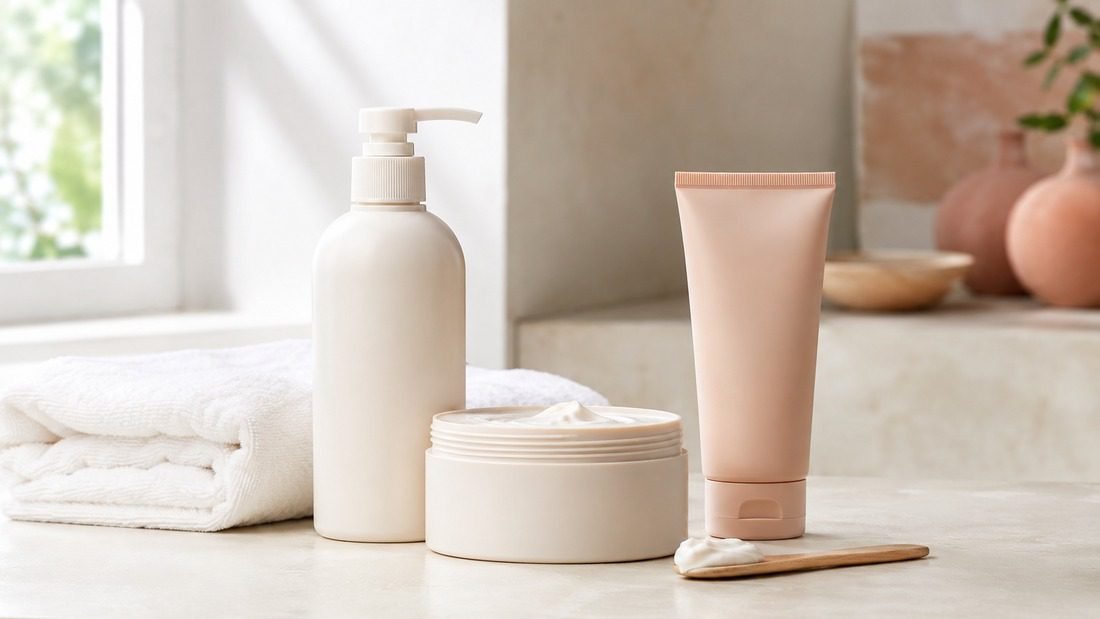
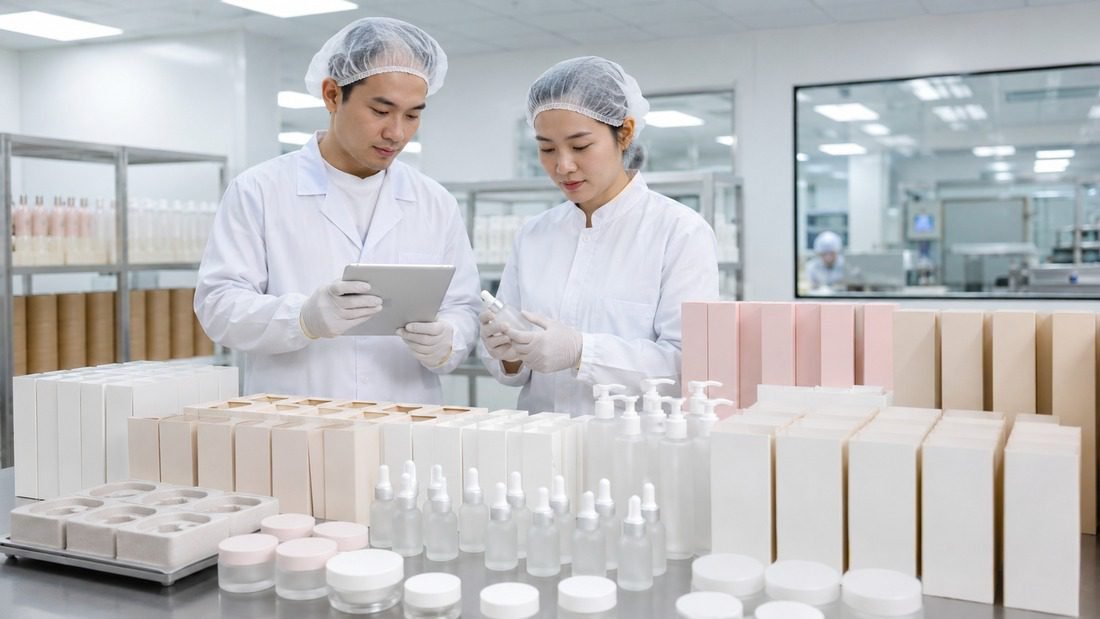
In the Netherlands, packaging is not just protection—it is a branding statement. Dutch consumers value minimalism, sustainability, and functionality. Your cream and lotion packaging should reflect these values.
Sustainable Packaging Options
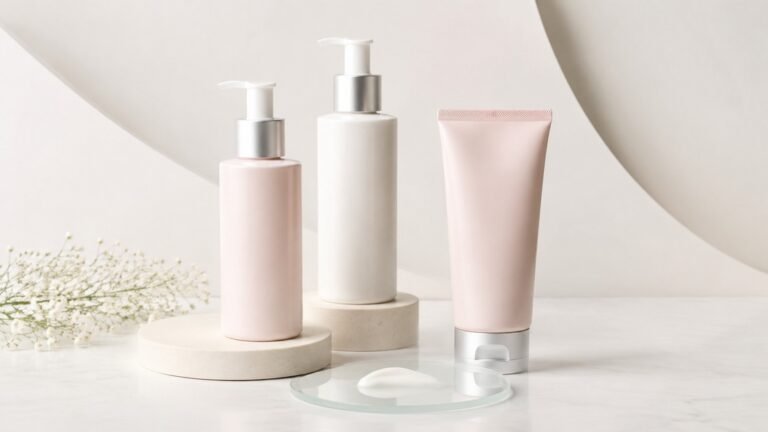
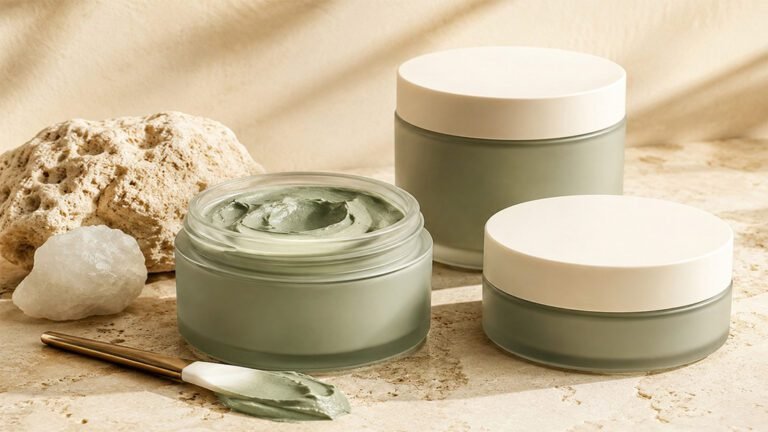
Look for refillable jars, mono-material tubes, and recycled PET bottles. Suppliers offering Packaging Design can help you select eco-friendly formats that still meet EU food-contact and cosmetic safety standards.
Airless Pump Systems
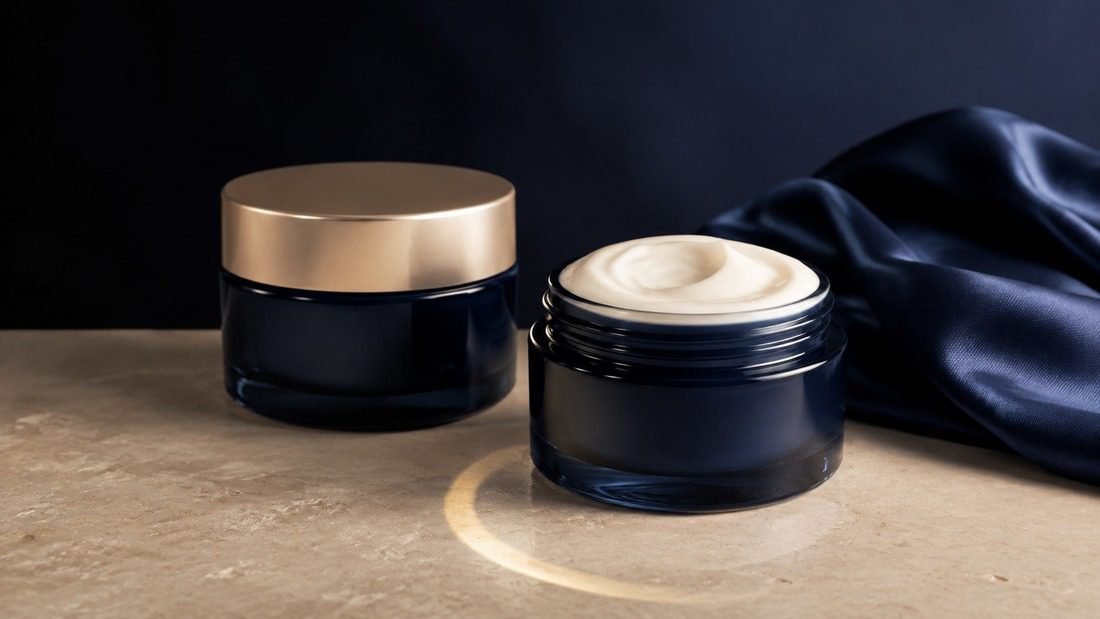
Airless pumps are increasingly popular for premium creams and serums. They protect sensitive ingredients like vitamin C or retinol from oxidation. They also allow precise dosing, which reduces product waste—a selling point for eco-conscious Dutch buyers.
Custom Bottle Design
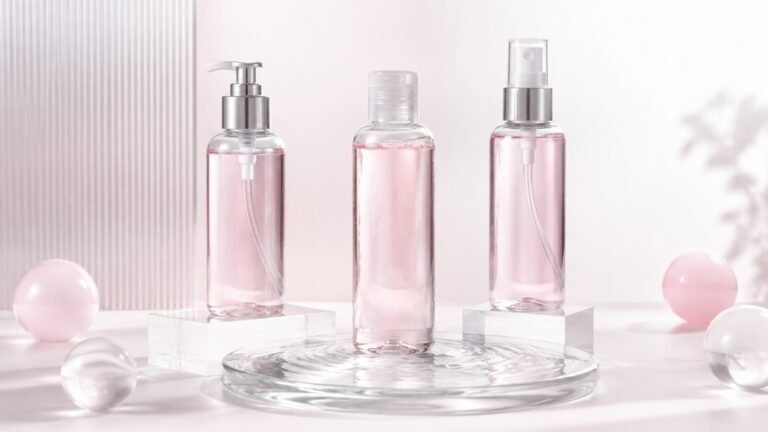
For lotions, custom bottle shapes and caps can differentiate your brand on shelf. Whether you want a sleek matte finish or a transparent look, your manufacturer should offer mold customization and decoration services like silk-screen printing or hot stamping.
Labeling & Compliance
EU labeling rules require the responsible person's address, batch code, PAO symbol, and full ingredient list (INCI). Your supplier must provide these elements in Dutch or a language easily understood by consumers. A reliable partner will handle label review to prevent fines or recalls.
When you source Cream & Lotion from a manufacturer experienced in EU exports, you get packaging that is both compliant and attractive. That reduces your risk and speeds up retail listing.
How to Vet a Cream & Lotion Manufacturer in 2026
Not all suppliers are equal. Use this checklist to evaluate potential partners:
- Certifications: Look for ISO 22716 (GMP), ISO 9001, and preferably ECOCERT or COSMOS for natural lines. Check Certificates for verified credentials.
- Regulatory Support: Can they provide a CPSR and assist with CPNP notification? This is non-negotiable for EU sales.
- Sampling Speed: Request samples of cream and lotion bases. A good partner offers Sample Development within 10–15 days.
- MOQ Flexibility: As a distributor, you may need smaller batches to test the market. Ask about MOQs for both formulas and packaging.
- Packaging Capabilities: Do they offer in-house design or partner with reliable packaging vendors? Look for Packaging Design support.
- Quality Control: Review their Quality Control processes. They should test viscosity, pH, and microbial stability for every batch.
- Export Experience: Have they shipped to the Netherlands or EU before? Ask for references or case studies. Export Support should include documentation and logistics.
- Communication: Responsive English-speaking project managers make the process smoother.
A manufacturer that scores well on these points will save you time and prevent compliance headaches. For distributors, the ideal partner is one that acts as an extension of your team.
Practical Steps for Dutch Distributors
Here is a step-by-step approach to sourcing cream and lotion:
- Define Your Market Position: Are you targeting budget drugstores or premium boutiques? This determines formula complexity and packaging quality.
- Request Samples: Order samples of base lotions and creams. Test texture, absorption, and scent. Consider Cream & Lotion as a starting point.
- Validate Compliance: Ask for a sample CPSR and check that the manufacturer can register your products on CPNP.
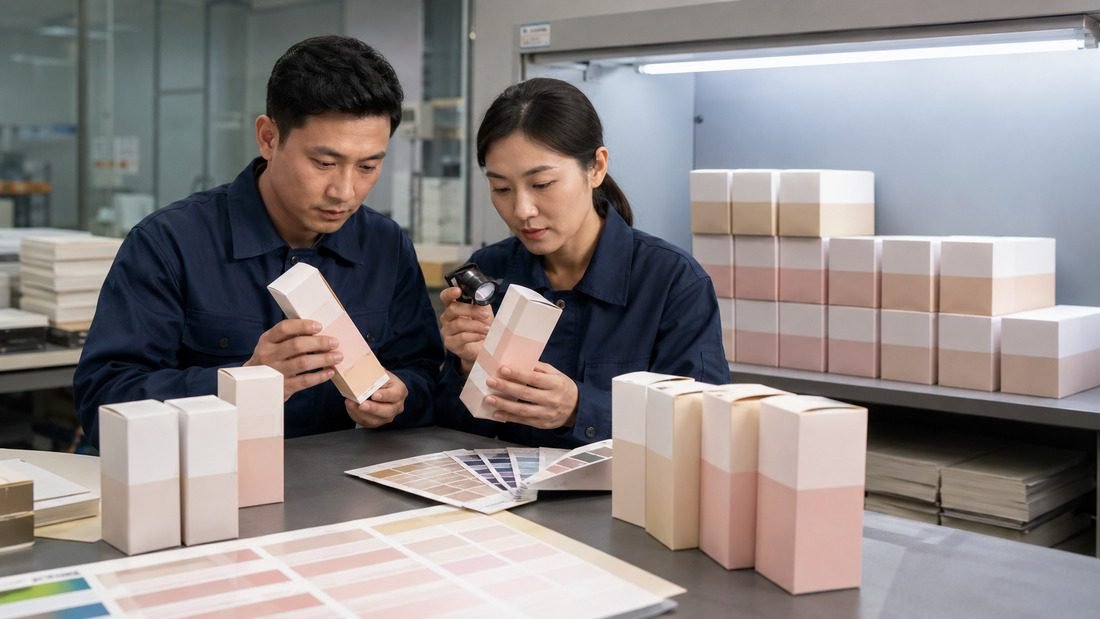
- Design Packaging: Work with your supplier's design team to create labels and choose containers. Opt for sustainable materials if your brand story includes eco-friendliness.
- Pilot Production: Start with a small batch to test the market. Use feedback to refine formula or packaging.
- Scale Up: Once validated, move to Bulk Production with consistent quality.
Throughout this process, maintain open communication. A good manufacturer will guide you on timelines, costs, and potential pitfalls.
Case Examples: How Distributors Succeed
While we cannot name specific clients, we can share anonymized examples from various markets:
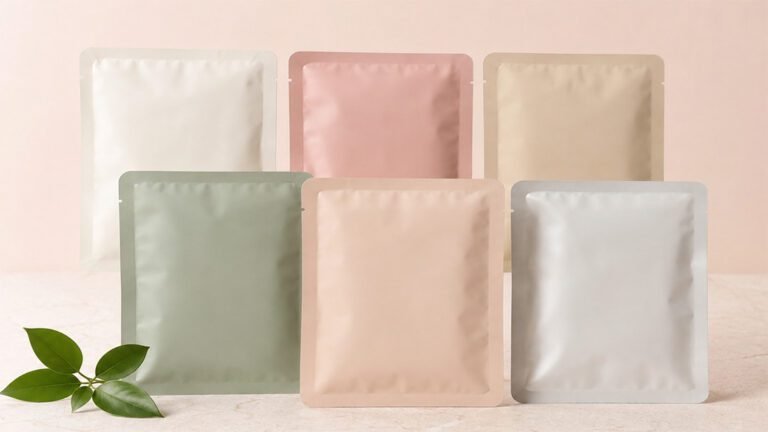
- United Kingdom: A distributor launched a private label body lotion line with refillable pouches. The sustainable packaging helped them secure listings in two major health retailers.
- UAE: A distributor used airless pump jars for a luxury face cream. The packaging preserved a retinol formula and commanded a premium price.
- United States: An e-commerce distributor tested three lotion textures via small-batch samples. They scaled the winning formula into a full line within six months.
- Australia: A spa distributor co-branded a cream with a local influencer, using custom tube design and a QR code for refill instructions.
These examples show that success comes from aligning formula, packaging, and branding with local market preferences. For Dutch distributors, emphasizing sustainability and clean labeling is key.
If you are ready to explore options, you can Request Sample to evaluate quality firsthand.
Frequently Asked Questions
What is the minimum order quantity for private label cream and lotion?
MOQs vary by manufacturer and packaging. Typically, you can start with 1,000–3,000 units per SKU. Some suppliers offer lower MOQs for initial trials. Always clarify MOQ for both formula and packaging components.
How long does it take to develop a custom cream or lotion?
Sample development usually takes 10–15 days. After approval, bulk production can take 25–35 days, depending on packaging availability. Add time for shipping to the Netherlands, which may be 20–30 days by sea.
Do I need a CPSR for selling in the Netherlands?
Yes. Under EU Regulation 1223/2009, every cosmetic product must have a Cosmetic Product Safety Report before it can be placed on the market. Your manufacturer should provide this or connect you with a certified safety assessor.
Can I use sustainable packaging for cream and lotion?
Absolutely. Options include refillable jars, recycled PET bottles, and mono-material tubes. Ensure the packaging meets EU food-contact and cosmetic safety standards. Your supplier can advise on compatible formats.
What branding support can I expect from a manufacturer?
Many OEM/ODM manufacturers offer label design, logo placement, and even full branding consultation. Look for partners with in-house Packaging Design services to streamline the process.
How do I ensure product quality consistency?
Choose a manufacturer with ISO 22716 GMP certification and robust quality control. They should test every batch for viscosity, pH, and microbial contamination. Ask for certificates of analysis (CoA) for each shipment.

 Scan to WhatsApp
About the Author
David Zhang has spent years in skincare formulation and quality control at Flavor Sources, a GMP ISO 22716-certified private label manufacturer based in Dongguan, China, serving brands in 50+ countries since 2000. Reach out to David's team for a custom formula consultation →
Ready to Source Cream & Lotion for the Netherlands?
Sourcing private label cream and lotion does not have to be overwhelming. With the right manufacturing partner, you can navigate EU compliance, design standout packaging, and build a brand that Dutch consumers trust.
Whether you need a custom formula, sustainable packaging, or full branding support, a reliable OEM/ODM partner can deliver. To discuss your requirements and get a tailored quote, Get a Quote today. Or if you prefer to evaluate quality first, Request Sample to start your product journey.
With careful planning and the right partner, your cream and lotion line can succeed in the competitive Dutch market. Take the first step now.