The Complete 2028 Guide to Private Label Serum Importers Japan Lead Time & Logistics
For importers, mastering private label serum importers japan lead time logistics is critical to avoid stockouts and ensure smooth market entry. Typically, total lead time ranges from 45 to 90 days, including sample development (7–14 days), bulk production (30–45 days), and shipping (10–30 days). Understanding each phase helps you plan orders confidently and maintain a competitive edge in Japan's demanding beauty market.
Table of Contents
- Why Lead Time and Logistics Matter for Serum Importers in Japan
- Key Phases of Serum Lead Time and Logistics
- Comparison of Shipping Methods for Serum to Japan
- Practical Tips to Optimize Lead Time and Logistics
- Case Examples: How Importers Navigate Lead Time
- Frequently Asked Questions (FAQ)
- 1. What is the typical lead time for private label serum orders from Japan?
- 2. How can I reduce serum lead time?
- 3. What shipping method is best for serum to Japan?
- 4. What compliance documents are required for serum imports to Japan?
- 5. Can I get samples before placing a bulk order?
- 6. How does Flavor Sources support importers with lead time and logistics?
- Ready to Streamline Your Serum Supply Chain?
Why Lead Time and Logistics Matter for Serum Importers in Japan
Japan is the world's third-largest beauty market, with a strong demand for high-quality serums. However, its stringent regulations and high consumer expectations mean importers must carefully manage lead time and logistics. Delays can lead to lost sales, while poor logistics can damage product integrity. This guide defines the key stages and offers actionable strategies for 2028.
Key Phases of Serum Lead Time and Logistics
Sample Development and Approval
Before mass production, you need a sample that meets Japanese standards. Serum sample development time usually takes 7–14 days, depending on formula complexity. This phase includes formulation, testing, and client approval. For custom formulas, it may take longer. Use this period to finalize packaging and labeling.
Bulk Production Timeline
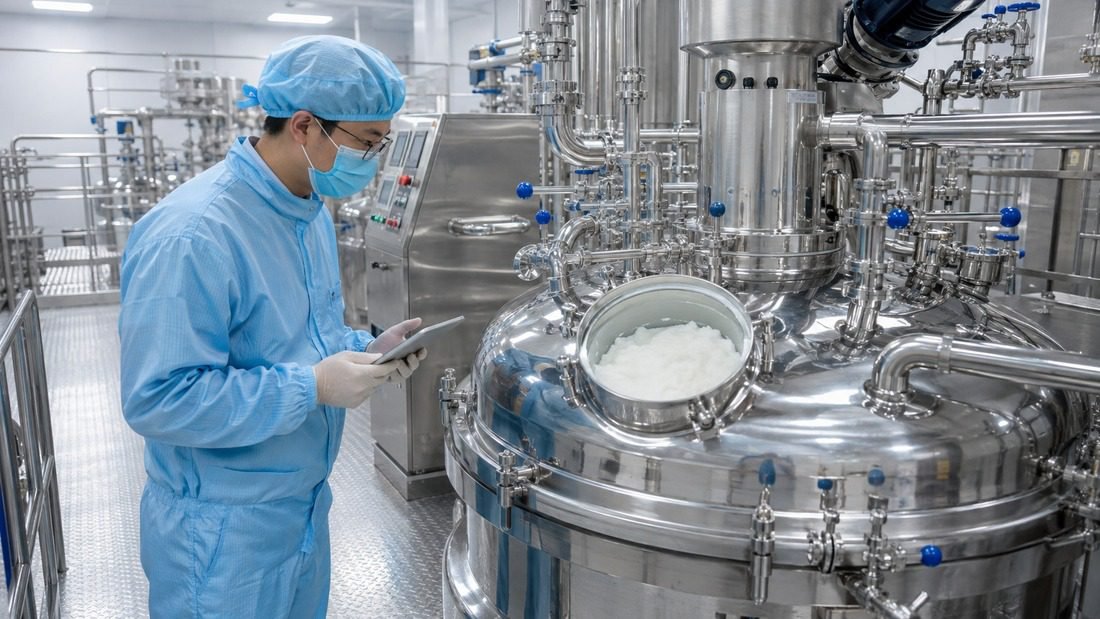
Once samples are approved, bulk production begins. For a standard order (e.g., 5,000–10,000 units), serum production timeline is 30–45 days. This includes sourcing raw materials, compounding, filling, and quality control. If you need custom packaging, add 10–15 days. Always confirm the schedule with your manufacturer.
Shipping and International Freight
Serum export shipping from China (or other manufacturing hubs) to Japan typically takes 10–30 days, depending on the mode. Air freight is faster (3–7 days) but costlier, while sea freight is economical (14–30 days) but slower. For serum international freight skincare, consider temperature-controlled options if the formula is heat-sensitive. Customs clearance in Japan can add 2–5 days.
Customs and Compliance
Japan requires compliance with the Pharmaceutical and Medical Device Act (PMD Act) for cosmetics. Ensure your manufacturer provides necessary documentation, such as Certificate of Free Sale and Ingredient Safety Data. Working with an experienced export support team can streamline this process.
Comparison of Shipping Methods for Serum to Japan
| Method | Transit Time | Cost | Best For |
|---|---|---|---|
| Air Freight | 3–7 days | High | Urgent, small batches |
| Sea Freight (LCL) | 14–21 days | Medium | Medium batches, cost-sensitive |
| Sea Freight (FCL) | 18–30 days | Low | Large batches, non-urgent |
| Express Courier | 2–5 days | Very High | Samples, small urgent orders |
Practical Tips to Optimize Lead Time and Logistics
- Plan Ahead: Start sample development at least 3 months before your desired launch.
- Choose the Right Manufacturer: Look for a partner with experience in Japan exports and a reliable production process.
- Leverage Certificates: Ensure your manufacturer holds ISO 22716 and other relevant certificates to ease customs.
- Consolidate Shipments: Combine multiple SKUs to reduce freight costs.
- Use Tracking: Implement real-time tracking to monitor your shipment.
Case Examples: How Importers Navigate Lead Time
A UK-based importer of private label serums reduced lead time by 20% by switching to a manufacturer with in-house testing and inspection. They also used sea freight for bulk orders, saving 30% on logistics. In the UAE, an importer faced delays due to incomplete documentation; after partnering with a manufacturer offering export support, customs clearance improved by 50%. For US and Australian importers, air freight for initial launches ensured quick market entry, while subsequent orders used sea freight for cost efficiency.
Frequently Asked Questions (FAQ)
1. What is the typical lead time for private label serum orders from Japan?
Total lead time is usually 45–90 days, including sample development, production, and shipping. However, this can vary based on order size and customization.
2. How can I reduce serum lead time?
Choose a manufacturer with efficient production processes, pre-approve samples quickly, and consider air freight for urgent orders. Also, ensure all documentation is ready to avoid customs delays.
3. What shipping method is best for serum to Japan?
For urgent, small orders, air freight or express courier is best. For larger orders, sea freight (LCL or FCL) is more cost-effective. Consider temperature-controlled options if needed.
4. What compliance documents are required for serum imports to Japan?
You need a Certificate of Free Sale, ingredient list, safety data sheets, and compliance with PMD Act. Your manufacturer should provide these.
5. Can I get samples before placing a bulk order?
Yes, most manufacturers offer sample development services. Sample development time is typically 7–14 days.
6. How does Flavor Sources support importers with lead time and logistics?
Flavor Sources offers end-to-end support, from sample development to bulk production and export support. We ensure timely delivery and compliance with Japanese regulations.

 Scan to WhatsApp
About the Author
David Zhang has spent years in skincare formulation and quality control at Flavor Sources, a GMP ISO 22716-certified private label manufacturer based in Dongguan, China, serving brands in 50+ countries since 2000. Reach out to David's team for a custom formula consultation →
Ready to Streamline Your Serum Supply Chain?
Don't let lead time and logistics hinder your success in Japan. Partner with Flavor Sources for reliable private label serum manufacturing. Request a sample or get a quote today to discuss your needs. Our team will help you navigate every step, ensuring your serum reaches the Japanese market efficiently.