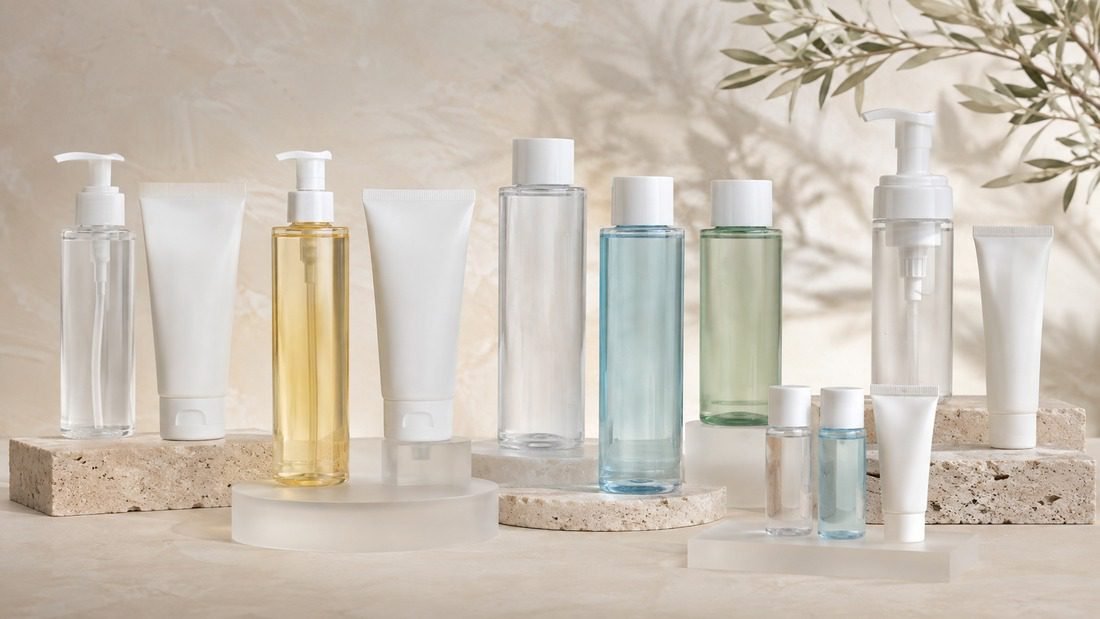
Ultimate 2026 Guide: Cleanser Toner vs Micellar Water Quality Control Compared
When choosing between cleanser toner vs micellar water quality control, the decisive factor for B2B buyers is not marketing appeal but manufacturing consistency, preservative efficacy, and stability under real-world conditions. For 2026, a robust QC framework—covering pH, microbial limits, and packaging compatibility—will determine whether your private label line succeeds in the UK, UAE, or US markets. This guide breaks down the essential QC differences to help you source with confidence.
Table of Contents
- Why Quality Control Defines the Cleanser Toner vs Micellar Water Decision
- Understanding the Core QC Metrics for Both Formats
- Practical QC Recommendations for Sourcing in 2026
- Case Evidence: QC Success in Real Markets
- Frequently Asked Questions
- 1. Which format is easier to quality control: cleanser toner or micellar water?
- 2. What stability tests should I require for micellar water?
- 3. How does packaging affect QC for these formats?
- 4. Are there regulatory differences in the EU or US?
- 5. Can I source both formats from one OEM?
- 6. What is the typical MOQ for private label cleanser & toner?
- Ready to Source with Confidence?
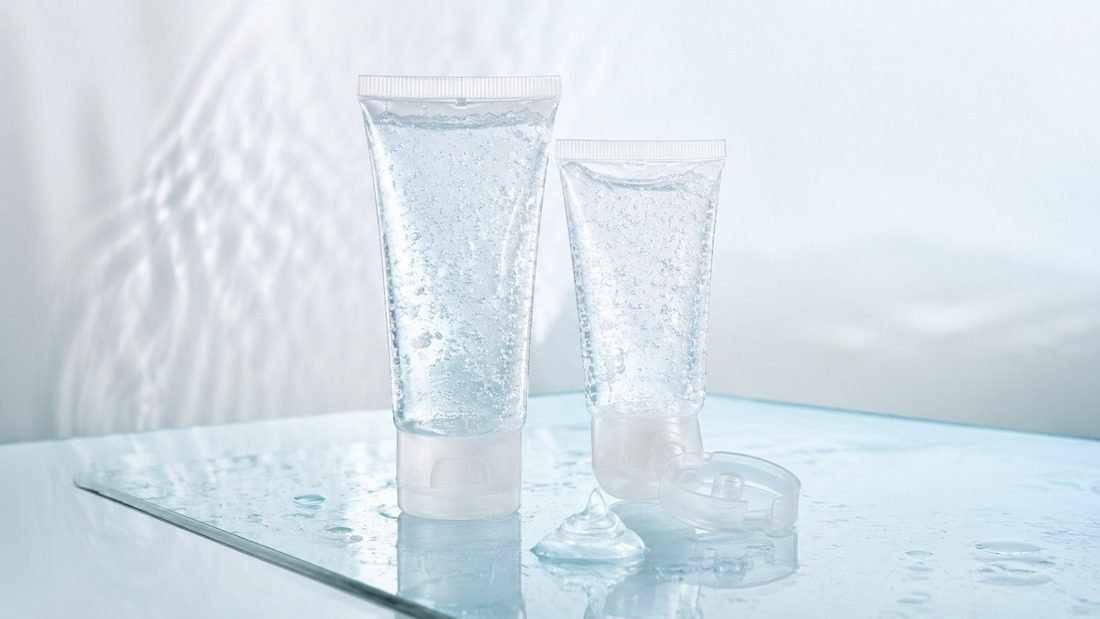
Why Quality Control Defines the Cleanser Toner vs Micellar Water Decision
Formulators and brand owners often debate which format—traditional cleanser and toner or micellar water—delivers better consumer outcomes. Yet the more critical question for OEM/ODM buyers is: which format offers more predictable quality control? Micellar water, with its high surfactant content and clear appearance, demands stringent micro-emulsion stability testing. Cleanser and toner systems, often thicker and opaque, require different preservation strategies. Without a rigorous QC protocol, both can fail in transport or on shelf. This article provides a definitive comparison of QC parameters, helping you align your sourcing strategy with regulatory and commercial realities.
Understanding the Core QC Metrics for Both Formats
Key Definitions: Cleanser & Toner vs Micellar Water
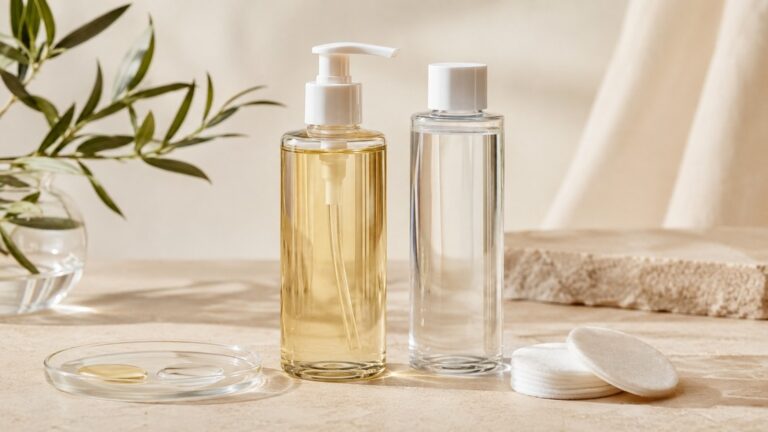
A cleanser & toner system typically combines a surfactant-based cleansing phase with a toner that adjusts pH and removes residue. Micellar water is a clear, low-viscosity solution of micelles—surfactant aggregates—that trap impurities without rinsing. From a QC perspective, the former often includes oils or humectants that can separate, while the latter is a transparent micro-emulsion prone to clouding if surfactant balance shifts.
Critical Quality Control Parameters
| Parameter | Cleanser & Toner | Micellar Water |
|---|---|---|
| pH range | 4.5–6.5 (toner) | 5.0–7.0 |
| Microbial limits | <100 CFU/g | <100 CFU/g |
| Preservative efficacy | Challenge test per ISO 11930 | Challenge test per ISO 11930 |
| Stability concerns | Phase separation, viscosity drift | Cloudiness, micelle size change |
| Packaging compatibility | Pump or flip-top; avoid reactive liners | PET or glass; avoid leaching |
Both formats must meet ISO 11930 for preservative efficacy and ISO 22716 for GMP. However, micellar water’s high water activity increases microbial risk, demanding more frequent bioburden testing during bulk production. Cleanser & toner systems, especially those with natural oils, require accelerated stability testing at 40°C/75% RH for 12 weeks.
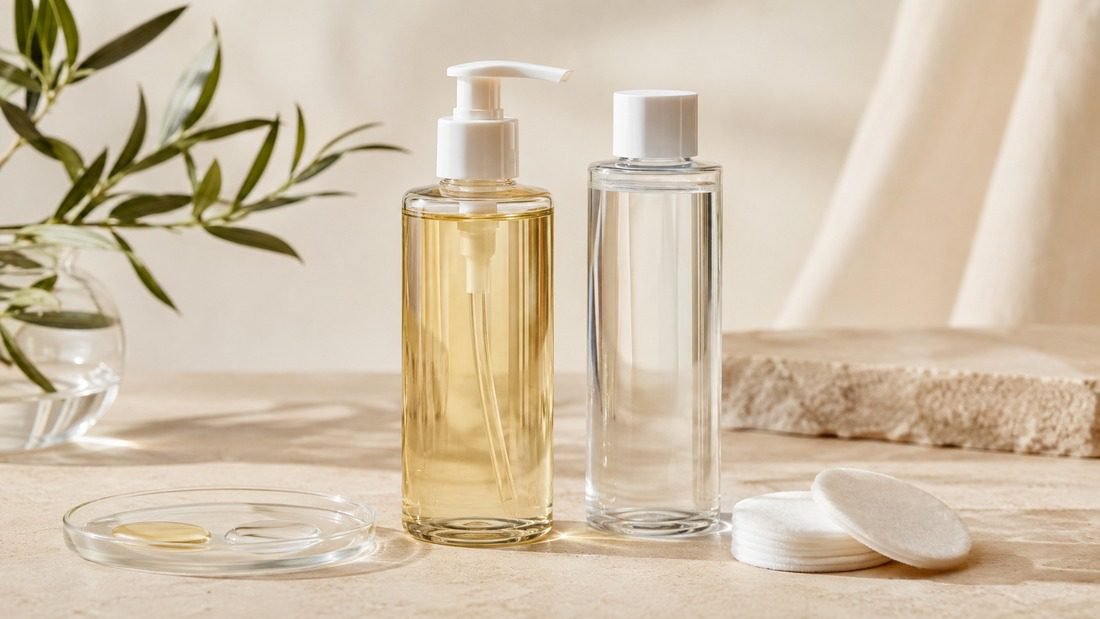
Practical QC Recommendations for Sourcing in 2026
When evaluating suppliers for cleanser toner vs micellar water quality control, request batch-specific certificates of analysis (CoA) covering pH, viscosity, and microbial counts. For micellar water, insist on particle size analysis to confirm micelle uniformity. For cleanser & toner, ask for phase separation tests after three freeze-thaw cycles. Also verify that the manufacturer follows ISO 22716 and can provide challenge test summaries. In the EU, CPSR compliance is mandatory; in the US, MoCRA now requires adverse event reporting. A supplier with robust Quality Control processes will readily share these documents. For startups, consider Sample Development to pilot both formats before committing to bulk.
Case Evidence: QC Success in Real Markets
A UK-based indie brand launched a micellar water and a cleanser & toner duo. After six months, the micellar water showed clouding in 2% of units stored at 30°C, traced to insufficient micelle stability. The supplier’s revised QC added a 12-week accelerated test, resolving the issue. In the UAE, a distributor required both formats to pass 45°C stability for 8 weeks; only the cleanser & toner passed without phase separation, leading to a reformulation of the micellar water. In Australia, a spa chain mandated ISO 11930 challenge tests for both; the cleanser & toner passed with a milder preservative system, reducing irritation complaints. These cases underscore that QC rigor, not format alone, determines market fit. For more examples, see Case Studies.
Frequently Asked Questions
1. Which format is easier to quality control: cleanser toner or micellar water?
Cleanser & toner often has more forgiving preservation due to lower water activity, but it can suffer phase separation. Micellar water requires tighter micelle stability control. Both need ISO 11930 challenge tests.
2. What stability tests should I require for micellar water?
Request accelerated stability at 40°C/75% RH for 12 weeks, plus freeze-thaw cycles. Particle size analysis ensures micelle uniformity.
3. How does packaging affect QC for these formats?
Micellar water can leach plasticizers from some PET bottles, altering clarity. Cleanser & toner may react with certain pump components. Always run compatibility tests.
4. Are there regulatory differences in the EU or US?
Yes. EU requires CPSR for both. US MoCRA mandates facility registration and adverse event reporting. Ensure your supplier complies.
5. Can I source both formats from one OEM?
Yes, many OEMs like Flavor Sources offer both under Private Label Skincare. Verify their QC capabilities for each.
6. What is the typical MOQ for private label cleanser & toner?
MOQs vary; some suppliers start at 1,000 units. Discuss with your manufacturer during Sample Development.

 Scan to WhatsApp
About the Author
David Zhang has spent years in skincare formulation and quality control at Flavor Sources, a GMP ISO 22716-certified private label manufacturer based in Dongguan, China, serving brands in 50+ countries since 2000. Reach out to David's team for a custom formula consultation →
Ready to Source with Confidence?
Choosing between cleanser toner vs micellar water quality control need not be a gamble. Partner with a manufacturer that prioritizes rigorous testing and transparency. Flavor Sources offers comprehensive QC documentation, ISO 22716 certification, and end-to-end support. To evaluate both formats for your market, request a sample or get a quote today. Our team will guide you through stability testing, preservative efficacy, and packaging compatibility to ensure your 2026 launch meets the highest standards.