Complete 2026 Guide: Cleanser & Toner Cost & MOQ for E-commerce Sellers
What Is the Real Cleanser Toner Cost MOQ for E-commerce Sellers in 2026?
For e-commerce sellers, the cleanser toner cost moq ecommerce sellers face in 2026 typically ranges from $3 to $12 per unit (FOB) with minimum order quantities (MOQs) between 500 and 5,000 pieces per SKU. However, these figures vary significantly based on formulation, packaging, and supplier location. This guide breaks down every cost component, explains MOQ dynamics, and provides actionable steps to optimize your budget. Read on to make informed sourcing decisions.
Table of Contents
- What Is the Real Cleanser Toner Cost MOQ for E-commerce Sellers in 2026?
- Why Cost and MOQ Matter More Than Ever for E-commerce Sellers
- Breaking Down Cleanser & Toner Manufacturing Costs
- How MOQ Affects Your Unit Price
- Practical Tips to Optimize Your Cleanser Toner Cost MOQ Strategy
- Real-World Examples: How Sellers Navigate MOQ and Cost
- Frequently Asked Questions
- Ready to Source Your Cleanser and Toner?
Why Cost and MOQ Matter More Than Ever for E-commerce Sellers
In the competitive skincare market, understanding cleanser toner cost moq ecommerce sellers must plan for is crucial. High MOQs can tie up cash flow, while underestimating costs can destroy margins. As a private label manufacturer, we see many DTC brands fail because they overlook hidden expenses like stability testing, packaging artwork, and logistics. Knowing the true cost structure helps you price products profitably and negotiate better terms.

Breaking Down Cleanser & Toner Manufacturing Costs
Formulation Costs
Your formula is the biggest cost driver. Standard formulations (e.g., basic foaming cleanser) cost less than specialized ones (e.g., pH-balanced toner with botanical extracts). Expect to pay:
- Standard formula: $2–$5 per kg
- Premium formula (with active ingredients): $8–$15 per kg
Packaging Costs
Packaging can account for 30–50% of total product cost. Options include:
- Plastic bottles: $0.30–$0.80 per unit
- Glass bottles: $0.80–$2.50 per unit
- Pumps/ caps: $0.20–$0.60 per unit
Filling & Labor
Filling and labor add $0.20–$0.50 per unit, depending on automation and order volume.
Compliance & Testing
Safety assessments and stability tests cost $500–$2,000 per formula, depending on market (e.g., EU CPSR, FDA MoCRA). These are often one-time costs but essential for market entry.
| Cost Component | Typical Range (USD) | Notes |
|---|---|---|
| Formulation (per kg) | $2 – $15 | Depends on ingredients |
| Packaging (per unit) | $0.30 – $2.50 | Glass vs. plastic |
| Filling & labor (per unit) | $0.20 – $0.50 | Volume-dependent |
| Compliance testing (per formula) | $500 – $2,000 | One-time, market-specific |
| Total per unit (FOB) | $3 – $12 | For 500–5,000 MOQ |
How MOQ Affects Your Unit Price
MOQ is the minimum quantity a manufacturer will produce per SKU. Lower MOQs (e.g., 500 units) often mean higher per-unit costs because setup, labeling, and tooling are amortized over fewer units. Conversely, higher MOQs (e.g., 5,000) reduce per-unit costs but increase inventory risk. For e-commerce sellers, balancing MOQ with cash flow is key. Many suppliers now offer cleanser & toner small batch private label with MOQs as low as 500 pieces, ideal for testing new products.
Practical Tips to Optimize Your Cleanser Toner Cost MOQ Strategy
- Start with a smaller MOQ: Test the market with a 500–1,000 unit batch. Use sales data to forecast before committing to larger runs.
- Simplify packaging: Choose stock bottles and standard caps to reduce tooling costs and MOQ.
- Bundle products: Combine cleanser and toner in one SKU to spread fixed costs.
- Negotiate tiered pricing: Ask for price breaks at 1,000, 3,000, and 5,000 units.
- Work with a flexible manufacturer: Find a partner like Flavor Sources that offers low MOQs and scalable production. Our Cleanser & Toner line supports MOQs starting at 500 pieces per SKU.
Real-World Examples: How Sellers Navigate MOQ and Cost
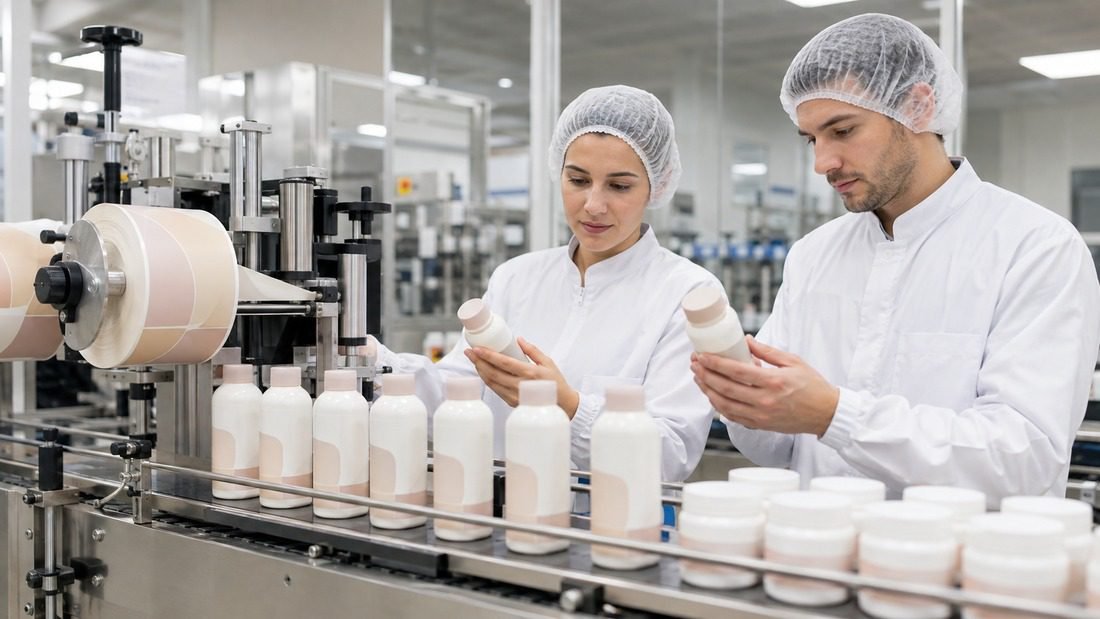
In the UK, a startup skincare brand launched a 500-unit cleanser and toner set with a custom formula. By using stock packaging and a simple two-ingredient formula, they kept unit costs under $6, allowing them to test market demand without overspending. A US e-commerce seller scaled from 1,000 to 10,000 units over six months, reducing unit cost by 25% through volume discounts and packaging optimization. These examples show that strategic planning with a reliable Cleanser & Toner supplier can yield significant savings.
Frequently Asked Questions
What is a typical MOQ for private label cleansers and toners?
Most manufacturers require a cleanser & toner minimum order quantity of 1,000–3,000 units, but some, like Flavor Sources, offer MOQs as low as 500 pieces for small batch private label.
How can I reduce the unit cost of my cleanser or toner?
Increase order volume, simplify packaging, and choose a standard formula. Also, consider bundling with other products to share setup costs.
Are there hidden costs I should be aware of?
Yes, include compliance testing (e.g., CPSR or MoCRA), artwork design, and shipping. These can add $1–$3 per unit initially.
Can I get a lower MOQ for a custom formula?
Custom formulas usually require higher MOQs because of additional development and testing. However, some manufacturers offer flexible MOQs for custom blends if you agree to a higher per-unit price.

 Scan to WhatsApp
About the Author
David Zhang has spent years in skincare formulation and quality control at Flavor Sources, a GMP ISO 22716-certified private label manufacturer based in Dongguan, China, serving brands in 50+ countries since 2000. Reach out to David's team for a custom formula consultation →
Ready to Source Your Cleanser and Toner?
Planning your cleanser toner cost moq ecommerce sellers strategy is easier with the right partner. At Flavor Sources, we offer low MOQs, transparent pricing, and full export support to help you launch globally. Request a sample today or get a quote to see how we can fit your budget.