Serum Packaging & Branding for Importers: 2027 Complete Guide to Reliable Sourcing
For importers, successful serum packaging branding importers strategies in 2027 hinge on choosing the right packaging format and a reliable OEM/ODM partner. This guide breaks down the essentials: from airless pumps to sustainable materials, and from branding tactics to sourcing tips. You'll learn how to navigate regulations, avoid common pitfalls, and secure high-quality serum packaging that resonates with consumers. Whether you're new to importing or scaling up, this breakdown provides actionable insights to streamline your next serum project.
Table of Contents
- What Are the Key Challenges in Serum Packaging Branding for Importers?
- Serum Packaging Formats: A Comparative Overview
- Branding Strategies for Serum Packaging
- Practical Tips for Sourcing Serum Packaging and Branding
- Case Studies: Successful Serum Packaging in Key Markets
- Frequently Asked Questions (FAQ)
- Ready to Elevate Your Serum Line?
What Are the Key Challenges in Serum Packaging Branding for Importers?
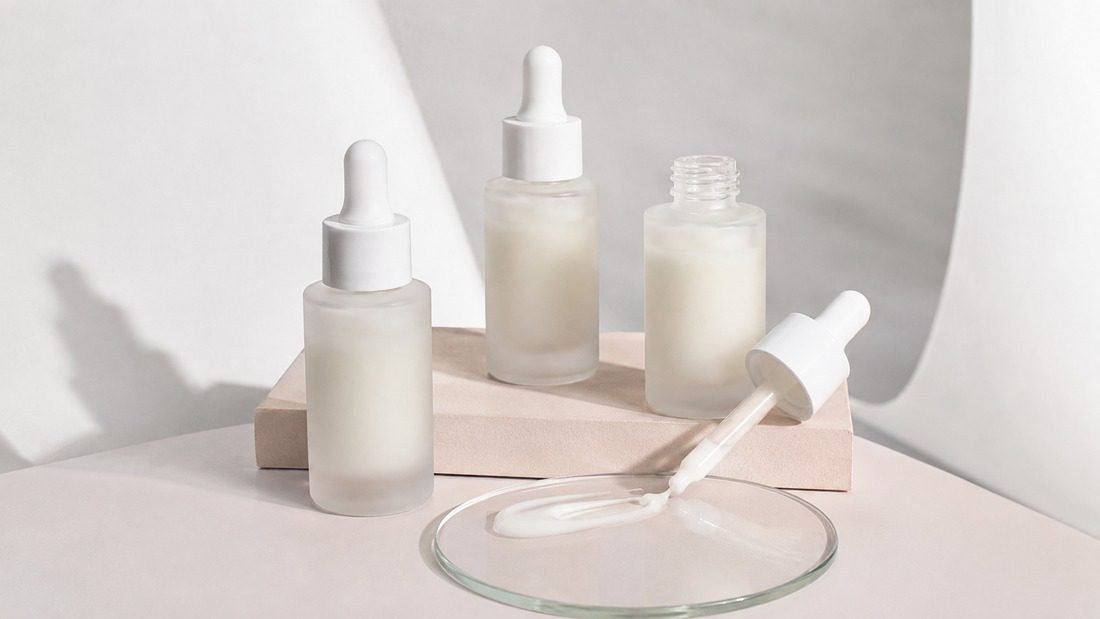
Importers face unique hurdles when bringing serums to market. Packaging must protect delicate formulas, comply with diverse regulations, and appeal to local consumers—all while staying within budget. Common pain points include: choosing between airless pumps and droppers, ensuring compatibility between formula and container, meeting sustainability demands, and navigating labeling laws across regions. Additionally, branding must stand out in a crowded market. Without expert guidance, importers risk costly mistakes like leakage, oxidation, or regulatory rejection. This section explores these challenges and sets the stage for practical solutions.
Serum Packaging Formats: A Comparative Overview
Choosing the right packaging format is critical for serum preservation and user experience. Below is a comparison of popular options.
| Format | Pros | Cons | Best For |
|---|---|---|---|
| Airless Pump | Preserves actives, hygienic, precise dose | Higher cost, complex filling | High-end anti-aging serums |
| Dropper Bottle | Classic look, easy to use, low cost | Risk of contamination, oxidation | Water-based serums with short shelf life |
| Pump Bottle | Convenient, good for viscous formulas | Less precise, potential clogging | Gel serums, daily use |
| Roll-on | Targeted application, portable | Limited volume, not for all formulas | Spot treatments, travel sizes |
When selecting, consider formula viscosity, active ingredients, and target market preferences. For instance, airless pumps are ideal for retinol or vitamin C serums prone to degradation.
Defining Key Terms: Airless Pump vs. Dropper
- Airless Pump: A dispensing system that uses a piston to push product out without air contact, minimizing oxidation and contamination.
- Dropper: A glass or plastic bottle with a pipette for manual dispensing, offering precise dosing but requiring user care to avoid contamination.
Branding Strategies for Serum Packaging
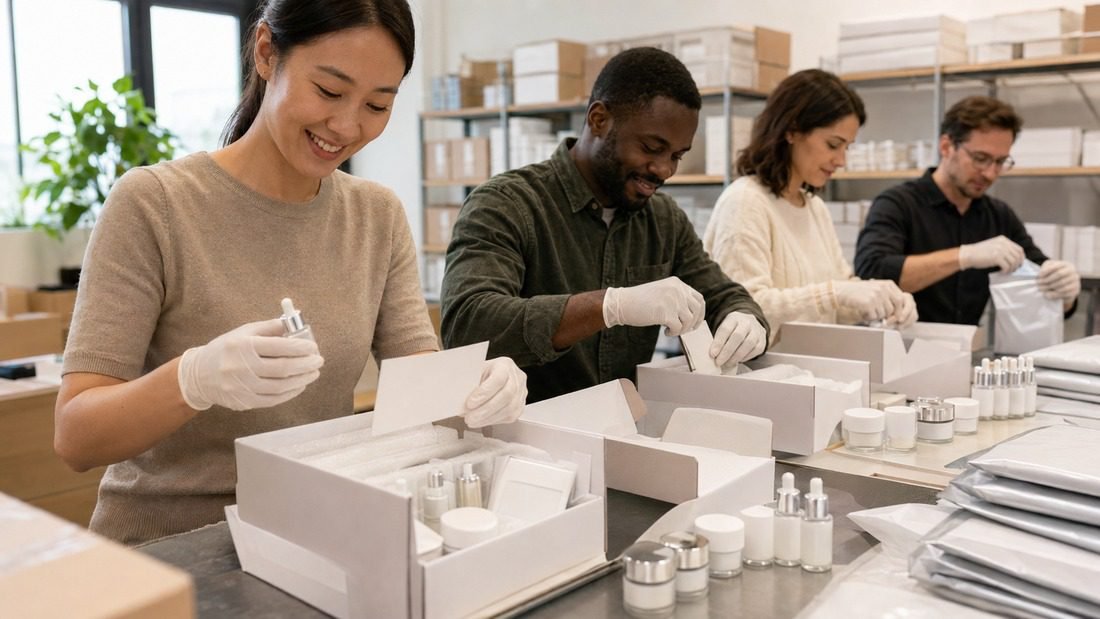
Branding goes beyond a logo. It's the total impression your packaging creates. For importers, effective serum packaging branding importers approaches include:
- Visual Identity: Use colors, fonts, and graphics that reflect your brand's values and appeal to local aesthetics. For example, minimalist designs work well in Europe, while vibrant colors may attract US consumers.
- Sustainability Messaging: Highlight eco-friendly materials (e.g., recycled plastic, glass) to meet growing consumer demand. According to a Statista report, over 60% of consumers prefer sustainable packaging.
- Functional Design: Ensure ease of use—clear labels, intuitive dispensers, and travel-friendly sizes. Consider serum private label bottle design that balances form and function.
- Regulatory Compliance: Include necessary information (ingredients, volume, batch code) as per destination market rules. For EU, CPSR compliance is mandatory; for US, FDA MoCRA requires labeling updates.
Practical Tips for Sourcing Serum Packaging and Branding
- Partner with an Experienced OEM/ODM: Choose a manufacturer with expertise in serum packaging and export. For importers, private label skincare services can streamline customization.
- Test Packaging Compatibility: Request samples to test formula stability and packaging performance. Use sample development services to validate before bulk production.
- Plan for Logistics: Consider shipping costs and lead times. Airless pumps may require special handling. Work with a partner offering export support to navigate customs and documentation.
- Budget for Quality: While airless pumps cost more, they reduce returns and enhance brand reputation. Allocate 15-25% of product cost to packaging.
- Stay Updated on Regulations: Regularly check EU CPSR and FDA MoCRA updates to avoid compliance issues.
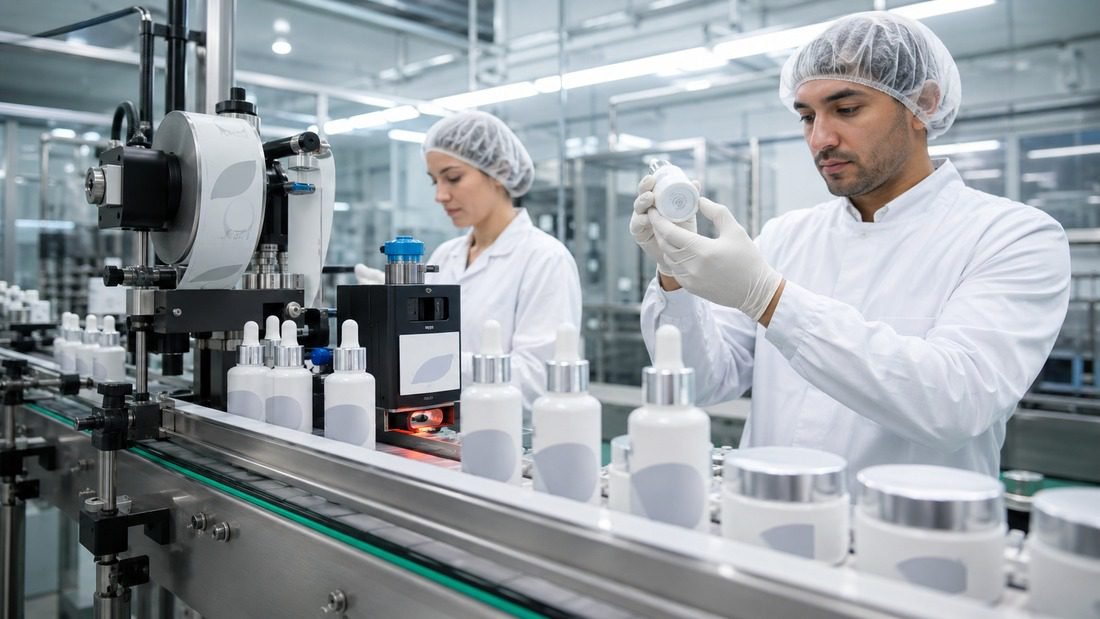
Case Studies: Successful Serum Packaging in Key Markets
- UK: A beauty brand launched a vitamin C serum in airless pumps, emphasizing sustainability with recycled materials. The packaging helped improve the appearance of skin while reducing oxidation, leading to a 30% repeat purchase rate.
- UAE: An importer sourced private label serums with gold-accented droppers to appeal to luxury consumers. The branding highlighted halal certification, boosting trust and sales.
- US: An e-commerce seller used roll-on serums for targeted acne treatment, with minimalist packaging that stood out on social media. The compact size reduced shipping costs.
- Australia: A spa chain adopted refillable serum bottles, promoting eco-consciousness. The packaging design featured local botanical motifs, strengthening brand identity.
These examples show how tailored packaging and branding can drive success. For more insights, see our case studies.
Frequently Asked Questions (FAQ)
Q1: What is the most popular serum packaging format for importers?
Airless pumps are increasingly popular due to their preservation benefits, but droppers remain cost-effective for water-based serums.
Q2: How can I ensure my serum packaging is sustainable?
Use recycled or biodegradable materials, and consider refillable designs. Certifications like ISO 14001 can validate your partner's environmental management.
Q3: What regulations should importers be aware of?
Key regulations include EU CPSR, US FDA MoCRA, and ASEAN Cosmetic Directive. Always verify with your manufacturer and local authorities.
Q4: Can I customize serum packaging with my brand's logo?
Yes, most OEM/ODM manufacturers offer custom printing, labeling, and bottle design. Work with a partner that provides packaging design services.
Q5: How long does it take to source custom serum packaging?
Lead times vary from 4-8 weeks for samples to 12-16 weeks for bulk production, depending on complexity and order volume.
Q6: What are the common pitfalls in serum packaging branding?
Ignoring compatibility testing, underestimating regulatory requirements, and choosing packaging that doesn't align with brand positioning are common mistakes.

 Scan to WhatsApp
About the Author
David Zhang has spent years in skincare formulation and quality control at Flavor Sources, a GMP ISO 22716-certified private label manufacturer based in Dongguan, China, serving brands in 50+ countries since 2000. Reach out to David's team for a custom formula consultation →
Ready to Elevate Your Serum Line?
At Flavor Sources, we specialize in helping importers navigate serum packaging and branding. Our OEM/ODM services cover everything from formulation to packaging design, ensuring your product meets market demands. To get started, request a sample of our serum bases or get a quote for custom packaging. Let us help you bring a reliable, market-ready serum to your customers.