Private Label Baby Care for Beauty Brands in Germany: The Complete 2026 Cost & MOQ Guide for Confident Sourcing
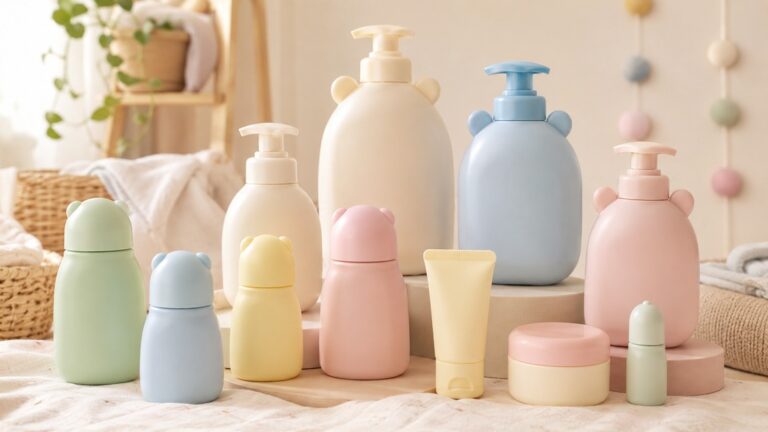
Launching a private label baby care line for the German market is a strategic move, but the biggest blocker is usually numbers: MOQ and cost. For private label baby care beauty brands germany cost moq, expect MOQs from 500–1,000 units per SKU and unit costs of €0.80–€3.50 depending on formula, packaging, and certification.
Table of Contents
- What Does Private Label Baby Care Cost & MOQ Really Mean for Germany?
- Baby Care MOQ Tiers: From Small Batch to Bulk Order Pricing
- How to Plan a Private Label Baby Care Launch in Germany: Practical Steps
- Case Evidence: Baby Care Sourcing in Practice
- FAQ: Private Label Baby Care for Germany
- Ready to Launch Your Baby Care Line in Germany?
What Does Private Label Baby Care Cost & MOQ Really Mean for Germany?
When beauty brands ask about baby care MOQ and cost in Germany, they are usually asking two different questions. First, what is the smallest order I can place without losing quality or compliance? Second, what will each unit actually cost once packaging, testing, and shipping are included?
In Germany, baby care sits under the EU cosmetics regulation (EC) No 1223/2009. That means every product needs a Cosmetic Product Safety Report (CPSR), a Responsible Person established in the EU, and a Product Information File (PIF). These requirements add fixed costs that do not shrink with small batches.
So the real answer is not a single number. It is a tiered structure: small batch private label for market testing, mid-tier for stable retail, and bulk order pricing for national distribution.
Baby Care MOQ Tiers: From Small Batch to Bulk Order Pricing
Most manufacturers in China and Europe set MOQ by formula type, filling method, and packaging. The table below shows typical tiers you will see for baby care products such as lotions, washes, balms, and oils.
| Tier | MOQ per SKU | Typical Use Case | Unit Cost Range (Ex-Works) |
|---|---|---|---|
| Small batch private label | 500–1,000 pcs | Market testing, DTC launch | €1.80–€3.50 |
| Mid-tier production | 3,000–5,000 pcs | Retail and Amazon DE | €1.10–€2.20 |
| Bulk order pricing | 10,000+ pcs | Drugstore chains, distributors | €0.80–€1.50 |
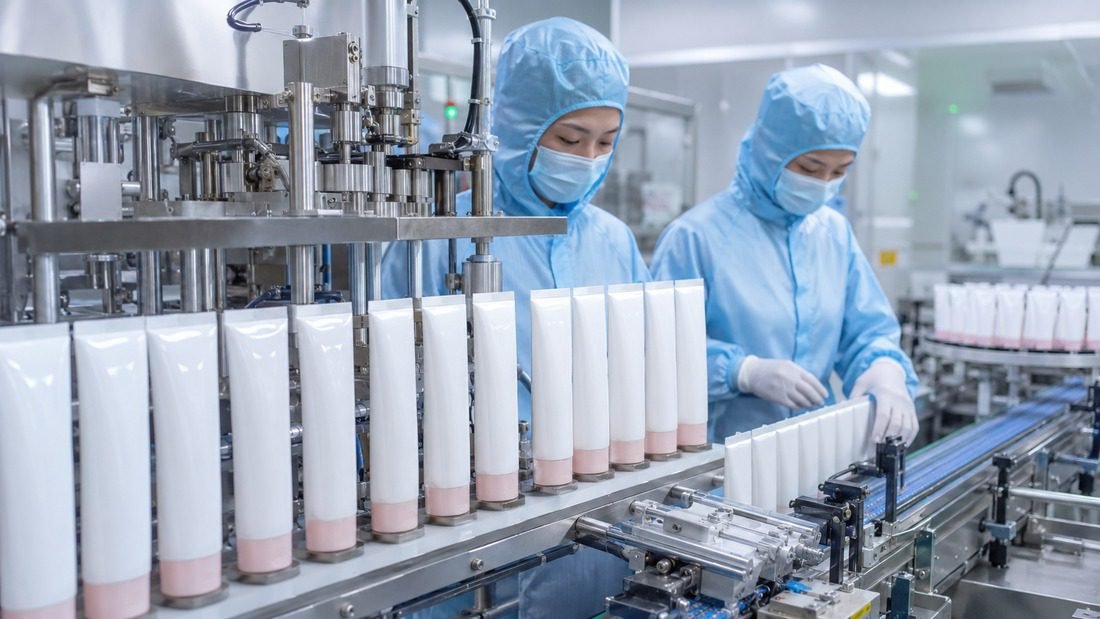
These ranges assume standard packaging such as 200–300 ml bottles or 50–100 ml tubes. Airless pumps, organic-certified formulas, or custom molds push costs higher. If you need a fully custom formula, expect MOQ to start at 1,000–2,000 pcs because of development time.
What Drives Baby Care Cost in Germany?
Four cost drivers matter most. Formula complexity, packaging type, certification level, and order volume. A simple aqueous lotion with standard preservatives is cheaper than a fragrance-free, organic-certified balm with cold-pressed oils.
Packaging is often 30–50% of total unit cost. A stock bottle may cost €0.25, while a custom airless pump can cost €1.20 or more. Certification such as COSMOS or Natrue adds auditing and documentation fees but can justify a higher retail price in Germany.
Finally, volume spreads fixed costs. The CPSR, PIF, and lab testing may cost €800–€2,500 per SKU. At 500 units, that is €1.60–€5.00 per unit. At 10,000 units, it drops below €0.25 per unit.
How to Plan a Private Label Baby Care Launch in Germany: Practical Steps
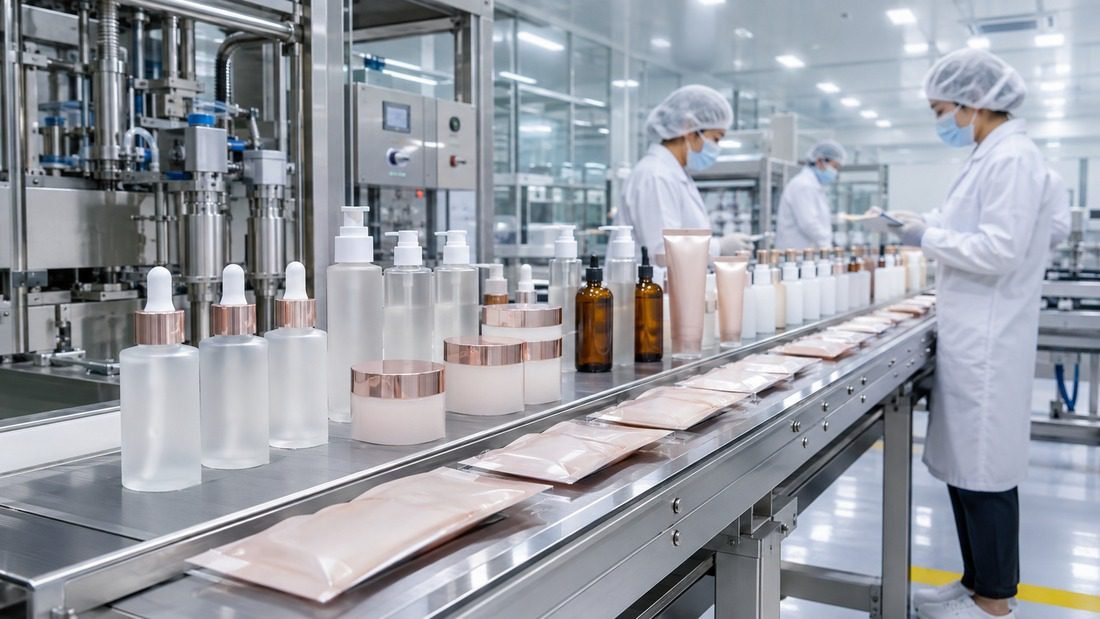
Start with a clear product architecture. Choose two or three hero SKUs, such as a wash, a lotion, and a balm. This keeps MOQ and compliance costs manageable while giving German buyers a coherent range.
Next, decide your tier. If you are testing the market, use a small batch private label run of 500–1,000 pcs per SKU. If you already have retail interest, go mid-tier. For drugstore or distributor conversations, prepare a bulk order pricing model.
Then align packaging early. Use stock components for speed and lower MOQ. Custom packaging design can wait until volumes justify the tooling cost. Always request a sample development kit before committing to a full run.
Finally, build compliance into the timeline. The CPSR and Responsible Person must be in place before products reach the EU. Work with a manufacturer that provides export support and documentation for Germany.
Compliance Checklist for Baby Care in Germany
- EU Responsible Person appointed
- CPSR completed by a qualified safety assessor
- PIF maintained and updated
- CPNP notification submitted
- Labeling in German with INCI, batch, and PAO
- Stability and preservative efficacy testing
Case Evidence: Baby Care Sourcing in Practice
A UK beauty brand wanted to enter the German market with a three-SKU baby care range. They started with a 500-pcs small batch private label run per SKU to test DTC conversion. Unit cost was €2.90 ex-works, including CPSR and German labeling.
After six months, repeat purchase rate exceeded 30%. They scaled to 5,000 pcs per SKU, reducing unit cost to €1.65. A UAE distributor later placed a 20,000-pcs bulk order across the range, with unit cost near €1.05.
In another case, an Australian e-commerce seller used stock packaging and a simplified formula to hit a 500-pcs MOQ per SKU. They kept total launch cost under €6,000, including samples, testing, and first production. Both cases show that MOQ and cost are not fixed. They are design choices.
FAQ: Private Label Baby Care for Germany
Q1: What is the typical baby care MOQ for private label?
A: Most manufacturers start at 500–1,000 pcs per SKU for small batch private label. Custom formulas often start at 1,000–2,000 pcs.
Q2: How much does private label baby care cost in Germany?
A: Unit costs range from €0.80 to €3.50 ex-works, depending on formula, packaging, certification, and volume. Add €800–€2,500 per SKU for compliance and testing.
Q3: Can I order baby care 500 pcs MOQ and still be compliant in Germany?
A: Yes. Compliance costs are fixed, not volume-based. A 500-pcs run can be fully compliant, but your per-unit cost will be higher.
Q4: How long does production take?
A: Sample development takes 7–15 days. Bulk production takes 20–35 days after sample approval, plus shipping to Germany.
Q5: Do I need a German company to sell baby care in Germany?
A: No, but you need an EU Responsible Person. Many brands appoint a compliance partner or work with a manufacturer that offers export support.
Q6: What packaging is best for baby care in Germany?
A: Airless pumps and tubes are popular for hygiene and shelf appeal. Stock components keep MOQ low; custom packaging design raises MOQ and tooling cost.

 Scan to WhatsApp
About the Author
David Zhang has spent years in skincare formulation and quality control at Flavor Sources, a GMP ISO 22716-certified private label manufacturer based in Dongguan, China, serving brands in 50+ countries since 2000. Reach out to David's team for a custom formula consultation →
Ready to Launch Your Baby Care Line in Germany?
Whether you are testing a 500-pcs small batch or planning a 20,000-pcs bulk order, the right partner makes cost and MOQ predictable. Flavor Sources supports beauty brands with Baby Care manufacturing, Private Label Skincare, and Custom Formula development.
Start with a Sample Development kit, review our Certificates for EU compliance, and see how we manage Quality Control at every step. For brands scaling into Germany, our Export Support team handles documentation and labeling.
Explore our Baby Care range, then Request Sample or Get a Quote to lock in your 2026 production slot.