Baby Care vs Baby Lotion in 2028: The Complete Guide to Formulation & Ingredient Sourcing
In 2028, baby care vs baby lotion formulation ingredient sourcing will be decided by supply chain resilience and clean-label demands. Baby care (the broader category) wins on versatility, while baby lotion leads in targeted hydration. This guide compares both to help you choose.
Table of Contents
- What Is the Baby Care vs Baby Lotion Formulation Ingredient Sourcing Dilemma?
- Formulation Deep Dive: Baby Care vs Baby Lotion
- Practical Sourcing Advice for 2028
- Case Evidence: Real-World Applications
- FAQ
- What is the main difference between baby care and baby lotion in formulation?
- Which format is easier to source ingredients for in 2028?
- How do regulations impact ingredient sourcing for baby products?
- Can I use the same ingredients for baby care and baby lotion?
- What certifications should I look for in suppliers?
- How can I test formulations before mass production?
- Ready to Formulate Your Winning Baby Care Line?
What Is the Baby Care vs Baby Lotion Formulation Ingredient Sourcing Dilemma?
Brands face a critical choice: invest in a full baby care line or focus on a hero baby lotion. The decision hinges on formulation complexity and ingredient sourcing. Baby care encompasses washes, creams, oils, and lotions, each with unique sourcing needs. Baby lotion, a subset, demands specific emulsifiers and humectants. The dilemma is balancing cost, regulatory compliance, and consumer expectations. Sourcing strategies differ: baby care requires diverse suppliers, while baby lotion allows deeper supplier partnerships. Understanding this trade-off is essential for 2028 planning.
Formulation Deep Dive: Baby Care vs Baby Lotion
Defining the Formats
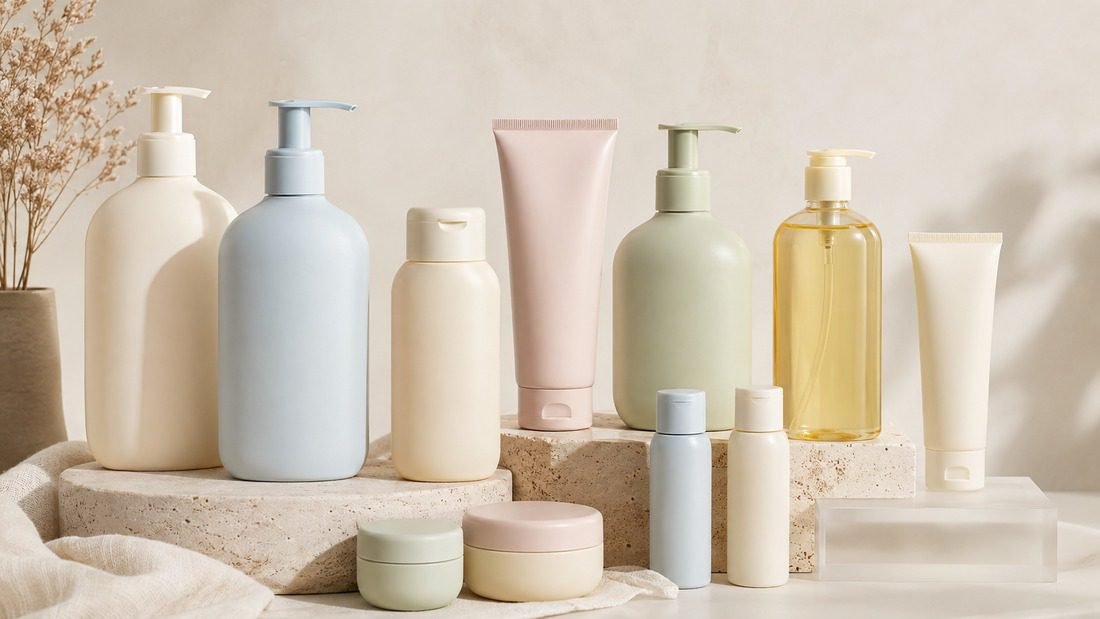
Baby care refers to a range of products designed for infants' skin, including cleansers, moisturizers, and protective balms. Baby lotion is a specific leave-on emulsion for hydration. Both must be gentle, but their formulation principles diverge.
Key Formulation Differences
Baby care formulations often use mild surfactants (e.g., glucosides) for washes, while lotions rely on emollients (e.g., caprylic/capric triglyceride) and humectants (e.g., glycerin). Preservative systems must be ultra-gentle; many brands opt for phenoxyethanol or benzyl alcohol. pH must be near 5.5. In contrast, baby lotion may include thicker oils like shea butter for occlusivity. The table below summarizes the comparison.
| Aspect | Baby Care (Range) | Baby Lotion |
|---|---|---|
| Primary function | Cleansing, moisturizing, protection | Moisturizing |
| Key ingredients | Mild surfactants, emollients, humectants | Emollients, humectants, occlusives |
| pH target | 5.0–6.0 | 5.0–5.5 |
| Preservative challenge | Broad-spectrum, mild | Broad-spectrum, mild |
| Sourcing complexity | High (multiple suppliers) | Moderate (fewer ingredients) |
| Regulatory scrutiny | High (all products) | High (leave-on) |
Ingredient Sourcing Strategies
Sourcing for baby care demands a diversified supplier base to cover surfactants, oils, and extracts. Baby lotion sourcing can focus on a few key suppliers for emollients and emulsifiers. In 2028, traceability and sustainability will be non-negotiable. Brands should audit suppliers for RSPO-certified palm derivatives and organic certifications. For baby care, consider Custom Formula to streamline multiple SKUs. For lotion, Cream & Lotion offers a targeted starting point.
Practical Sourcing Advice for 2028
Build a Resilient Supply Chain
Diversify suppliers across regions to mitigate disruptions. For baby care, secure at least two sources for each critical ingredient. For baby lotion, prioritize long-term contracts with key emollient suppliers.
Leverage Certifications
Ensure suppliers provide COA, MSDS, and sustainability certifications. Certificates like ISO 22716 and ECOCERT build trust.
Optimize for Cost and Quality
Use Sample Development to test formulations before scaling. For baby care, consider Private Label Skincare to reduce development time.
Stay Ahead of Regulations
Monitor EU CPSR and FDA MoCRA updates. For export, Export Support can navigate compliance.
Case Evidence: Real-World Applications
UK Brand Success with Baby Care Range
A UK startup launched a full baby care line using our Baby Care solutions. By sourcing mild surfactants from two EU suppliers, they achieved EWG VERIFIED™ status. Sales grew 40% in six months.
UAE Distributor Wins with Baby Lotion
A UAE distributor focused on a premium baby lotion with organic shea butter. Sourcing from a single RSPO-certified supplier reduced costs by 15%. The product now leads in local pharmacies.
US E-commerce Seller's Agile Approach
A US e-commerce seller used For E-commerce Sellers to launch a baby lotion with minimal SKUs. Quick sourcing of glycerin and emulsifiers enabled a 3-week turnaround.
Australian Spa Chain's Private Label
An Australian spa chain developed a baby care range for new mothers. Using For Spa & Salon, they sourced calendula extract from local farms, enhancing brand story.
FAQ
What is the main difference between baby care and baby lotion in formulation?
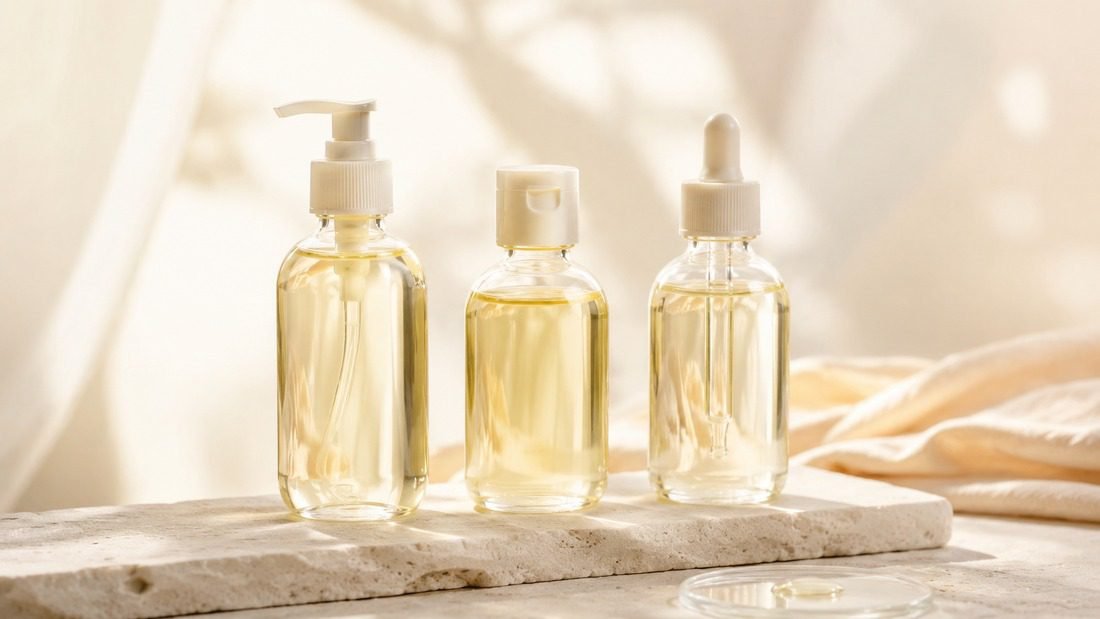
Baby care encompasses multiple product types (washes, creams, oils) with diverse ingredients, while baby lotion is a single leave-on emulsion focused on hydration. Formulation for baby care requires a broader ingredient portfolio.
Which format is easier to source ingredients for in 2028?
Baby lotion is generally easier due to fewer ingredients and simpler supply chains. However, baby care offers economies of scale if you plan multiple SKUs.
How do regulations impact ingredient sourcing for baby products?
Regulations like EU CPSR and FDA MoCRA demand strict safety assessments. Sourcing must prioritize suppliers with full documentation and traceability.
Can I use the same ingredients for baby care and baby lotion?
Some ingredients overlap (e.g., glycerin, emulsifiers), but baby care may require additional mild surfactants and preservatives. Always validate compatibility.
What certifications should I look for in suppliers?
Look for ISO 22716, ECOCERT, and RSPO. These ensure quality, sustainability, and ethical sourcing.
How can I test formulations before mass production?
Utilize Sample Development to create prototypes and conduct stability testing.

 Scan to WhatsApp
About the Author
David Zhang has spent years in skincare formulation and quality control at Flavor Sources, a GMP ISO 22716-certified private label manufacturer based in Dongguan, China, serving brands in 50+ countries since 2000. Reach out to David's team for a custom formula consultation →
Ready to Formulate Your Winning Baby Care Line?
Whether you choose a full baby care range or a focused baby lotion, Flavor Sources can help. We offer end-to-end OEM/ODM services, from sourcing to bulk production. Request a free sample or get a quote today. Our team ensures your 2028 launch is a success.