The Complete Importers’ Checklist for Serum Quality Control (2027): 7 Essential Steps for Reliable Sourcing
What is the single most important step in serum quality control for importers?
The most important step is verifying a serum COA certificate for every batch. Without it, you cannot confirm ingredient identity, potency, or safety. For serum quality control importers, this document is your first line of defense against costly recalls and brand damage.
Table of Contents
- What is the single most important step in serum quality control for importers?
- Why serum quality control importers face unique challenges in 2027
- The 7-point serum quality control checklist for importers
- Practical tips for importers to implement serum quality control
- Frequently asked questions about serum quality control for importers
- Trusted serum quality control for importers
- Get a sample and verify quality yourself
Why serum quality control importers face unique challenges in 2027
Importing serums is not like buying electronics. A single contaminated batch can trigger regulatory action, consumer lawsuits, and irreversible reputational harm. In 2027, tightening global regulations—from the EU's Cosmetic Regulation to the US FDA's MoCRA—mean importers must prove due diligence.
Many importers assume their supplier's word is enough. It is not. You need documented evidence that every serum batch meets specifications. This is where a structured checklist becomes essential.
The hidden costs of poor serum quality control
A failed serum batch can cost you 10x the product value in logistics, customs, and disposal. Worse, if a serum causes adverse reactions, your brand—not the factory—is often the first target. Serum quality control importers who skip batch testing risk losing entire market access.
The 7-point serum quality control checklist for importers
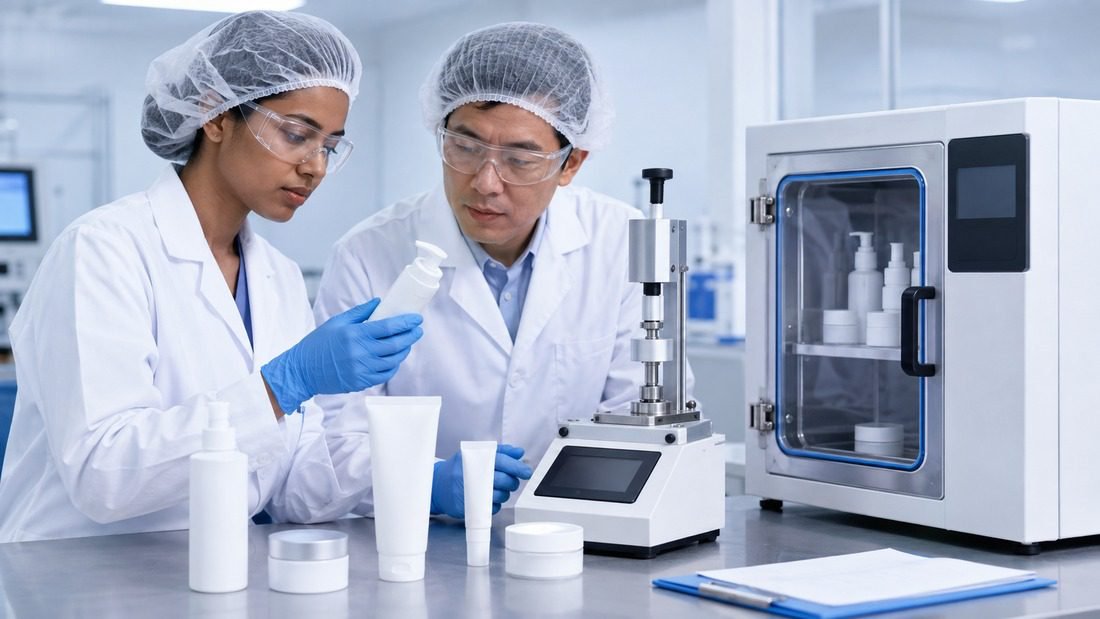
Below is a proven framework used by successful importers across the UK, UAE, US, and Australia. Each point includes a definition or comparison to help you act.
1. Certificate of Analysis (COA) verification
A COA is a document from the manufacturer that lists test results for a specific batch. It should include: appearance, pH, viscosity, microbial limits, heavy metals, and active ingredient assay. Never accept a generic COA—demand batch-specific data.
2. Batch testing and sampling
Batch testing ensures consistency. For serums, key tests include:
- Microbial testing: Total aerobic count, yeast & mold, pathogens (E. coli, S. aureus, P. aeruginosa).
- Heavy metals: Lead, arsenic, mercury, cadmium.
- pH and viscosity: Critical for stability and skin feel.
- Active potency: For vitamins (e.g., Vitamin C), hyaluronic acid, niacinamide.
| Test Type | Purpose | Acceptable Limit (example) |
|---|---|---|
| Microbial count | Safety | <100 CFU/g |
| Heavy metals | Toxicity | <10 ppm lead |
| pH | Stability | 4.5–6.5 |
| Viscosity | Texture | 2000–5000 cP |
| Active assay | Efficacy | 95–105% of label claim |
3. Stability testing for skincare serums
Stability testing predicts how a serum ages. Standard protocols include accelerated (40°C/75% RH for 3 months) and real-time (25°C/60% RH for 12–24 months). Importers should request stability reports for the exact formula and packaging.
4. Pre-shipment inspection (PSI)
A PSI is a third-party inspection before goods leave the factory. It checks quantity, packaging integrity, labeling, and random sampling for microbial contamination. For serum quality control importers, PSI is non-negotiable for high-value orders.
5. Packaging compatibility and leachables
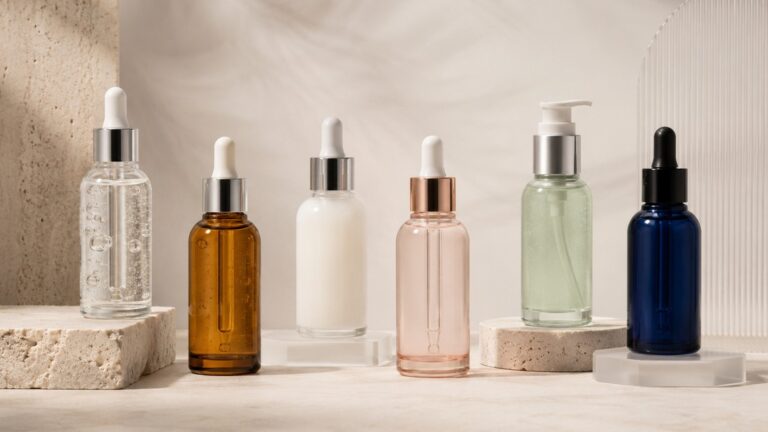
Serums in dropper bottles or airless pumps can interact with packaging. Request leachable testing (e.g., phthalates, BPA) to ensure no migration into the formula.
6. Regulatory documentation
Depending on your market, you need:
- EU: CPSR (Cosmetic Product Safety Report)
- US: MoCRA facility registration and product listing
- UK: SCPN (Submit Cosmetic Product Notification)
- UAE: Dubai Municipality registration
- Australia: AICIS (Australian Industrial Chemicals Introduction Scheme)
7. Traceability and batch records
Every batch must have a unique code linking to raw material lots, production date, and QC results. This enables recalls if needed.
Practical tips for importers to implement serum quality control
Start by qualifying your supplier. Ask for their Quality Control procedures and Certificates. For custom serums, consider a Custom Formula partner who provides full documentation.
Build a checklist template and use it for every order. Train your QC team on Testing & Inspection protocols. For first orders, always request a Sample Development batch and test it independently.
Case example: UK importer avoids recall
A UK-based importer of vitamin C serums received a batch with a COA showing 98% active. However, their own third-party test found only 82%. They rejected the batch. The supplier later admitted a raw material substitution. Without independent testing, the importer would have faced false advertising claims.
Case example: UAE distributor ensures compliance
A UAE distributor required every serum batch to include heavy metal testing. One batch exceeded lead limits (15 ppm). They used the COA and PSI report to return the goods and claim compensation. Their proactive serum quality control importers approach saved them from regulatory fines.
Frequently asked questions about serum quality control for importers
How often should I test serum batches?
Test every batch for microbial and heavy metals. For stability, test each formula annually or when packaging changes.
What if my supplier refuses third-party inspection?
This is a red flag. Reputable manufacturers welcome inspections. If they refuse, consider switching to a supplier like Flavor Sources that supports Export Support and transparency.
Can I rely on the supplier's COA alone?
No. Always verify with your own or a third-party lab. Supplier COAs can be inaccurate or falsified.
What is the difference between stability testing and shelf-life testing?
Stability testing uses accelerated conditions to predict shelf life. Shelf-life testing is real-time under normal storage. Both are important.
How do I check if a serum is compliant for the EU?
Request a CPSR from your manufacturer. It must be prepared by a qualified safety assessor. Also ensure the product is notified via CPNP.
Trusted serum quality control for importers

 Scan to WhatsApp
About the Author
David Zhang has spent years in skincare formulation and quality control at Flavor Sources, a GMP ISO 22716-certified private label manufacturer based in Dongguan, China, serving brands in 50+ countries since 2000. Reach out to David's team for a custom formula consultation →
Get a sample and verify quality yourself
Don't take chances with your serum imports. Request a Sample Development or Get a Quote from Flavor Sources. Our Serum line meets rigorous QC standards, and we provide full documentation for importers. For a deeper dive, explore our Serum manufacturing process and Quality Control protocols. Partner with us to ensure your 2027 serum launches are safe, compliant, and successful.