The Complete 2027 Serum Glossary for Southeast Asia Buyers: Essential Terms for Confident Sourcing
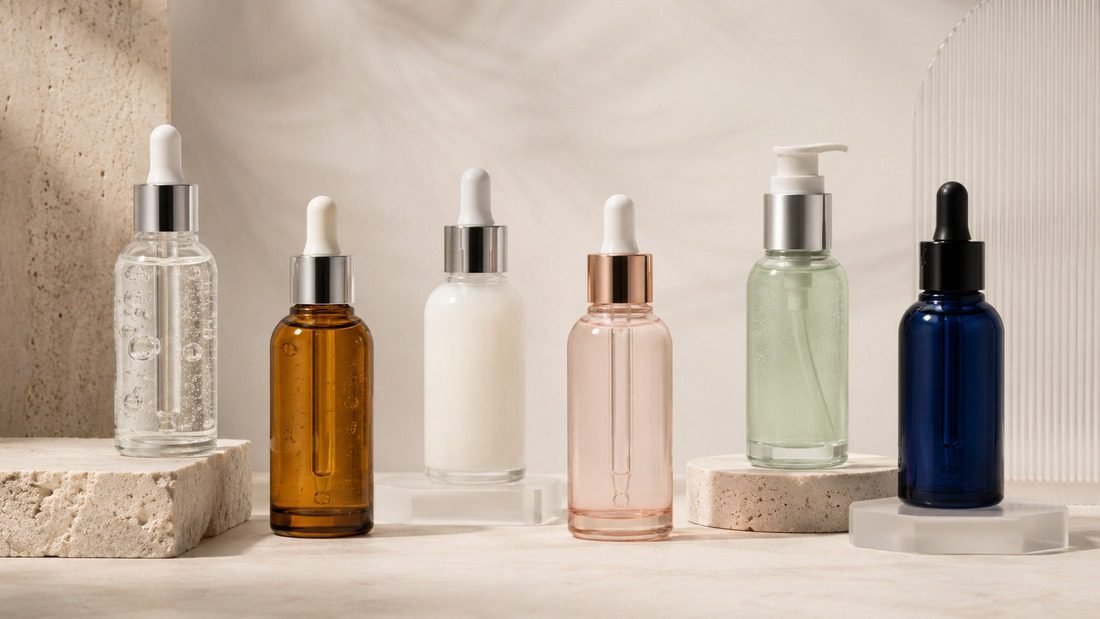
What is the serum glossary southeast asia buyers need in 2027?
In 2027, a serum glossary southeast asia is a curated set of manufacturing, regulatory, and quality terms that helps buyers in the region decode OEM/ODM contracts and communicate clearly with suppliers. This guide defines essential terms, offers practical tips, and includes a comparison table to help you source serums with confidence.
Table of Contents
Why a serum glossary southeast asia is essential in 2027
Southeast Asia's beauty market is booming, with rising demand for serums. However, buyers often encounter confusing OEM/ODM jargon. Without a shared vocabulary, misunderstandings can lead to costly errors. This glossary bridges the gap, ensuring you understand terms like ‘active concentration' and ‘stability testing'. By mastering these terms, you can negotiate better and ensure product quality.
Key serum manufacturing terms decoded
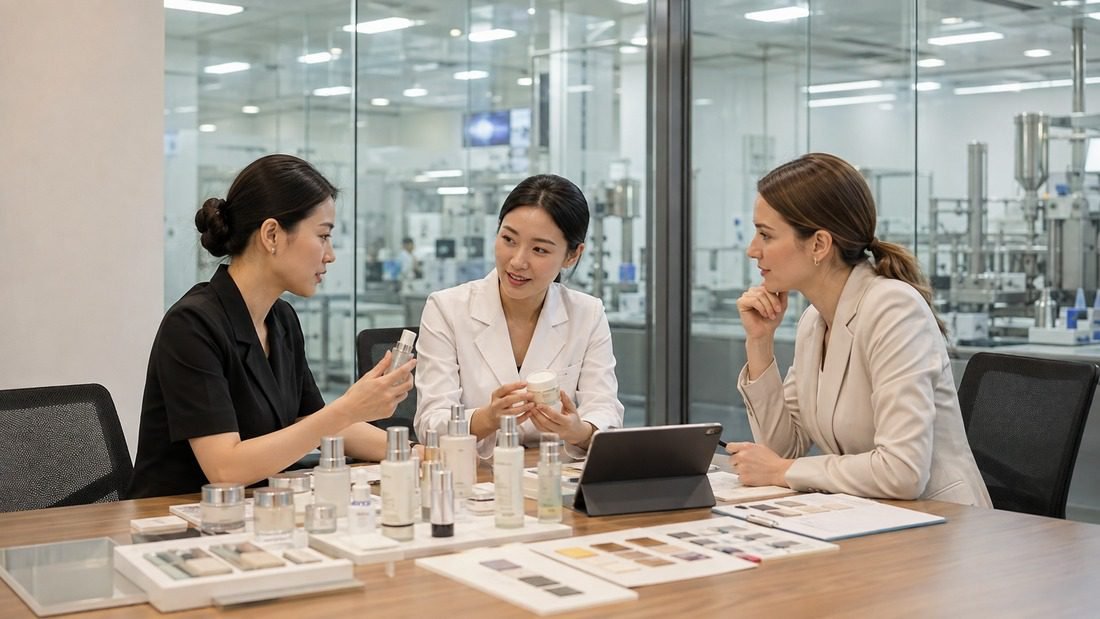
Below are essential terms you'll encounter when sourcing serums from OEM/ODM manufacturers. This table compares common terms and their implications.
| Term | Definition | Why It Matters |
|---|---|---|
| OEM (Original Equipment Manufacturer) | Manufacturer produces goods based on your specifications. | You control formula, packaging, and branding; manufacturer executes. |
| ODM (Original Design Manufacturer) | Manufacturer offers ready-made formulas for you to brand. | Faster time-to-market, lower development costs. |
| Active Concentration | Percentage of key ingredients (e.g., hyaluronic acid) in the serum. | Directly affects efficacy and cost; must be clearly specified. |
| Stability Testing | Tests to ensure product remains stable under various conditions. | Critical for shelf life and safety, especially for export. |
| pH Level | Acidity or alkalinity of the serum. | Affects skin compatibility and preservative efficacy. |
| Preservative System | Ingredients that prevent microbial growth. | Essential for safety; must comply with destination market regulations. |
| Viscosity | Thickness or flow resistance of the serum. | Impacts user experience and packaging choices. |
| Emulsifier | Substance that helps mix oil and water phases. | Determines texture and stability of emulsion serums. |
OEM vs. ODM: Which model fits your brand?
Choosing between OEM and ODM depends on your resources and timeline. OEM gives you full control but requires more investment. ODM is quicker and cost-effective but less unique. Many Southeast Asian brands start with ODM and transition to OEM as they grow. For custom formulas, consider Custom Formula services.
Understanding active concentrations
Active concentration is crucial. For example, a vitamin C serum might contain 10% or 20% ascorbic acid. Higher isn't always better; stability and pH matter. Always request a certificate of analysis (COA) to verify. If you need help formulating, our Sample Development team can assist.
Practical tips for sourcing serums in Southeast Asia
When sourcing, always request samples and test them. Ensure the manufacturer provides stability and safety data. Check compliance with local regulations, such as ASEAN Cosmetic Directive. For export to markets like the EU, ensure CPSR compliance. Work with manufacturers that offer Testing & Inspection and Export Support.
Case examples from the region
A Vietnamese brand launched a vitamin C serum using ODM services from a Thai manufacturer, reducing time-to-market by 40%. A Malaysian startup sourced custom hyaluronic acid serums via OEM, achieving higher margins. In Indonesia, a brand ensured compliance with local halal regulations by partnering with a certified manufacturer.
Frequently asked questions
What is the difference between OEM and ODM in serum manufacturing?
OEM means the manufacturer produces according to your formula, while ODM means they provide a ready-to-brand formula. OEM offers more customization but requires more investment.
How do I verify the active concentration in a serum?
Request a certificate of analysis (COA) from the manufacturer. This document lists the exact concentrations of key ingredients.
What regulations should I be aware of for serum exports to Southeast Asia?
Each country has its own regulations, but many follow the ASEAN Cosmetic Directive. Ensure your manufacturer complies with local labeling and ingredient restrictions.
Why is stability testing important?
Stability testing ensures the product remains safe and effective over its shelf life. It is crucial for export to markets with varying climate conditions.
Can I get a sample before placing a bulk order?
Yes, most manufacturers offer samples. At Flavor Sources, you can request a sample to evaluate quality.

 Scan to WhatsApp
About the Author
David Zhang has spent years in skincare formulation and quality control at Flavor Sources, a GMP ISO 22716-certified private label manufacturer based in Dongguan, China, serving brands in 50+ countries since 2000. Reach out to David's team for a custom formula consultation →
Ready to source serums with confidence?
Understanding the serum glossary southeast asia is your first step. To discuss your serum project, get a quote or request a sample. Our team is ready to help you navigate OEM/ODM terminology and bring your product to life.