The Ultimate Cream Lotion Glossary for South Korea Importers in 2028
As a South Korean importer, understanding the cream lotion glossary south korea is essential for successful sourcing in 2028. This guide defines key terms—from o/w and w/o emulsions to private label and OEM/ODM—so you can communicate precisely with manufacturers and avoid costly misunderstandings.
Table of Contents
- Why a Shared Vocabulary Matters for South Korean Importers
- Defining the Core: Creams vs. Lotions
- Practical Tips for Navigating Cream & Lotion Sourcing
- Case Studies: How Clear Terminology Averted Costly Errors
- Frequently Asked Questions (FAQ)
- 1. What is the difference between OEM and ODM in cream & lotion manufacturing?
- 2. Why is HLB value important for South Korean importers?
- 3. What certifications should I look for in a cream & lotion supplier?
- 4. How do I ensure my private label cream & lotion meets Korean regulations?
- 5. What is the typical MOQ for private label creams and lotions?
- Author Trust Module
- Ready to Source Creams & Lotions for South Korea?
Why a Shared Vocabulary Matters for South Korean Importers
South Korea's cosmetics market is renowned for its sophistication and high standards. When importing creams and lotions, vague terminology can lead to product mismatches, regulatory delays, and financial losses. A precise cream lotion glossary south korea helps importers and manufacturers align on formulations, packaging, and compliance. Without it, you risk ordering the wrong emulsion type or missing key certifications. This glossary bridges that gap, ensuring your private label cream & lotion projects run smoothly from brief to bulk production.
Defining the Core: Creams vs. Lotions
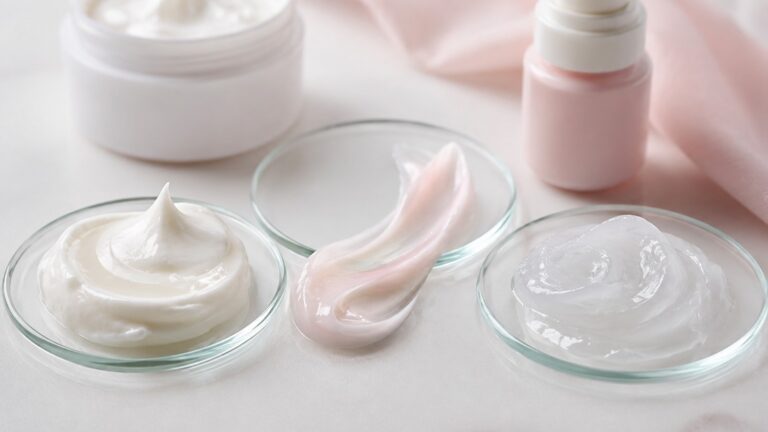
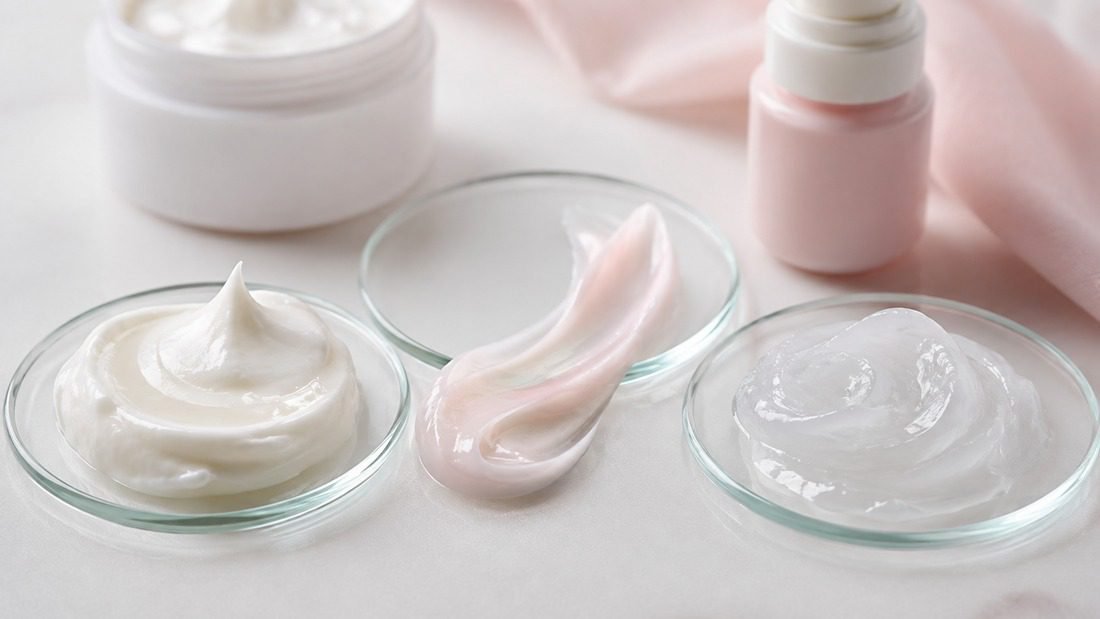
At the most basic level, creams and lotions differ in viscosity and oil-to-water ratio. Lotions are lighter, with higher water content (70-80%), while creams are thicker, with more oils and emulsifiers (30-50% oil phase). But the terminology goes deeper. For instance, “emulsion” refers to the stable blend of oil and water, and the type—oil-in-water (o/w) or water-in-oil (w/o)—determines skin feel and application. South Korean consumers favor lightweight, fast-absorbing textures, so specifying the right emulsion is critical. Below is a comparison table of key terms.
Key Cream & Lotion Manufacturing Terms
| Term | Definition | Relevance to South Korea |
|---|---|---|
| Emulsion | A mixture of two immiscible liquids (oil and water) stabilized by an emulsifier. | Determines texture and stability; K-beauty trends favor stable o/w emulsions. |
| Oil-in-Water (o/w) | Oil droplets dispersed in water; lighter, non-greasy. | Popular for day creams and lotions in humid Korean summers. |
| Water-in-Oil (w/o) | Water droplets dispersed in oil; richer, occlusive. | Used in night creams and barrier repair products for dry skin. |
| HLB Value | Hydrophilic-Lipophilic Balance; indicates emulsifier's affinity for water or oil. | Critical for formulating stable emulsions; importers should verify HLB in specs. |
| Viscosity | Thickness or resistance to flow, measured in cps. | Affects pumpability and consumer perception; Korean market prefers 5,000-15,000 cps for lotions. |
| Private Label | Products manufactured under your brand name by a third party. | Allows Korean importers to build brand equity without owning a factory. |
| OEM | Original Equipment Manufacturer; produces goods to your specifications. | Common for established brands seeking custom formulas. |
| ODM | Original Design Manufacturer; designs and produces goods for you. | Ideal for startups needing turnkey solutions. |
Understanding these cream & lotion manufacturing terms is the first step toward effective sourcing. For a deeper dive into private label options, see our Private Label Skincare services.
Practical Tips for Navigating Cream & Lotion Sourcing
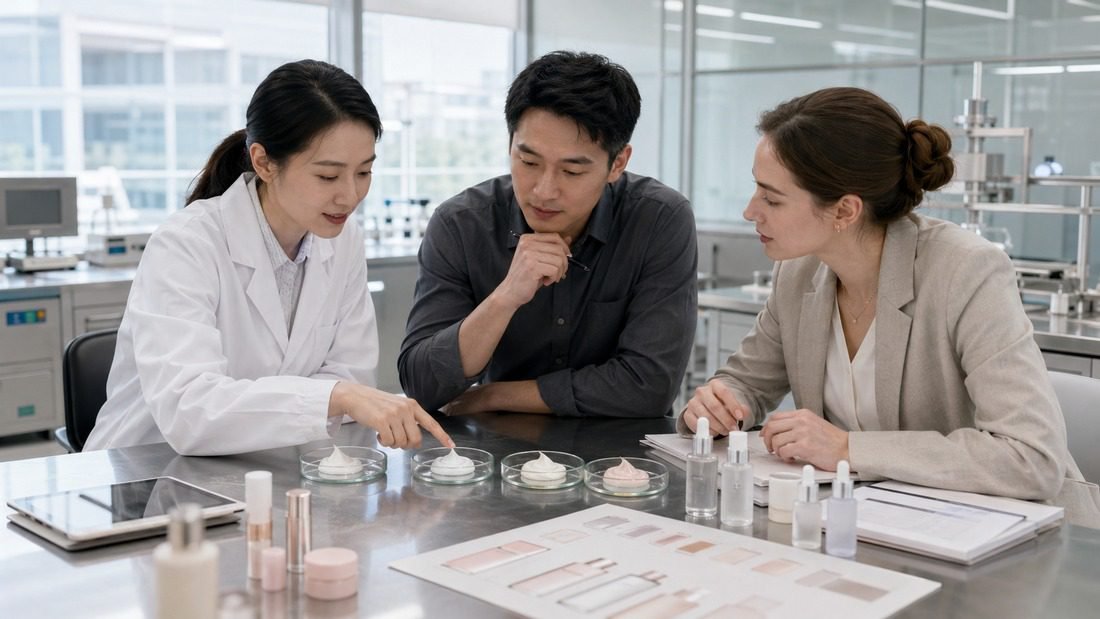
When requesting quotes or samples, always specify the emulsion type, viscosity range, and key ingredients. Ask for a technical data sheet (TDS) and material safety data sheet (MSDS) for each product. For South Korean imports, ensure the manufacturer provides documentation for KFDA compliance, including CGMP certificates. If you're developing a custom formula, consider our Custom Formula service to tailor textures to local preferences. Additionally, clarify packaging compatibility—certain creams require airless pumps to maintain stability. For packaging solutions, explore our Packaging Design support.
Building a Robust Private Label Cream & Lotion Glossary
A private label cream & lotion glossary should include not only technical terms but also commercial and regulatory jargon. For example, “MOQ” (Minimum Order Quantity), “lead time,” and “stability testing” are crucial for planning. South Korean importers often face unique requirements like vegan certification or cruelty-free claims. Ensure your glossary covers these. For a comprehensive list of certifications, refer to our Certificates page. Also, understand Incoterms (e.g., FOB, CIF) to manage logistics effectively. Our Export Support team can guide you through shipping and customs.
Case Studies: How Clear Terminology Averted Costly Errors
In the UK, a beauty brand almost ordered a w/o cream instead of an o/w lotion due to a translation error, but a glossary check caught the mistake pre-production. In the UAE, an importer saved 20% on costs by clearly specifying viscosity, avoiding reformulation. In Australia, a startup used a private label cream & lotion glossary to negotiate favorable MOQs. These examples underscore the value of a shared vocabulary. For more insights, visit our Case Studies section.

Frequently Asked Questions (FAQ)
1. What is the difference between OEM and ODM in cream & lotion manufacturing?
OEM (Original Equipment Manufacturer) produces goods to your exact specifications, while ODM (Original Design Manufacturer) offers ready-to-brand formulations. For custom needs, OEM is ideal; for speed, ODM.
2. Why is HLB value important for South Korean importers?
HLB value indicates emulsifier balance, affecting stability and texture. Korean consumers prefer lightweight textures, so verifying HLB ensures the emulsion matches market trends.
3. What certifications should I look for in a cream & lotion supplier?
Look for ISO 22716 (GMP), vegan, cruelty-free, and KFDA compliance. Our Quality Control page details our certifications.
4. How do I ensure my private label cream & lotion meets Korean regulations?
Work with a manufacturer experienced in KFDA requirements. Request documentation for ingredients, testing, and labeling. Our Testing & Inspection service ensures compliance.
5. What is the typical MOQ for private label creams and lotions?
MOQs vary by formula and packaging, often starting at 1,000-3,000 units. Discuss with your manufacturer; some offer lower MOQs for startups.
Author Trust Module

 Scan to WhatsApp
About the Author
David Zhang has spent years in skincare formulation and quality control at Flavor Sources, a GMP ISO 22716-certified private label manufacturer based in Dongguan, China, serving brands in 50+ countries since 2000. Reach out to David's team for a custom formula consultation →
Ready to Source Creams & Lotions for South Korea?
Equip yourself with this cream lotion glossary south korea and streamline your next project. Flavor Sources offers full-service OEM/ODM manufacturing, from formulation to packaging. To experience our quality firsthand, request a free sample or get a quote today. Let us help you bring compliant, market-ready products to South Korea in 2028.