Best GMP-Certified Body Care Manufacturer China 2026 Q4: Complete Buyer’s Guide
Finding a reliable body care manufacturer China 2026 Q4 sourcing cycle starts with one clear answer: prioritize factories that can prove GMP compliance with current audit reports, documented stability and microbiological testing, and export-ready documentation, then validate them through a physical or virtual factory audit before placing a bulk order. Certification claims alone are not enough.
Table of Contents
- What Makes Body Care Sourcing So Difficult in 2026 Q4?
- The Core Evaluation Framework for a GMP-Certified Body Care Manufacturer
- Practical Steps to Shortlist and Validate Suppliers
- Case Evidence from Real Sourcing Markets
- How Flavor Sources Supports Body Care Buyers
- FAQ
- Author
- Ready to Evaluate a Body Care Partner?
What Makes Body Care Sourcing So Difficult in 2026 Q4?
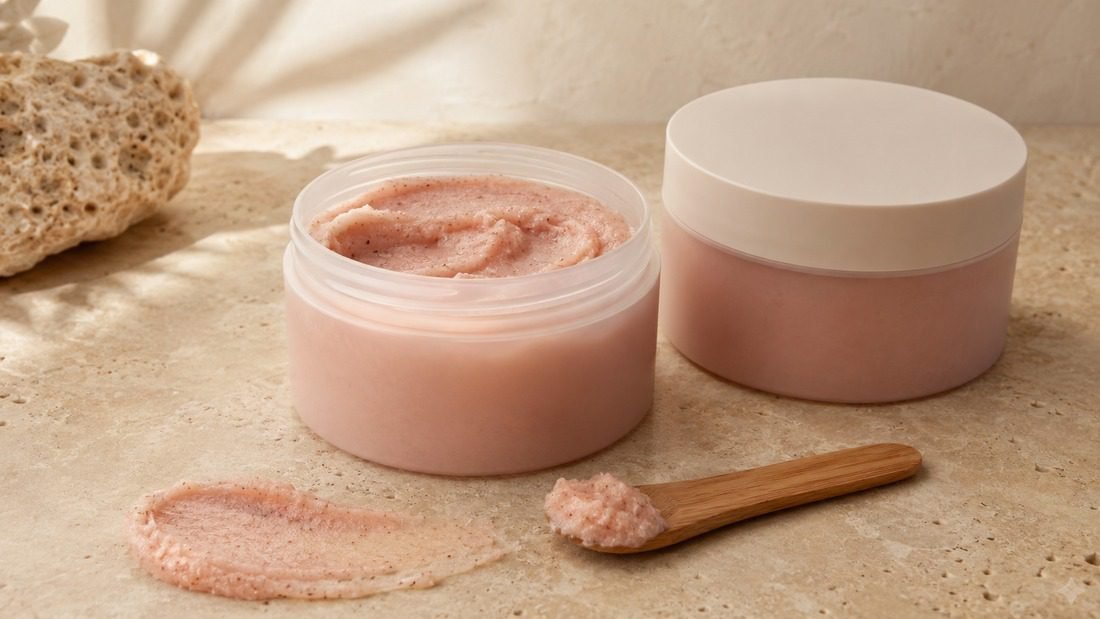
Body care sits in an awkward regulatory middle ground. Lotions, scrubs, and body washes are cosmetic products in most markets, yet they carry higher fill volumes, more packaging variables, and longer shelf-life expectations than facial skincare. Buyers often discover that a supplier strong in serums is weak in emulsion stability at 500ml scale.
The problem compounds in 2026 Q4. Freight schedules tighten before Chinese New Year, raw material lead times stretch, and regulatory deadlines in the EU and US continue to raise documentation expectations. Buyers who start sourcing late pay premium air freight or accept unverified certificates.
Most sourcing failures trace back to one root cause: buyers evaluate suppliers on price and sample quality, but not on quality systems. A beautiful sample from a factory without environmental monitoring or batch traceability is a liability, not a bargain.
The Core Evaluation Framework for a GMP-Certified Body Care Manufacturer
What GMP Certification Actually Means for Cosmetics
GMP for cosmetics is not a single global certificate. It is a family of standards, and buyers must confirm which one a factory actually holds.
| Standard | Region | What Buyers Should Verify |
|---|---|---|
| ISO 22716 | International | Certificate scope, issuing body, expiry, and audit date |
| EU GMP (ISO 22716 aligned) | European Union | Alignment with EU Cosmetics Regulation 1223/2009 |
| FDA MoCRA facility registration | United States | Current registration and responsible person details |
| Asean GMP | Southeast Asia | Local distributor acceptance |
ISO 22716 is the most widely recognized cosmetic GMP standard globally. Confirm the certificate covers the specific product categories you intend to order, and check the issuing certification body against accreditation databases rather than trusting a PDF alone.
For market context, the global beauty and personal care market continues to expand according to Grand View Research, which keeps pressure on buyers to secure dependable capacity early.
Seven Audit Criteria That Separate Top Factories
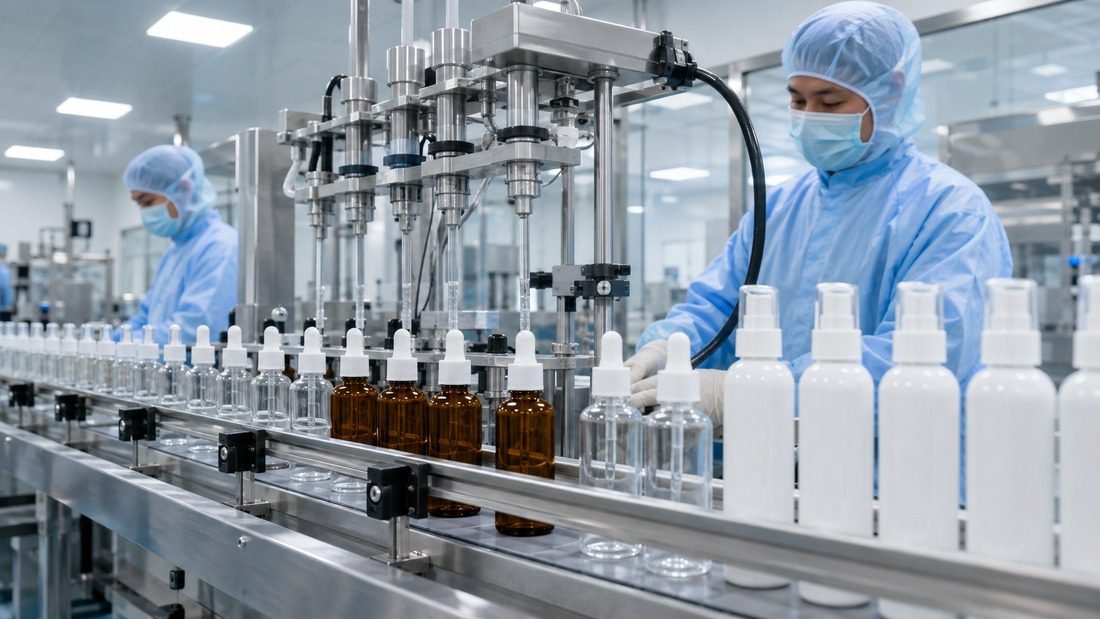
- Batch traceability: Can the factory trace a finished lot back to raw material lots within hours?
- Water system validation: Purified water is a critical ingredient in body care; ask for validation and monitoring records.
- Microbiological testing: In-house or accredited third-party testing with defined release criteria.
- Stability protocols: Accelerated and real-time data supporting your claimed shelf life.
- Cleaning validation: Changeover procedures between fragrance and actives to prevent cross-contamination.
- Documentation control: Version-controlled formulas, specifications, and certificates of analysis.
- Deviation handling: A documented CAPA process, not verbal assurances.
A factory that answers these questions with records, not reassurances, is worth a second conversation. Reviewing a Factory Tour and Quality Control process in advance helps buyers ask sharper questions during audits.
Practical Steps to Shortlist and Validate Suppliers
Start with a written specification: product type, fill size, packaging format, target markets, expected annual volume, and required certifications. Send the same brief to every candidate so responses are comparable.
Next, request samples through a structured Sample Development process. Evaluate texture, fragrance intensity, absorption, and packaging compatibility against your benchmark, and record results in a scoring sheet.
Then audit. A virtual audit covering production areas, warehousing, and QC labs is acceptable for first screening; an on-site or third-party audit is strongly recommended before bulk commitment. Confirm capacity with Bulk Production data, including line output and current booking levels for Q4.
Finally, verify export readiness. Ask for Export Support documentation including ingredient statements, MSDS, and certificates of analysis, and confirm the factory can support your market's regulatory filings.
MOQ, Pricing, and Lead-Time Benchmarks
| Factor | Typical Range | Buyer Action |
|---|---|---|
| MOQ per SKU | 1,000–5,000 units | Negotiate by consolidating SKUs |
| Unit price | Driven by formula and packaging | Compare on total landed cost |
| Sampling lead time | 7–15 days | Build into launch timeline |
| Bulk lead time | 25–45 days | Book Q4 capacity early |
| Stability data | 3 months accelerated | Request before launch |
Treat these as planning benchmarks, not fixed quotes; every factory structures MOQs differently depending on formula complexity and packaging tooling.
Case Evidence from Real Sourcing Markets
A UK-based indie brand sourcing body lotion for a Q4 launch found that two low-cost candidates could not provide accelerated stability data. The third supplier, selected after a virtual audit, delivered a compliant dossier and shipped on schedule, avoiding reformulation risk.
A UAE distributor importing body scrubs needed halal-relevant documentation and Arabic labeling support. The chosen manufacturer provided ingredient traceability and label translation coordination, which shortened customs clearance.
A US e-commerce seller scaling a body wash line used a private label program through Private Label Skincare to reduce development time, while an Australian spa group used Custom Formula development for a signature scrub. In each case, documented quality systems mattered more than the lowest quote.
Additional sourcing patterns are documented in Case Studies for buyers who want to benchmark their own evaluation criteria.
How Flavor Sources Supports Body Care Buyers
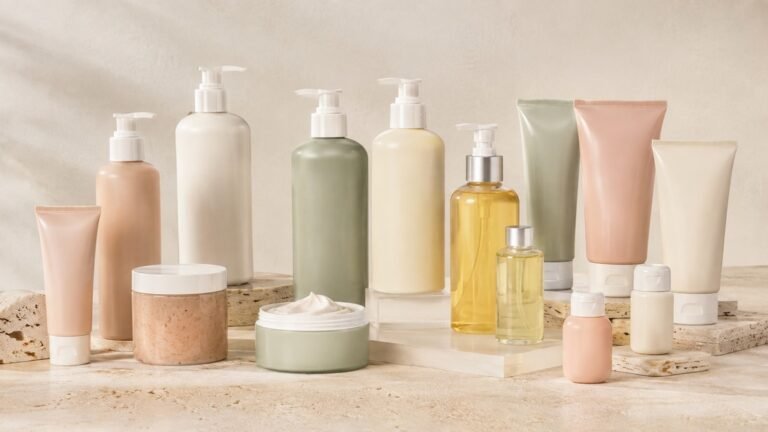
Flavor Sources operates as a body care manufacturer China 2026 Q4 buyers can evaluate against the framework above, with dedicated Body Care production covering lotions, scrubs, washes, and butters. Certification documentation is available through Certificates, and testing protocols are handled under Testing & Inspection.
Brands can also review Packaging Design support for shelf-ready formats, and importers can explore For Importers programs tailored to market-specific documentation.

FAQ
Is ISO 22716 the same as GMP?
ISO 22716 is the internationally recognized cosmetic GMP standard. It is often referred to simply as GMP, but buyers should confirm the certificate scope, issuing body, and audit date rather than accepting the term at face value.
How do I verify a factory's GMP certificate?
Check the certificate number with the issuing certification body, confirm the scope covers body care categories, and verify the expiry date. Cross-check against accreditation databases and request the most recent audit summary.
What MOQ should I expect for private label body care?
Typical MOQs range from 1,000 to 5,000 units per SKU, depending on formula complexity and packaging. Consolidating SKUs or accepting stock packaging can reduce minimums.
Can a Chinese body care factory support EU and US compliance?
Yes, provided the factory maintains current documentation, including safety assessment support for the EU and facility registration under FDA MoCRA for the US. Confirm this in writing before ordering.
How early should I book Q4 production capacity?
Aim to confirm formulas and packaging by late Q3. Sampling, stability testing, and bulk production together often require 8–12 weeks, and capacity tightens before Chinese New Year.
Author

 Scan to WhatsApp
About the Author
David Zhang has spent years in skincare formulation and quality control at Flavor Sources, a GMP ISO 22716-certified private label manufacturer based in Dongguan, China, serving brands in 50+ countries since 2000. Reach out to David's team for a custom formula consultation →
Ready to Evaluate a Body Care Partner?
Start with a documented brief and a structured sample request. You can request a free sample kit to benchmark texture and packaging, or get a quote for your Q4 body care program. Both routes give you the documentation needed to compare suppliers on quality systems, not just price.