The Complete Cream & Lotion Glossary for Japan Buyers in 2026: Essential Terms for Confident Sourcing
Looking for a comprehensive cream lotion glossary japan? This guide defines essential terms for buyers sourcing creams and lotions from Japan in 2026, covering manufacturing, regulatory, and packaging jargon to help you communicate confidently with suppliers and avoid costly misunderstandings.
Table of Contents
- Why a Cream Lotion Glossary for Japan Matters
- Essential Cream & Lotion Manufacturing Terms
- Regulatory and Compliance Terminology in Japan
- Packaging and Private Label Terms
- Practical Tips for Buyers
- Case Study: Successful Market Entry in Japan
- Frequently Asked Questions
- Ready to Source Creams and Lotions for Japan?
Why a Cream Lotion Glossary for Japan Matters
Sourcing creams and lotions from Japan offers access to high-quality manufacturing and innovative formulations. However, the terminology used in Japanese OEM/ODM contracts, product specifications, and regulatory documents can be confusing for international buyers. Without a clear understanding of key terms, you risk miscommunication, delays, and compliance issues. This cream lotion glossary japan equips you with the vocabulary needed to navigate the Japanese market effectively.
Essential Cream & Lotion Manufacturing Terms
Understanding manufacturing terminology is crucial for evaluating supplier capabilities and setting quality standards. Below are key terms you'll encounter when discussing cream & lotion manufacturing terms with Japanese partners.
Emulsion
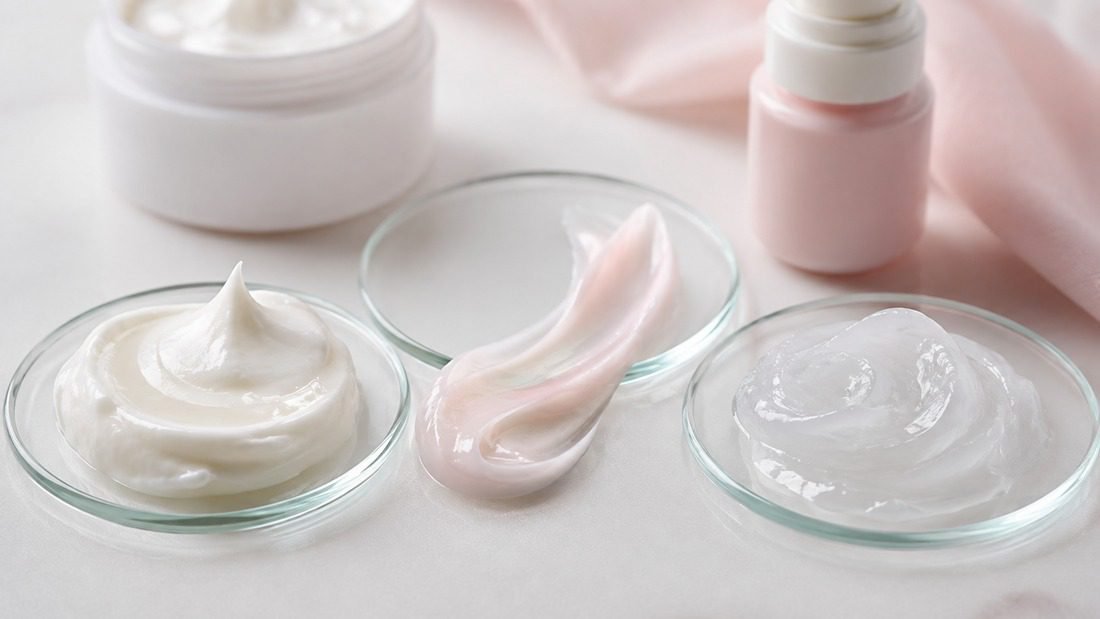
A mixture of two immiscible liquids (e.g., oil and water) stabilized by an emulsifier. Creams and lotions are typically emulsions, with the oil phase dispersed in the water phase (O/W) or vice versa (W/O). The type of emulsion affects texture, stability, and skin feel.
HLB (Hydrophilic-Lipophilic Balance)
A numerical scale (0-20) indicating the balance between hydrophilic (water-loving) and lipophilic (oil-loving) properties of an emulsifier. Choosing the right HLB value is critical for emulsion stability. Japanese suppliers often specify HLB requirements in formulations.
Viscosity
A measure of a fluid's resistance to flow. In creams and lotions, viscosity determines thickness and spreadability. Japanese buyers often specify viscosity ranges (e.g., 5,000-10,000 mPa·s) for quality control.
pH
The acidity or alkalinity of a formulation. Skin-friendly products typically have a pH between 4.5 and 6.5. Japanese regulations may require pH testing for certain claims.
Preservative Efficacy Test (PET)
A test to ensure the preservative system effectively prevents microbial growth. Japanese suppliers must comply with local standards, often aligned with ISO 11930.
Stability Testing
Accelerated and real-time tests to assess product shelf life under various conditions. Japanese OEMs typically conduct stability tests at 40°C/75% RH for 3-6 months.
| Term | Definition | Relevance to Buyers |
|---|---|---|
| Emulsion | Mixture of oil and water stabilized by emulsifier | Determines texture and stability |
| HLB | Balance of emulsifier's hydrophilic/lipophilic properties | Critical for formulation stability |
| Viscosity | Resistance to flow | Affects product feel and packaging compatibility |
| pH | Acidity/alkalinity | Impacts skin compatibility and regulatory compliance |
| PET | Preservative efficacy test | Ensures microbial safety |
| Stability Testing | Shelf-life assessment | Confirms product durability |
Regulatory and Compliance Terminology in Japan
Japan has strict regulations for cosmetics, and understanding the local oem odm cream & lotion terminology is essential for compliance. Here are key regulatory terms.
Pharmaceutical and Medical Device Act (PMDA)
Japan's regulatory framework for pharmaceuticals and cosmetics. Cosmetics are classified under “quasi-drugs” or “cosmetics” depending on claims and ingredients. The Pharmaceuticals and Medical Devices Agency (PMDA) oversees approvals. For more details, refer to the PMDA website.
Quasi-Drug (医薬部外品)
A category between cosmetics and drugs, allowing certain efficacy claims (e.g., whitening, anti-acne). Quasi-drug approval requires submitting formulations and efficacy data to the PMDA, a process that can take several months.
Cosmetics (化粧品)
Products with only cosmetic claims (e.g., moisturizing, cleansing). They do not require pre-market approval but must comply with ingredient restrictions and labeling requirements.
Ingredient Restrictions
Japan prohibits or restricts certain ingredients (e.g., formaldehyde, hydroquinone). Suppliers must provide a Certificate of Analysis (CoA) and confirm compliance with the Japanese Cosmetic Ingredient Codex.
Labeling Requirements
Labels must be in Japanese and include: product name, ingredients, net content, manufacturer, and usage instructions. For quasi-drugs, additional information like approval number is required.
Good Manufacturing Practice (GMP)
Japanese OEMs often follow GMP standards, ensuring consistent quality. ISO 22716 is the international GMP standard for cosmetics, widely recognized in Japan.
Packaging and Private Label Terms
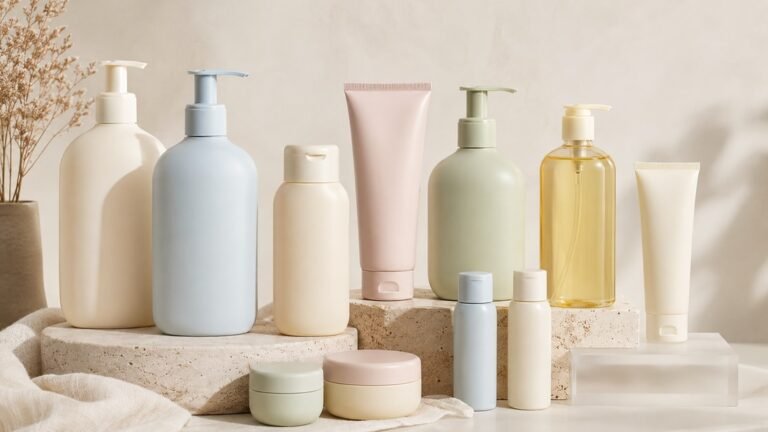
Packaging and private label services are integral to cream and lotion sourcing. Familiarize yourself with these terms to streamline your project.
Private Label
Products manufactured by an OEM with the buyer's brand name. Japanese private label manufacturers often offer stock formulations for faster turnaround. Learn more about Private Label Skincare.
OEM (Original Equipment Manufacturer)
A manufacturer that produces goods based on the buyer's specifications. In Japan, OEMs may assist with formulation development and regulatory compliance.
ODM (Original Design Manufacturer)
A manufacturer that designs and produces products under the buyer's brand. ODMs offer full-service solutions from concept to delivery.
Airless Pump
A packaging system that prevents air from entering the container, preserving product integrity. Popular for retinol and vitamin C products.
Tube
A common packaging format for creams and lotions. Japanese suppliers offer various tube types (e.g., laminate, plastic) with custom decoration options.
Sachet
Single-use packaging, ideal for samples and travel sizes. Often used in marketing campaigns.
For packaging design support, see Packaging Design.
Practical Tips for Buyers
- Clarify Emulsion Type: Specify O/W or W/O based on desired texture and skin feel.
- Request Stability Data: Ask for accelerated stability test results to ensure product shelf life.
- Confirm Regulatory Classification: Determine if your product falls under cosmetics or quasi-drugs, as this affects timelines and costs.
- Validate Preservative System: Ensure the preservative meets Japanese standards and is compatible with your formula.
- Plan for Labeling: Allocate time for label translation and compliance checks.
- Leverage Local Expertise: Partner with a manufacturer experienced in exporting to Japan, like Flavor Sources, which offers Export Support.
Case Study: Successful Market Entry in Japan
A UK-based skincare brand sought to launch a line of moisturizing creams in Japan. They faced challenges understanding quasi-drug regulations and emulsion terminology. By partnering with a Japanese OEM and using a cream lotion glossary japan as a reference, they clarified key terms, optimized their formulation for stability, and achieved compliance. The product line launched successfully in 2025, with strong sales in the first quarter. This demonstrates the value of terminology alignment in cross-border sourcing.
Frequently Asked Questions
1. What is the difference between a cream and a lotion?
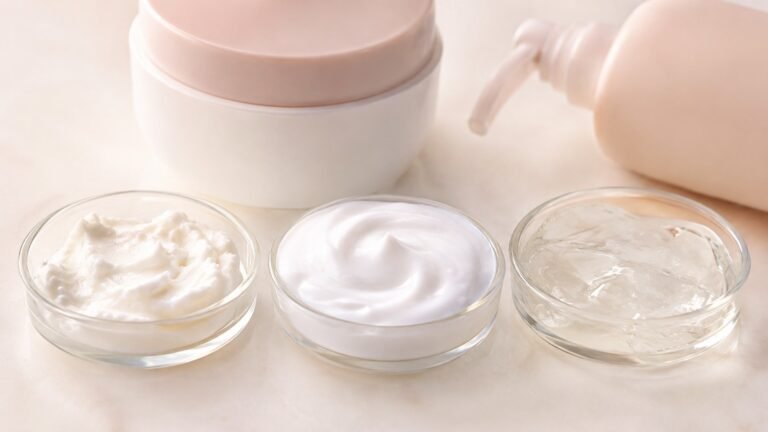
Creams are thicker emulsions with higher oil content, while lotions are lighter with higher water content. Viscosity and emulsifier selection differentiate them.
2. Do I need a local partner to import creams and lotions into Japan?
Yes, it's highly recommended. A local partner can help navigate regulations, handle labeling, and ensure compliance with PMDA requirements.
3. What is a quasi-drug, and does my product need approval?
Quasi-drugs are products with mild efficacy claims (e.g., whitening). They require PMDA approval, which can take 6-12 months. If your product only makes cosmetic claims, it's classified as a cosmetic and does not need pre-market approval.
4. How long does stability testing take for Japan?
Accelerated stability testing typically takes 3-6 months. Real-time testing may take up to 2 years, but accelerated data is often sufficient for launch.
5. Can I use my existing packaging for the Japanese market?
Possibly, but you must ensure labeling complies with Japanese regulations. Some packaging formats (e.g., airless pumps) are preferred for certain actives. Consult your manufacturer for guidance.

 Scan to WhatsApp
About the Author
David Zhang has spent years in skincare formulation and quality control at Flavor Sources, a GMP ISO 22716-certified private label manufacturer based in Dongguan, China, serving brands in 50+ countries since 2000. Reach out to David's team for a custom formula consultation →
Ready to Source Creams and Lotions for Japan?
Navigating the Japanese market requires the right partner. Flavor Sources offers comprehensive OEM/ODM services for creams and lotions, with expertise in formulation, regulatory compliance, and packaging. Request a sample or get a quote to start your project today.