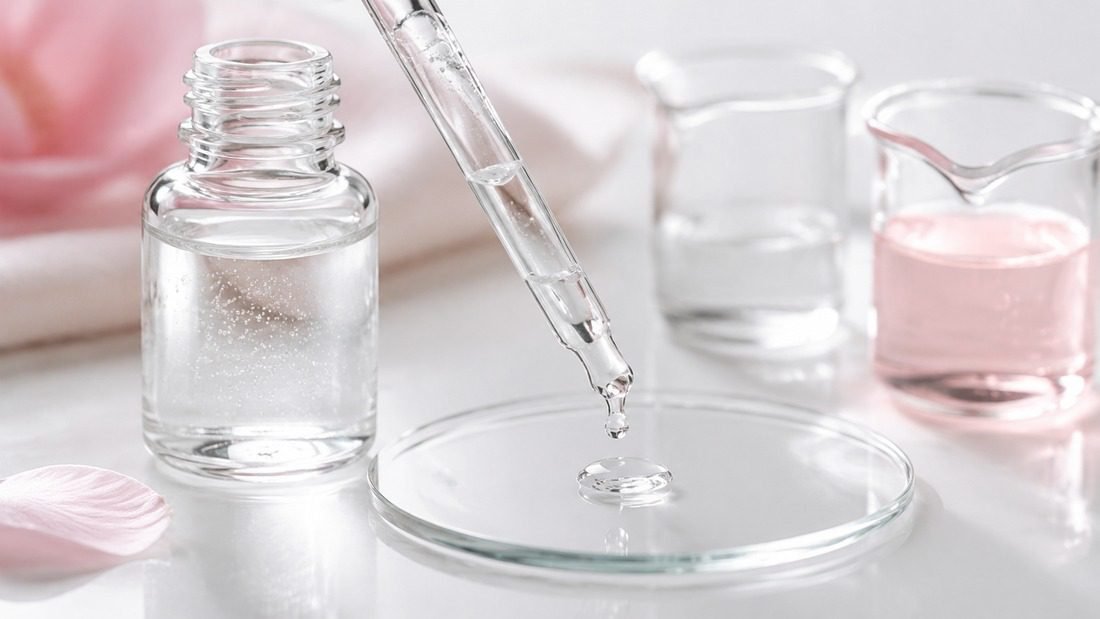
Ultimate Guide to Private Label Serum Importers Australia Quality Control in 2026
For Australian importers, ensuring quality control when sourcing private label serums is critical. Private label serum importers australia quality control involves rigorous batch testing, COA verification, stability studies, and pre-shipment inspections to meet TGA standards. This guide explains the essential steps to safeguard your brand and comply with Australian regulations in 2026.
Table of Contents
- Understanding the Quality Control Challenge
- Key Quality Control Concepts for Serum Importers
- Practical Steps for Australian Importers
- Case Studies: Real-World Examples
- Frequently Asked Questions (FAQ)
- What is a COA and why is it important for serum importers?
- How often should batch testing be performed?
- What is stability testing and how long should it take?
- Why is pre-shipment inspection important?
- How can I verify that my serum complies with Australian regulations?
- What certifications should I look for in a manufacturer?
- Author Trust Module
- Ready to Source Quality Serums?
Understanding the Quality Control Challenge
Importing private label serums from overseas manufacturers presents unique quality challenges. Australian importers must navigate complex regulations, including TGA requirements for therapeutic goods and cosmetics, while ensuring product efficacy and safety. Without proper quality control, risks include batch inconsistencies, contamination, and regulatory non-compliance. This can lead to costly recalls, brand damage, and legal penalties.
Moreover, the global supply chain introduces variables such as raw material variability, manufacturing process differences, and transportation conditions. Australian importers need a robust quality control framework to mitigate these risks. This article provides a comprehensive overview of quality control for private label serum importers in Australia, covering key concepts, practical steps, and real-world examples.
Key Quality Control Concepts for Serum Importers
To ensure the quality of private label serums, importers must understand several core concepts. These include Certificate of Analysis (COA), batch testing, stability testing, and pre-shipment inspection. Each plays a vital role in verifying product quality and compliance.
Certificate of Analysis (COA)
A COA is a document provided by the manufacturer that details the test results for a specific batch of serum. It typically includes tests for identity, purity, potency, and microbial contamination. For Australian importers, a COA is essential for verifying that the serum meets specifications and regulatory requirements. Always ensure the COA is issued by an accredited laboratory and matches the batch number on the product.
Batch Testing
Batch testing involves analyzing samples from each production batch to confirm consistency and quality. This includes physical, chemical, and microbiological tests. For serums, key tests might include pH, viscosity, active ingredient concentration, and preservative efficacy. Batch testing helps identify deviations early and ensures that every batch meets the same standards.
Stability Testing
Stability testing evaluates how the serum's quality changes over time under various environmental conditions (temperature, humidity, light). This is crucial for determining shelf life and ensuring the product remains safe and effective throughout its intended use. Australian importers should request stability data from the manufacturer, ideally covering at least 12-24 months.
Pre-Shipment Inspection
Pre-shipment inspection (PSI) is a physical inspection of the goods before they leave the factory. It verifies quantity, packaging, labeling, and overall condition. PSI can also include sampling for independent testing. This step helps catch issues before products are shipped, reducing the risk of costly returns or delays.
Below is a comparison table summarizing these key concepts:
| Concept | Purpose | When to Use | Key Deliverable |
|---|---|---|---|
| COA | Verify batch meets specifications | After production, before shipment | Document with test results |
| Batch Testing | Ensure consistency across batches | During production | Test reports per batch |
| Stability Testing | Determine shelf life and safety | During product development | Stability study report |
| Pre-Shipment Inspection | Confirm order details and quality | Before shipment | Inspection report |
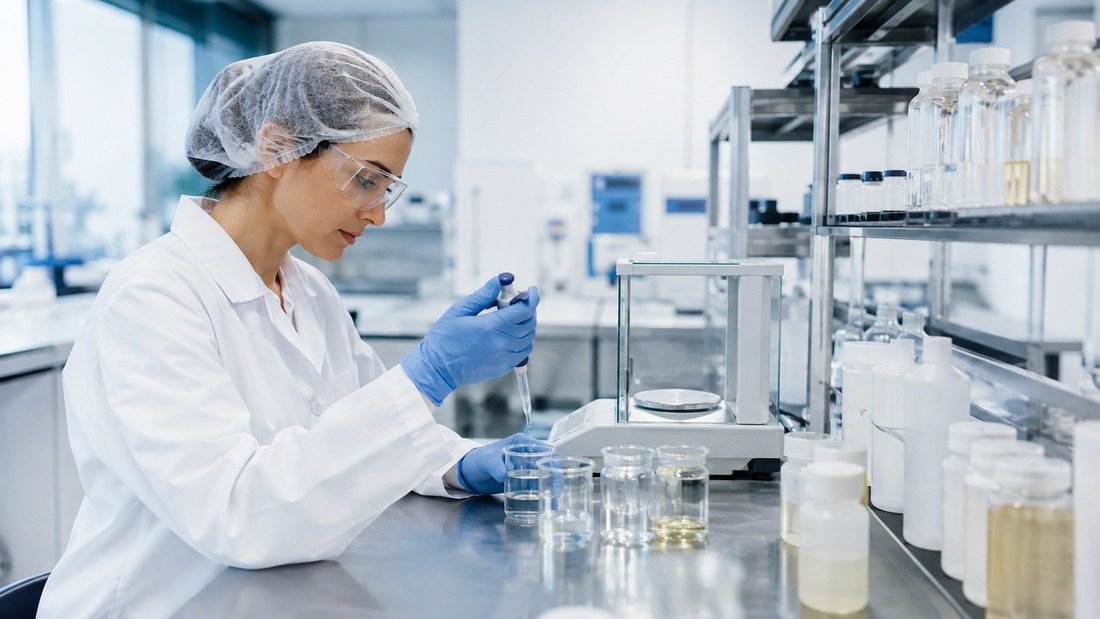
Practical Steps for Australian Importers
Implementing effective quality control requires a systematic approach. Here are practical steps for private label serum importers in Australia.
1. Choose a Reputable Manufacturer
Select a manufacturer with a proven track record in quality control. Look for certifications such as ISO 22716 (Good Manufacturing Practices for cosmetics) and evidence of compliance with Australian regulations. Request a Factory Tour or virtual audit to assess their facilities and processes.
2. Establish Clear Specifications
Work with your manufacturer to define detailed specifications for your serum, including active ingredients, pH, viscosity, color, and odor. These specifications should be documented in a Quality Agreement, which outlines responsibilities for testing and compliance.
3. Require Comprehensive Testing
Insist on batch testing for every production run. For serums, key tests include:
- Microbiological testing: Total plate count, yeast & mold, pathogens (e.g., Staphylococcus aureus, Pseudomonas aeruginosa).
- Chemical testing: Active ingredient assay, pH, heavy metals (lead, mercury, arsenic, cadmium).
- Physical testing: Viscosity, appearance, odor.
Ensure the manufacturer provides a COA for each batch, and consider third-party testing for verification. For more details on testing procedures, refer to Testing & Inspection.
4. Conduct Stability Studies
Request stability data from the manufacturer. Ideally, this should include accelerated stability testing (e.g., 3 months at 40°C/75% RH) and real-time testing. This data helps establish a shelf life that is appropriate for the Australian market, where temperature and humidity can vary significantly.
5. Perform Pre-Shipment Inspections
Arrange for a pre-shipment inspection before goods are dispatched. This can be done by a third-party inspection company or your own representative. The inspection should cover:
- Quantity and packaging integrity
- Labeling accuracy (including Australian regulatory requirements)
- Sampling for independent testing
For more on inspection services, see Quality Control.
6. Verify Compliance with Australian Regulations
Ensure your serum complies with Australian regulations, including TGA requirements for cosmetics and therapeutic goods. This may involve checking ingredient restrictions, labeling requirements, and claims substantiation. The TGA provides guidance on cosmetic products, and importers should stay updated with any changes.
7. Maintain Documentation
Keep detailed records of all quality control activities, including COAs, test reports, stability data, and inspection reports. This documentation is essential for regulatory audits and traceability.
Case Studies: Real-World Examples
While we cannot disclose specific client names, we can share anonymized examples of how importers in various countries have successfully implemented quality control for private label serums.
Case Study 1: Australian Importer of Anti-Aging Serum
An Australian importer sourced a private label anti-aging serum from an Asian manufacturer. They implemented a rigorous quality control program, including batch testing for active ingredients (retinol and hyaluronic acid) and stability testing. During a pre-shipment inspection, they discovered a labeling error that could have led to regulatory issues. By catching it early, they avoided a potential recall and ensured smooth customs clearance. The importer now requires COAs for every batch and conducts annual supplier audits.
Case Study 2: UK Brand Launching Vitamin C Serum
A UK-based brand launched a vitamin C serum with a contract manufacturer. They insisted on stability testing, which revealed that the serum's color changed significantly after 6 months at elevated temperatures. The manufacturer reformulated the product with a more stable vitamin C derivative, and the brand now markets the serum with a 12-month shelf life. This proactive approach prevented customer complaints and returns.
Case Study 3: UAE Distributor of Hydrating Serum
A UAE distributor imported a hydrating serum from Europe. They conducted pre-shipment inspections and microbiological testing. One batch failed microbial testing due to contamination. The manufacturer investigated and found a cleaning issue in the filling line. The batch was rejected, and the manufacturer implemented corrective actions. The distributor's vigilance protected consumers and their brand reputation.
These examples highlight the importance of quality control in preventing issues and ensuring product success.

Frequently Asked Questions (FAQ)
What is a COA and why is it important for serum importers?
A COA (Certificate of Analysis) is a document that provides test results for a specific batch of serum. It is important because it verifies that the product meets specifications and regulatory standards. Australian importers should always request a COA for each batch and ensure it is issued by an accredited laboratory.
How often should batch testing be performed?
Batch testing should be performed on every production batch to ensure consistency. For serums, this includes microbiological, chemical, and physical tests. Regular testing helps identify deviations early and maintain product quality.
What is stability testing and how long should it take?
Stability testing evaluates how a product's quality changes over time under various conditions. It typically includes accelerated testing (e.g., 3 months at 40°C/75% RH) and real-time testing (up to 24-36 months). The results determine the product's shelf life and storage conditions.
Why is pre-shipment inspection important?
Pre-shipment inspection (PSI) is a physical check of goods before they are shipped. It helps catch issues such as incorrect labeling, packaging defects, or quantity discrepancies. PSI reduces the risk of costly returns and ensures that the order meets your specifications.
How can I verify that my serum complies with Australian regulations?
You should ensure that the product complies with TGA requirements for cosmetics. This includes checking ingredient restrictions, labeling, and claims. Consult the TGA website for guidance, and consider working with a regulatory consultant if needed.
What certifications should I look for in a manufacturer?
Look for certifications such as ISO 22716 (GMP for cosmetics) and ISO 9001 (quality management). These indicate that the manufacturer has established quality systems. Also, check for compliance with Australian regulations and any relevant industry standards.
Author Trust Module

 Scan to WhatsApp
About the Author
David Zhang has spent years in skincare formulation and quality control at Flavor Sources, a GMP ISO 22716-certified private label manufacturer based in Dongguan, China, serving brands in 50+ countries since 2000. Reach out to David's team for a custom formula consultation →
Ready to Source Quality Serums?
Ensuring quality control for private label serums is essential for Australian importers. By following the steps outlined in this guide, you can safeguard your brand and deliver safe, effective products to your customers. Flavor Sources offers comprehensive OEM/ODM services, including custom formulation, packaging design, and rigorous quality control. To learn more about our Serum offerings, visit our product page. For importers seeking reliable partners, we provide Export Support and Testing & Inspection services. Request a sample or get a quote today to start your quality serum journey.