Serum vs Face Oil Quality Control: The Ultimate 2028 Comparison for Smart Brands
When choosing between serum and face oil, quality control (QC) is the deciding factor. Serum vs face oil quality control hinges on formulation stability, testing rigor, and manufacturing standards. Serums typically demand stricter microbial and pH control, while face oils focus on oxidation and rancidity. For 2028, a QC-driven approach ensures your private label product meets safety and efficacy expectations.
Table of Contents
- Why Quality Control Matters in the Serum vs Face Oil Decision
- Key Quality Control Differences: Serum vs Face Oil
- Practical Advice for Brands: Selecting a QC-Focused Manufacturer
- Case Studies: Quality Control in Action
- Frequently Asked Questions
- 1. Which format requires more quality control testing: serum or face oil?
- 2. Can I use the same preservative system for serum and face oil?
- 3. How long does stability testing take for each format?
- 4. What certifications should I look for in a manufacturer?
- 5. How does packaging affect quality control for serums and face oils?
- 6. What is the typical shelf life for serum and face oil?
- Ready to Choose with Confidence?
Why Quality Control Matters in the Serum vs Face Oil Decision
Brands often compare serum and face oil on sensory appeal or marketing claims. Yet, the real differentiator lies in quality control. A poorly controlled serum can suffer phase separation or microbial contamination, while a face oil may turn rancid or lose potency. These issues lead to recalls, consumer distrust, and financial loss.
In 2028, regulatory scrutiny is tighter. The EU Cosmetics Regulation (EC) No 1223/2009 requires a Cosmetic Product Safety Report (CPSR) for both formats. In the US, the FDA's MoCRA (Modernization of Cosmetics Regulation Act) enforces stricter adverse event reporting and facility registration. Without robust QC, your brand risks non-compliance.
Thus, the serum vs face oil quality control comparison is not academic—it's a strategic move. By understanding the QC demands of each format, you can select a manufacturer that aligns with your quality benchmarks.
Key Quality Control Differences: Serum vs Face Oil
Serums are aqueous or hydro-alcoholic formulations, often containing actives like hyaluronic acid or vitamin C. Their water content makes them prone to microbial growth, requiring preservative efficacy testing and strict hygiene during production. pH stability is critical; fluctuations can degrade actives or irritate skin.
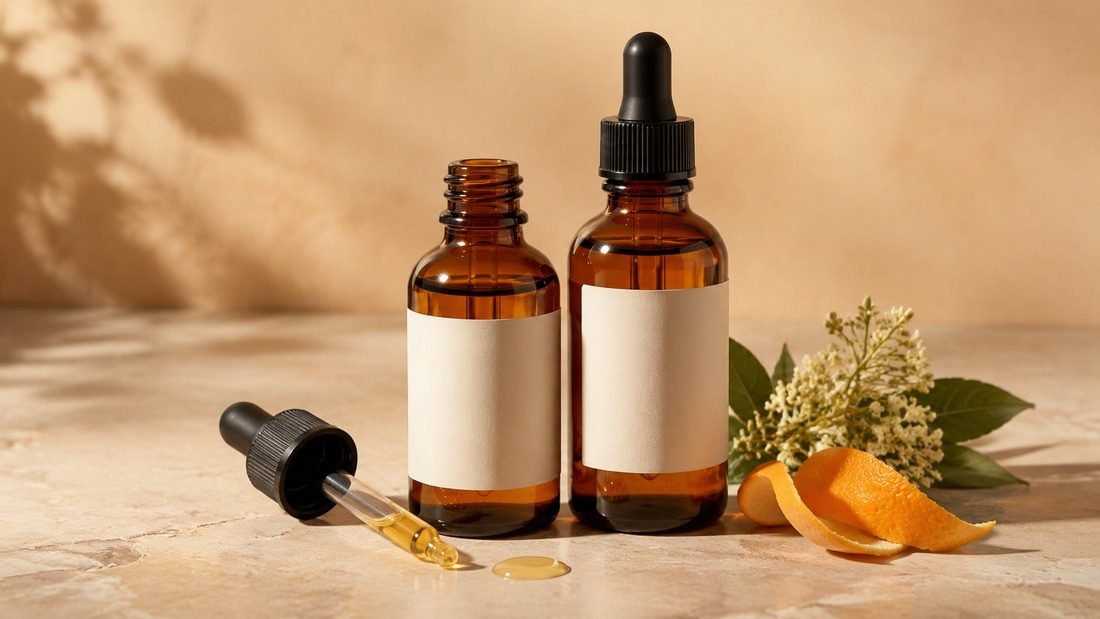
Face oils are anhydrous, typically blends of plant oils and esters. Without water, microbial risk is low, but oxidation is the enemy. Rancidity leads to off-odors and skin irritation. QC focuses on peroxide value, anisidine value, and oxidative stability tests (e.g., Rancimat).
Below is a comparison table summarizing the main QC parameters.
| QC Parameter | Serum | Face Oil |
|---|---|---|
| Microbial Testing | Challenge test (ISO 11930) required | Limited microbial risk; still test raw materials |
| Stability Testing | Accelerated (3 months at 40°C) and real-time | Accelerated for oxidation; peroxide value monitoring |
| pH Control | Critical (target range 4.5–6.5) | Not applicable (anhydrous) |
| Packaging Compatibility | Preservative interactions, container closure | Oxidation barrier, light protection |
| Shelf Life | Typically 24–36 months | 18–24 months (oxidation-limited) |
This table highlights that serum vs face oil quality control requires different testing protocols. A manufacturer experienced in both formats can tailor QC plans accordingly.
Stability Testing: A Deeper Look
For serums, stability testing evaluates physical (phase separation), chemical (active degradation), and microbiological stability. Accelerated conditions (40°C/75% RH) predict long-term behavior. For face oils, oxidation stability is paramount. Tests like the Rancimat method measure induction time, while peroxide value tracks early oxidation.
Practical Advice for Brands: Selecting a QC-Focused Manufacturer
When sourcing serum or face oil, ask potential partners about their QC protocols. A reliable OEM/ODM should provide:
- Certifications: ISO 22716 (GMP) is a baseline. Additional certifications like ISO 9001 or organic certifications may be relevant.
- Testing Capabilities: In-house or accredited third-party labs for microbial, stability, and safety testing.
- Documentation: Certificates of Analysis (CoA) for each batch, safety data sheets (SDS), and CPSR.
- Traceability: Raw material sourcing and batch records.
For serums, ensure the manufacturer conducts preservative efficacy tests (ISO 11930) and pH checks on every batch. For face oils, verify oxidation testing and raw material quality (e.g., free fatty acid content).
At Flavor Sources, we emphasize quality control at every stage. Our Quality Control page details our rigorous testing. For brands seeking a serum partner, our Serum production line integrates strict microbial and stability checks. Likewise, our face oil formulations undergo oxidative stability testing.
Consider requesting samples to evaluate texture and stability. Our Sample Development service allows you to test prototypes before committing to bulk production.
Case Studies: Quality Control in Action
While we cannot disclose client names, we can share anonymized examples from various markets.
- UK Brand: A startup launched a vitamin C serum. During accelerated stability testing, we detected color change and pH drift. By adjusting the formula and packaging (airless pump), we achieved a stable product with 24-month shelf life.
- UAE Distributor: Sourced a face oil blend for a luxury line. Our QC team identified raw material oxidation through peroxide value testing, prompting a supplier switch. The final product passed Rancimat testing with a shelf life of 24 months.
- US E-commerce Seller: Required a private label serum with hyaluronic acid. We conducted preservative efficacy testing per ISO 11930, ensuring microbial safety. The product launched successfully with no adverse events.
- Australian Spa Chain: Needed a face oil for sensitive skin. We performed stability testing under varying temperatures, confirming no phase separation or rancidity. The product now enjoys repeat orders.
These cases underscore that serum vs face oil quality control is not a one-size-fits-all. Tailored QC ensures market success.
Frequently Asked Questions
1. Which format requires more quality control testing: serum or face oil?
Serums generally require more extensive testing due to water content, including microbial challenge tests and pH monitoring. Face oils need oxidation testing but have lower microbial risk. Both demand stability testing.
2. Can I use the same preservative system for serum and face oil?
No. Face oils are anhydrous and typically do not require preservatives. Serums need a preservative system validated by challenge testing. Using a serum preservative in oil is ineffective and may cause irritation.
3. How long does stability testing take for each format?
Accelerated stability testing typically takes 3 months for both. Real-time testing may extend to 24–36 months for serums and 18–24 months for face oils, depending on formulation.
4. What certifications should I look for in a manufacturer?
ISO 22716 (GMP) is essential. For export to the EU, ensure the manufacturer can provide a CPSR. For the US, MoCRA compliance is crucial. Additional certifications like ISO 9001 indicate quality management.
5. How does packaging affect quality control for serums and face oils?
Packaging compatibility is critical. Serums may interact with certain plastics or pumps, affecting preservative efficacy. Face oils require packaging that blocks light and oxygen to prevent oxidation. Our Packaging Design team can help select appropriate materials.
6. What is the typical shelf life for serum and face oil?
With proper QC, serums can achieve 24–36 months, while face oils typically last 18–24 months due to oxidation. Proper packaging and antioxidant use can extend face oil shelf life.

 Scan to WhatsApp
About the Author
David Zhang has spent years in skincare formulation and quality control at Flavor Sources, a GMP ISO 22716-certified private label manufacturer based in Dongguan, China, serving brands in 50+ countries since 2000. Reach out to David's team for a custom formula consultation →
Ready to Choose with Confidence?
Don't let quality control be an afterthought. Whether you lean toward serum or face oil, partnering with a manufacturer that prioritizes QC is essential. At Flavor Sources, we combine rigorous testing with decades of OEM/ODM expertise. To experience the difference, request a sample of our serum or face oil bases. Alternatively, get a quote for your custom project. Let us help you bring a safe, stable, and successful product to market in 2028 and beyond.