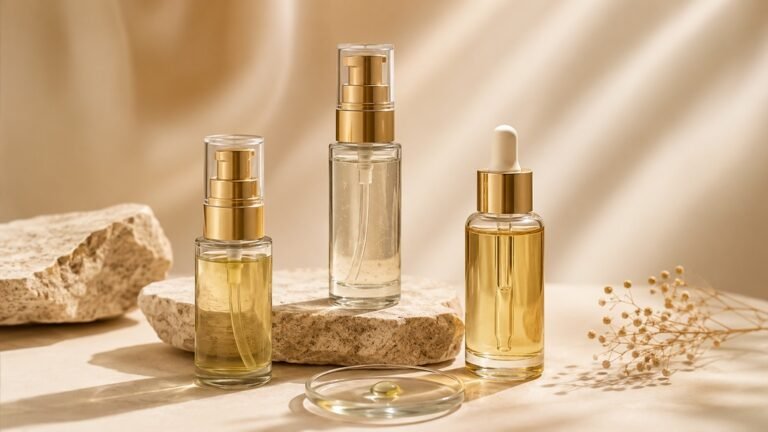
Cream & Lotion vs Night Cream in 2026: The Ultimate Guide to Formulation & Ingredient Sourcing
When comparing cream lotion vs night cream formulation ingredient sourcing, the key difference lies in their purpose: creams and lotions are versatile daily moisturizers, while night creams are specialized leave-on treatments for overnight repair. For 2026, winning brands will source both formats strategically, leveraging a manufacturer that offers flexible formulation and transparent ingredient sourcing.
Table of Contents
- What Is the Difference Between Cream & Lotion and Night Cream?
- Formulation Comparison: Cream & Lotion vs Night Cream
- Practical Tips for Sourcing Cream & Lotion and Night Cream
- Case Studies: Successful Sourcing Strategies
- Frequently Asked Questions
- 1. Can I use the same manufacturer for both cream & lotion and night cream?
- 2. What are the key regulatory considerations for night creams?
- 3. How can I ensure ingredient quality for night creams?
- 4. What is the typical lead time for private label cream and lotion production?
- 5. How do I choose between cream and lotion for my brand?
- Author Trust Module
- Ready to Develop Your Cream & Lotion or Night Cream?
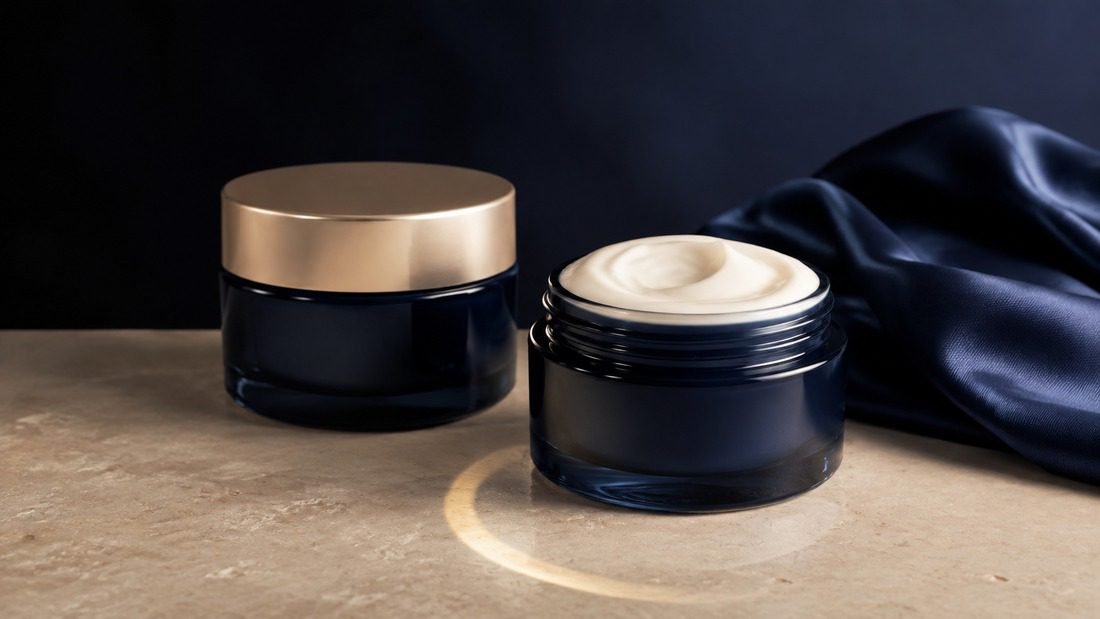
What Is the Difference Between Cream & Lotion and Night Cream?
The core question in cream lotion vs night cream formulation ingredient sourcing is how these products serve different skin needs. Creams and lotions are designed for daily hydration and protection, often with lighter textures for daytime use. Night creams, on the other hand, are formulated to support the skin's natural repair processes overnight, typically with richer textures and active ingredients that work best during rest.
Understanding these differences is crucial for brands planning their 2026 product lines. Whether you're developing a private label cream and lotion range or a specialized night cream, the formulation and sourcing strategies will vary significantly.
Formulation Comparison: Cream & Lotion vs Night Cream
When it comes to formulation, cream lotion vs night cream formulation ingredient sourcing requires a nuanced approach. Below is a comparison table highlighting key aspects:
| Aspect | Cream & Lotion | Night Cream |
|---|---|---|
| Primary Function | Daily hydration, protection | Overnight repair, regeneration |
| Texture | Light to medium, fast-absorbing | Richer, more occlusive |
| Key Ingredients | Humectants (glycerin), emollients (jojoba oil), UV filters | Peptides, retinoids, antioxidants, ceramides |
| Emulsifier System | Often lightweight, oil-in-water | Water-in-oil or rich oil-in-water |
| pH Range | Typically 4.5-6.5 | Often 4.0-6.0 (depending on actives) |
| Preservation | Standard broad-spectrum | May require enhanced preservation for actives |
| Testing Requirements | Stability, compatibility | Additional efficacy and compatibility testing |
Ingredient Sourcing Considerations
Ingredient sourcing for cream lotion vs night cream formulation ingredient sourcing differs in complexity. Creams and lotions often use widely available commodities like glycerin, mineral oil, and common emulsifiers. Night creams may require specialty actives such as encapsulated retinol, peptides, and botanical extracts, which demand careful sourcing from reputable suppliers with documented traceability.
For brands aiming to differentiate, sourcing certified organic or sustainably produced ingredients can be a competitive advantage. Working with a manufacturer that has established relationships with ingredient suppliers ensures consistent quality and supply chain resilience.
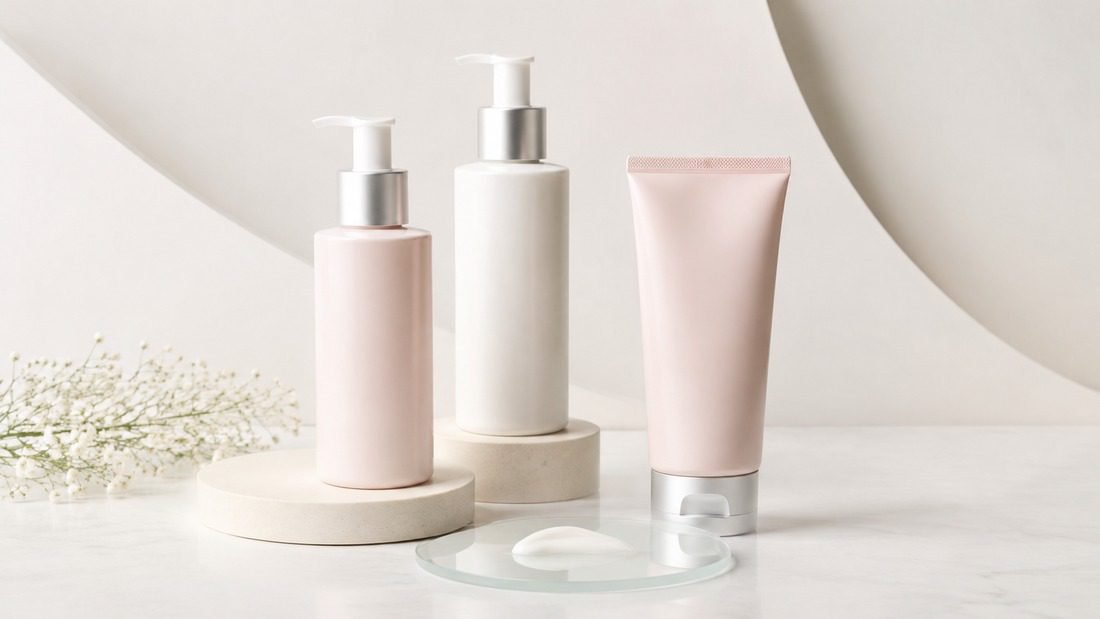
Practical Tips for Sourcing Cream & Lotion and Night Cream
When developing your product line, consider these practical tips for cream lotion vs night cream formulation ingredient sourcing:
- Define Your Target Market: Determine whether your audience prioritizes daily hydration or overnight repair. This guides formulation and sourcing priorities.
- Choose the Right Manufacturer: Partner with an OEM/ODM that offers both Cream & Lotion and night cream capabilities. This allows you to streamline production and sourcing.
- Prioritize Ingredient Transparency: Request documentation on ingredient origins, certifications, and stability data. This is especially important for night creams with active ingredients.
- Consider Custom Formulation: If you need a unique product, explore Custom Formula services to tailor the product to your brand's needs.
- Plan for Testing: Ensure your manufacturer conducts rigorous Testing & Inspection to verify stability and safety.
- Leverage Sample Development: Before committing to bulk production, use Sample Development to test prototypes and refine formulations.
Case Studies: Successful Sourcing Strategies
Brands in various markets have successfully navigated cream lotion vs night cream formulation ingredient sourcing. For example, a UK-based skincare brand launched a private label cream and lotion line using locally sourced ingredients to appeal to eco-conscious consumers. By partnering with a manufacturer that provided full traceability, they built trust and achieved strong retail placement.
In the UAE, a luxury spa chain developed a night cream featuring rare botanical extracts sourced from sustainable farms. The manufacturer's expertise in sourcing and formulation ensured product stability in hot climates, leading to repeat orders.
An Australian e-commerce seller focused on a lightweight daily lotion with Australian-made ingredients, capitalizing on the “clean beauty” trend. The manufacturer's flexible sourcing and small-batch production capabilities allowed for a quick market launch.
These examples highlight the importance of aligning sourcing strategies with market positioning and consumer expectations.
Frequently Asked Questions
1. Can I use the same manufacturer for both cream & lotion and night cream?
Yes, many OEM/ODM manufacturers offer both. It's efficient to consolidate production with a partner experienced in both formats, like Flavor Sources, which provides Cream & Lotion and night cream solutions.
2. What are the key regulatory considerations for night creams?
Night creams with active ingredients may require additional safety assessments. Ensure your manufacturer complies with regulations such as the EU Cosmetics Regulation or FDA MoCRA. Refer to ISO 22716 for good manufacturing practices.
3. How can I ensure ingredient quality for night creams?
Work with a manufacturer that sources from reputable suppliers and provides certificates of analysis (CoA) for each ingredient. Request stability testing data to confirm compatibility.
4. What is the typical lead time for private label cream and lotion production?
Lead times vary by complexity and order size, but typically range from 4-8 weeks after sample approval. Discuss timelines with your manufacturer early in the process.
5. How do I choose between cream and lotion for my brand?
Consider your target consumer's skin type and preferences. Lotions are lighter and suitable for oily or normal skin, while creams offer richer hydration for dry skin. For nighttime, a dedicated night cream can provide additional benefits.
Author Trust Module

 Scan to WhatsApp
About the Author
David Zhang has spent years in skincare formulation and quality control at Flavor Sources, a GMP ISO 22716-certified private label manufacturer based in Dongguan, China, serving brands in 50+ countries since 2000. Reach out to David's team for a custom formula consultation →
Ready to Develop Your Cream & Lotion or Night Cream?
Whether you're launching a new private label cream and lotion line or expanding into night creams, Flavor Sources offers comprehensive OEM/ODM services. Our expertise in formulation and ingredient sourcing ensures your products meet the highest standards. To get started, request a sample or get a quote today. Let us help you bring your vision to life with reliable, high-quality manufacturing.