The Ultimate Cream Lotion Glossary Spain 2028: 25 Terms Every Importer Must Know
As a Spain-based importer, understanding cream lotion glossary Spain terms is essential for smooth sourcing. This glossary covers 25 key manufacturing and regulatory terms, helping you communicate effectively with OEM/ODM partners and ensure compliance with EU and Spanish rules.
Table of Contents
Why a Cream Lotion Glossary Spain Importers Need
Importing creams and lotions into Spain involves more than just product selection. You must navigate a maze of technical jargon, regulatory acronyms, and manufacturing terms. Without a clear grasp of this vocabulary, misunderstandings can lead to delays, compliance failures, or costly rework. This glossary is tailored for Spanish importers, focusing on terms you'll encounter when sourcing from OEM/ODM manufacturers. Whether you're a distributor, brand owner, or e-commerce seller, mastering these terms will streamline your communication and reduce risk.
Key Manufacturing Terms for Cream & Lotion
When discussing cream lotion glossary Spain with suppliers, you'll hear terms like O/W emulsion, viscosity, and stability. Here are the essentials:
- O/W (Oil-in-Water) Emulsion: A system where oil droplets are dispersed in water, typical for light lotions.
- W/O (Water-in-Oil) Emulsion: Water droplets dispersed in oil, richer creams.
- Viscosity: Thickness of the product; measured in cP or mPas.
- pH: Acidity/alkalinity; crucial for skin compatibility and preservative efficacy.
- Stability Testing: Ensures product remains unchanged under various conditions.
- Preservative Efficacy Test (PET): Confirms preservative system works.
- Active Ingredient: Substance delivering the product's intended benefit.
- Emollient: Softens and smooths skin.
- Humectant: Attracts and retains moisture.
- Surfactant: Reduces surface tension; used in cleansing products.
- Rheology Modifier: Adjusts flow and texture.
- Chelating Agent: Improves preservative performance by binding metal ions.
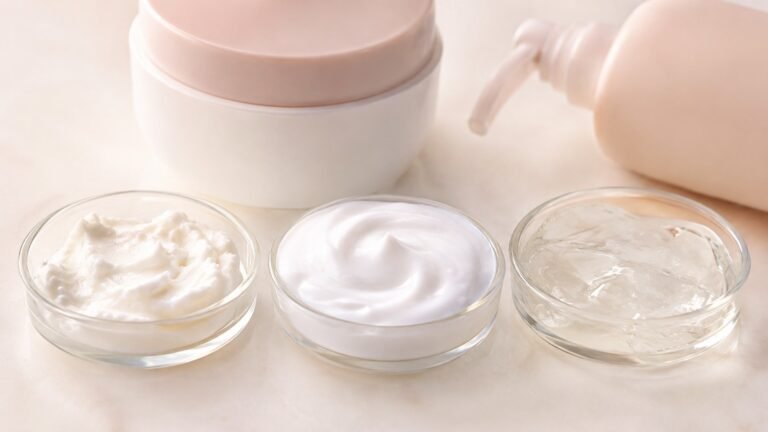
Comparison Table: O/W vs. W/O Emulsions
| Property | O/W Emulsion | W/O Emulsion |
|---|---|---|
| Feel | Light, non-greasy | Rich, occlusive |
| Water content | High (>50%) | Low (<50%) |
| Typical use | Lotions, light creams | Heavy creams, balms |
| Skin hydration | Quick absorption | Long-lasting barrier |
Understanding these terms helps you specify the right product for the Spanish market, where consumers favor light textures for daytime and richer creams for night.

Regulatory and Compliance Terminology
Spain, as part of the EU, enforces strict cosmetic regulations. Key terms include:
- CPNP (Cosmetic Products Notification Portal): EU online notification system for cosmetics.
- PIF (Product Information File): Dossier with technical and safety data for each product.
- CPSR (Cosmetic Product Safety Report): Safety assessment by a qualified professional.
- INCI (International Nomenclature of Cosmetic Ingredients): Standardized ingredient names.
- GMP (Good Manufacturing Practice): Production standards (ISO 22716).
- Responsible Person: Entity ensuring compliance; can be importer or manufacturer.
- MoCRA (Modernization of Cosmetics Regulation Act): US regulation, but relevant for global brands.
- SDS (Safety Data Sheet): Provides hazard information for handling.
For a comprehensive overview of EU regulations, refer to the European Commission's cosmetics page.
Private Label and OEM/ODM Terms
If you're considering private label, these terms are vital:
- MOQ (Minimum Order Quantity): Smallest order a manufacturer accepts.
- Lead Time: Time from order to delivery.
- Custom Formula: Unique formulation developed for your brand.
- Stock Formula: Ready-made formulation available for private label.
- Turnkey Service: Full-service from formulation to packaging.
- Bulk Production: Large-scale manufacturing.
- Sample Development: Process of creating product samples.
- Packaging Design: Custom packaging solutions.
When sourcing cream lotion glossary Spain, knowing these terms ensures you can negotiate effectively and avoid misunderstandings.
Practical Tips for Spain Importers
- Request a glossary from your supplier: Ask for a list of terms they use to ensure alignment.
- Clarify regulatory responsibilities: Determine who acts as the Responsible Person.
- Verify certifications: Ensure your manufacturer has GMP, ISO 22716, and can provide CPSR.
- Use standard INCI names: Avoid confusion by using INCI in all communications.
- Understand MOQs and lead times: Plan your inventory accordingly.
- Ask for stability and compatibility testing reports: These are critical for product quality.
For importers seeking reliable OEM/ODM partners, our For Importers page offers tailored guidance.
Case Examples: Applying the Glossary
- UK Brand: A UK-based brand launched a private label cream in Spain. By understanding CPNP and PIF requirements, they avoided delays and achieved compliance in 8 weeks.
- UAE Distributor: A distributor from the UAE used our Cream & Lotion glossary to specify a light O/W emulsion for Spain's summer, resulting in high customer satisfaction.
- US E-commerce Seller: An American seller sourced custom formulas with clear MOQs and lead times, enabling a smooth entry into the Spanish market.
- Australian Spa Chain: An Australian spa chain used our terminology guide to communicate exact viscosity and pH requirements, ensuring product consistency.
These examples show how mastering the cream lotion glossary Spain can lead to successful market entry.
FAQ
Q1: What is the difference between a cream and a lotion?
A: Creams are thicker, with higher oil content, while lotions are lighter and water-based. The distinction often lies in viscosity and oil-to-water ratio.
Q2: Do I need a Responsible Person in Spain?
A: Yes, if you are importing cosmetics into the EU, you must have a Responsible Person established in the EU. This can be your manufacturer or a third-party service.
Q3: What is CPSR and why is it important?
A: CPSR (Cosmetic Product Safety Report) is a mandatory safety assessment for each cosmetic product in the EU. It ensures the product is safe for human health.
Q4: How long does it take to develop a custom cream?
A: Typically 4-8 weeks for sample development, plus stability testing (4-12 weeks) and production lead time (4-6 weeks).
Q5: Can you help with CPNP notification?
A: Yes, we provide Export Support including documentation for CPNP and PIF.
Q6: What is the MOQ for private label creams?
A: MOQs vary by formula and packaging, but typically range from 3,000 to 10,000 units. Contact us for specific requirements.

 Scan to WhatsApp
About the Author
David Zhang has spent years in skincare formulation and quality control at Flavor Sources, a GMP ISO 22716-certified private label manufacturer based in Dongguan, China, serving brands in 50+ countries since 2000. Reach out to David's team for a custom formula consultation →
Ready to Source Creams and Lotions for Spain?
Don't let terminology barriers slow you down. Partner with a manufacturer who speaks your language—literally and figuratively. At Flavor Sources, we provide comprehensive OEM/ODM services, from custom formulation to packaging and export support. To get started, request a sample or get a quote today. Our team is ready to help you navigate the cream lotion glossary Spain and bring your products to market confidently.