The Complete Serum Glossary for South Korea: 2027 Buyer’s Guide
What Is a Serum Glossary for South Korea and Why You Need One
Sourcing serums from South Korea requires understanding specialized manufacturing terms. A serum glossary south korea is your essential tool to decode OEM/ODM jargon, ensuring clear communication with suppliers. This guide defines key terms, from ‘private label' to ‘stability testing,' empowering you to make informed decisions in 2027. With the right vocabulary, you can avoid costly misunderstandings and build reliable partnerships.
Table of Contents
- What Is a Serum Glossary for South Korea and Why You Need One
- The Problem: Misunderstood Terminology in Serum Sourcing
- Key Serum Manufacturing Terms Decoded
- Practical Tips for South Korean Serum Sourcing
- Case Evidence: How a Clear Glossary Saved a UK Brand
- Frequently Asked Questions (FAQ)
- Ready to Source Serums from South Korea?
The Problem: Misunderstood Terminology in Serum Sourcing
When you source serums from South Korea, you enter a world of technical terms and industry-specific language. Without a shared vocabulary, you risk misinterpreting specifications, leading to product delays, quality issues, or compliance failures. For instance, confusing ‘OEM' with ‘ODM' can result in unexpected costs or intellectual property disputes. Similarly, misunderstanding ‘stability testing' can jeopardize product safety and shelf life. A serum glossary south korea bridges this gap, ensuring you and your supplier are on the same page from the start.
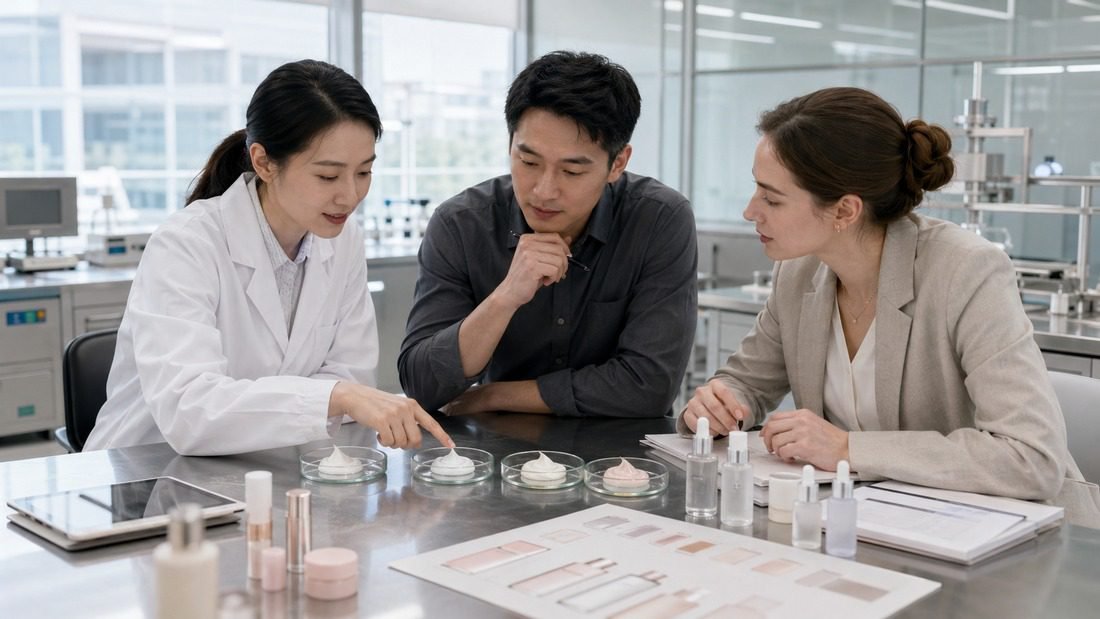
Key Serum Manufacturing Terms Decoded
OEM vs. ODM vs. Private Label
These three terms are often used interchangeably but mean very different things. OEM (Original Equipment Manufacturer) means you provide the formula or specifications, and the manufacturer produces it. ODM (Original Design Manufacturer) means the manufacturer offers a ready-to-customize formula. Private label means you use the manufacturer's stock formula under your brand. Understanding these distinctions is crucial for your sourcing strategy. For more details, see our Private Label Skincare services.
| Term | Definition | Who Provides Formula? | Customization Level |
|---|---|---|---|
| OEM | Original Equipment Manufacturer | You | High (you control formula) |
| ODM | Original Design Manufacturer | Manufacturer (with your input) | Medium (customize existing formula) |
| Private Label | Your brand on manufacturer's stock formula | Manufacturer | Low (limited changes) |
Active Ingredients and Concentrations
In serum manufacturing, ‘active ingredients' are the components that deliver benefits, such as hyaluronic acid or vitamin C. Their concentration is critical for efficacy and safety. Always clarify the percentage of actives and request a Certificate of Analysis (CoA) to verify. For custom formulations, our Custom Formula service can help.
Stability Testing and Shelf Life
Stability testing evaluates how a serum maintains its quality over time under various conditions. It determines shelf life and storage requirements. Ensure your supplier provides stability data to avoid product degradation. Our Testing & Inspection protocols ensure compliance.
pH Level and Its Importance
The pH level indicates acidity or alkalinity. For serums, pH affects active ingredient stability and skin compatibility. Typical skin-friendly pH is around 5.5. Always specify your desired pH range.
Viscosity and Texture
Viscosity refers to thickness and flow. It impacts user experience and packaging compatibility. Clarify whether you want a lightweight or rich serum texture.
Preservative Systems
Preservatives prevent microbial growth. Common systems include phenoxyethanol and natural alternatives. Discuss preservative efficacy and safety with your manufacturer.
Packaging Compatibility
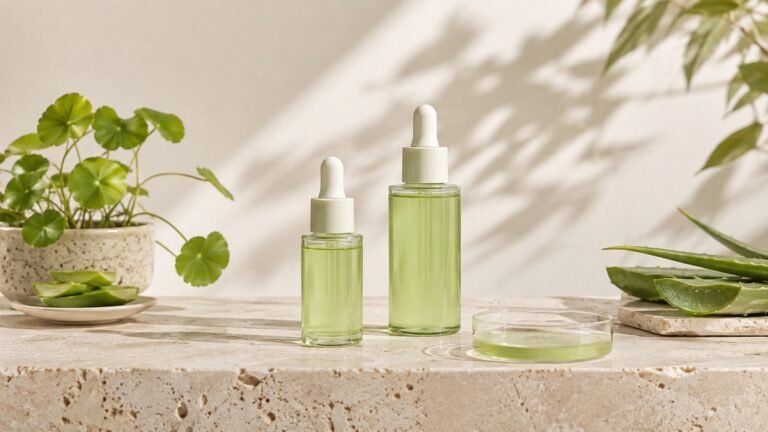
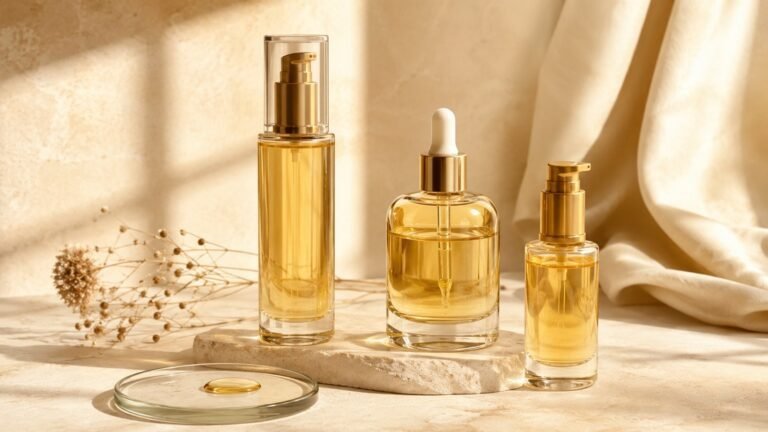
Serums are often packaged in droppers or airless pumps. Ensure the packaging protects actives and maintains stability. Our Packaging Design team can assist.
Practical Tips for South Korean Serum Sourcing
- Request a glossary upfront: Ask your supplier for a list of terms they use. This proactive step can prevent confusion.
- Insist on documentation: Always get specifications, CoAs, and stability reports in writing.
- Clarify OEM/ODM/private label: Be explicit about your model to avoid unexpected costs.
- Visit the factory: If possible, audit the production facility. Our Factory Tour option allows you to see our processes.
- Start with samples: Test samples before bulk production. Request a Sample Development to evaluate quality.
- Check certifications: Ensure the manufacturer holds relevant certifications like ISO or CGMP. See our Certificates for reference.
- Understand regulations: For export to South Korea, familiarize yourself with local regulations. Our Export Support can guide you.
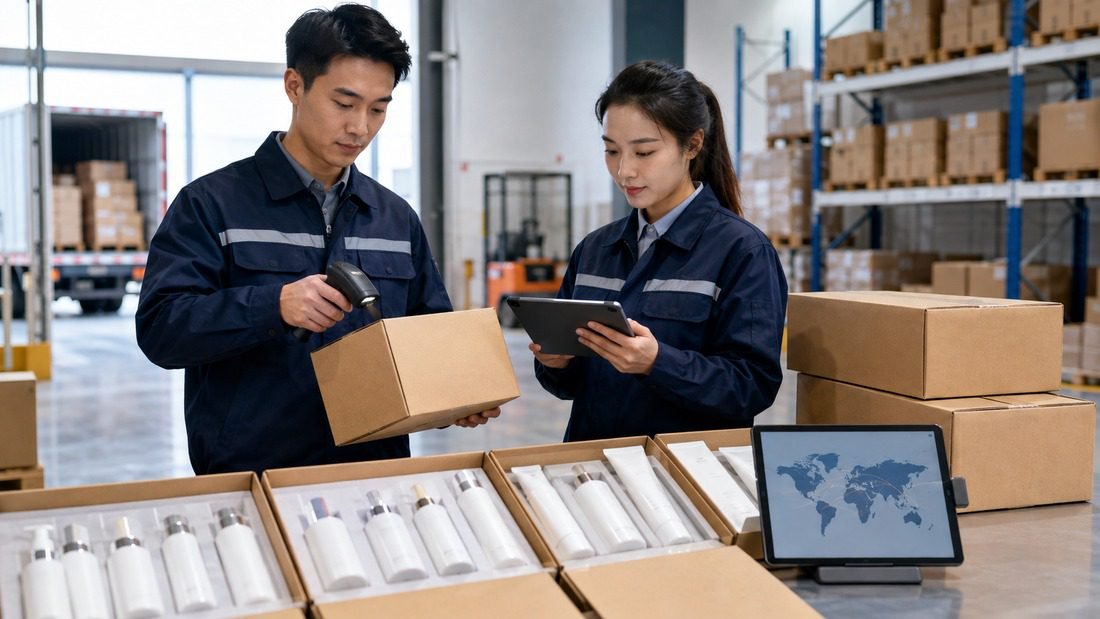
Case Evidence: How a Clear Glossary Saved a UK Brand
A UK-based skincare brand approached us to develop a private label serum for the South Korean market. Initially, they confused OEM and ODM, leading to a misaligned brief. After we provided a serum glossary south korea and clarified terms, they opted for ODM, allowing them to leverage our existing formula with customizations. This reduced development time by 30% and ensured compliance with Korean regulations. The product launched successfully, and the brand now sources multiple serums from us. For more success stories, visit our Case Studies.
Frequently Asked Questions (FAQ)
What is the difference between OEM and ODM in serum manufacturing?
OEM means you provide the formula; ODM means the manufacturer provides a formula that you can customize. Private label uses the manufacturer's stock formula.
Why is stability testing important for serums?
Stability testing ensures the serum maintains its quality and safety over time, determining shelf life and storage conditions.
How do I ensure my serum complies with South Korean regulations?
Work with a manufacturer experienced in exporting to South Korea. They should provide documentation and support for regulatory compliance. Our Export Support team can help.
What certifications should I look for in a serum manufacturer?
Look for ISO 22716, CGMP, and other relevant certifications. Check our Certificates page for examples.
Can I customize the packaging for my serum?
Yes, most manufacturers offer custom packaging options. Our Packaging Design service can create unique packaging that aligns with your brand.

 Scan to WhatsApp
About the Author
David Zhang has spent years in skincare formulation and quality control at Flavor Sources, a GMP ISO 22716-certified private label manufacturer based in Dongguan, China, serving brands in 50+ countries since 2000. Reach out to David's team for a custom formula consultation →
Ready to Source Serums from South Korea?
Don't let terminology barriers hold you back. With a clear understanding of serum manufacturing terms, you can confidently navigate the South Korean market. At Flavor Sources, we specialize in OEM/ODM serum manufacturing and offer comprehensive support. To experience our quality firsthand, request a free sample or get a quote today. Let us help you bring your serum vision to life.