Facial & Body Mask vs Clay Mask: Ultimate 2027 Packaging & Branding Guide for Confident Brands
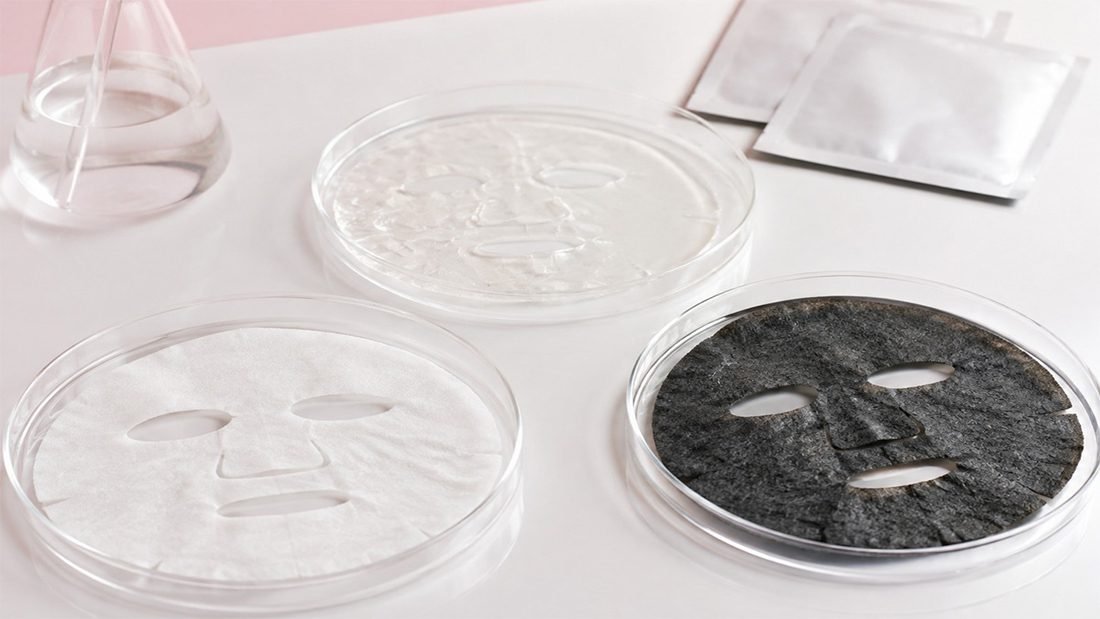
When choosing between facial & body mask and clay mask, packaging and branding are critical for market success. This guide compares facial body mask vs clay mask packaging branding to help you make informed decisions for 2027.
Table of Contents
- Understanding the Packaging and Branding Challenge
- Facial & Body Mask vs Clay Mask: Format and Packaging Comparison
- Practical Advice for Brands
- Case Studies: Successful Packaging and Branding
- Frequently Asked Questions
- 1. What is the main difference between facial & body mask and clay mask?
- 2. Which packaging is better for clay masks?
- 3. Can I offer both formats under one brand?
- 4. How do I choose a manufacturer for private label masks?
- 5. What branding elements are key for facial & body masks?
- 6. Are there regulatory considerations for packaging?
- Ready to Launch Your Mask Line?
Understanding the Packaging and Branding Challenge
Brands often struggle to choose between facial & body mask and clay mask formats due to distinct packaging and branding implications. Each format demands different packaging materials, labeling, and marketing angles. This article defines the problem, compares options, and provides actionable advice for brands seeking a competitive edge.
Facial & Body Mask vs Clay Mask: Format and Packaging Comparison
Format and Formulation Differences
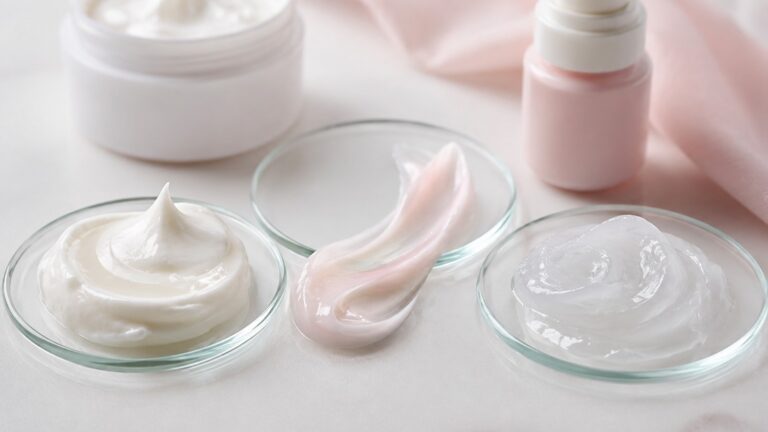
Facial & body masks are typically creams, gels, or lotions that offer hydration and nourishment. Clay masks are powder-based or pre-mixed clay that detoxify and mattify. These formulation differences drive packaging choices: creams require jars or tubes, while clay masks often use jars or squeeze tubes to prevent drying.
Packaging Options and Considerations
| Packaging Type | Facial & Body Mask | Clay Mask |
|---|---|---|
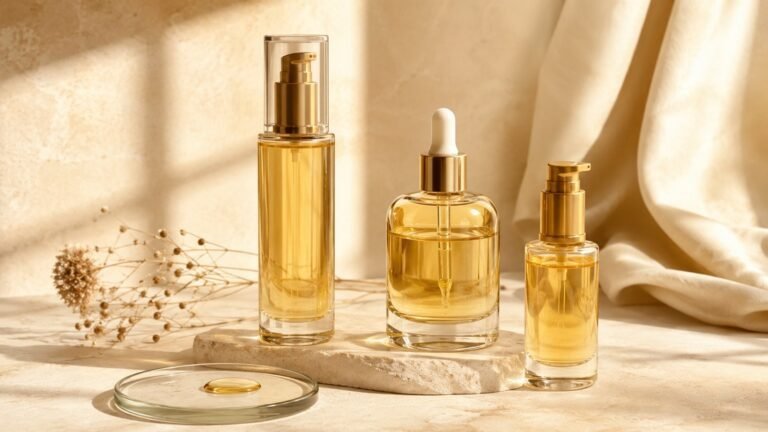
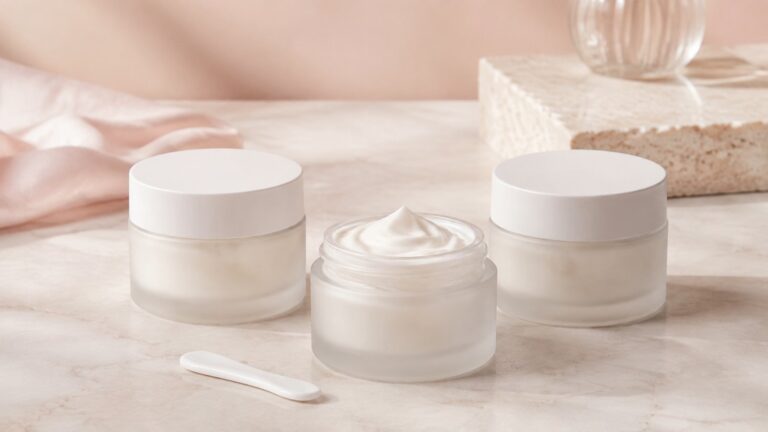
| Jars | Suitable for thick creams; allows easy access | Common for clay masks; must be airtight to prevent drying |
| Tubes | Ideal for lotions and gels; convenient and hygienic | Squeeze tubes work for pre-mixed clay; avoid for dry powder |
| Sachets | Single-use samples; good for travel sizes | Single-use for powder or pre-mixed; limited for dry formats |
| Airless Pumps | Preserve actives; premium positioning | Less common due to viscosity; possible for liquid clay |
Branding Strategies
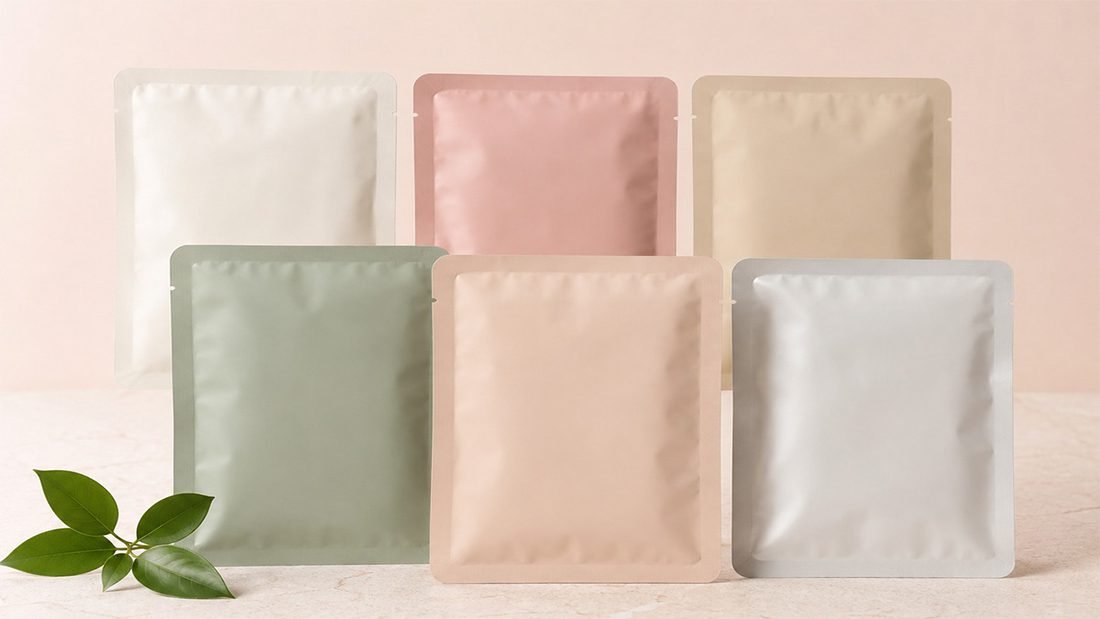
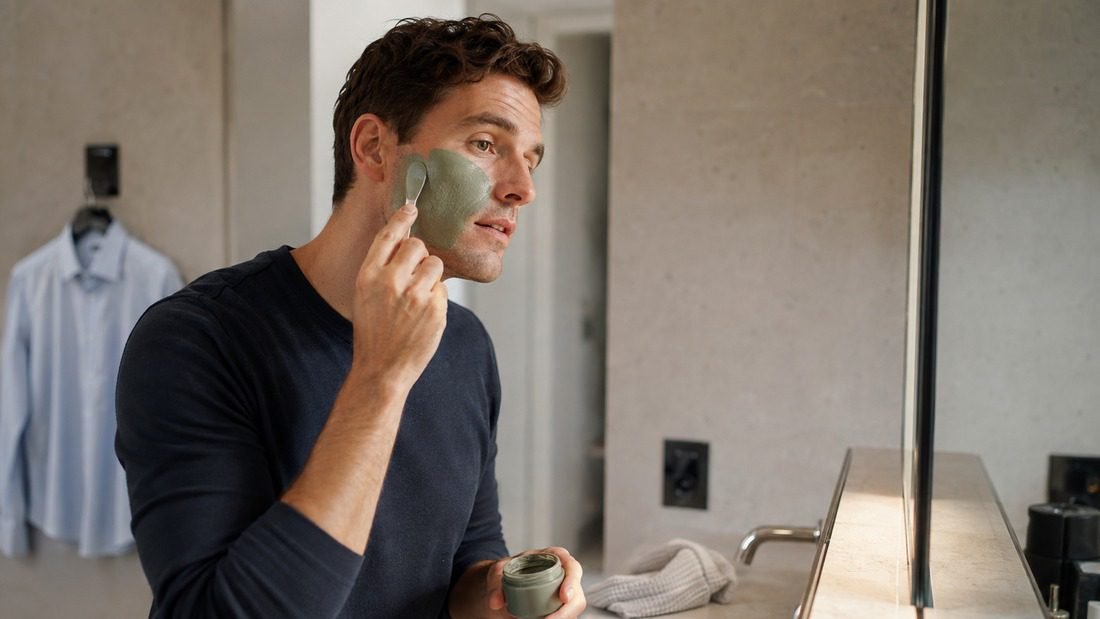
Branding for facial & body masks often emphasizes hydration, nourishment, and self-care. Visuals include soft colors, serene imagery, and clean typography. Clay masks, meanwhile, focus on detox, purification, and natural ingredients. Earthy tones, minimalist design, and bold claims about pore refinement are typical. Understanding these nuances helps brands align packaging with messaging.
Practical Advice for Brands
Choosing the Right Format for Your Market
Consider your target audience: if they seek hydration and multi-use, facial & body masks may be ideal. If they prefer deep cleansing, clay masks could be better. Assess packaging costs, shelf appeal, and sustainability. For private label facial & body mask, partner with a manufacturer experienced in both formats.
Packaging and Branding Tips
- Sustainability: Use recyclable or refillable packaging to appeal to eco-conscious consumers.
- Labeling: Include clear instructions and benefits; for clay masks, emphasize detox; for facial masks, highlight hydration.
- Visual Identity: Align colors and fonts with brand values; consider minimalist designs for premium feel.
- Compliance: Ensure packaging meets regulatory requirements in target markets (e.g., EU CPSR, FDA MoCRA).
Manufacturing Considerations
When sourcing, choose a manufacturer that offers both formats and can guide packaging selection. Look for OEM/ODM services that provide custom formula and packaging design support. Ensure quality control and testing to maintain product integrity.
Case Studies: Successful Packaging and Branding
- UK Brand: Launched a facial & body mask in airless pumps with minimalist design, emphasizing hydration; achieved strong retail presence.
- UAE Brand: Used clay masks in eco-friendly jars with bold, earthy branding; gained popularity among younger consumers.
- US Brand: Offered both formats in a unified line with color-coded packaging; simplified consumer choice and boosted sales.
- Australia Brand: Focused on sustainable sachets for clay masks, highlighting natural ingredients; captured eco-conscious segment.
These examples show how strategic packaging and branding drive success.
Frequently Asked Questions
1. What is the main difference between facial & body mask and clay mask?
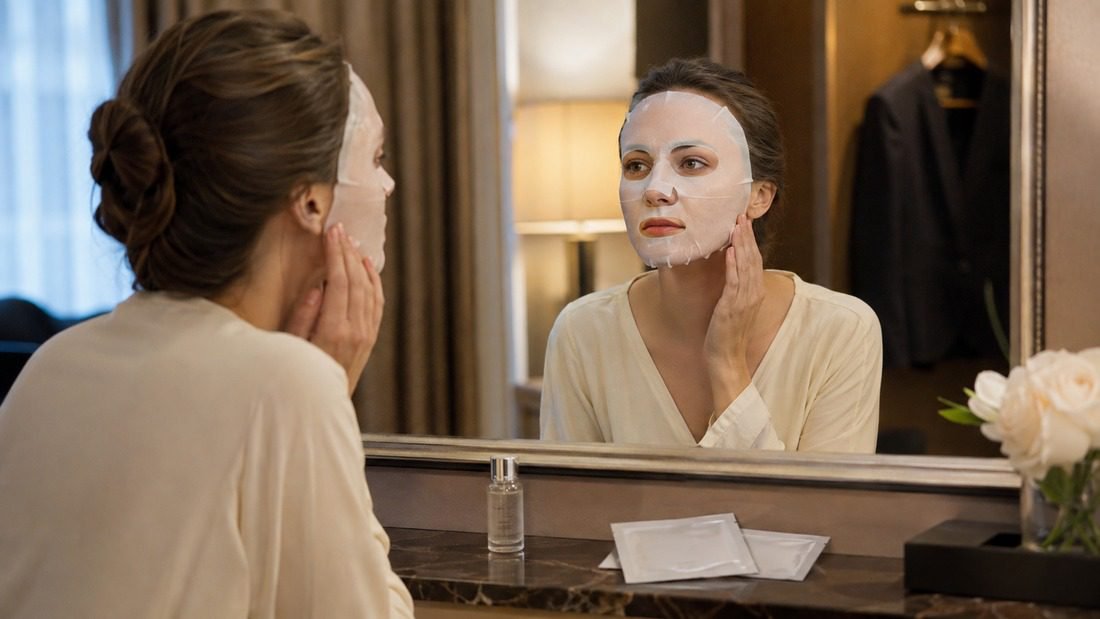
Facial & body masks focus on hydration and nourishment, while clay masks detoxify and purify. This affects formulation, packaging, and branding.
2. Which packaging is better for clay masks?
Airtight jars or squeeze tubes are best to prevent drying. For powder formats, sachets or jars work well.
3. Can I offer both formats under one brand?
Yes, many brands do. Use consistent branding but differentiate packaging to avoid confusion.
4. How do I choose a manufacturer for private label masks?
Look for experience in both formats, custom formula capabilities, and packaging design support. Request samples to evaluate quality.
5. What branding elements are key for facial & body masks?
Emphasize hydration, self-care, and clean beauty. Use soothing colors and imagery.
6. Are there regulatory considerations for packaging?
Yes, ensure compliance with local regulations such as EU CPSR or FDA MoCRA. Work with a manufacturer familiar with export markets.

 Scan to WhatsApp
About the Author
David Zhang has spent years in skincare formulation and quality control at Flavor Sources, a GMP ISO 22716-certified private label manufacturer based in Dongguan, China, serving brands in 50+ countries since 2000. Reach out to David's team for a custom formula consultation →
Ready to Launch Your Mask Line?
Choosing between facial & body mask and clay mask requires careful consideration of packaging and branding. At Flavor Sources, we specialize in OEM/ODM manufacturing for both formats, offering custom formula, packaging design, and private label services. To get started, request a sample or get a quote. Let us help you bring your vision to life.