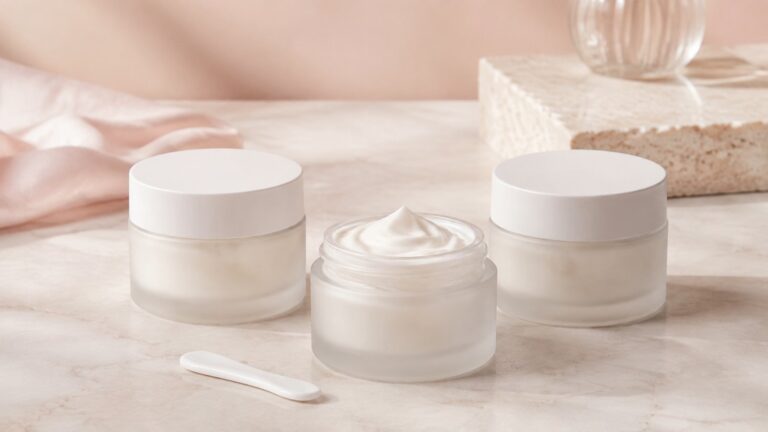
Hair Care vs Hair Mask in 2028: The Complete Packaging & Branding Guide for Smart Brands

Hair Care vs Hair Mask in 2028: Which Wins on Packaging & Branding?
In 2028, hair care vs hair mask packaging branding will be won by hair masks on shelf differentiation and by hair care on volume and refillability. Masks command premium jars and storytelling; daily hair care wins with smart dispensers, refill pouches, and regulatory-ready labels. Your choice depends on target margin, channel, and brand identity.
Table of Contents
- Hair Care vs Hair Mask in 2028: Which Wins on Packaging & Branding?
- The 2028 Packaging & Branding Dilemma
- Format & Packaging Comparison: Hair Care vs Hair Mask
- Practical Advice for Brands Launching in 2028
- Case Evidence: What Works in Real Markets
- FAQ: Hair Care vs Hair Mask Packaging & Branding
- Why Choose Flavor Sources for Your 2028 Hair Care Line
- Ready to Launch? Request a Sample or Get a Quote
The 2028 Packaging & Branding Dilemma
Brands are caught between two formats. Hair masks promise treatment-level results and higher price points. Daily hair care delivers repeat purchase and larger volumes. Both demand packaging that stands out online and in stores. The wrong choice can lock you into costly tooling or weak shelf presence. This guide breaks down the comparison so you can decide with confidence.
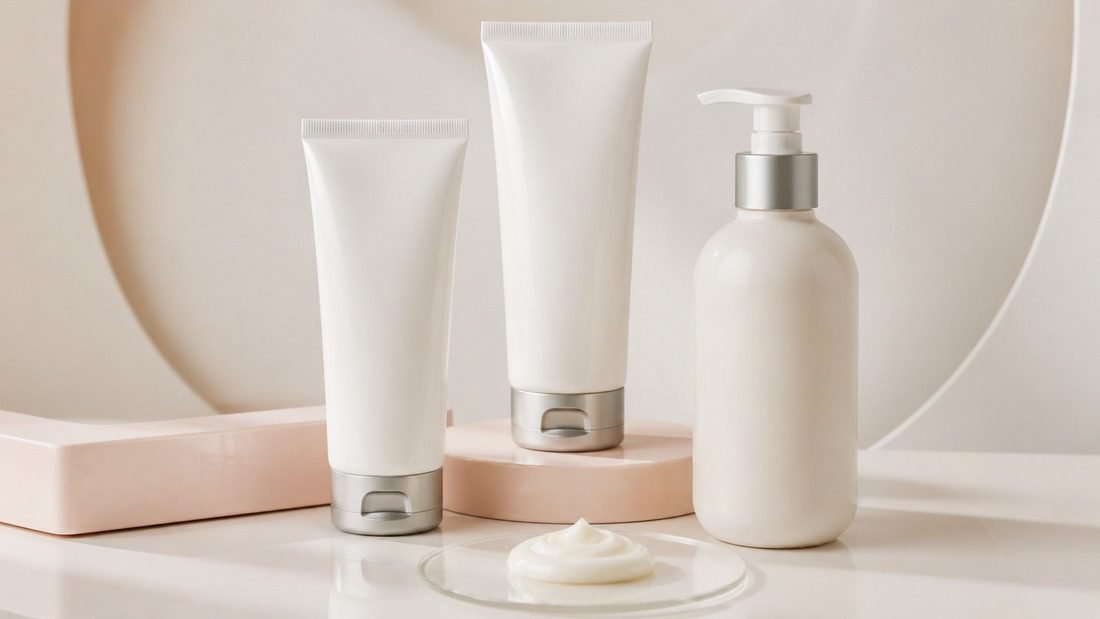
Format & Packaging Comparison: Hair Care vs Hair Mask
The table below compares the two formats across key packaging and branding criteria. Use it as a quick reference before you brief your manufacturer.
| Criterion | Hair Care (Shampoo/Conditioner) | Hair Mask |
|---|---|---|
| Typical pack size | 250–500 ml | 150–300 ml |
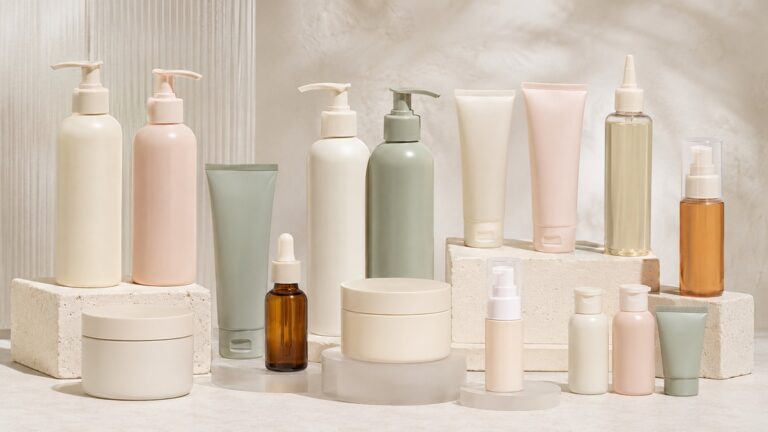
| Primary packaging | Bottle with disc-top or pump | Jar, tube, or sachet |
| Shelf presence | High volume, low unit cost | Premium, gift-ready |
| Branding angle | Daily ritual, refillable | Weekly treatment, self-care |
| Sustainability focus | Refill pouches, PCR bottles | Glass jars, aluminum tubes |
| Regulatory labeling | INCI, net content, PAO | INCI, PAO, often “rinse-off” |
| MOQ sensitivity | Higher volume, lower MOQ per SKU | Lower volume, higher MOQ per unit |
Key Terms Defined
- PCR: Post-consumer recycled resin used in bottles and jars.
- PAO: Period-after-opening symbol required on EU cosmetics.
- MOQ: Minimum order quantity per SKU.
- Refill system: Concentrate or pouch that extends primary pack life.
These definitions matter when you compare quotes from suppliers. They also affect your Packaging Design brief.
Practical Advice for Brands Launching in 2028
Start with your channel. E-commerce favors light, shippable packs. Salon and spa channels favor larger, tactile formats. Next, define your hero SKU. If you launch a hair mask, invest in a jar with a premium closure and a secondary carton for storytelling. If you launch daily hair care, prioritize a refillable bottle and a pump that works with thick formulas.
Then validate regulatory needs. EU CPSR and US MoCRA both require safety documentation. Your manufacturer should provide these as part of Testing & Inspection.
Finally, plan your branding hierarchy. Masks sell transformation. Daily care sells consistency. Use color, texture, and copy to signal which promise you make.
Case Evidence: What Works in Real Markets
In the UK, a mid-size brand launched a refillable shampoo and a weekly mask in a glass jar. The refill system reduced plastic use by 40% and improved repeat purchase. In the UAE, a spa-focused line used aluminum tubes for masks and pump bottles for daily care. The tubes communicated freshness and traveled well.
In the US, an e-commerce seller used sachets for mask samples and full-size bottles for daily care. The sample sachets lowered trial cost and boosted subscription sign-ups. In Australia, a clean-beauty brand used PCR jars for masks and refill pouches for shampoo. The combination met local recycling guidelines and resonated with eco-conscious buyers.
These cases show that hair care vs hair mask packaging branding is not either/or. The winning strategy often combines both formats under one brand architecture.

FAQ: Hair Care vs Hair Mask Packaging & Branding
Q1: Which format has lower MOQ for a startup?
A: Daily hair care usually has lower MOQ per SKU because bottles are standardized. Masks may require custom jars or tubes, raising MOQ. Ask your supplier about Sample Development to test both.
Q2: Can I use the same packaging for both formats?
A: Not ideally. Masks need wider openings for thick formulas. Daily care needs controlled dispensing. Using one pack for both can hurt user experience.
Q3: What labeling is required in the EU and US?
A: EU requires INCI, PAO, and CPSR. US MoCRA requires safety substantiation and facility registration. Your manufacturer should support Export Support.
Q4: Which format is better for refill systems?
A: Daily hair care is better suited to refill pouches because of higher volume. Masks can use refillable jars, but cleaning and hygiene are harder.
Q5: How do I choose a manufacturer for both formats?
A: Look for a partner with experience in Hair Care and Facial & Body Mask. Verify certifications via Certificates.
Why Choose Flavor Sources for Your 2028 Hair Care Line
Flavor Sources is a Dongguan-based OEM/ODM manufacturer with deep experience in hair care and mask formats. We support Private Label Skincare and Custom Formula development. Our Quality Control and Production Process ensure consistency from pilot to bulk.
We help brands compare hair care vs hair mask packaging branding with real cost and timeline data. Our team also supports For Beauty Brands and For Startups with scalable MOQs.
Ready to Launch? Request a Sample or Get a Quote
Don't guess which format wins in 2028. Test both. Request a sample of our hair care and mask bases, or get a quote for your packaging and branding project. Our team will guide you through Sample Development and Bulk Production.
Request Sample or Get a Quote today and make a confident decision for your brand.

 Scan to WhatsApp
About the Author
David Zhang has spent years in skincare formulation and quality control at Flavor Sources, a GMP ISO 22716-certified private label manufacturer based in Dongguan, China, serving brands in 50+ countries since 2000. Reach out to David's team for a custom formula consultation →