Baby Care vs Baby Wash: The Complete 2026 Guide to Cost & MOQ for Smart Sourcing Decisions
Baby Care vs Baby Wash: The Complete 2026 Guide to Cost & MOQ for Smart Sourcing Decisions
When comparing baby care vs baby wash cost moq, the key difference is that baby wash typically has a lower MOQ (often 1,000–3,000 units) and lower unit cost due to simpler formulations, while baby care covers a broader range of products with higher MOQs (3,000–10,000 units) and costs driven by formulation complexity and packaging. This guide provides reliable data to help you choose.
Table of Contents
- Baby Care vs Baby Wash: The Complete 2026 Guide to Cost & MOQ for Smart Sourcing Decisions
- What Is the Difference Between Baby Care and Baby Wash?
- The Complete Comparison: Cost & MOQ for Baby Care vs Baby Wash
- Practical Tips for Smart Sourcing
- Case Studies: Real-World Examples
- Frequently Asked Questions
- What is the typical MOQ for baby wash?
- How does baby care cost compare to baby wash?
- Can I get a lower MOQ for my first order?
- What certifications should I look for in a baby care manufacturer?
- How long does production take for baby care products?
- Do I need different packaging for baby wash vs baby care?
- Ready to Source Baby Care Products?
What Is the Difference Between Baby Care and Baby Wash?
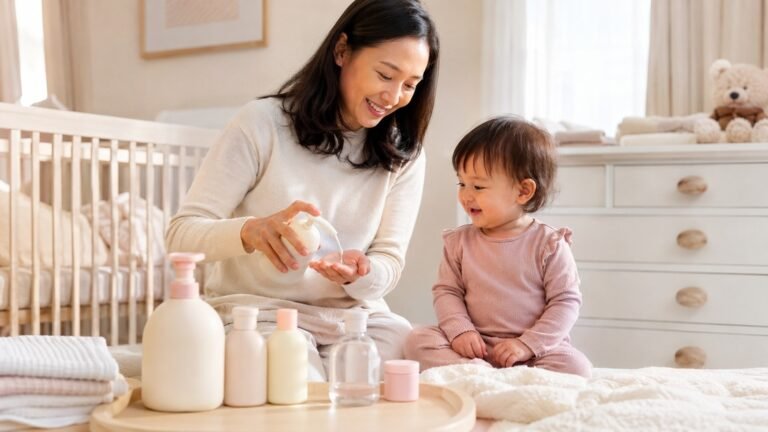
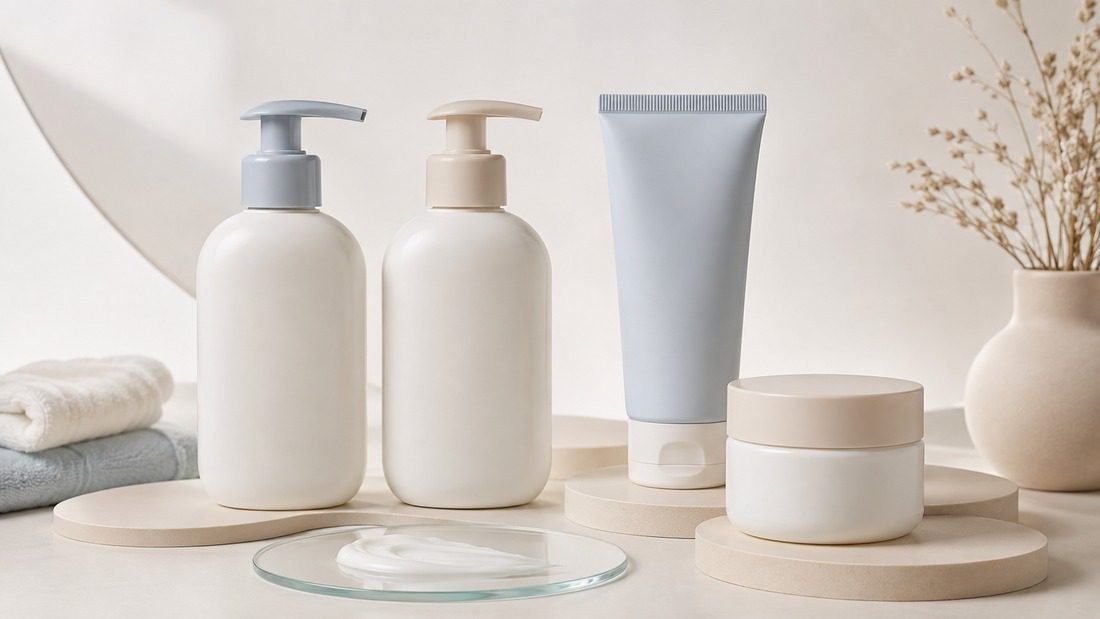
Baby care is a broad category that includes lotions, creams, oils, balms, and wash products. Baby wash specifically refers to cleansers like body wash, shampoo, or 2-in-1 products. The distinction matters for sourcing because it affects formulation, packaging, regulatory requirements, and ultimately cost and MOQ.
When you source baby wash, you're dealing with a rinse-off product that often requires simpler preservation and packaging. Baby care, on the other hand, may include leave-on products that need more rigorous safety testing and stability. Understanding this difference is the first step in making smart sourcing decisions.
The Complete Comparison: Cost & MOQ for Baby Care vs Baby Wash
To make informed decisions, you need to compare the key factors that influence cost and MOQ. The table below breaks down the typical differences between baby wash and broader baby care products.
| Factor | Baby Wash | Baby Care (Lotions, Creams, etc.) |
|---|---|---|
| Typical MOQ | 1,000–3,000 units | 3,000–10,000 units |
| Unit Cost (per unit) | $1.50–$3.50 | $2.50–$6.00 |
| Formulation Complexity | Low to moderate | Moderate to high |
| Packaging Options | Bottles, pumps | Tubes, jars, bottles |
| Regulatory Requirements | Rinse-off safety | Leave-on safety, stability |
| Testing Needs | Basic microbiology | Challenge test, stability |
| Lead Time | 20–30 days | 30–45 days |
This table highlights that baby wash is generally more accessible for smaller brands due to lower MOQs and costs. However, baby care products can offer higher margins and brand loyalty if you invest in quality.
Key Cost Drivers
Several factors influence the final cost of baby care and baby wash:
- Formulation: Leave-on products require more expensive ingredients and preservatives.
- Packaging: Airless pumps and tubes cost more than simple bottles.
- Testing: Stability and safety testing add to the cost.
- MOQ: Higher MOQs can reduce unit cost but require more upfront capital.
Understanding these drivers helps you negotiate with manufacturers and plan your budget.
MOQ Considerations
MOQ is often the biggest hurdle for startups. Baby wash typically has lower MOQs because it's a simpler product. If you're launching a full baby care line, you may need to commit to higher volumes. However, some manufacturers offer flexible MOQs for first orders. For example, Private Label Skincare services can often accommodate smaller initial runs.
Practical Tips for Smart Sourcing
When sourcing baby care or baby wash, consider these practical tips:
- Start with a hero product: Launch with baby wash to test the market, then expand to lotions and creams.
- Leverage samples: Always request samples to evaluate quality before committing to bulk. Sample Development can help you refine your formula.
- Optimize packaging: Choose packaging that balances cost and shelf appeal. Packaging Design services can guide you.
- Plan for compliance: Ensure your products meet regional regulations. Testing & Inspection is crucial.
- Negotiate MOQ: Discuss MOQ flexibility with your manufacturer, especially for first orders.
These tips can help you avoid common pitfalls and make confident decisions.
Case Studies: Real-World Examples
UK Brand Launches Baby Wash Line
A UK-based startup launched a baby wash line with an initial MOQ of 1,500 units. By focusing on a single SKU, they kept costs low and tested the market. After successful sales, they expanded to baby lotion with an MOQ of 3,000 units. This phased approach minimized risk and allowed them to scale.
UAE Distributor Expands Baby Care Range
A UAE distributor partnered with a manufacturer to produce a full baby care range. They negotiated a combined MOQ of 8,000 units across five products, reducing unit costs by 15%. This strategy required higher upfront investment but paid off through better margins.
US E-commerce Seller Optimizes MOQ
A US e-commerce seller used For E-commerce Sellers solutions to launch a baby wash product with a low MOQ of 1,000 units. They leveraged Bulk Production to scale as demand grew, achieving a 20% cost reduction per unit.
These examples show that with careful planning, you can manage cost and MOQ effectively.
Frequently Asked Questions
What is the typical MOQ for baby wash?
The typical MOQ for baby wash is 1,000 to 3,000 units, depending on the manufacturer and packaging. Some suppliers offer lower MOQs for first orders.
How does baby care cost compare to baby wash?
Baby care products like lotions and creams generally cost more per unit than baby wash due to complex formulations and packaging. Unit costs for baby care range from $2.50 to $6.00, while baby wash ranges from $1.50 to $3.50.
Can I get a lower MOQ for my first order?
Many manufacturers offer flexible MOQs for startups. It's best to discuss your needs and negotiate. For Startups solutions often include lower MOQ options.
What certifications should I look for in a baby care manufacturer?
Look for ISO 22716, GMP, and dermatologically tested certifications. Certificates provide assurance of quality and safety.
How long does production take for baby care products?
Production lead time is typically 20–30 days for baby wash and 30–45 days for baby care, depending on complexity and order size. Production Process can be optimized for efficiency.
Do I need different packaging for baby wash vs baby care?
Yes, baby wash often uses bottles or pumps, while baby care may use tubes or jars. Packaging should be chosen based on product viscosity and consumer preference. Packaging Design services can help.

 Scan to WhatsApp
About the Author
David Zhang has spent years in skincare formulation and quality control at Flavor Sources, a GMP ISO 22716-certified private label manufacturer based in Dongguan, China, serving brands in 50+ countries since 2000. Reach out to David's team for a custom formula consultation →
Ready to Source Baby Care Products?
Making smart sourcing decisions starts with reliable data and a trusted partner. Whether you're launching baby wash or a full baby care line, we can help you navigate cost and MOQ. Request a sample or get a quote today to start your journey.