Top GMP-Certified Cream & Lotion Manufacturer China 2027 Q1: Complete Guide for Confident Buyers
For B2B buyers planning 2027 Q1 production, identifying a reliable cream lotion manufacturer china 2027 q1 is critical. This guide provides a direct answer: prioritize GMP-certified factories with proven export experience, transparent quality systems, and flexible MOQs. Below, we break down the evaluation criteria, practical steps, and market insights to help you secure a trusted partner for cream and lotion manufacturing in China.
Table of Contents
- Understanding the Challenge: Why Sourcing Cream and Lotion in China Requires Due Diligence
- The GMP Advantage: What Certification Really Means for Cream and Lotion Manufacturing
- Practical Steps to Select Your 2027 Q1 Manufacturing Partner
- Case Evidence: How Buyers Successfully Source Cream and Lotion from China
- Frequently Asked Questions (FAQ)
- Ready to Secure Your Cream and Lotion Supply for 2027 Q1?
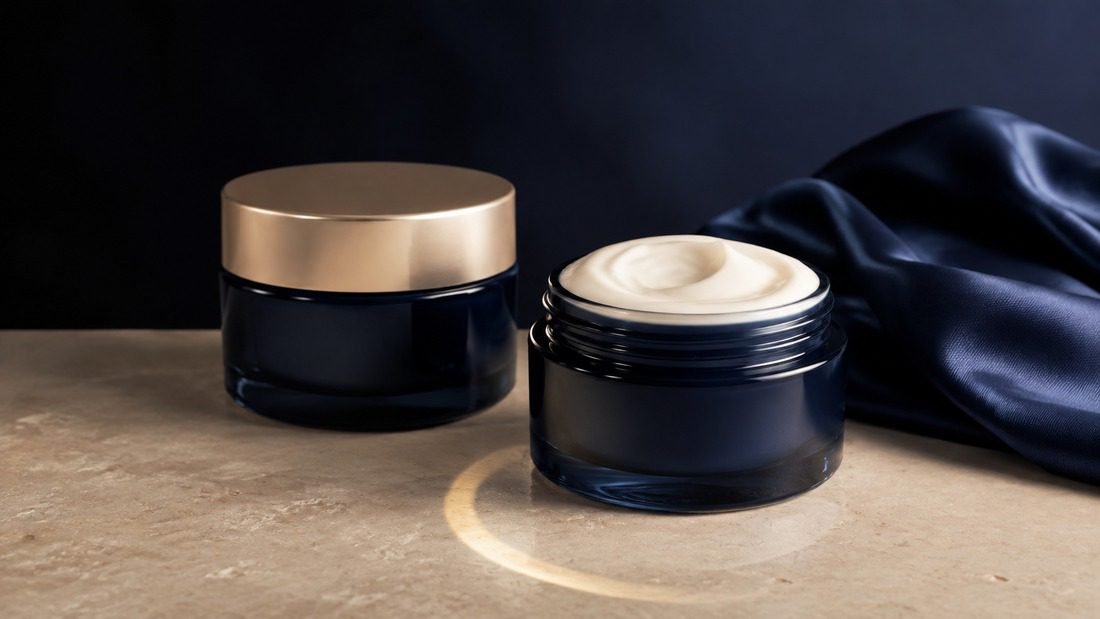
Understanding the Challenge: Why Sourcing Cream and Lotion in China Requires Due Diligence
Sourcing cosmetics from China offers cost advantages and scale, but the market is vast and variable. For cream and lotion products, quality and safety are paramount. Buyers face challenges such as verifying GMP compliance, assessing formula stability, and ensuring regulatory alignment for target markets. Without a structured approach, the risk of substandard products or compliance failures increases. This section defines the problem and sets the stage for a systematic evaluation of potential suppliers.
The GMP Advantage: What Certification Really Means for Cream and Lotion Manufacturing
GMP (Good Manufacturing Practice) certification is non-negotiable for serious buyers. It signifies that a factory adheres to stringent hygiene, process control, and quality assurance standards. For cream and lotion manufacturer china 2027 q1, GMP ensures consistency, safety, and efficacy. But not all GMP certificates are equal. Look for audits by recognized bodies (e.g., ISO 22716, FDA registration) and verify scope coverage. Below is a comparison of key certification types.
| Certification | Scope | Benefits for Buyers |
|---|---|---|
| ISO 22716 | Cosmetics GMP | Internationally recognized, ensures quality management |
| FDA MoCRA | US market | Required for US import, indicates compliance |
| EU CPSR | EU market | Necessary for EU sales, includes safety assessment |
| HALAL | Muslim markets | Required for certain regions, ensures ingredient compliance |
Key Evaluation Criteria for a Cream and Lotion Manufacturer
When shortlisting suppliers, consider these factors: production capacity, R&D capabilities, quality control processes, and export documentation support. A top private label cream lotion factory should offer full traceability and batch consistency. Request samples and review stability testing protocols. Also, assess their experience with your target market regulations.
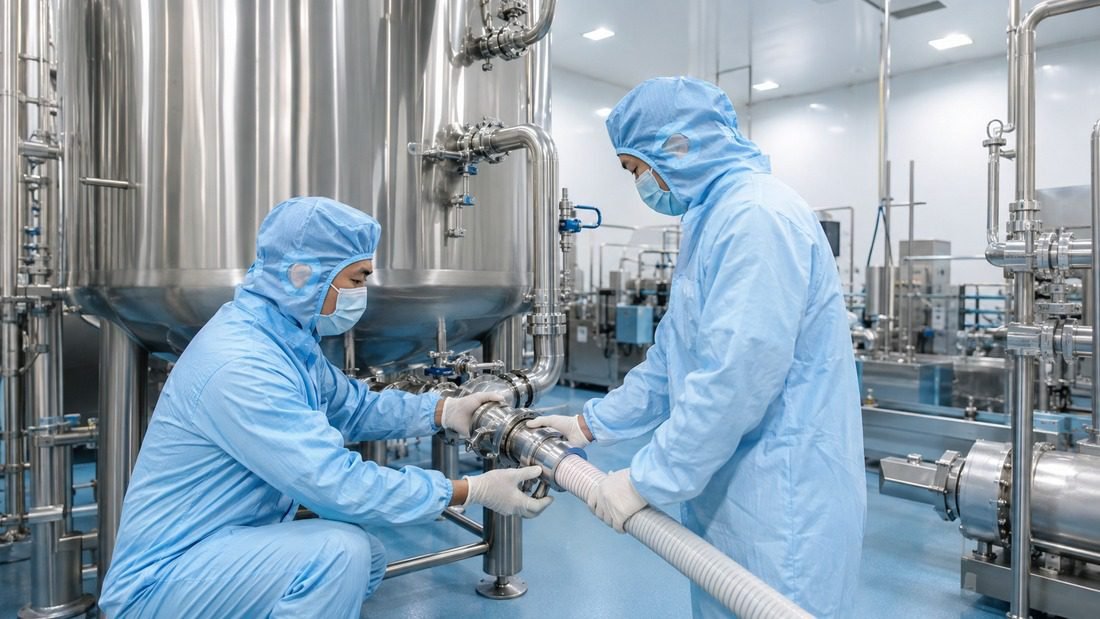
Practical Steps to Select Your 2027 Q1 Manufacturing Partner
Start by defining your product specifications and target markets. Then, request quotes and samples from multiple GMP-certified suppliers. Evaluate their communication, responsiveness, and willingness to customize. Conduct a factory audit (virtual or on-site) focusing on cleanliness, equipment, and documentation. Finally, negotiate terms and establish a quality agreement. For a seamless process, leverage Sample Development and Testing & Inspection services.
Leveraging Certifications and Quality Systems
Verify certificates directly with issuing bodies. Check for scope validity and recent audits. A robust quality system includes SOPs, batch records, and deviation management. Ask for a Quality Control overview and review their Certificates. This due diligence minimizes risks and ensures a smooth production run.
Case Evidence: How Buyers Successfully Source Cream and Lotion from China
Buyers from the UK, UAE, and Australia have successfully navigated the sourcing process by prioritizing GMP compliance and clear communication. For instance, a UK-based brand launched a private label line with a Chinese manufacturer, achieving full EU CPSR compliance. A UAE distributor reduced lead times by partnering with a factory offering integrated Export Support. These cases highlight the importance of selecting a partner with proven export experience and regulatory knowledge.
Frequently Asked Questions (FAQ)
Q1: How do I verify a manufacturer's GMP certificate?
A: Request a copy and cross-check with the issuing body's database. Ensure the scope covers cream and lotion products.
Q2: What is the typical MOQ for private label cream and lotion?
A: MOQs vary by factory and formula complexity; typically 3,000–5,000 units per SKU. Some offer lower MOQs for startups.
Q3: Can Chinese manufacturers comply with EU or US regulations?
A: Yes, many GMP-certified factories are equipped to meet EU CPSR and FDA MoCRA requirements. Confirm their experience with your target market.
Q4: How long does sampling and production take for 2027 Q1?
A: Sampling: 2–4 weeks; production: 4–6 weeks after sample approval. Plan ahead to avoid delays.
Q5: What are the payment terms for bulk orders?
A: Common terms are 30% deposit, 70% before shipment. Negotiate based on order size and relationship.

 Scan to WhatsApp
About the Author
David Zhang has spent years in skincare formulation and quality control at Flavor Sources, a GMP ISO 22716-certified private label manufacturer based in Dongguan, China, serving brands in 50+ countries since 2000. Reach out to David's team for a custom formula consultation →
Ready to Secure Your Cream and Lotion Supply for 2027 Q1?
Don't leave your Q1 production to chance. Partner with a proven GMP-certified manufacturer. Flavor Sources offers comprehensive OEM/ODM services for Cream & Lotion. To get started, request a free sample or get a quote today. Ensure your 2027 Q1 launch is on track with a reliable cream lotion manufacturer china 2027 q1.
For further industry insights, refer to the FDA's MoCRA page.