The Ultimate 2028 Startup Checklist for Hair Care Formulation Ingredient Sourcing
For startups in 2028, successful hair care formulation ingredient sourcing begins with a clear checklist: define your product brief, select a manufacturing partner with proven expertise, validate ingredient compliance for your target markets, and secure scalable supply chain agreements. This structured approach minimizes risk and accelerates your path to market.
Table of Contents
- Why Hair Care Formulation Ingredient Sourcing Startups Face Unique Challenges
- The Startup's Essential Checklist for Hair Care Formulation and Sourcing
- Step 1: Define Your Formulation Brief and Performance Goals
- Step 2: Understand the Hair Care Ingredient Landscape
- Step 3: Navigate Regulatory Compliance and Certifications
- Step 4: Vet Suppliers and Manufacturing Partners
- Step 5: Secure Your Supply Chain and Plan for Scalability
- Step 6: Validate Packaging Compatibility and Stability
- Step 7: Plan for Testing and Quality Assurance
- Step 8: Prepare for Export and Logistics
- Comparing Ingredient Sourcing Options for Startups
- Practical Tips for Startups to Succeed
- Case Studies: How Startups in Different Markets Overcame Sourcing Hurdles
- Frequently Asked Questions (FAQ)
- 1. What is the minimum order quantity (MOQ) for hair care manufacturing?
- 2. How long does it take to develop a custom hair care formula?
- 3. Do I need to worry about ingredient compatibility?
- 4. What certifications should I look for in a manufacturer?
- 5. How can I ensure ethical sourcing of ingredients?
- 6. What are the biggest mistakes startups make in sourcing?
- Ready to Launch Your Hair Care Brand?
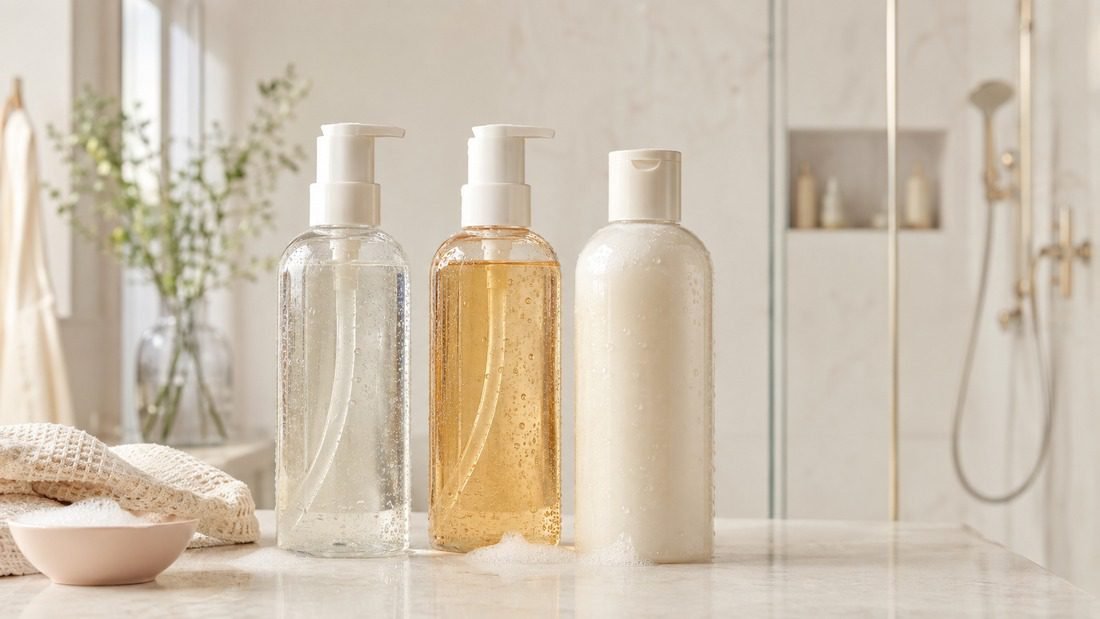
Why Hair Care Formulation Ingredient Sourcing Startups Face Unique Challenges
Launching a hair care brand is not just about a great idea. Startups often underestimate the complexity of global supply chains and regulatory landscapes. Unlike established players, new brands lack the volume leverage and supplier relationships that buffer against disruptions. They must navigate a maze of ingredient certifications, ethical sourcing claims, and performance expectations—all while managing tight budgets. The pressure to differentiate in a crowded market means every formulation choice carries weight. Without a robust sourcing strategy, even the most innovative concept can stall at the production stage. This article provides a definitive checklist tailored to the specific needs of startups, helping you build a resilient and compliant supply chain from day one.
The Startup's Essential Checklist for Hair Care Formulation and Sourcing
Step 1: Define Your Formulation Brief and Performance Goals
Before contacting any supplier, clarify your product's purpose. Are you targeting curl definition, volume, repair, or scalp care? Your brief should specify the desired texture, pH range, fragrance profile, and key claims. For example, a sulfate-free shampoo requires different surfactants than a traditional formula. Documenting these details upfront prevents costly reformulations later. Consider your target market's preferences: clean beauty, vegan, or waterless formats. This brief becomes your roadmap for ingredient selection and helps manufacturing partners understand your vision. A well-defined brief also streamlines the quotation process, as suppliers can recommend the most suitable bases and actives.
Step 2: Understand the Hair Care Ingredient Landscape
The hair care industry relies on a mix of functional and active ingredients. Functional ingredients provide the base—surfactants for cleansing, thickeners for texture, and preservatives for safety. Active ingredients deliver performance—proteins, vitamins, botanical extracts, and silicones. As a startup, you must balance efficacy, cost, and marketing appeal. For instance, hydrolyzed wheat protein helps improve the appearance of damaged hair, while panthenol adds moisture. Sourcing these raw materials requires verifying purity, potency, and sustainability credentials. Building a relationship with a manufacturer experienced in Custom Formula development can simplify this process, as they often have a vetted network of ingredient suppliers.
Step 3: Navigate Regulatory Compliance and Certifications
Compliance is non-negotiable. Depending on your market, you may need to adhere to EU Cosmetics Regulation, FDA MoCRA in the US, or ASEAN guidelines. Key requirements include safety assessments, ingredient labeling, and restrictions on certain chemicals. For startups, the EU's Cosmetic Product Safety Report (CPSR) is a common hurdle. Working with a manufacturer that provides Certificates and regulatory support can ease this burden. Additionally, certifications like ISO 22716 (Good Manufacturing Practices) signal quality. Always request documentation for each ingredient, including Material Safety Data Sheets (MSDS) and Certificates of Analysis (CoA). This diligence protects your brand from recalls and legal issues.
Step 4: Vet Suppliers and Manufacturing Partners
Your manufacturing partner is your most critical ally. Look for experience with startups, transparent communication, and a proven track record. Request a Factory Tour or virtual audit to assess their capabilities. Check their Quality Control processes and ask about minimum order quantities (MOQs) and lead times. For startups, flexibility is key—some manufacturers specialize in low-MOQ runs. Evaluate their ability to scale with you. A partner offering Sample Development allows you to test formulations before committing to bulk. Also, consider their expertise in your specific hair care category; a generalist may not deliver the performance you need.
Step 5: Secure Your Supply Chain and Plan for Scalability
Once you have a formula and a partner, secure your ingredient supply. Startups should avoid single-source dependencies. Identify alternative suppliers for critical actives to mitigate risk. Negotiate flexible contracts that allow for volume growth. Understand the lead times for raw materials, especially if sourcing from China, which is a major hub for hair care ingredients. However, geopolitical factors and shipping delays can impact availability. A robust supply chain plan includes buffer stock and contingency suppliers. Your manufacturing partner can often manage this for you, leveraging their purchasing power. Discuss their Bulk Production capabilities and how they handle ingredient shortages.
Step 6: Validate Packaging Compatibility and Stability
Packaging is not an afterthought. It affects formula stability, user experience, and brand perception. Certain ingredients, like essential oils, can interact with plastic packaging, leading to degradation. Conduct stability testing with your chosen packaging to ensure a 2-3 year shelf life. Consider sustainability trends: refillable options or recycled materials appeal to eco-conscious consumers. Your manufacturer may offer Packaging Design support, helping you select compatible and cost-effective components. Remember, packaging can make or break a startup's first impression, so invest time in this step.
Step 7: Plan for Testing and Quality Assurance
Before scaling, test your product thoroughly. This includes microbiological testing, challenge tests, and stability tests. These ensure your product is safe and performs as expected. Work with your manufacturer to establish a quality agreement. Regular batch testing and inspections are vital. A partner with rigorous Testing & Inspection protocols will help you maintain consistency. For startups, third-party testing adds credibility. Budget for these costs early; cutting corners here can lead to costly recalls. Also, consider consumer panel testing to validate claims and gather feedback before launch.
Step 8: Prepare for Export and Logistics
If you plan to sell internationally, understand export regulations. Each country has its own labeling and import requirements. For example, the EU requires a Responsible Person, while the US requires facility registration. Your manufacturer's Export Support can guide you through documentation, customs, and shipping. They can also advise on harmonized system (HS) codes and tariffs. For startups, starting with a single market reduces complexity. As you grow, expand strategically. A partner with global experience can streamline this process, ensuring your products reach customers efficiently.
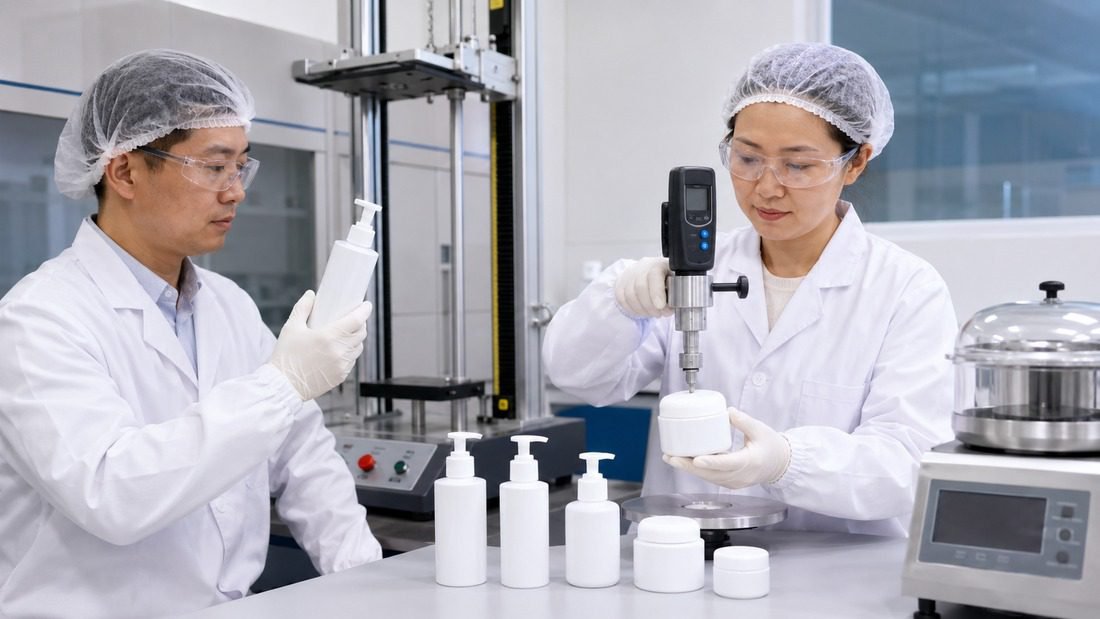
Comparing Ingredient Sourcing Options for Startups
| Sourcing Option | Pros | Cons | Best For |
|---|---|---|---|
| Domestic Suppliers | Faster lead times, easier communication, lower shipping costs | Higher ingredient costs, limited selection | Startups with urgent timelines and smaller volumes |
| Overseas Suppliers (e.g., China) | Cost-effective, wide range of actives, scalable | Longer lead times, potential quality inconsistencies, import complexities | Startups planning for scale and competitive pricing |
| Turnkey Manufacturer | Simplified process, single point of contact, formulation expertise | Less control over individual ingredients, potential for higher MOQs | Startups with limited technical resources |
Practical Tips for Startups to Succeed
- Start with a Minimum Viable Product (MVP): Launch a single hero product to test the market before expanding your line. This reduces initial investment and allows you to refine your formulation based on real feedback.
- Leverage Industry Reports: Stay informed about market trends and ingredient innovations. For example, Grand View Research reports that the global hair care market is projected to grow steadily, with natural and organic products gaining share. Use this data to guide your positioning.
- Build Strong Relationships: Treat your suppliers and manufacturers as partners. Transparent communication and mutual respect often lead to better terms and priority support.
- Budget for Compliance: Allocate at least 10-15% of your initial budget for regulatory and testing costs. This prevents surprises and ensures a smooth launch.
- Consider Private Label: If custom formulation seems daunting, explore Private Label Skincare options for hair care. This allows you to use proven formulas and focus on branding and marketing.
- Utilize Startup Programs: Many manufacturers, including Flavor Sources, offer dedicated support for For Startups, including low MOQs and guidance.

Case Studies: How Startups in Different Markets Overcame Sourcing Hurdles
- United Kingdom: A startup aimed to launch a vegan, sulfate-free shampoo. They faced difficulty finding a preservative that met EU regulations and was effective in a sulfate-free base. By partnering with a manufacturer experienced in Hair Care, they identified a suitable blend and achieved compliance. The product launched successfully and gained traction in eco-conscious retailers.
- United Arab Emirates: A UAE-based entrepreneur wanted to create a luxury hair oil with rare botanical actives. Sourcing these ingredients from multiple countries proved complex. A turnkey manufacturer helped consolidate sourcing, ensured halal certification, and managed export documentation. The brand now exports to GCC countries.
- United States: A US startup developed a curl cream but struggled with scalability. Their initial small-batch manufacturer couldn't meet growing demand. They switched to a partner with Bulk Production capabilities and a robust supply chain, allowing them to scale while maintaining quality.
- Australia: An Australian brand focused on reef-safe hair care. They needed to avoid ingredients harmful to marine life. Through a manufacturer's Custom Formula service, they replaced silicones with biodegradable alternatives, achieving both performance and environmental goals.
Frequently Asked Questions (FAQ)
1. What is the minimum order quantity (MOQ) for hair care manufacturing?
MOQs vary by manufacturer and formula complexity. For startups, many suppliers offer low MOQs starting at 1,000 units. However, custom formulas may require higher MOQs due to ingredient sourcing. It's best to discuss your needs with potential partners.
2. How long does it take to develop a custom hair care formula?
Typically, 6-12 weeks from brief to sample, depending on complexity. This includes formulation, testing, and revisions. Regulatory review may add time. A clear brief and responsive communication can expedite the process.
3. Do I need to worry about ingredient compatibility?
Yes. Some actives can degrade or interact negatively. For example, certain preservatives lose efficacy in high-pH formulas. Your manufacturer should conduct compatibility testing to ensure stability and performance.
4. What certifications should I look for in a manufacturer?
Look for ISO 22716 (GMP), ISO 9001, and relevant regional certifications. If targeting specific markets, ensure they have experience with EU CPSR, FDA MoCRA, or other local regulations.
5. How can I ensure ethical sourcing of ingredients?
Request documentation on origin, sustainability practices, and fair labor. Certifications like Fair Trade, Ecocert, or RSPO (for palm oil) can verify claims. Visit suppliers or use third-party audits for assurance.
6. What are the biggest mistakes startups make in sourcing?
Common mistakes include underestimating compliance costs, choosing suppliers solely on price, and failing to plan for scalability. Startups should prioritize quality and reliability over short-term savings.

 Scan to WhatsApp
About the Author
David Zhang has spent years in skincare formulation and quality control at Flavor Sources, a GMP ISO 22716-certified private label manufacturer based in Dongguan, China, serving brands in 50+ countries since 2000. Reach out to David's team for a custom formula consultation →
Ready to Launch Your Hair Care Brand?
Don't let sourcing complexities delay your dream. Flavor Sources is a leading OEM/ODM manufacturer in Dongguan, China, specializing in hair care and skincare. We support startups with low MOQs, custom formulation, and full regulatory guidance. Whether you need a Request Sample to evaluate our quality or a Get a Quote for your project, our team is here to help. Visit our Hair Care page to explore our capabilities and start your journey today.