Cream Lotion vs Gel Moisturizer in 2026: The Definitive Formulation & Ingredient Sourcing Guide
When choosing between a cream lotion vs gel moisturizer formulation ingredient sourcing strategy, the decision comes down to your target market's texture preference, ingredient budget, and manufacturing complexity. In 2026, both formats remain essential, but they demand different sourcing approaches.
Table of Contents
The Core Difference: Emulsion vs. Gel Matrix
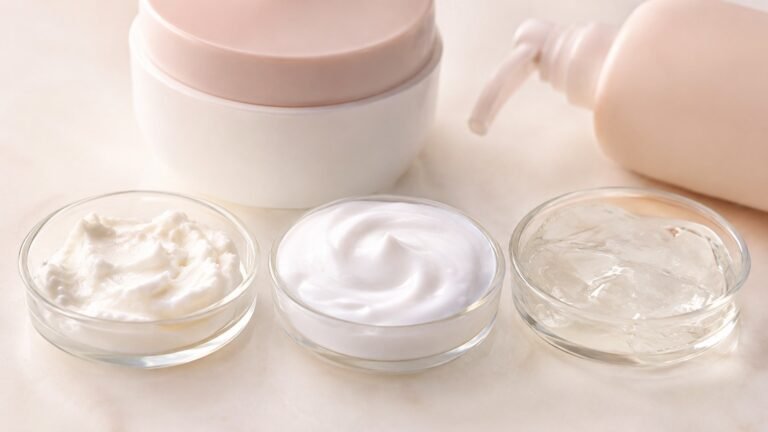
A cream or lotion is an emulsion (oil-in-water or water-in-oil) that requires emulsifiers, thickeners, and often preservatives to maintain stability. A gel moisturizer is typically water-based, using polymers like carbomer or acrylates to create a lightweight, non-greasy feel. This fundamental difference drives everything from ingredient selection to production cost.
For brands, understanding these differences is critical for cream lotion vs gel moisturizer formulation ingredient sourcing because each format has unique supply chain requirements. Creams demand high-quality oils, butters, and emulsifiers; gels require efficient polymer systems and sometimes humectants like hyaluronic acid.
Problem: Choosing the Wrong Format Can Derail Your Launch
Many startups and emerging brands assume that one format fits all. But the reality is that your choice affects shelf appeal, consumer perception, and even regulatory compliance. A gel moisturizer might fail in a cold-climate market where consumers expect richer hydration, while a heavy cream could alienate oily-skin users in humid regions.
Moreover, the sourcing of raw materials differs significantly. Creams often need cold-process or hot-process emulsification, requiring specialized equipment and skilled formulators. Gels are simpler to produce but may require specific pH adjustments and compatibility testing with active ingredients.
Key Factors in Formulation and Ingredient Sourcing
1. Texture and Sensory Experience
Creams and lotions offer a rich, emollient feel that suits dry or mature skin. Gels provide a cooling, quick-absorbing sensation ideal for oily or combination skin. In 2026, hybrid textures (e.g., gel-creams) are trending, blending both benefits.
2. Ingredient Sourcing Complexity
| Aspect | Cream/Lotion | Gel Moisturizer |
|---|---|---|
| Base Ingredients | Oils, butters, emulsifiers, thickeners | Water, polymers, humectants |
| Sourcing Risk | Higher (depends on natural oil supply) | Lower (synthetic polymers widely available) |
| Stability Testing | More complex (emulsion separation risk) | Simpler (but pH-sensitive) |
| Cost per Unit | Higher (more ingredients, processing) | Lower (fewer components) |
3. Manufacturing and Equipment
Creams require homogenizers and vacuum emulsifiers, increasing capital investment. Gels can be mixed with standard agitators, reducing initial setup costs. This affects your OEM/ODM partner selection.
4. Regulatory Compliance
Both formats must comply with regional regulations (e.g., EU CPSR, FDA MoCRA). However, creams may require more preservative efficacy testing due to higher water activity, while gels might need specific pH stabilizers.
Practical Recommendations for 2026 Sourcing
- Define your target skin type and climate before choosing a format. If launching in humid regions like Southeast Asia, a gel or gel-cream may perform better.
- Request formulation stability data from your manufacturer. Ask for freeze-thaw and high-temperature tests to avoid surprises.
- Source ingredients with sustainability in mind. In 2026, consumers demand eco-friendly sourcing. Look for suppliers with certifications like Ecocert or RSPO.
- Consider hybrid textures to capture a broader audience. A gel-cream can offer the best of both worlds, but it requires careful polymer selection.
- Partner with an experienced OEM like Flavor Sources, which offers Cream & Lotion manufacturing expertise. Their team can guide you through formulation and ingredient sourcing.
Case Study: Market Preferences Across Regions
In the UK, consumers favor rich creams for winter months, while in the UAE, lightweight gels are preferred year-round due to high humidity. In Australia, gel-based moisturizers with SPF are popular. In the US, the trend is split: premium creams for anti-aging, and gels for acne-prone skin.
A UK skincare startup recently launched a cream lotion vs gel moisturizer formulation ingredient sourcing decision. They chose a gel-cream hybrid to satisfy both dry and oily skin users, reducing inventory complexity. This strategy helped them enter the market with one SKU instead of two.
FAQ
Is a gel moisturizer cheaper to source than a cream lotion?
Generally, yes. Gels use fewer expensive oils and butters, so raw material costs are lower. However, specialized polymers can be pricey, so always compare total formulation cost.
Can I switch from cream to gel without changing my brand identity?
Yes, but you must adjust your marketing claims. A gel may be positioned as “lightweight” or “oil-free,” while a cream is “nourishing” or “rich.” Ensure your label and claims align with the texture.
What are the stability risks with gel moisturizers?
Gels can experience syneresis (water separation) if not properly formulated. pH adjustments and polymer selection are crucial. Work with a manufacturer that offers stability testing.
How does ingredient sourcing affect shelf life?
Creams with natural oils may oxidize faster, requiring antioxidants. Gels with high water content need robust preservative systems. Your sourcing partner should provide preservative efficacy data.
Can I offer both formats in my product line?
Absolutely. Many brands offer a cream for night and a gel for day. This requires managing two formulations, but it can increase customer loyalty.

 Scan to WhatsApp
About the Author
David Zhang has spent years in skincare formulation and quality control at Flavor Sources, a GMP ISO 22716-certified private label manufacturer based in Dongguan, China, serving brands in 50+ countries since 2000. Reach out to David's team for a custom formula consultation →
Ready to Source Your Moisturizer? Let's Talk.
Choosing between cream lotion vs gel moisturizer formulation ingredient sourcing is just the first step. At Flavor Sources, we specialize in Cream & Lotion and gel formulations, offering end-to-end support from Custom Formula to Bulk Production.
Request a Sample Development or Get a Quote today to start your project with confidence.