Cream Lotion vs Gel Moisturizer Lead Time Logistics: Essential 2026 Comparison
When choosing between cream lotion and gel moisturizer, lead time and logistics often determine your 2026 launch success. Cream lotion vs gel moisturizer lead time logistics involves different production schedules, packaging constraints, and shipping costs. Creams and lotions typically require 25–35 days production, while gels need 20–30 days. Logistics vary by viscosity, weight, and temperature sensitivity. This guide helps you compare both formats to make a confident sourcing decision.
Table of Contents
- What Does Cream Lotion vs Gel Moisturizer Lead Time Logistics Really Mean?
- Key Differences in Production Timelines
- Logistics and Shipping Considerations
- Practical Tips to Reduce Lead Time and Logistics Costs
- Case Evidence: How Format Choice Affects Real Launches
- Frequently Asked Questions
- 1. Which format has a shorter lead time: cream lotion or gel moisturizer?
- 2. Does gel moisturizer cost less to ship?
- 3. Can I use the same packaging for both formats?
- 4. How does MOQ differ between cream lotion and gel?
- 5. What certifications should I look for in a manufacturer?
- 6. How can I reduce logistics costs for either format?
- Ready to Compare Cream Lotion and Gel Moisturizer for Your Brand?
What Does Cream Lotion vs Gel Moisturizer Lead Time Logistics Really Mean?
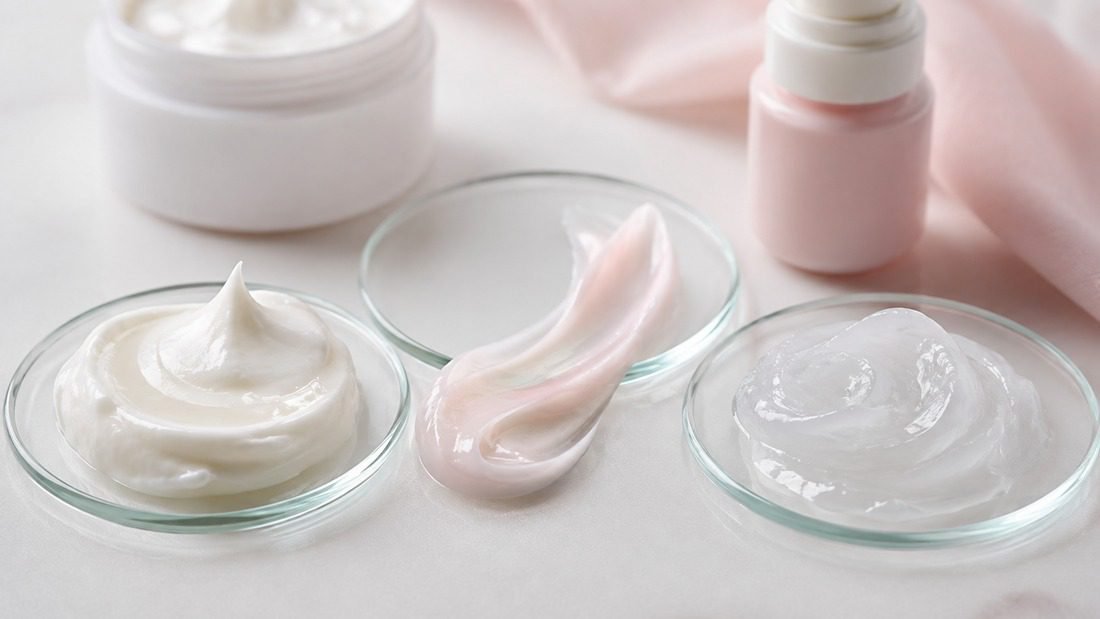
Cream lotion vs gel moisturizer lead time logistics refers to the total time and cost from formula approval to final delivery. It includes raw material sourcing, batching, filling, packaging, quality testing, and shipping. For creams and lotions, emulsification adds time. Gels require hydration and clarity checks. Logistics differ because creams are heavier and may need temperature control, while gels are lighter but prone to evaporation. Understanding these factors helps you plan inventory and avoid stockouts.
Key Differences in Production Timelines
Cream & Lotion Manufacturing
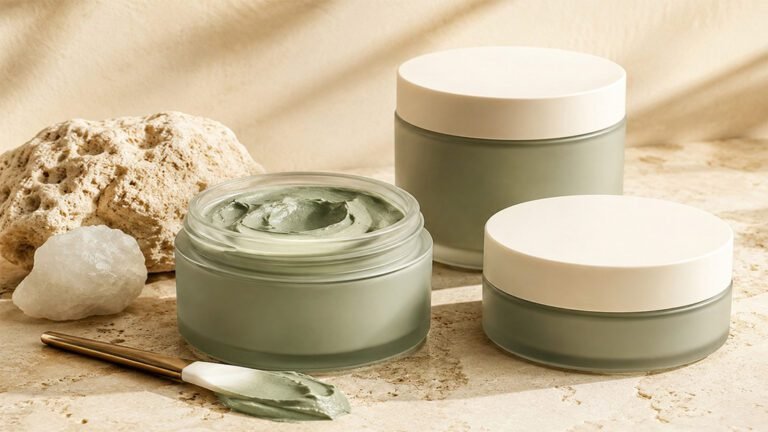
Creams and lotions involve emulsification, which requires heating, cooling, and homogenization. This process adds 5–10 days compared to gels. Typical lead time: 25–35 days after sample approval. Bulk production runs are often scheduled in larger batches due to equipment setup. If you need custom formulas, add 7–14 days for R&D. For private label cream & lotion, standard bases can reduce time. However, packaging complexity—such as airless pumps or jars—can extend filling by 3–5 days.
Gel Moisturizer Manufacturing
Gels are simpler: mix water, gelling agents, and actives at room temperature. No emulsification means faster batching. Lead time: 20–30 days. However, gels require strict pH and clarity testing, which can add 2–3 days. Packaging is often simpler (tubes or pumps), reducing filling time. But gels are more sensitive to microbial growth, so preservative efficacy testing may extend quality control. For small batches, gels can be produced in 15–20 days if materials are in stock.
Comparison Table: Lead Time & Logistics Factors
| Factor | Cream & Lotion | Gel Moisturizer |
|---|---|---|
| Production lead time | 25–35 days | 20–30 days |
| Emulsification required | Yes | No |
| Typical packaging | Jars, airless pumps | Tubes, pumps |
| Shipping weight | Heavier (water+oil) | Lighter (water+gel) |
| Temperature sensitivity | Moderate | High (evaporation) |
| Shelf life | 24–36 months | 18–24 months |
| MOQ (private label) | 3,000–5,000 units | 2,000–5,000 units |
| Logistics cost per kg | Higher | Lower |
Logistics and Shipping Considerations
Weight and Volume
Creams and lotions contain oils and butters, making them denser. A 50ml jar may weigh 70g. Gels are water-based, so a 50ml tube weighs 55g. For air freight, this 20% difference affects cost. Sea freight is less sensitive but still adds up for large orders. If you ship to the US or EU, dimensional weight pricing may apply. Optimize packaging to reduce void space.
Temperature and Stability
Gels can evaporate or separate in extreme heat. Shipping to the Middle East or Australia in summer requires insulated containers or temperature-controlled logistics. Creams are more stable but can melt if exposed to high heat. Both formats need stability testing for export. For UK or UAE markets, consider air-conditioned warehousing. Add 2–4 days for customs if documentation is incomplete.
Regulatory and Documentation
Exporting to the EU requires CPSR and CPNP notification. The US FDA MoCRA now mandates facility registration and product listing. Gels may need extra preservative challenge tests. Creams require emulsifier safety data. Work with a manufacturer that provides full documentation. This can add 5–7 days to lead time if not prepared in advance.
Practical Tips to Reduce Lead Time and Logistics Costs
- Choose standard bases for private label cream & lotion to skip R&D. 2. Order samples early to test stability and packaging compatibility. 3. Consolidate shipments—combine cream and gel SKUs in one container. 4. Use lightweight packaging like tubes instead of jars for gels. 5. Plan for seasonal demand—summer gels may need faster shipping. 6. Work with a manufacturer that offers export support to handle customs. 7. Forecast accurately to avoid air freight premiums. 8. Consider MOQ—gels often have lower minimums, reducing inventory risk.
Case Evidence: How Format Choice Affects Real Launches
A UK-based indie brand launched a gel moisturizer for summer. Lead time was 22 days, but shipping to the UK required temperature-controlled air freight, adding 15% cost. They switched to a cream lotion for winter, which had 30-day production but lower shipping costs. A UAE distributor ordered both formats: gels arrived in 28 days with no issues, but creams took 35 days due to emulsification. In Australia, a spa chain chose cream lotion for its stable shelf life, avoiding gel evaporation during long sea freight. A US e-commerce seller used private label cream & lotion to leverage lower MOQs and faster filling. These cases show that format choice must align with your market's climate and logistics network.
Frequently Asked Questions
1. Which format has a shorter lead time: cream lotion or gel moisturizer?
Gel moisturizers generally have a 20–30 day lead time, while creams and lotions take 25–35 days. However, packaging and testing can narrow the gap.
2. Does gel moisturizer cost less to ship?
Yes, gels are lighter and often require less protective packaging. But temperature-controlled shipping may offset savings.
3. Can I use the same packaging for both formats?
Not always. Gels may leak from jars, while creams can clog pumps. Tubes work for both but require different cap sizes.
4. How does MOQ differ between cream lotion and gel?
Gels often have lower MOQs (2,000 units) because they are easier to batch. Creams may require 3,000–5,000 units due to emulsification setup.
5. What certifications should I look for in a manufacturer?
Look for ISO 22716, GMP, and FDA registration. For EU, ensure CPSR compliance. Certificates should be verified.
6. How can I reduce logistics costs for either format?
Consolidate shipments, use lightweight packaging, and choose a manufacturer with export support. Avoid air freight by planning ahead.

 Scan to WhatsApp
About the Author
David Zhang has spent years in skincare formulation and quality control at Flavor Sources, a GMP ISO 22716-certified private label manufacturer based in Dongguan, China, serving brands in 50+ countries since 2000. Reach out to David's team for a custom formula consultation →
Ready to Compare Cream Lotion and Gel Moisturizer for Your Brand?
Choosing between cream lotion and gel moisturizer affects your lead time, logistics, and bottom line. At Flavor Sources, we help you compare both formats with transparent timelines and costs. Whether you need private label cream & lotion or custom gel development, our team ensures reliable production and export. To make a confident decision, request a free sample or get a detailed quote today. Let us streamline your 2026 skincare launch.