Facial & Body Mask or Sleeping Mask? The Complete 2028 Formulation & Sourcing Comparison for Reliable Brands
Facial & Body Mask or Sleeping Mask? Your 2028 Formulation & Sourcing Decision
Choosing between a facial body mask vs sleeping mask formulation ingredient sourcing strategy is one of the most consequential decisions for your 2028 product line. This guide breaks down format differences, active ingredients, manufacturing complexity, and sourcing logistics. You will learn which option aligns with your brand positioning, target market, and supply chain capabilities—so you can move from concept to shelf with confidence.
Table of Contents
- Facial & Body Mask or Sleeping Mask? Your 2028 Formulation & Sourcing Decision
- Why This Comparison Matters for Your 2028 Line
- What Is a Facial & Body Mask vs a Sleeping Mask?
- Formulation Comparison: Texture, Actives, and Stability
- Manufacturing & Packaging: What Changes on the Line
- Sourcing & Regulatory Considerations for 2028
- Practical Advice: How to Choose Your Format
- Case Examples: Lessons from Global Markets
- FAQ
- Ready to Develop Your 2028 Mask Line?
Why This Comparison Matters for Your 2028 Line
Brands today face a saturated mask category. Consumers want efficacy, sensory delight, and convenience. Meanwhile, supply chains are shifting toward traceable, compliant ingredients. A wrong format choice can lock you into unsuitable packaging, higher MOQs, or regulatory headaches.
The decision is not merely aesthetic. It affects your formulation lab, your manufacturer relationships, and your go-to-market speed. Whether you target the US, EU, UAE, or Australia, understanding the formulation and sourcing contrasts between facial & body masks and sleeping masks will save you time and money.
What Is a Facial & Body Mask vs a Sleeping Mask?
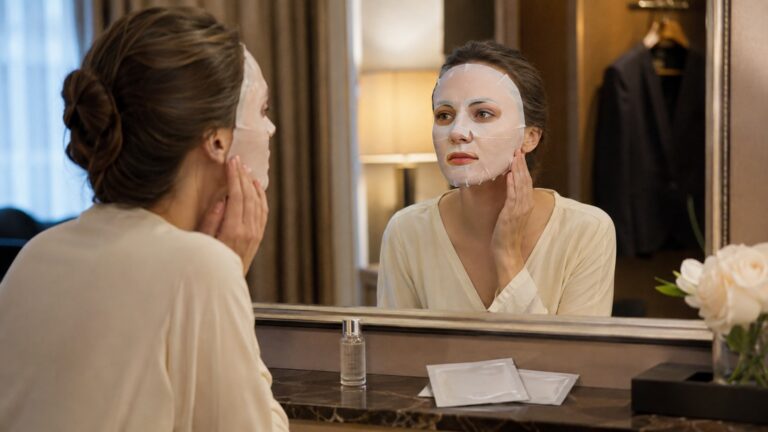
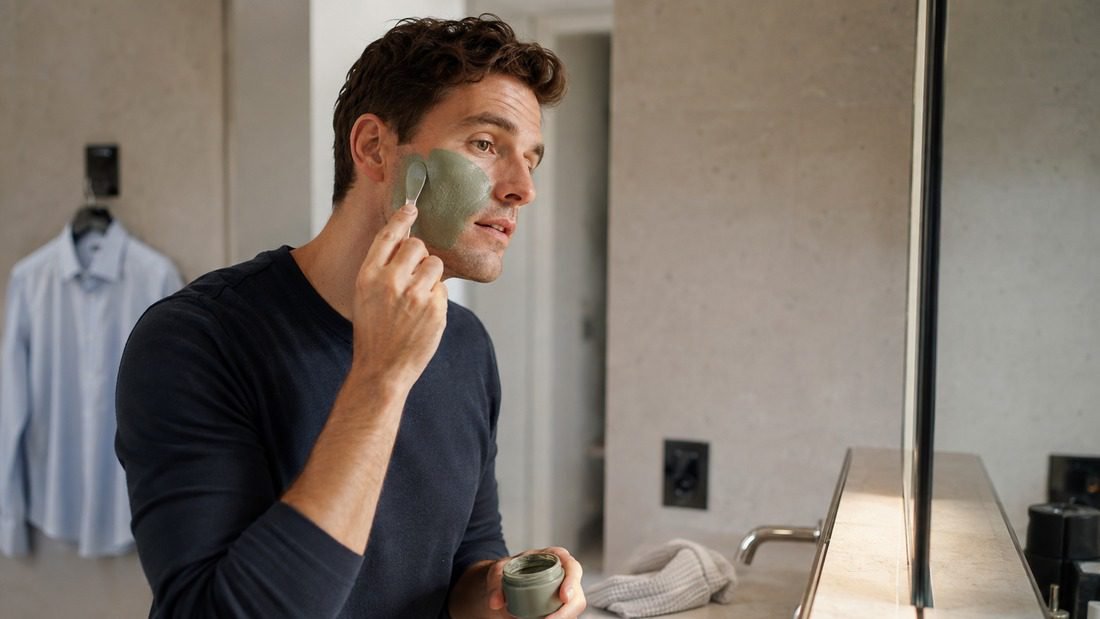
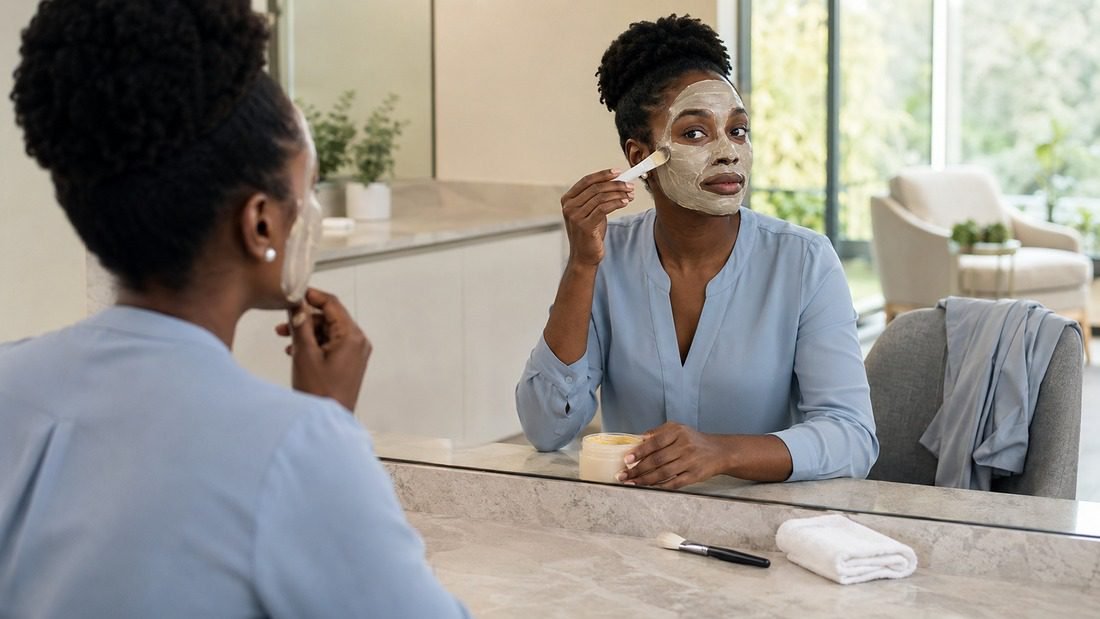
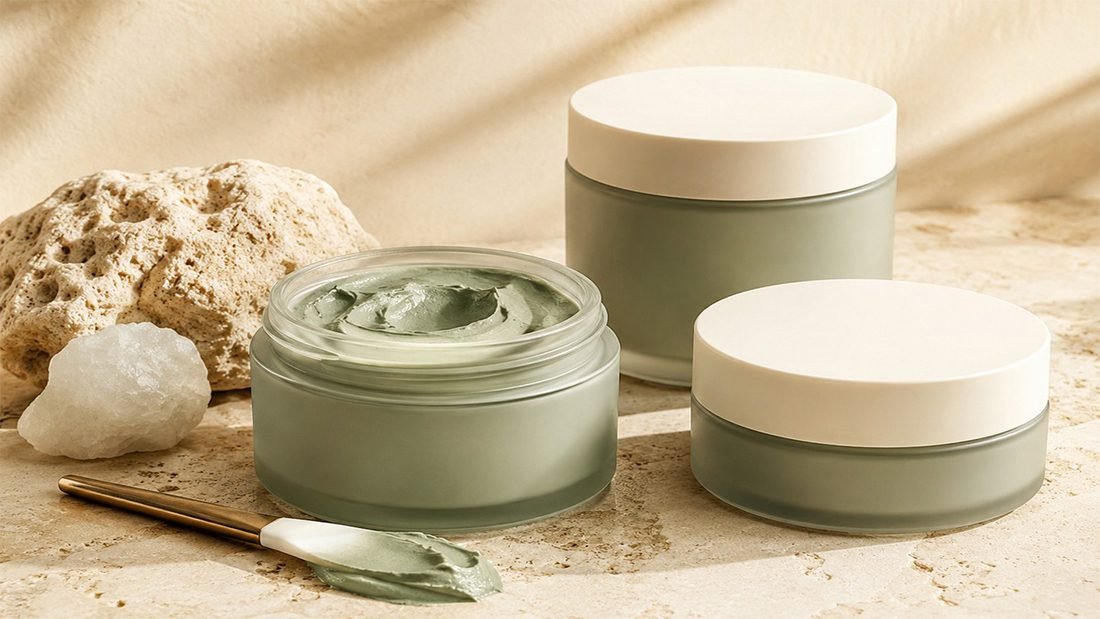
A facial & body mask is a rinse-off or peel-off treatment designed for multi-zone use—face, neck, and body. Formats include clay, cream, gel, sheet, and mud. They deliver immediate sensory results and are often used 1–3 times weekly.
A sleeping mask (or overnight mask) is a leave-on product applied as the last step of evening skincare. It forms a breathable film, seals in actives, and works while the user sleeps. It is typically lighter than a night cream but more occlusive than a serum.
Both formats can be private labeled, but their formulation logic, ingredient sourcing, and manufacturing processes differ significantly.
Formulation Comparison: Texture, Actives, and Stability
The table below summarizes key formulation differences.
| Parameter | Facial & Body Mask | Sleeping Mask |
|---|---|---|
| Application | Rinse-off or peel-off | Leave-on overnight |
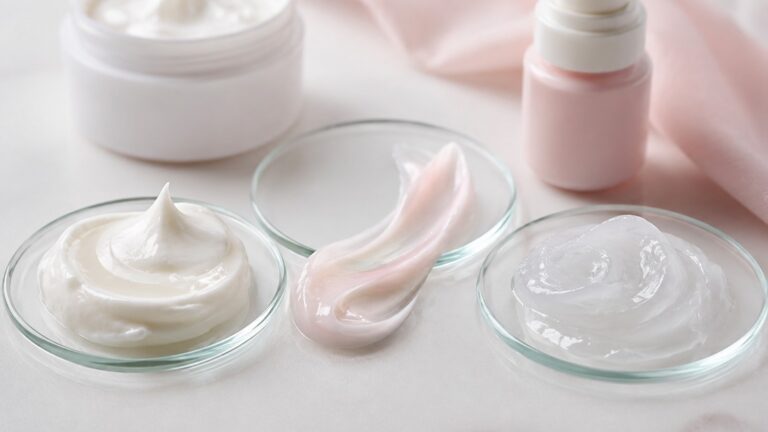
| Texture | Clay, cream, gel, mud | Gel-cream, watery gel, balm |
| Key actives | Kaolin, bentonite, charcoal, AHA/BHA, fruit enzymes | Hyaluronic acid, ceramides, peptides, niacinamide, panthenol |
| pH range | 4.0–7.5 (often acidic for exfoliation) | 5.0–6.5 (skin-friendly) |
| Preservation | Robust system needed due to water content and clay | Moderate preservation; often lower water activity |
| Stability risks | Clay settling, microbial growth, drying out | Phase separation, viscosity drift, packaging compatibility |
| Manufacturing complexity | High (dispersion, milling, filling) | Medium (emulsification or gel matrix) |
Facial & body masks often require high-shear mixing to disperse clays and powders. Sleeping masks demand precise emulsification or gelling to achieve a breathable, non-tacky film. Both need rigorous stability testing.
Ingredient Sourcing: Where to Focus
For facial & body masks, source clays and minerals from reputable suppliers with heavy-metal testing. For sleeping masks, prioritize high-purity humectants and barrier-repair lipids. In both cases, verify allergen statements and COSMOS or ECOCERT compliance if you target clean-beauty segments.
Consider the country of origin for key actives. For example, hyaluronic acid from microbial fermentation is widely available, but quality grades vary. Work with a manufacturer that audits suppliers and provides full traceability.
Manufacturing & Packaging: What Changes on the Line
Facial & body masks often come in tubes, jars, or sachets. Sleeping masks typically use airless pumps, jars, or tubes that protect the formula from oxidation. Packaging choice affects formula compatibility—some gels react with certain plastics.
Your manufacturer’s filling lines must handle different viscosities. High-clay masks can be abrasive to pumps, while sleeping mask gels may require specialized nozzles. Discuss these details early with your OEM partner.
For brands targeting e-commerce, lightweight packaging reduces shipping costs. For spa and salon channels, larger formats and professional sizes matter. Align your format with your channel strategy.
Sourcing & Regulatory Considerations for 2028
Regulations are tightening. The EU’s Cosmetic Regulation (EC) No 1223/2009 requires a Cosmetic Product Safety Report (CPSR) for each SKU. The US FDA’s Modernization of Cosmetics Regulation Act (MoCRA) introduces facility registration and product listing. In Australia, AICIS oversees industrial chemicals, including cosmetics.
Your ingredient sourcing must account for these frameworks. For example, certain actives may be restricted in the EU but allowed in the UAE. A sleeping mask with high-dose retinol may face different rules than a rinse-off clay mask. Always confirm with your regulatory team.
Additionally, sustainability claims are under scrutiny. If you claim “reef-safe” or “biodegradable,” you need substantiation. Source ingredients with proper documentation.
Practical Advice: How to Choose Your Format
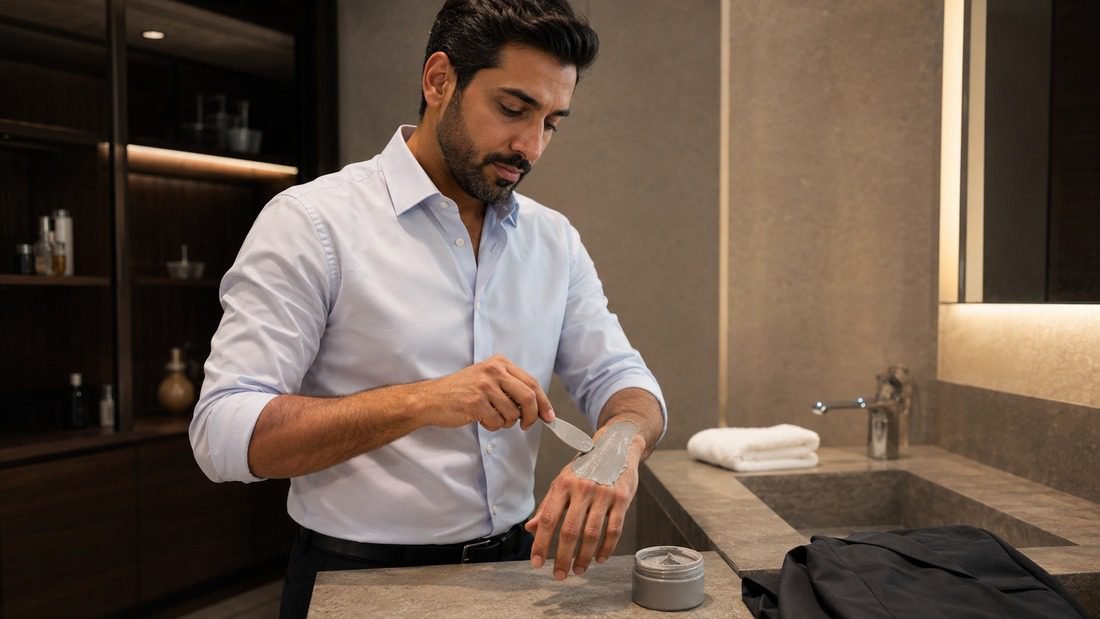
Start with your consumer. If your audience values quick, visible results and enjoys multi-step routines, a facial & body mask fits. If they prefer minimal effort and overnight efficacy, a sleeping mask wins.
Next, assess your supply chain. Do you have access to clay suppliers with consistent quality? Can your manufacturer handle leave-on formulas with stringent stability requirements? If not, consider a partner like Flavor Sources that offers Custom Formula development and Sample Development to test both formats.
Finally, plan your SKU rationalization. Launching both formats may dilute your marketing budget. Many brands start with one hero product, then expand. Use Testing & Inspection to validate stability and compatibility before scaling.
Case Examples: Lessons from Global Markets
A UK-based indie brand launched a clay facial & body mask with charcoal and kaolin. They sourced clay from a certified EU supplier and achieved COSMOS approval. The product became a bestseller in the spa channel. Their key lesson: invest in heavy-metal testing early.
A UAE beauty distributor introduced a sleeping mask with hyaluronic acid and ceramides. They chose airless packaging to protect the formula in a hot climate. The product resonated with busy professionals. Their takeaway: climate-specific packaging is non-negotiable.
An Australian e-commerce seller tested both formats. They found that a lightweight sleeping mask had lower return rates due to fewer application errors. They now offer a facial & body mask as a weekly treatment add-on. Their insight: consumer education drives repeat purchase.
These examples show that success depends on aligning format with market needs and sourcing with regulatory demands.
FAQ
Which format is easier to manufacture?
Sleeping masks are generally simpler because they don’t require high-shear clay dispersion. However, both need stability testing. Your manufacturer’s expertise matters more than the format itself.
Can I use the same ingredients for both?
Some actives overlap, but concentrations and delivery systems differ. For example, AHAs are common in rinse-off masks but challenging in leave-on sleeping masks due to irritation risk.
What are the MOQs for each format?
MOQs depend on packaging and formula complexity. Typically, sleeping masks have lower MOQs because they use standard emulsion equipment. Facial & body masks with clays may require larger batches to justify cleaning and milling.
How do I ensure regulatory compliance?
Work with a manufacturer that provides CPSR, MoCRA, and AICIS documentation. Verify ingredient restrictions per market. Flavor Sources offers Export Support to guide you through country-specific rules.
Which format sells better in 2028?
Both have strong potential. Sleeping masks are growing in Asia and the US, while facial & body masks remain popular in Europe and the Middle East. Test with your audience.
Can I private label both formats?
Yes. Many brands offer both to cover different usage occasions. Start with one, then expand using Private Label Skincare services.

 Scan to WhatsApp
About the Author
David Zhang has spent years in skincare formulation and quality control at Flavor Sources, a GMP ISO 22716-certified private label manufacturer based in Dongguan, China, serving brands in 50+ countries since 2000. Reach out to David's team for a custom formula consultation →
Ready to Develop Your 2028 Mask Line?
Whether you choose a facial & body mask, a sleeping mask, or both, the right manufacturing partner makes all the difference. Flavor Sources specializes in OEM/ODM skincare with full-service Sample Development and Bulk Production. We help you navigate formulation, sourcing, and compliance.
Request a free sample or get a quote today. Let’s bring your 2028 vision to life.