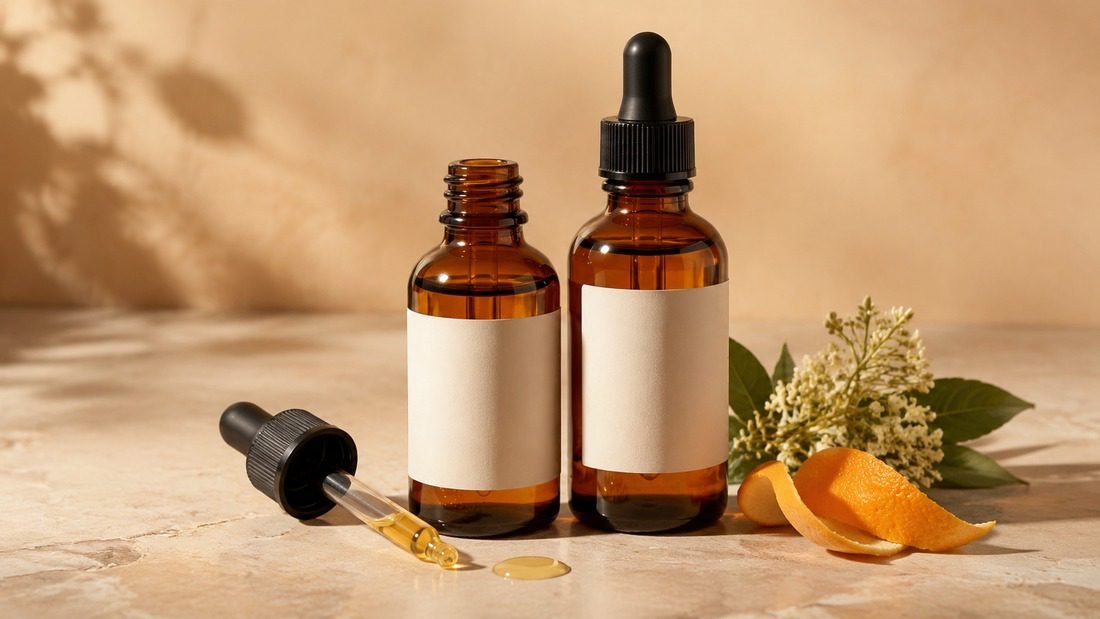
Serum vs Ampoule Compliance Certification: The Complete 2026 Guide for Smart Brands
When choosing between serum and ampoule formats, serum vs ampoule compliance certification is the deciding factor. Serums typically follow standard cosmetic regulations, while ampoules often trigger stricter stability and packaging checks. The right choice depends on your target market, claims, and documentation budget.
Table of Contents
- What Is the Serum vs Ampoule Compliance Certification Dilemma?
- Core Differences in Compliance and Certification
- Practical Recommendations for Choosing Your Format
- Case Evidence from Global Markets
- FAQ
- Q1: Is an ampoule always regulated differently from a serum?
- Q2: Which format is faster for private label launch?
- Q3: Can I use the same CPSR for serum and ampoule?
- Q4: What certifications should I ask my OEM partner for?
- Q5: Does MoCRA change anything for ampoules?
- Q6: How do I choose between serum and ampoule for export?
- Author Trust Module
- Ready to Choose Your Format?
What Is the Serum vs Ampoule Compliance Certification Dilemma?
Brand owners often assume serum and ampoule differ only in concentration. In reality, the compliance pathways diverge sharply. A serum is usually a leave-on cosmetic liquid. An ampoule is a highly concentrated, single-dose or small-dose format. Regulators may view ampoules as closer to quasi-drugs or borderline products in some markets.
That means your certification burden changes. You may need extra stability data, preservative challenge tests, or sterile filling validation. The dilemma: ampoules can command higher retail prices, but they also demand deeper compliance investment. Serums offer faster market entry with well-established regulatory templates.
This guide compares both formats through a compliance and certification lens for 2026.
Core Differences in Compliance and Certification
Regulatory Classification
In the EU, both serums and ampoules fall under EC No 1223/2009 as cosmetics if no medicinal claims are made. However, ampoules with single-dose sterile packaging may face additional scrutiny under ISO 22716 GMP. In the US, MoCRA requires facility registration and product listing for both. Ampoules with drug-like claims risk FDA drug classification.
In ASEAN, ampoules are sometimes reviewed as functional cosmetics. Serums are generally treated as standard cosmetics. Always confirm with your local responsible person.
Stability and Preservation Testing
Serums typically require 12-week accelerated stability and preservative efficacy testing (ISO 11930). Ampoules, especially preservative-free versions, need sterility assurance and container closure integrity testing. This adds cost and lead time.
Labeling and Claims
Serum labels can carry claims like “helps improve the appearance of fine lines.” Ampoule labels often imply higher potency, which regulators watch closely. Avoid medical assertions. Use compliant wording such as “helps improve the appearance of.”
Comparison Table: Serum vs Ampoule Compliance
| Compliance Factor | Serum | Ampoule |
|---|---|---|
| Typical regulatory path | Standard cosmetic | Cosmetic or borderline |
| Stability testing | 12-week accelerated | 12-week + sterility |
| Preservative challenge | ISO 11930 required | Often waived if sterile |
| GMP requirement | ISO 22716 | ISO 22716 + sterile filling |
| Labeling risk | Low to medium | Medium to high |
| Export documentation | CPSR, CoA, MSDS | CPSR, CoA, MSDS, sterility report |
| Time to market | 8–12 weeks | 12–20 weeks |
Key Term Definitions
- CPSR: Cosmetic Product Safety Report, required in the EU.
- MoCRA: Modernization of Cosmetics Regulation Act, US federal law.
- ISO 22716: Good Manufacturing Practices for cosmetics.
- Container closure integrity: Test ensuring ampoule seal prevents microbial ingress.
Practical Recommendations for Choosing Your Format
Start with your destination market. For EU and UK, both formats need a CPSR and a responsible person. For US, MoCRA facility registration applies to both. For UAE and Australia, ampoules may need extra import permits.
Next, assess your claims. If you want to say “helps improve the appearance of dull skin,” a serum is simpler. If you plan single-dose hygiene claims, ampoules justify the extra certification.
Budget matters. Ampoule compliance can add 30–50% to testing costs. Serums let you allocate more budget to Custom Formula and Packaging Design.
Finally, consider scalability. Serums are easier to scale via Bulk Production. Ampoules require specialized filling lines.
Case Evidence from Global Markets
A UK-based beauty brand launched a private label serum for the EU market. Using standard CPSR and ISO 11930 testing, it reached shelves in 10 weeks. The same brand later explored an ampoule line. Sterility and container closure testing added 8 weeks and significant cost. The brand chose serum for its initial launch.
A UAE importer compared both formats for a brightening line. Ampoules required additional UAE municipality registration and Arabic labeling review. Serums moved faster through customs. The importer ultimately ordered both, using serums for daily care and ampoules for premium gift sets.
An Australian e-commerce seller tested a preservative-free ampoule. It needed extra stability data for the hot climate. The seller switched to a serum with a mild preservative system, which passed stability testing faster. This shows climate and logistics affect compliance choices.
A US startup used MoCRA-compliant serum manufacturing through a contract manufacturer. The serum format allowed a soft launch while the brand prepared for ampoule certification later. This staged approach reduced upfront risk.
These cases show that serum vs ampoule compliance certification is not about which is better, but which fits your market, claims, and timeline.
FAQ
Q1: Is an ampoule always regulated differently from a serum?
Not always. In many markets, both are cosmetics. But ampoules with sterile, single-dose packaging often trigger extra testing and documentation. Always check with your regulatory consultant.
Q2: Which format is faster for private label launch?
Serums are generally faster. They require standard stability and preservative testing. Ampoules add sterility and container closure integrity checks, extending timelines.
Q3: Can I use the same CPSR for serum and ampoule?
No. Each formulation needs its own CPSR. The packaging format also affects the safety assessment, especially for ampoules.
Q4: What certifications should I ask my OEM partner for?
Ask for ISO 22716, GMP, and relevant test reports. For ampoules, request sterility and container closure integrity reports. For serums, request ISO 11930 preservative efficacy results.
Q5: Does MoCRA change anything for ampoules?
MoCRA requires facility registration and product listing for both formats. Ampoules with drug-like claims may face additional FDA scrutiny. Keep claims cosmetic.
Q6: How do I choose between serum and ampoule for export?
Map your target countries. If you export to multiple regions, serums offer simpler documentation. Ampoules suit premium, single-dose positioning but need more compliance budget.
Author Trust Module

 Scan to WhatsApp
About the Author
David Zhang has spent years in skincare formulation and quality control at Flavor Sources, a GMP ISO 22716-certified private label manufacturer based in Dongguan, China, serving brands in 50+ countries since 2000. Reach out to David's team for a custom formula consultation →
Ready to Choose Your Format?
Whether you lean toward serum or ampoule, compliance should guide your decision. At Flavor Sources, we help brands compare formats, prepare certification documents, and scale production. Explore our Serum capabilities or review our Certificates for ISO and GMP credentials. For importers, our Export Support team can clarify region-specific requirements. Startups can use our Sample Development service to test both formats. When you are ready, request a sample or get a quote to move forward with confidence.