Ultimate 2027 Guide: Decoding Cream & Lotion Manufacturing Terms for Saudi Arabia Buyers
For Saudi Arabian beauty brands, understanding the cream lotion glossary saudi arabia is critical. This guide defines key OEM/ODM terms—from MOQ to stability testing—so you can source with confidence. In 2027, regulatory alignment and clear communication will separate successful launches from costly delays.
Table of Contents
- Why a Cream & Lotion Manufacturing Glossary Matters for Saudi Buyers
- Core Cream & Lotion Manufacturing Terms Defined
- Comparison Table: OEM vs. ODM for Saudi Buyers
- Practical Tips for Saudi Buyers
- Case Study: How a UAE Brand Streamlined Sourcing with a Glossary
- Frequently Asked Questions (FAQ)
- Ready to Source Cream & Lotion for Saudi Arabia?
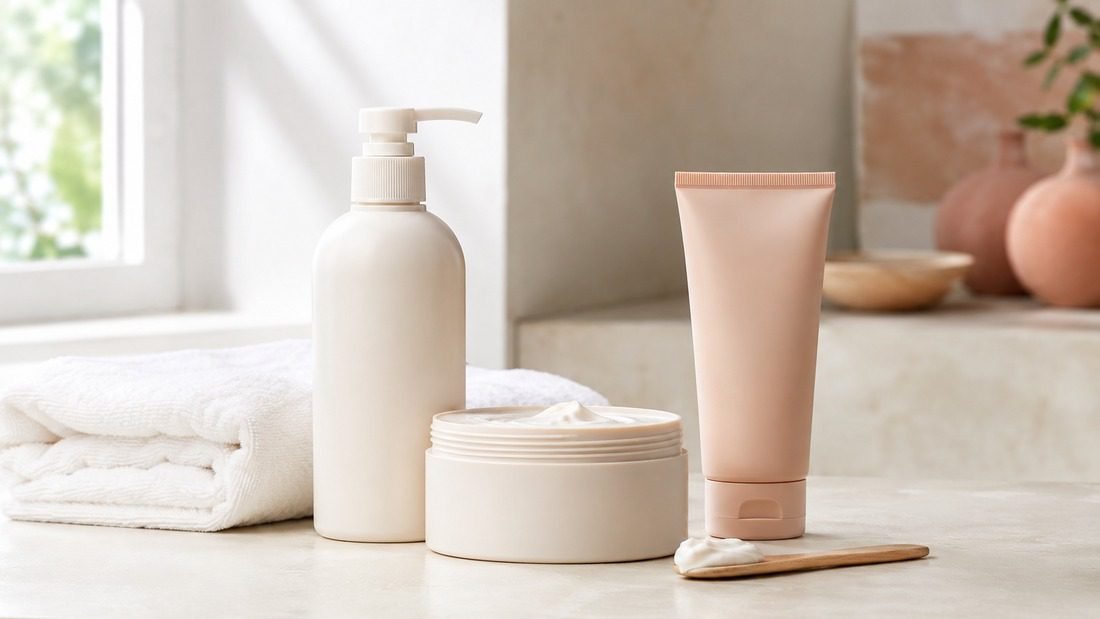
Why a Cream & Lotion Manufacturing Glossary Matters for Saudi Buyers
Saudi Arabia's beauty market is projected to grow steadily through 2027, driven by Vision 2030 and a young, brand-conscious population. As local brands scale, they increasingly turn to OEM/ODM manufacturers in Asia. But jargon gaps cause costly misunderstandings. A shared vocabulary reduces risk, speeds sampling, and ensures compliance with Saudi FDA and GCC standards. Without it, you might approve a formula that fails stability or a label that violates local regulations. This glossary bridges that gap.
Core Cream & Lotion Manufacturing Terms Defined
OEM vs. ODM: What's the Difference?
OEM (Original Equipment Manufacturer) means you provide the formula, and the factory produces it. ODM (Original Design Manufacturer) means the factory offers ready or customizable formulas. For Saudi startups, ODM is faster; for established brands, OEM offers exclusivity. Many factories, like Flavor Sources, offer both.
MOQ: Minimum Order Quantity
MOQ is the smallest batch a factory will produce. It varies by formula complexity and packaging. Typical MOQs for private label cream and lotion range from 1,000 to 5,000 units. Lower MOQs are possible but may increase per-unit cost.
Stability Testing
This evaluates how a formula holds up over time under various conditions (heat, humidity, light). It's essential for Saudi Arabia's hot climate. Stability testing ensures your product doesn't separate, change color, or lose efficacy before expiry.
Challenge Test
A microbiological test that assesses preservative effectiveness. It simulates consumer use to ensure the product remains safe from bacteria and fungi. Required for many markets, including GCC.
Halal Certification
For Saudi Arabia, halal certification confirms the product and its ingredients comply with Islamic law. It covers sourcing, production, and packaging. Not all factories are halal-certified, so verify before committing.
Shelf Life vs. PAO
Shelf life is the unopened product's lifespan (typically 2-3 years). PAO (Period After Opening) is how long it's safe to use after opening (e.g., 12M). Both must be labeled correctly.
Emulsion
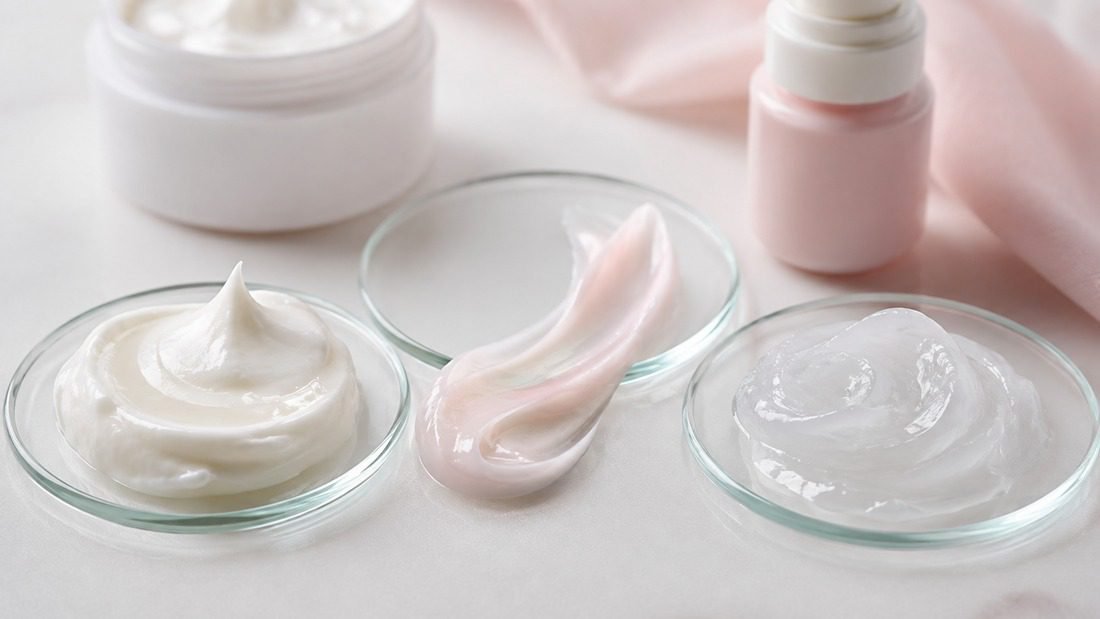
Creams and lotions are emulsions—mixtures of oil and water. The type (oil-in-water or water-in-oil) affects texture, feel, and stability. Understanding this helps you communicate desired sensory properties.
Viscosity
A measure of thickness. Lotions are less viscous; creams are thicker. Viscosity targets ensure your product meets consumer expectations and fills properly.
Active Ingredients
Ingredients that provide a specific benefit, like hyaluronic acid for hydration or niacinamide for brightening. Their concentration and delivery system matter for efficacy and claims.
COA (Certificate of Analysis)
A document from the factory detailing test results for a batch. It confirms specifications like pH, viscosity, and microbial count. Always request a COA for each shipment.
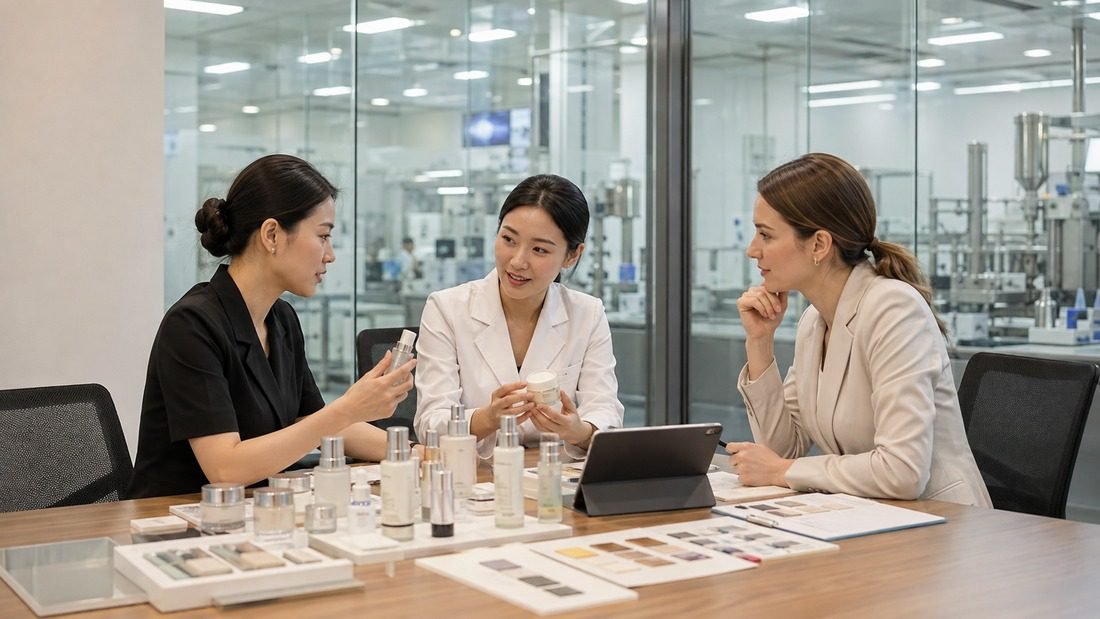
Comparison Table: OEM vs. ODM for Saudi Buyers
| Aspect | OEM | ODM |
|---|---|---|
| Formula | You own/provide | Factory's stock or customized |
| Exclusivity | High | Low to medium |
| Speed to Market | Slower (R&D needed) | Faster |
| Cost | Higher upfront | Lower upfront |
| MOQ | Often higher | Often lower |
| Ideal For | Established brands | Startups, new brands |
Practical Tips for Saudi Buyers
- Request a Sample Kit: Before committing, test textures, scents, and stability. Use Sample Development services to refine.
- Verify Certifications: Ensure the factory has ISO 22716, GMP, and halal certification. Check Certificates for authenticity.
- Clarify MOQs and Lead Times: Get everything in writing. Understand minimums for Cream & Lotion and other categories.
- Plan for Compliance: Saudi FDA requires product notification. Work with a manufacturer experienced in Export Support.
- Visit the Factory (Virtually or In-Person): A Factory Tour builds trust and clarifies capabilities.
- Discuss Packaging Early: Packaging Design affects cost, shelf appeal, and compliance.
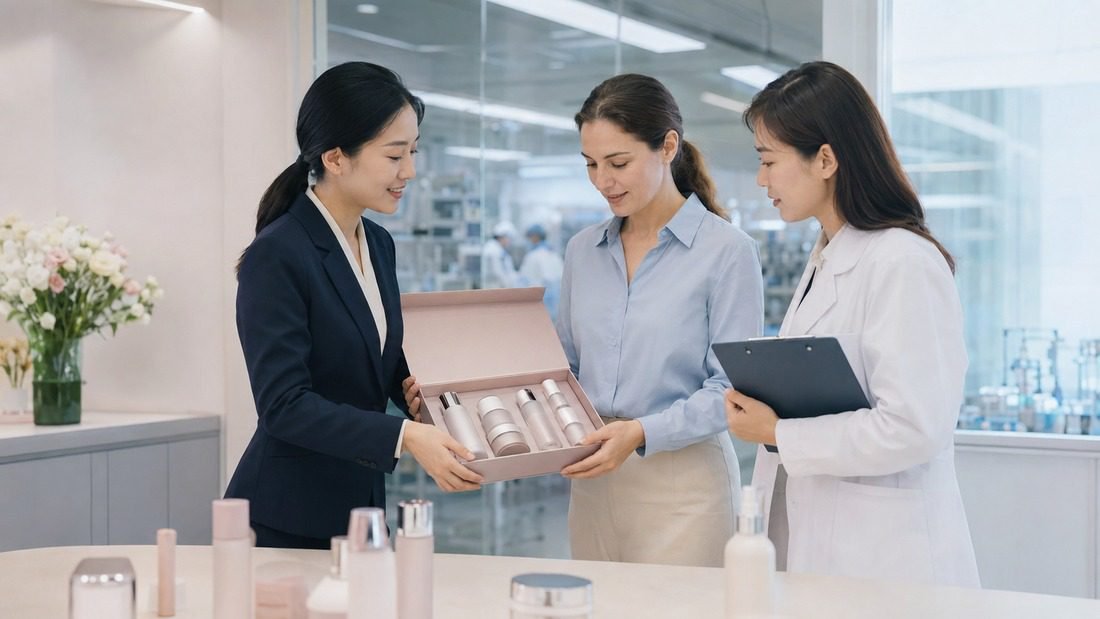
Case Study: How a UAE Brand Streamlined Sourcing with a Glossary
A UAE-based beauty startup approached Flavor Sources with a vague brief: “We want a hydrating cream for the Gulf market.” They lacked technical vocabulary. By introducing our cream and lotion glossary, we aligned on key terms: they needed an ODM formula with a 12-month PAO, halal certification, and stability testing for 45°C. We provided samples within two weeks. After minor adjustments, they launched successfully in the UAE and expanded to Saudi Arabia. The glossary reduced back-and-forth by 60% and avoided a costly reformulation.
Frequently Asked Questions (FAQ)
Q1: What is the difference between OEM and ODM?
A: OEM means you provide the formula; ODM means the factory provides it. ODM is faster and cheaper for new brands.
Q2: Do I need halal certification for Saudi Arabia?
A: Yes, halal certification is highly recommended and often required for cosmetics in Saudi Arabia. It assures consumers of compliance with Islamic principles.
Q3: How long does stability testing take?
A: Typically 4-12 weeks, depending on conditions. Accelerated testing can shorten timelines.
Q4: What is the typical MOQ for private label cream and lotion?
A: MOQs vary from 1,000 to 5,000 units. Some factories offer lower MOQs for startups.
Q5: Can I customize the formula for Saudi Arabia's climate?
A: Absolutely. Work with your manufacturer to adjust emollients and preservatives for high heat and humidity.
Q6: What documents should I request from the factory?
A: COA, MSDS, stability reports, and certifications (ISO, GMP, halal).

 Scan to WhatsApp
About the Author
David Zhang has spent years in skincare formulation and quality control at Flavor Sources, a GMP ISO 22716-certified private label manufacturer based in Dongguan, China, serving brands in 50+ countries since 2000. Reach out to David's team for a custom formula consultation →
Ready to Source Cream & Lotion for Saudi Arabia?
Don't let jargon slow you down. Flavor Sources specializes in OEM/ODM manufacturing for Saudi and GCC markets. We offer Private Label Skincare, Custom Formula, and full Export Support. To get started, request a sample or get a quote today. Let's bring your vision to life with clarity and confidence.