Complete 2026 Guide: Cream Lotion Formulation Ingredient Sourcing for E-commerce Sellers
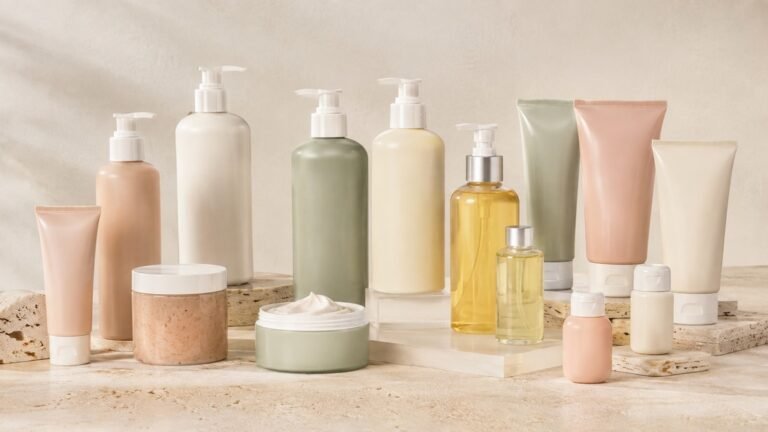
For e-commerce sellers, mastering cream lotion formulation ingredient sourcing ecommerce sellers is critical to launching a profitable skincare line. This 2026 guide breaks down the essential raw materials, formulation strategies, and sourcing tips to help you create reliable, market-ready products.
Table of Contents
- What Is Cream Lotion Formulation and Why Does Ingredient Sourcing Matter for E-commerce?
- The Core Components of Cream and Lotion Formulations
- How to Source Ingredients for Custom Cream & Lotion Formula Development
- Comparing Ingredient Sourcing Options: China vs. Local vs. Hybrid
- Practical Tips for E-commerce Sellers Sourcing Cream and Lotion Ingredients
- Case Examples: How E-commerce Sellers Succeed with Cream and Lotion Sourcing
- Frequently Asked Questions (FAQ)
- What is the minimum order quantity (MOQ) for custom cream and lotion manufacturing?
- How long does it take to develop a custom cream or lotion formula?
- Do I need to worry about preservative efficacy for natural formulations?
- What certifications should I look for in a cream and lotion manufacturer?
- How can I verify the quality of raw materials sourced from China?
- Can I source both cream and lotion from the same manufacturer?
- Ready to Launch Your Cream and Lotion Line?
What Is Cream Lotion Formulation and Why Does Ingredient Sourcing Matter for E-commerce?
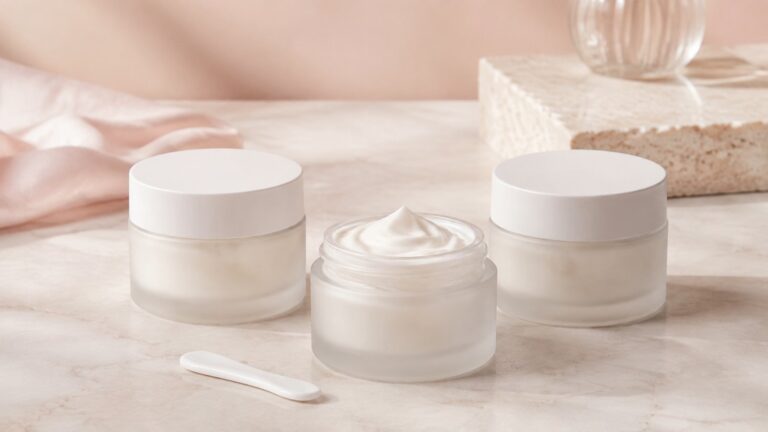
Cream and lotion formulation is the science of blending water, oils, emulsifiers, and active ingredients to create stable, skin-friendly emulsions. For e-commerce sellers, the formulation directly impacts product performance, customer reviews, and repeat purchase rates.
Ingredient sourcing determines cost, quality, and compliance. A single low-grade raw material can cause separation, irritation, or failed preservative efficacy. In 2026, consumers demand transparency, so sourcing from reputable suppliers is non-negotiable.
This article explains the entire process, from base ingredients to custom formula development, and how to partner with a manufacturer that supports your e-commerce growth.
The Core Components of Cream and Lotion Formulations
Every cream or lotion contains four building blocks: water phase, oil phase, emulsifiers, and active ingredients. Preservatives, thickeners, and pH adjusters complete the system.
Understanding these components helps you communicate with your manufacturer and avoid costly reformulations. Below is a quick reference table.
| Component | Function | Common Examples |
|---|---|---|
| Water Phase | Solvent, hydration | Purified water, aloe vera juice |
| Oil Phase | Emollient, occlusion | Shea butter, jojoba oil, squalane |
| Emulsifiers | Blend oil & water | Cetearyl alcohol, polysorbate 60 |
| Active Ingredients | Target skin concerns | Niacinamide, hyaluronic acid, vitamin C |
| Preservatives | Prevent microbial growth | Phenoxyethanol, sodium benzoate |
| Thickeners | Improve texture | Xanthan gum, carbomer |
When sourcing these materials, consider purity, country of origin, and certifications. For example, cream & lotion raw material sourcing china offers cost advantages, but you must verify GMP and ISO compliance.
How to Source Ingredients for Custom Cream & Lotion Formula Development
Custom cream & lotion formula development starts with a clear product brief. Define your target skin type, desired texture, and hero ingredients. Then work with your manufacturer to select raw materials that meet your budget and regulatory needs.
Key steps include:
- Supplier Qualification: Request COAs, MSDS, and stability data.
- Sample Testing: Evaluate feel, absorption, and scent.
- Compatibility Testing: Ensure actives don't degrade or cause separation.
- Preservative Challenge: Verify efficacy against bacteria and fungi.
- Scale-Up: Confirm formula performs in bulk production.
For e-commerce sellers, speed matters. Choose a partner offering Custom Formula services to streamline development.
Comparing Ingredient Sourcing Options: China vs. Local vs. Hybrid
E-commerce sellers often weigh sourcing from China against local suppliers. Each has trade-offs. The table below compares key factors.
| Factor | China Sourcing | Local Sourcing | Hybrid Approach |
|---|---|---|---|
| Cost | Low | High | Medium |
| MOQ | Flexible | High | Flexible |
| Lead Time | 30-45 days | 7-14 days | 20-30 days |
| Compliance | Requires vetting | Easier | Balanced |
| Customization | High | Limited | High |
A hybrid approach—sourcing actives locally and bases from China—can balance cost and speed. However, for most e-commerce sellers, partnering with a full-service OEM/ODM manufacturer in China simplifies logistics and quality control.
Practical Tips for E-commerce Sellers Sourcing Cream and Lotion Ingredients
Start with a clear product specification. Know your target price, volume, and claims. Then follow these actionable tips:
- Request samples from multiple suppliers before committing.
- Verify certifications such as ISO 22716, GMP, and cruelty-free.
- Test stability at accelerated conditions (40°C/75% RH for 3 months).
- Plan for scalability—ensure your formula can be produced in bulk.
- Use a manufacturer that offers Sample Development to iterate quickly.
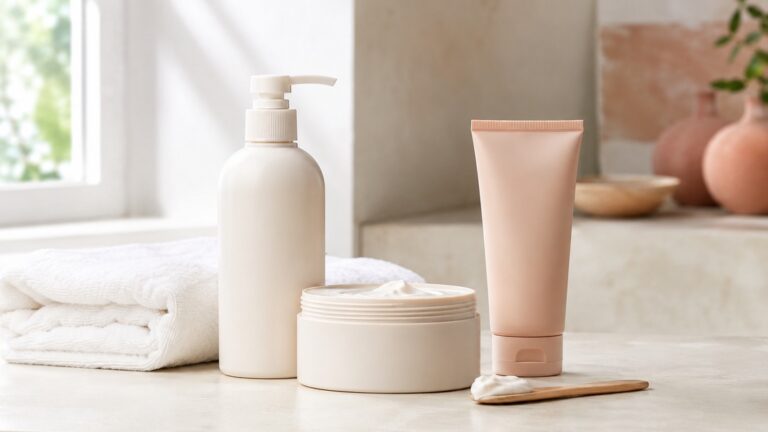
Also, consider packaging compatibility early. Certain ingredients may interact with PET or glass. Packaging Design support can prevent costly mistakes.

Case Examples: How E-commerce Sellers Succeed with Cream and Lotion Sourcing
A UK-based e-commerce brand launched a niacinamide lotion using custom formulation from a Chinese OEM. By sourcing actives from a certified supplier, they achieved a stable product with 12-month shelf life and passed EU CPSR.
In the UAE, a seller focused on halal-certified body creams. They worked with a manufacturer to source plant-based emulsifiers and obtained necessary documentation for import.
An Australian e-commerce startup used a hybrid model: local aloe vera and Chinese hyaluronic acid. This reduced cost by 20% while maintaining quality. These examples show that with proper vetting, global sourcing is viable.
For more insights, see Case Studies.
Frequently Asked Questions (FAQ)
What is the minimum order quantity (MOQ) for custom cream and lotion manufacturing?
MOQs vary by manufacturer. Many Chinese OEMs offer MOQs as low as 1,000 units per SKU. However, for custom formulations, MOQs may be higher. Always discuss with your supplier.
How long does it take to develop a custom cream or lotion formula?
Typically 4-8 weeks from brief to sample approval, depending on complexity. Stability testing adds 4-12 weeks. Plan for 3-6 months from concept to bulk production.
Do I need to worry about preservative efficacy for natural formulations?
Yes. Natural formulations are more prone to microbial growth. Use a challenge test to ensure your preservative system works. Consider using multifunctional ingredients like caprylyl glycol.
What certifications should I look for in a cream and lotion manufacturer?
Look for ISO 22716 (GMP), ISO 9001, and ideally ECOCERT or COSMOS for natural lines. For export to the EU, ensure CPSR compliance. For the US, MoCRA registration is required.
How can I verify the quality of raw materials sourced from China?
Request a Certificate of Analysis (COA) for each batch. Third-party testing is recommended. Visit the factory or use a trusted inspection service. See Testing & Inspection for details.
Can I source both cream and lotion from the same manufacturer?
Absolutely. Many OEMs produce a wide range of skincare products. For example, Cream & Lotion and Serum can be developed together to share ingredients and reduce costs.

 Scan to WhatsApp
About the Author
David Zhang has spent years in skincare formulation and quality control at Flavor Sources, a GMP ISO 22716-certified private label manufacturer based in Dongguan, China, serving brands in 50+ countries since 2000. Reach out to David's team for a custom formula consultation →
Ready to Launch Your Cream and Lotion Line?
Partnering with the right manufacturer is key to e-commerce success. Flavor Sources offers end-to-end OEM/ODM services, from formulation to bulk production. We help you source high-quality ingredients, develop custom formulas, and navigate global compliance.
Take the next step: Request a free sample or get a quote today. Let us help you bring your skincare vision to life.