Hair Care vs Hair Mask: The Complete 2026 Guide to Formulation & Ingredient Sourcing for Confident Sourcing Decisions
When evaluating hair care vs hair mask formulation ingredient sourcing, the core difference lies in purpose and formulation intensity: hair care products (shampoos, conditioners, serums) maintain daily hair health, while hair masks deliver intensive treatment with higher concentrations of active ingredients. For B2B sourcing, understanding these distinctions ensures you select the right format, ingredients, and manufacturing partner for your market.
Table of Contents
- Defining the Sourcing Dilemma: Why Hair Care vs Hair Mask Matters for Your Brand
- The Core Differences: Hair Care vs Hair Mask Formulation and Ingredient Sourcing
- Practical Sourcing Recommendations for Brands
- Case Evidence: Successful Sourcing Strategies from Global Markets
- Frequently Asked Questions
- 1. What is the main difference between hair care and hair mask in terms of formulation?
- 2. How does ingredient sourcing differ for hair masks?
- 3. Which format is better for private label beginners?
- 4. What certifications should I look for in a hair mask manufacturer?
- 5. How can I ensure regulatory compliance for hair masks in the EU?
- 6. Can I use the same packaging for hair care and hair masks?
- Ready to Make Confident Sourcing Decisions?
Defining the Sourcing Dilemma: Why Hair Care vs Hair Mask Matters for Your Brand
Brands often struggle to decide between expanding their daily hair care line or introducing a treatment-focused hair mask. This decision impacts formulation complexity, ingredient sourcing, packaging, and regulatory compliance. A wrong choice can lead to inventory issues or missed market opportunities. This guide clarifies the differences and provides actionable sourcing strategies for confident decision-making.
The Core Differences: Hair Care vs Hair Mask Formulation and Ingredient Sourcing
Hair care products are designed for regular use, focusing on cleansing, conditioning, and styling. They typically contain surfactants, conditioning agents, and lightweight oils. Hair masks, conversely, are intensive treatments used weekly or bi-weekly, featuring higher concentrations of emollients, proteins, and botanical extracts. The table below summarizes key differences.
| Aspect | Hair Care (Shampoo, Conditioner, Serum) | Hair Mask |
|---|---|---|
| Purpose | Daily maintenance and cleansing | Intensive repair and hydration |
| Frequency | Daily or every other day | 1-2 times per week |
| Key Ingredients | Surfactants, silicones, light oils | Proteins, rich butters, humectants |
| Formulation Complexity | Moderate | High (stability challenges) |
| pH Range | 4.5-6.5 | 3.5-5.5 |
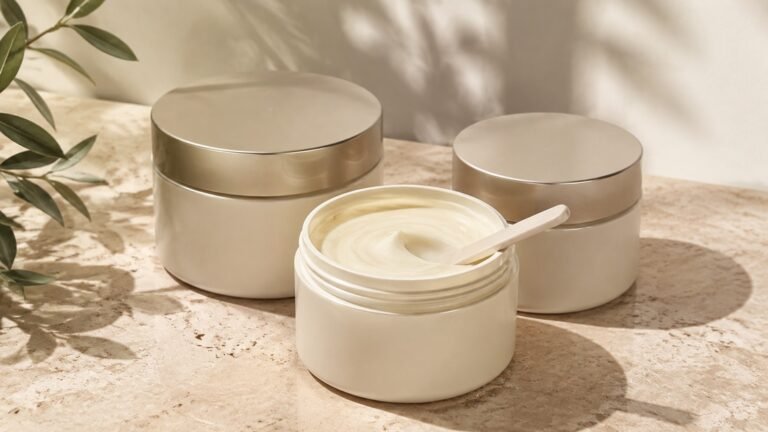
| Packaging | Bottles, pumps | Jars, tubes |
| Regulatory Considerations | Standard cosmetics | Often claims-intensive |
From a sourcing perspective, hair care ingredients are generally more commoditized, while hair mask ingredients require specialized suppliers for hydrolyzed proteins, exotic oils, and advanced delivery systems. For a reliable supply chain, partner with a manufacturer experienced in both categories, such as Flavor Sources, which offers comprehensive Hair Care solutions.
Ingredient Sourcing Nuances
Sourcing for hair masks demands stricter quality control due to higher active concentrations. For example, hydrolyzed keratin must be sourced from reputable suppliers with consistent molecular weight. In contrast, shampoo surfactants like SLES can be sourced from multiple large-scale suppliers. This affects cost, lead time, and minimum order quantities (MOQs).

Practical Sourcing Recommendations for Brands
When deciding between hair care and hair mask, consider your target market and channel. For mass retail, daily hair care offers higher volume potential. For premium or salon channels, hair masks can command higher margins. We recommend a phased approach: launch a core hair care line first, then introduce a complementary mask. Leverage a manufacturer's Custom Formula service to tailor textures and actives.
For ingredient sourcing, prioritize suppliers with certifications like ISO 9001 and ECOCERT. Request samples and stability data before committing. Flavor Sources provides Sample Development to help you test formulations.
Case Evidence: Successful Sourcing Strategies from Global Markets
A UK-based brand launched a private label hair mask using hydrolyzed wheat protein and argan oil, sourced through a manufacturer with EU-compliant documentation. The product achieved 20% repeat purchase rate within three months. In the UAE, a distributor expanded their hair care line with a sulfate-free shampoo and a deep-conditioning mask, leveraging Private Label Skincare services for both. In Australia, an e-commerce seller sourced a vegan hair mask with Australian native botanicals, capitalizing on the clean beauty trend. These cases highlight the importance of aligning formulation and sourcing with local preferences.

Frequently Asked Questions
1. What is the main difference between hair care and hair mask in terms of formulation?
Hair care products are for daily use with lower active concentrations, while hair masks are intensive treatments with higher concentrations of conditioning agents and actives.
2. How does ingredient sourcing differ for hair masks?
Hair masks require specialized ingredients like hydrolyzed proteins and rich butters, often from certified suppliers, whereas hair care uses more common surfactants and light oils.
3. Which format is better for private label beginners?
Starting with hair care is generally easier due to lower formulation complexity and broader market acceptance. Hair masks can be added later.
4. What certifications should I look for in a hair mask manufacturer?
Look for ISO 22716 (GMP), ISO 9001, and potentially ECOCERT for natural claims. Flavor Sources holds these certifications; see Certificates.
5. How can I ensure regulatory compliance for hair masks in the EU?
Work with a manufacturer that provides CPSR and complies with EU Cosmetics Regulation. Flavor Sources offers Export Support to navigate these requirements.
6. Can I use the same packaging for hair care and hair masks?
Not always; hair masks often require jars or tubes for viscous formulas, while hair care uses bottles or pumps. Consider Packaging Design services.

 Scan to WhatsApp
About the Author
David Zhang has spent years in skincare formulation and quality control at Flavor Sources, a GMP ISO 22716-certified private label manufacturer based in Dongguan, China, serving brands in 50+ countries since 2000. Reach out to David's team for a custom formula consultation →
Ready to Make Confident Sourcing Decisions?
Whether you choose hair care, hair mask, or both, Flavor Sources is your reliable partner for formulation and ingredient sourcing. With years of OEM/ODM experience, we help brands worldwide launch successful hair care lines. To explore our capabilities, visit Hair Care or request a sample to experience our quality firsthand. For customized solutions, get a quote today and let our experts guide you.