Body Care vs Body Scrub: Ultimate 2027 Formulation & Sourcing Guide for Confident Brands
When planning your 2027 product line, the choice between body care and body scrub hinges on formulation complexity and ingredient sourcing. Body care vs body scrub formulation differs mainly in exfoliant type, surfactant load, and preservative needs. Body care offers broader daily-use appeal, while scrubs provide targeted exfoliation. Your decision should align with brand positioning, target market, and supply chain capabilities.
Table of Contents
Understanding the Body Care vs Body Scrub Formulation Dilemma
Brands often struggle to allocate resources between daily body care and exfoliating scrubs. The core question: which format delivers better ROI and brand fit? This dilemma involves formulation science, ingredient sourcing, regulatory pathways, and consumer expectations. Without a clear comparison, you risk overinvesting in a niche scrub or under-differentiating a crowded lotion market. This guide breaks down the key differences to help you decide confidently.
Formulation & Ingredient Sourcing: A Side-by-Side Comparison
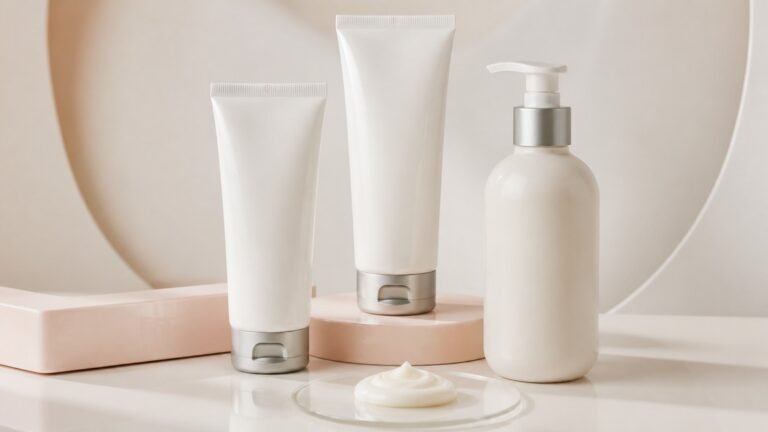
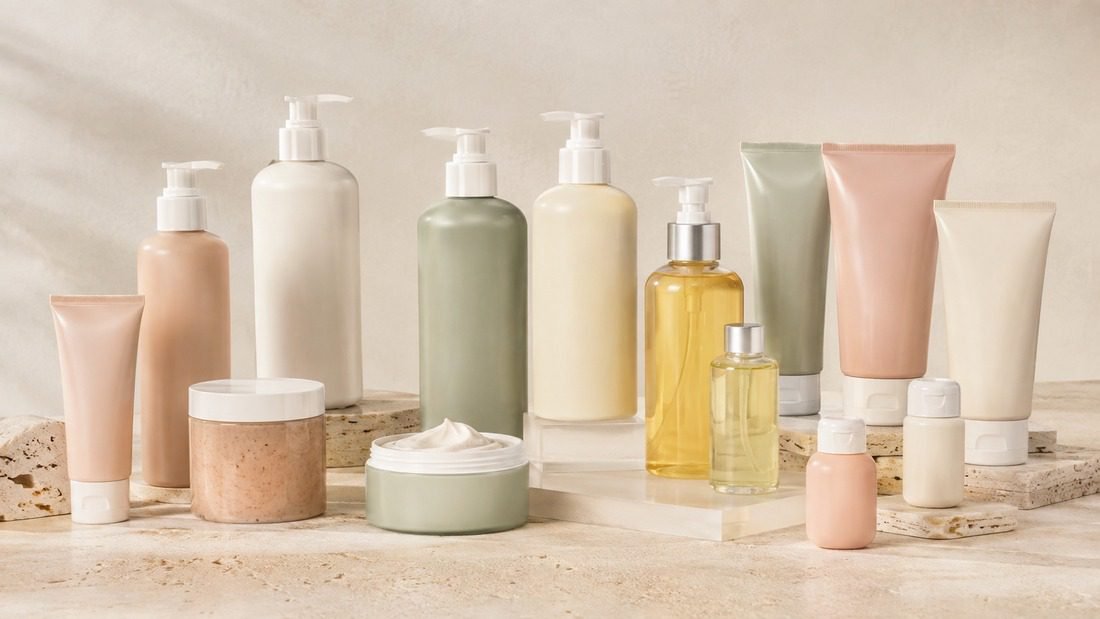
Body care encompasses lotions, creams, and serums designed for daily hydration and skin barrier support. Formulations rely on emollients (e.g., shea butter, jojoba oil), humectants (glycerin), and emulsifiers. Preservative systems must be robust due to high water content. Ingredient sourcing focuses on consistency, purity, and cost-effective volume supply.
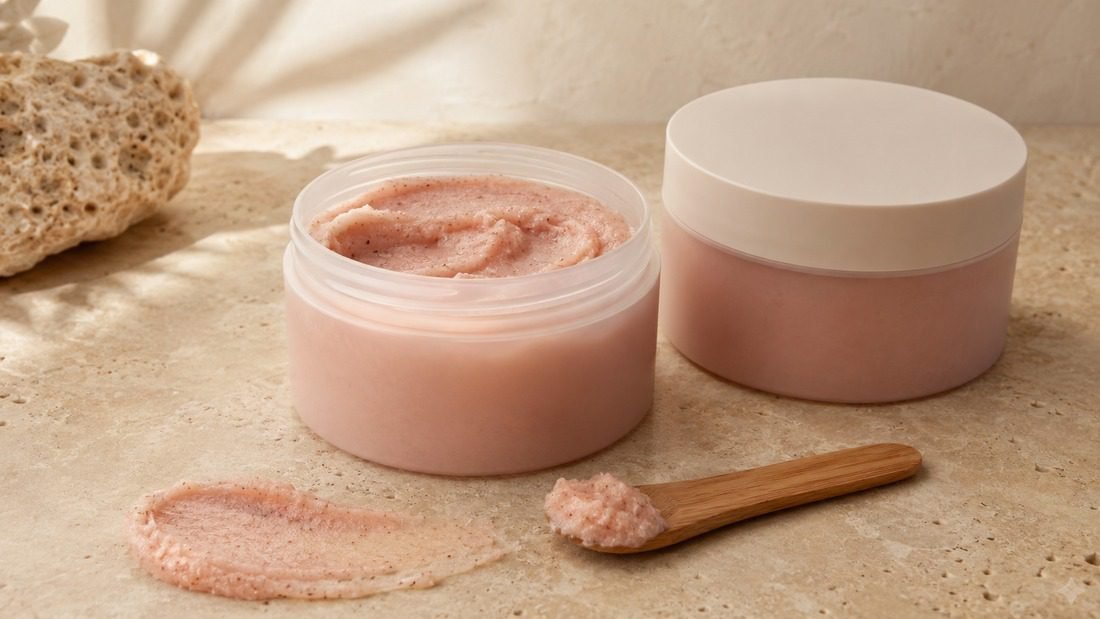
Body scrubs combine exfoliants (sugar, salt, coffee grounds) with a carrier oil or surfactant base. Formulation challenges include exfoliant particle size uniformity, suspension stability, and preservative efficacy in anhydrous or low-water systems. Sourcing exfoliants requires attention to microbial control and seasonal availability.
| Aspect | Body Care | Body Scrub |
|---|---|---|
| Primary function | Hydration, barrier support | Exfoliation, smoothing |
| Key ingredients | Emollients, humectants, emulsifiers | Exfoliants (sugar/salt), carrier oils, optional surfactants |
| Preservative need | High (water-based) | Low to moderate (anhydrous) |
| Formulation complexity | Moderate | Moderate to high (suspension, particle size) |
| Sourcing focus | Consistency, purity, volume | Particle uniformity, microbial control |
| Regulatory pathway | Standard cosmetics | Standard cosmetics (avoid microplastics) |
| Typical cost per unit | Lower | Higher (exfoliant sourcing) |
Key Terms Defined
- Emollient: Ingredient that softens and smooths skin (e.g., shea butter).
- Humectant: Attracts water to skin (e.g., glycerin).
- Anhydrous: Water-free formulation.
- Exfoliant: Physical or chemical agent that removes dead skin cells.
Practical Sourcing & Development Advice
For a 2027 launch, start by mapping your brand's core promise. If daily hydration is central, prioritize body care and leverage Private Label Skincare for speed. If exfoliation is a differentiator, consider a scrub but validate exfoliant sourcing early.
Ingredient sourcing tip: secure suppliers with documented microbial testing for scrub exfoliants. For body care, lock in emulsifier and preservative contracts to avoid price volatility. Use Custom Formula to tailor textures. Always request Sample Development before committing to bulk.
Consider a hybrid approach: a body care line with an occasional scrub SKU. This balances shelf presence and sourcing efficiency. For market entry, For Startups offers low-MOQ pathways.
Case Evidence: Lessons from Global Markets
In the UK, a brand launched a sugar scrub line but faced sourcing delays due to seasonal sugar quality variations. Switching to a body care lotion with exfoliating acids reduced supply chain risk and improved repeat purchase rates. In the UAE, a private label body care range using shea butter and glycerin achieved strong retail placement by emphasizing daily hydration. In Australia, a spa brand combined a salt scrub with a post-scrub body care lotion, increasing average order value by 20%. These cases show that body care vs body scrub formulation decisions must weigh sourcing stability and consumer usage occasions.
FAQ
What is the main difference between body care and body scrub formulation?
Body care focuses on hydration and barrier support with water-based emulsions, while body scrubs use exfoliants in oil or surfactant bases. Preservative needs and sourcing priorities differ significantly.
Which format is easier for private label?
Body care is generally easier due to established formulations and lower sourcing complexity. Scrubs require careful exfoliant sourcing and suspension stability.
How do I source ingredients for body scrubs?
Prioritize suppliers with microbial testing and consistent particle size. Avoid microplastics and verify seasonal availability.
Can I offer both formats in one line?
Yes, many brands use a body care core with a complementary scrub. This requires dual sourcing strategies but can boost shelf presence.
What certifications should I look for in a manufacturer?
Look for ISO 22716, GMP, and cruelty-free certifications. Check Certificates for verification.

 Scan to WhatsApp
About the Author
David Zhang has spent years in skincare formulation and quality control at Flavor Sources, a GMP ISO 22716-certified private label manufacturer based in Dongguan, China, serving brands in 50+ countries since 2000. Reach out to David's team for a custom formula consultation →
Ready to Develop Your 2027 Body Care Line?
Choosing between body care and body scrub is a strategic decision. Flavor Sources supports your formulation and sourcing needs with expert OEM/ODM services. To make a confident choice, request a sample or get a quote today. Our team helps you navigate body care vs body scrub formulation and ingredient sourcing to launch a reliable, market-ready product.