The Ultimate 2027 Guide to Cream & Lotion Formulation & Ingredient Sourcing for Importers
For importers, mastering cream lotion formulation ingredient sourcing importers is critical to delivering safe, effective, and market-ready skincare products. This 2027 breakdown explains the formulation basics, key ingredients, sourcing strategies, and compliance essentials you need to make confident decisions. Whether you're launching a new line or optimizing an existing one, understanding these elements ensures your products meet consumer expectations and regulatory standards.
Table of Contents
- What Does Cream & Lotion Formulation & Ingredient Sourcing Mean for Importers?
- Key Ingredients in Cream & Lotion Formulation
- Ingredient Sourcing Strategies for Importers
- Practical Tips for Importers
- Case Studies: Successful Sourcing in Key Markets
- FAQ
- What are the key regulations for cream and lotion imports?
- How can I verify the quality of ingredients from Chinese suppliers?
- What is the minimum order quantity (MOQ) for custom cream & lotion formulation?
- How long does it take to develop a custom cream & lotion formula?
- Can I source both ingredients and finished products from one supplier?
- Ready to Source with Confidence?
What Does Cream & Lotion Formulation & Ingredient Sourcing Mean for Importers?
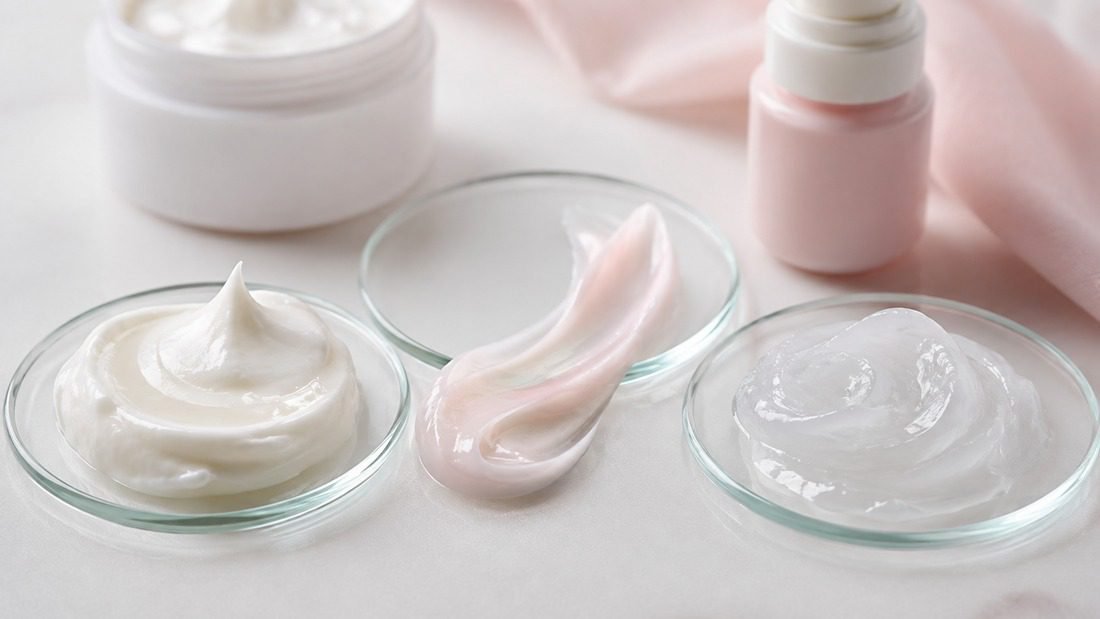
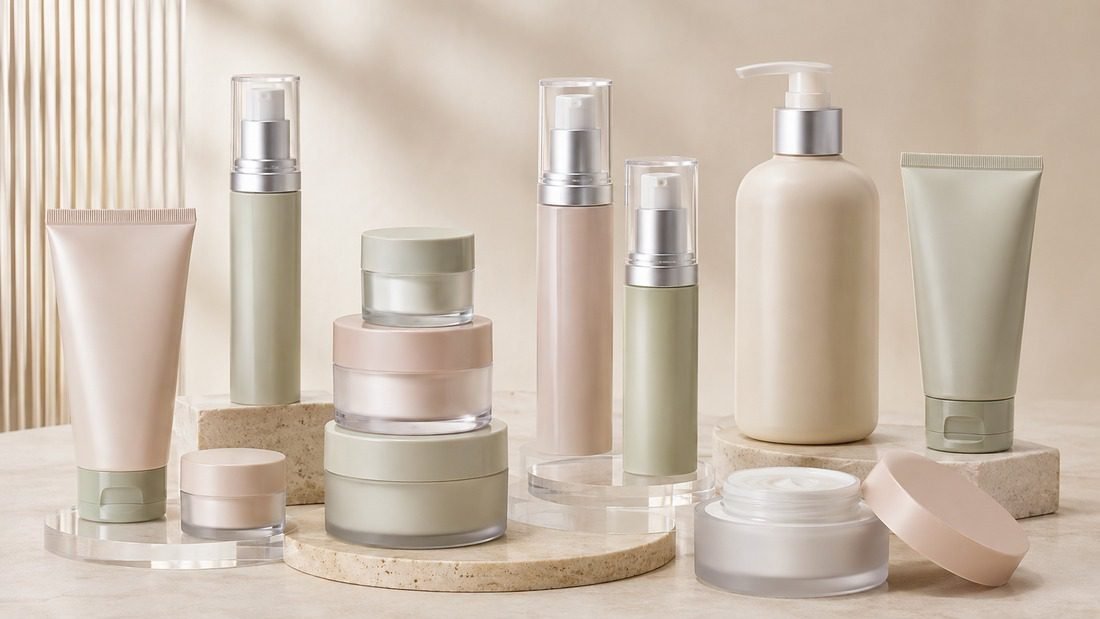
Cream and lotion formulation involves blending water, oils, emulsifiers, and active ingredients to create stable, skin-friendly emulsions. For importers, ingredient sourcing means identifying reliable suppliers who provide high-quality raw materials that meet regulatory and performance criteria. The challenge lies in balancing cost, quality, and compliance across borders. Without proper knowledge, importers risk product failures, delays, and legal issues. This section defines the core concepts and highlights why a strategic approach to cream lotion formulation ingredient sourcing importers is essential for success in the competitive skincare market.
Key Ingredients in Cream & Lotion Formulation
Base Ingredients: Water, Oils, and Emulsifiers
Every cream or lotion starts with a base: water (aqueous phase), oils (oil phase), and emulsifiers to bind them. Common oils include mineral oil, plant oils (e.g., sunflower, jojoba), and silicones. Emulsifiers like cetearyl alcohol or polysorbate 60 ensure stability. The quality of these ingredients directly affects texture, spreadability, and shelf life. Importers should source from suppliers with rigorous quality control to avoid batch inconsistencies.
Active Ingredients: The Performance Drivers
Active ingredients deliver specific benefits, such as hydration (hyaluronic acid, glycerin), anti-aging (retinol, peptides), or soothing (aloe vera, allantoin). When sourcing actives, consider efficacy, stability, and regulatory status. For example, retinol requires encapsulation to maintain potency. Importers must verify supplier documentation, including certificates of analysis (CoA) and safety data sheets (SDS), to ensure compliance with destination markets.
Functional Ingredients: Preservatives, Thickeners, and pH Adjusters
Preservatives (e.g., phenoxyethanol, parabens) prevent microbial growth, while thickeners (e.g., xanthan gum, carbomer) modify viscosity. pH adjusters (e.g., citric acid) maintain skin compatibility. These ingredients are critical for product safety and stability. Sourcing them from reputable manufacturers reduces the risk of contamination and ensures consistent performance.
Table: Comparison of Common Cream & Lotion Ingredients
| Ingredient Type | Examples | Function | Sourcing Considerations |
|---|---|---|---|
| Emollients | Mineral oil, shea butter | Soften and smooth skin | Purity, comedogenicity |
| Humectants | Glycerin, hyaluronic acid | Attract and retain moisture | Molecular weight, source |
| Emulsifiers | Cetearyl alcohol, polysorbate 60 | Stabilize oil-water mixture | HLB value, compatibility |
| Preservatives | Phenoxyethanol, potassium sorbate | Prevent microbial growth | Broad-spectrum efficacy, pH range |
| Actives | Retinol, vitamin C | Deliver specific benefits | Stability, encapsulation, regulatory limits |
Ingredient Sourcing Strategies for Importers
Identifying Reliable Suppliers
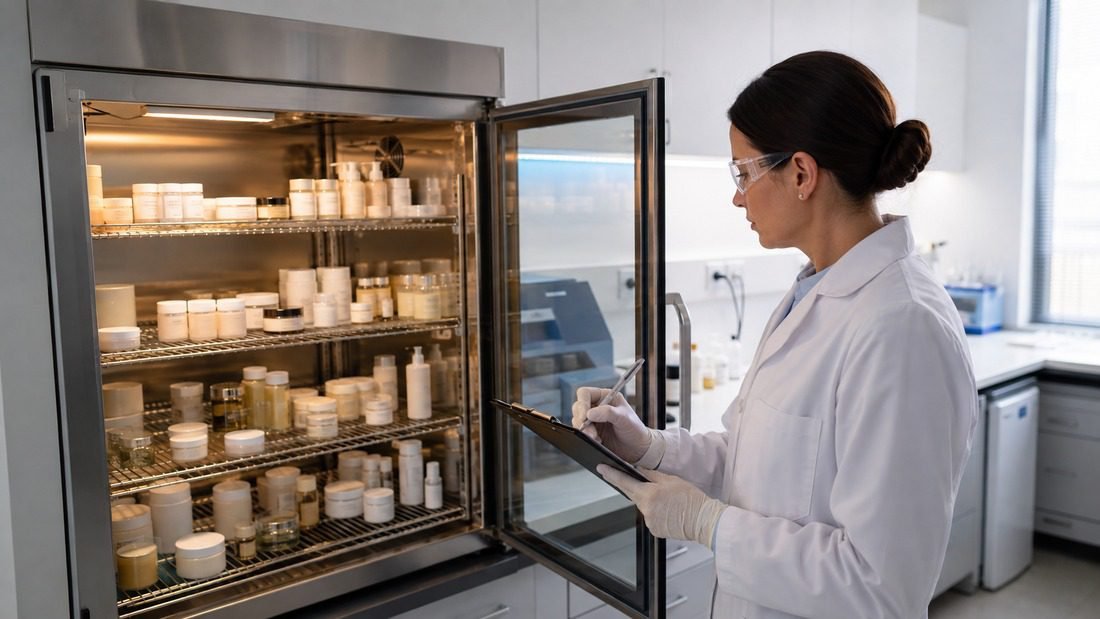
Start by researching suppliers with proven track records. Look for certifications such as ISO 9001, GMP, and ECOCERT. Request samples and verify quality through third-party testing. For cream lotion formulation ingredient sourcing importers, China has become a major hub, but due diligence is key. Use platforms like Alibaba but cross-check with industry references. Establishing long-term relationships with suppliers can lead to better pricing and priority service.
Quality Assurance and Compliance
Ensure suppliers provide comprehensive documentation: CoA, SDS, and regulatory statements (e.g., EU CPSR, FDA MoCRA). Conduct audits or rely on reputable inspection agencies. Compliance with destination market regulations is non-negotiable. For instance, the EU prohibits certain preservatives, while the US FDA requires specific labeling. Importers must stay updated on evolving rules to avoid recalls.
Cost Optimization Without Compromising Quality
Balance cost and quality by negotiating volume discounts and consolidating orders. Consider alternative ingredients with similar functionality but lower cost. However, never sacrifice quality for price—cheap ingredients can lead to product failures and reputational damage. Work with suppliers who offer transparency in pricing and consistent quality.
Leveraging Chinese Manufacturing Expertise
China is a leading source for cosmetic ingredients, offering a wide range of actives and bases. However, quality varies. Partner with manufacturers that have strong quality control systems. Flavor Sources, for example, provides full traceability and testing. For importers, sourcing from China can be cost-effective if proper vetting is done. Utilize resources like factory tours and quality control reports to ensure standards.
Practical Tips for Importers
- Start with small batches: Test formulations and suppliers before scaling up.
- Request samples: Always evaluate physical samples for texture, scent, and stability. Sample Development services can help.
- Verify certifications: Check that suppliers hold relevant certifications for your target market.
- Understand regulations: Familiarize yourself with EU, US, and other market requirements.
- Build contingency plans: Have backup suppliers to mitigate risks.
- Use professional OEM/ODM services: Companies like Flavor Sources offer end-to-end support, from formulation to packaging. Learn more about Custom Formula and Private Label Skincare.

Case Studies: Successful Sourcing in Key Markets
UK: Compliance-Driven Sourcing
A UK-based brand launched a hydrating lotion line using sustainably sourced shea butter and hyaluronic acid. By partnering with a Chinese manufacturer that provided EU-compliant documentation, they achieved a 20% cost reduction while meeting strict CPSR requirements. The key was thorough supplier vetting and third-party testing.
UAE: Premium Actives for Luxury Market
A UAE distributor sourced encapsulated retinol and vitamin C for an anti-aging cream. They chose a supplier with proven stability data and halal certification. The product became a bestseller in premium retail, demonstrating the importance of sourcing high-quality actives with proper documentation.
US: Scaling with Reliable Supply
A US e-commerce brand started with small batches of a custom cream & lotion formula, then scaled using a manufacturer's bulk production capabilities. By maintaining a single-source supplier for key ingredients, they ensured consistency and reduced lead times. Their success highlights the value of long-term partnerships.
Australia: Natural Focus
An Australian brand focused on natural ingredients, sourcing organic aloe vera and macadamia oil. They required ECOCERT certification and full traceability. By working closely with a Chinese supplier that met these standards, they launched a successful line in a competitive market.
FAQ
What are the key regulations for cream and lotion imports?
Regulations vary by market. In the EU, cosmetics require a Cosmetic Product Safety Report (CPSR). In the US, the FDA's MoCRA imposes labeling and safety requirements. Always check specific country rules and ensure suppliers provide necessary documentation.
How can I verify the quality of ingredients from Chinese suppliers?
Request a Certificate of Analysis (CoA) and Safety Data Sheet (SDS) for each batch. Consider third-party testing and factory audits. Reputable suppliers like Flavor Sources offer transparency and quality control reports.
What is the minimum order quantity (MOQ) for custom cream & lotion formulation?
MOQs vary by manufacturer. Flavor Sources offers flexible MOQs for startups and established brands. Contact us for details based on your specific formulation.
How long does it take to develop a custom cream & lotion formula?
Typically 4-8 weeks, depending on complexity and testing requirements. Sample development and stability testing are crucial steps.
Can I source both ingredients and finished products from one supplier?
Yes, many OEM/ODM manufacturers offer full-service solutions, including ingredient sourcing, formulation, and production. This streamlines the supply chain and ensures consistency.

 Scan to WhatsApp
About the Author
David Zhang has spent years in skincare formulation and quality control at Flavor Sources, a GMP ISO 22716-certified private label manufacturer based in Dongguan, China, serving brands in 50+ countries since 2000. Reach out to David's team for a custom formula consultation →
Ready to Source with Confidence?
Take the guesswork out of cream lotion formulation ingredient sourcing importers face daily. Flavor Sources provides end-to-end support, from custom formulation to bulk production and export. Request a free sample or get a quote today to discuss your project. Our team ensures your products meet the highest quality and compliance standards. Let's build your next successful skincare line together.