Serum vs Essence in 2028: The Complete Cost & MOQ Comparison for Smart Brands
Serum vs Essence Cost MOQ: The Direct Answer for 2028
When comparing serum vs essence cost moq in 2028, serums typically win on cost efficiency at scale due to higher active concentration and lower packaging complexity, while essences often have lower MOQs for small batches. However, the right choice depends on your target market, formulation goals, and supply chain strategy. This guide breaks down the numbers, trade-offs, and practical steps to help you decide.
Table of Contents
- Serum vs Essence Cost MOQ: The Direct Answer for 2028
- Why the Serum vs Essence Debate Matters for Your 2028 Budget
- Understanding Serum and Essence: Definitions and Key Differences
- Breaking Down the Costs: Serum vs Essence
- MOQ Considerations: What to Expect in 2028
- The Verdict: Which Format Wins on Cost and MOQ?
- Practical Advice for Brand Owners
- Case Studies: Real-World Examples
- Frequently Asked Questions (FAQ)
- Ready to Decide? Get a Sample or Quote Today
Why the Serum vs Essence Debate Matters for Your 2028 Budget
As a beauty brand owner or importer, you face rising pressure on margins. Ingredient costs are volatile, and consumers demand transparency. The serum vs essence cost moq decision is not just about unit price—it affects inventory, cash flow, and speed to market. Choosing the wrong format can lock up capital or leave you with unsold stock. In 2028, with more private label options than ever, a data-driven comparison is essential.
Understanding Serum and Essence: Definitions and Key Differences
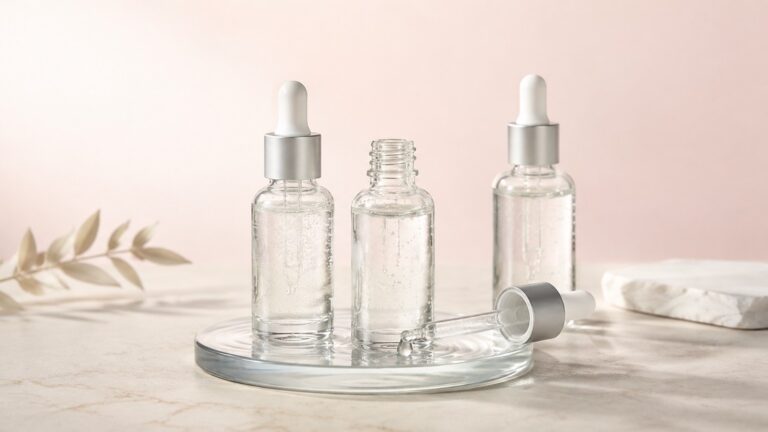
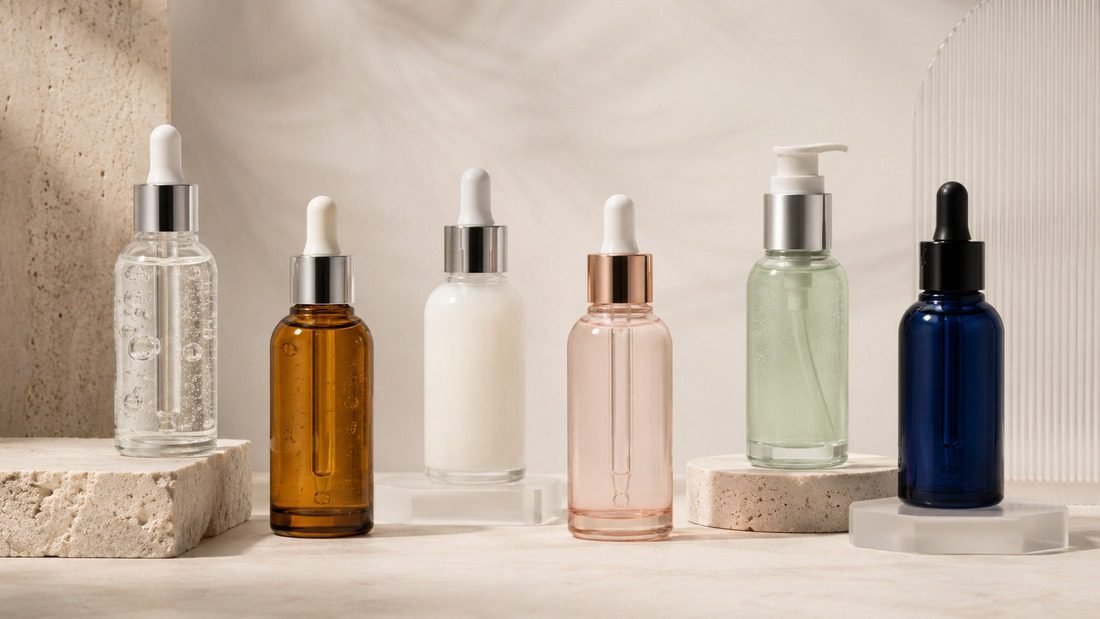
Before diving into costs, let's define both formats. A serum is a lightweight, high-concentration formula designed to deliver active ingredients deep into the skin. An essence is a watery, less concentrated liquid that hydrates and preps the skin. The table below summarizes the main differences.
| Attribute | Serum | Essence |
|---|---|---|
| Active concentration | High (typically 5-20%) | Low (typically 1-5%) |
| Base | Water or oil, often with silicones | Water or fermented ingredients |
| Function | Targeted treatment | Hydration and prep |
| Typical packaging | Dropper bottle, airless pump | Bottle with cap or spray |
| Unit cost (per 30ml) | $2.50 – $6.00 | $1.00 – $3.00 |
| MOQ (private label) | 3,000 – 10,000 units | 1,000 – 5,000 units |
| Production lead time | 4-6 weeks | 3-5 weeks |
These figures are indicative and vary by formulation and supplier. For a deeper look at serum options, see our Serum range.
Breaking Down the Costs: Serum vs Essence
Ingredient Costs
Serums use higher concentrations of actives like hyaluronic acid, vitamin C, or peptides, driving up ingredient costs. Essences often rely on water, humectants, and fermented ingredients, which are cheaper. However, some essences include expensive ferments, narrowing the gap.
Packaging Costs
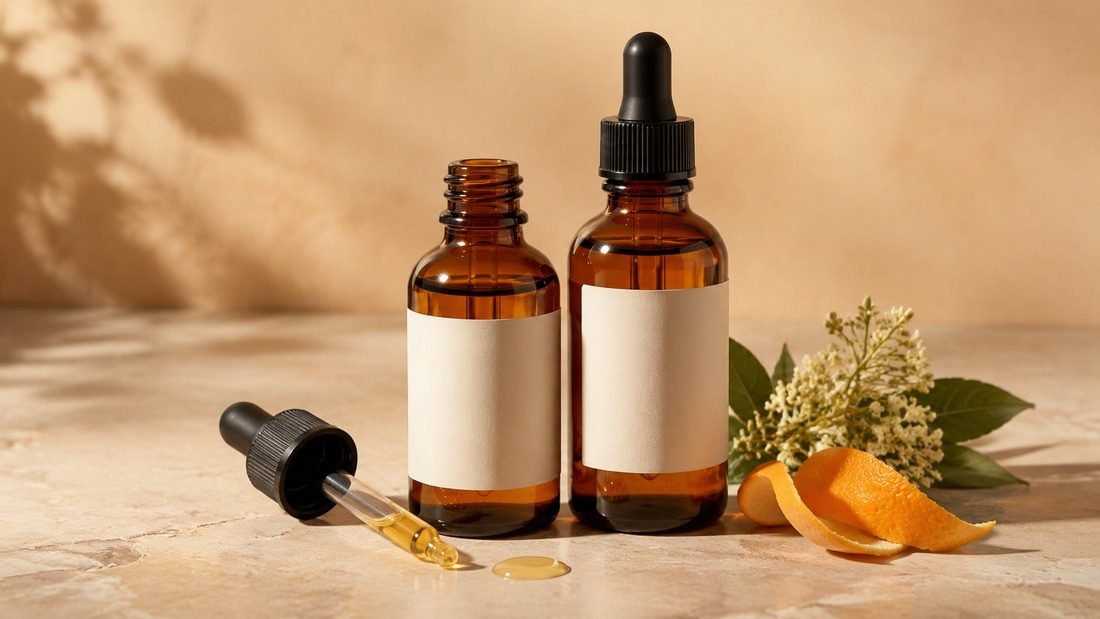
Serums typically require protective packaging (airless pumps or UV-protective glass) to maintain stability, adding $0.50-$1.50 per unit. Essences can use simpler bottles, reducing packaging costs by 20-40%.
Filling and Labor
Serums may need specialized filling equipment for viscous formulas, but essences are easier to fill. Labor costs per unit are similar, but serums may require additional quality checks.
MOQ Drivers
MOQs are influenced by raw material minimums and production line efficiency. Essences often have lower MOQs because they use common bases and simpler formulas. Serums may require higher MOQs to justify sourcing specialized actives. However, some manufacturers offer lower MOQs for serums if they stock popular actives.
MOQ Considerations: What to Expect in 2028
In 2028, MOQs for private label serums are expected to range from 3,000 to 10,000 units, while essences range from 1,000 to 5,000 units. These are influenced by:
- Raw material sourcing: Actives with long lead times may require higher MOQs.
- Production line setup: Changing over lines for small batches incurs costs, so manufacturers set MOQs to cover setup.
- Packaging minimums: Bottle suppliers often have MOQs of 5,000+ units, which can dictate finished goods MOQs.
For startups, essences may be more accessible due to lower MOQs. However, serums can be viable if you choose stock formulas or collaborate with a manufacturer that offers flexible MOQs. Check our Sample Development service to test small batches.
The Verdict: Which Format Wins on Cost and MOQ?
For large-scale production (10,000+ units), serums often achieve lower per-unit costs due to economies of scale and higher perceived value, allowing premium pricing. For small brands or test launches, essences win on lower MOQs and reduced upfront investment. However, the gap is narrowing as manufacturers introduce flexible serum MOQs. In 2028, serum vs essence cost moq will favor serums for established brands and essences for new entrants.
Practical Advice for Brand Owners
- Assess your budget and sales forecast: If you can commit to higher volumes, serums offer better margins. If you're testing the market, start with an essence.
- Leverage stock formulas: Many manufacturers offer pre-developed serums with lower MOQs. Ask about their stock serum options.
- Consider hybrid formats: Some brands launch an essence first, then introduce a serum as a follow-up.
- Negotiate packaging: Order packaging in larger quantities to reduce per-unit costs, even if you fill smaller batches.
- Plan for compliance: Serums with high actives may require additional testing (e.g., stability, compatibility). Factor this into your budget.
- Work with a partner who offers flexibility: Choose a manufacturer that provides both formats and can scale with you. For custom formulations, explore our Custom Formula service.
Case Studies: Real-World Examples
- UK-based skincare brand: Launched with a private label essence at 2,000 units, achieved sell-out in 3 months, then scaled to a serum line at 8,000 units, reducing per-unit cost by 22%.
- UAE importer: Sourced serums at 5,000 units from a Chinese OEM, achieved 35% gross margin due to premium positioning, but faced higher initial investment.
- Australian startup: Used a stock serum formula with 3,000 MOQ, launched quickly and reinvested profits into custom essence development.
- US e-commerce seller: Chose essence for lower MOQ (1,500 units), tested market, then expanded to serums with a 6,000-unit order, improving overall profitability.
These examples show that both formats can succeed with the right strategy. For more insights, see our Case Studies.
Frequently Asked Questions (FAQ)
1. Is serum always more expensive than essence?
Not necessarily. While serums have higher ingredient costs, economies of scale can bring down per-unit costs at high volumes. Essences may be cheaper at low MOQs but can become costlier per unit if you need to order multiple batches.
2. What is the typical MOQ for private label serums in 2028?
Expect MOQs from 3,000 to 10,000 units, depending on the formula and packaging. Some manufacturers offer lower MOQs for stock formulas.
3. Can I start with a small batch of serum?
Yes, if you choose a stock formula or work with a manufacturer that specializes in low-MOQ production. Our Serum page lists options.
4. Which format is better for a new brand?
Essences often have lower barriers to entry, but serums can command higher prices. Assess your budget and target market.
5. How do packaging costs differ?
Serums require more protective packaging, adding $0.50-$1.50 per unit. Essences can use simpler bottles, reducing costs by 20-40%.
6. What about compliance and testing?
Both formats require safety and stability testing. Serums with high actives may need additional compatibility tests. Ensure your manufacturer follows ISO standards. See Testing & Inspection for details.

 Scan to WhatsApp
About the Author
David Zhang has spent years in skincare formulation and quality control at Flavor Sources, a GMP ISO 22716-certified private label manufacturer based in Dongguan, China, serving brands in 50+ countries since 2000. Reach out to David's team for a custom formula consultation →
Ready to Decide? Get a Sample or Quote Today
Don't let cost and MOQ uncertainties delay your 2028 launch. Request a sample of our serums or essences to evaluate quality, or get a personalized quote based on your volume. Our team at Flavor Sources is here to help you choose the right format for your brand. Request a free sample or get a quote today.