Cleanser Toner vs Foam Cleanser Formulation: 2028 Ultimate Sourcing Guide
When choosing between cleanser toner vs foam cleanser formulation ingredient sourcing, the answer depends on your target skin type, product positioning, and supply chain. Cleanser & toner formats typically use mild surfactants and hydrating actives, while foam cleansers rely on higher surfactant concentrations and aeration technology. For private label brands, the decision hinges on formulation complexity, ingredient availability, and consumer appeal.
Table of Contents
- Understanding the Cleanser & Toner vs Foam Cleanser Dilemma
- Formulation & Ingredient Sourcing: A Side-by-Side Comparison
- Practical Tips for Choosing the Right Format
- Case Studies: Real-World Applications
- Frequently Asked Questions
- 1. Which format is better for sensitive skin?
- 2. Can I use the same surfactants for both formats?
- 3. What are the key ingredient sourcing challenges for each format?
- 4. How does packaging affect the choice?
- 5. Which format is more cost-effective for private label?
- 6. What regulations should I consider?
- Ready to Develop Your Cleanser & Toner or Foam Cleanser?
Understanding the Cleanser & Toner vs Foam Cleanser Dilemma
Brands often struggle to decide between a traditional cleanser & toner duo and a single foam cleanser. This choice affects formulation, sourcing, packaging, and marketing. The core question: which format delivers better cleansing efficacy, skin compatibility, and cost-efficiency for your line?
In this guide, we break down the cleanser toner vs foam cleanser formulation ingredient sourcing decision from a manufacturer's perspective. You'll learn about key formulation differences, sourcing strategies, and practical steps to select the right format for your brand.
Formulation & Ingredient Sourcing: A Side-by-Side Comparison
To make an informed decision, compare the two formats across critical parameters. The table below summarizes the main differences.
| Parameter | Cleanser & Toner | Foam Cleanser |
|---|---|---|
| Surfactant type | Mild anionic/nonionic (e.g., coco-glucoside) | Anionic (e.g., SLES, ALS) or mild foaming agents |
| Surfactant concentration | 5–15% | 10–20% |
| Key ingredients | Humectants (glycerin, hyaluronic acid), botanical extracts | Foaming agents, pH adjusters, preservatives |
| pH range | 4.5–6.5 | 5.0–7.0 |
| Formulation complexity | Moderate (two products) | Low to moderate (single product) |
| Ingredient sourcing | Diverse (surfactants, humectants, actives) | Concentrated (surfactants, stabilizers) |
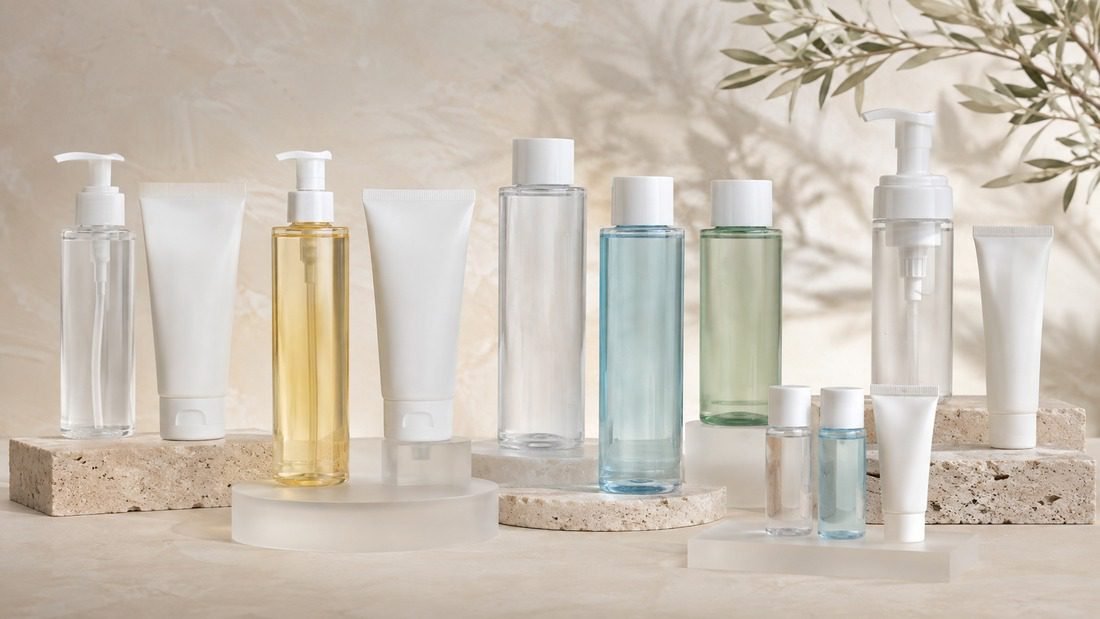
| Packaging | Bottle, tube, jar (toner) | Pump foamer, tube |
| Consumer appeal | Perceived as gentle, multi-step routine | Convenient, instant foam, sensory experience |
Key Formulation Differences
Cleanser & toner systems often pair a gentle cleanser with a toner that restores pH and delivers actives. This requires sourcing a broader range of ingredients, including mild surfactants, hydrating agents, and botanical extracts. Foam cleansers, on the other hand, focus on surfactant blends that produce stable foam, often with fewer actives due to rinse-off nature.
Ingredient sourcing for cleanser & toner demands reliable suppliers for specialty actives, while foam cleanser sourcing prioritizes cost-effective surfactants and foaming agents. Both require rigorous quality control to ensure safety and efficacy.
Ingredient Sourcing Considerations
When sourcing ingredients for either format, consider:
- Surfactant selection: Mildness vs cleansing power. For cleanser & toner, prioritize mild surfactants like glucosides. For foam cleanser, balance foam volume and mildness.
- Preservative systems: Ensure compatibility with pH and packaging.
- Actives: For toner, source water-soluble actives (e.g., niacinamide, panthenol). For foam cleanser, actives are limited due to short contact time.
- Regulatory compliance: Check restrictions (e.g., EU Cosmetics Regulation) for both formats.
Practical Tips for Choosing the Right Format
1. Define Your Target Consumer
If your audience values a gentle, multi-step routine, a cleanser & toner set may resonate. If convenience and sensory experience are key, a foam cleanser is compelling. Consider skin type: foam cleansers suit oily skin, while cleanser & toner benefits dry or sensitive skin.
2. Evaluate Your Supply Chain
Assess your ability to source diverse ingredients for a two-product system. For foam cleansers, focus on securing consistent surfactant quality and foaming agent availability. Leverage our Cleanser & Toner manufacturing expertise to streamline sourcing.
3. Consider Cost and Complexity
Cleanser & toner requires two formulations, two packagings, and more SKUs. Foam cleanser simplifies production but may need specialized packaging (foam pumps). Balance cost against consumer demand.
4. Test and Validate
Always conduct stability and compatibility testing. For foam cleansers, evaluate foam quality and rinse-off feel. For cleanser & toner, test pH and hydration efficacy. Our Testing & Inspection services ensure your product meets standards.
Case Studies: Real-World Applications
UK Brand Launches Cleanser & Toner Duo for Sensitive Skin
A UK-based brand sought a gentle cleanser & toner system for sensitive skin. By sourcing mild glucoside surfactants and soothing botanicals, we helped them develop a pH-balanced duo. The line achieved strong consumer feedback for mildness and hydration.
UAE Brand Opts for Foam Cleanser for Oily Skin
A UAE brand targeted oily skin with a foaming cleanser. We formulated a surfactant blend that delivered rich foam without stripping. The product became a bestseller in the region, highlighting the appeal of foam cleansers in hot climates.
US Startup Chooses Cleanser & Toner for Anti-Aging Line
A US startup focused on anti-aging chose a cleanser & toner format to incorporate actives like peptides and antioxidants. Our team sourced stable actives and developed a compatible toner, resulting in a successful launch.
Australia Distributor Expands with Foam Cleanser
An Australian distributor added a foam cleanser to their portfolio for its convenience. We provided a cost-effective formulation with reliable foaming agents, enabling competitive pricing and quick market entry.
Frequently Asked Questions
1. Which format is better for sensitive skin?
Cleanser & toner formats typically offer milder surfactants and additional soothing ingredients, making them suitable for sensitive skin. Foam cleansers can be formulated mild as well, but require careful surfactant selection.
2. Can I use the same surfactants for both formats?
Some mild surfactants can be used in both, but foam cleansers often require specific foaming agents to achieve desired lather. Cleanser & toner may use a broader range of mild surfactants.
3. What are the key ingredient sourcing challenges for each format?
For cleanser & toner, sourcing stable actives and ensuring compatibility is key. For foam cleanser, consistent foam quality and surfactant supply are critical.
4. How does packaging affect the choice?
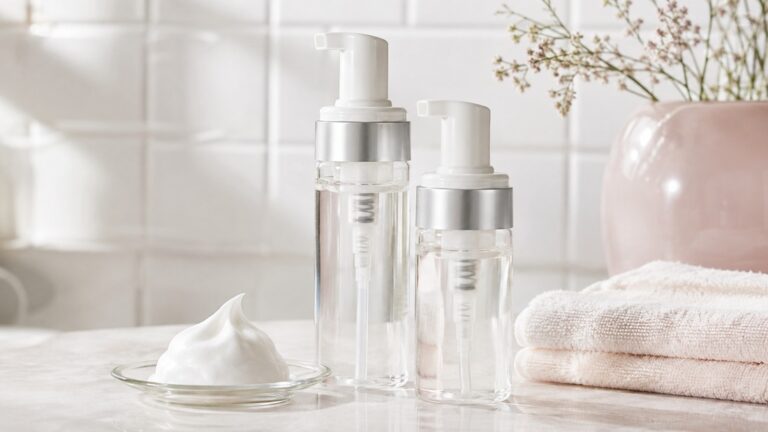
Foam cleansers require pump foamer packaging, which can be more expensive. Cleanser & toner offers flexibility with bottles, tubes, or jars.
5. Which format is more cost-effective for private label?
Foam cleanser generally has lower formulation complexity and fewer SKUs, potentially reducing costs. However, packaging costs may be higher. Cleanser & toner may have higher formulation costs but can command premium pricing.
6. What regulations should I consider?
Both formats must comply with local regulations (e.g., EU Cosmetics Regulation, FDA MoCRA). Ensure all ingredients are permitted and labeling is accurate.

 Scan to WhatsApp
About the Author
David Zhang has spent years in skincare formulation and quality control at Flavor Sources, a GMP ISO 22716-certified private label manufacturer based in Dongguan, China, serving brands in 50+ countries since 2000. Reach out to David's team for a custom formula consultation →
Ready to Develop Your Cleanser & Toner or Foam Cleanser?
Whether you choose a cleanser toner vs foam cleanser formulation ingredient sourcing strategy, our team at Flavor Sources can help. We offer end-to-end support from formulation to packaging. Request a sample or get a quote to start your project today. Let us be your trusted partner in bringing your skincare vision to life.