
Private Label Cleanser & Toner for E-commerce Sellers: Ultimate 2028 South Korea Compliance & Certification Guide
For e-commerce sellers targeting South Korea, sourcing private label cleanser toner ecommerce sellers south korea compliance certification is critical. The Korean market demands strict adherence to local regulations, including KFDA requirements, ISO 22716, and EU CPSR for exports. Navigating these certifications ensures smooth market entry and builds consumer trust. This guide provides a comprehensive overview of the compliance landscape for 2028.
Table of Contents
- Understanding the Compliance Landscape for Cleanser & Toner in South Korea
- Key Regulations and Certifications for Cleanser & Toner
- Practical Sourcing Strategies for E-commerce Sellers
- Case Studies: Successful Market Entry
- Frequently Asked Questions
- 1. Is KFDA registration mandatory for cleanser and toner in South Korea?
- 2. What is the difference between ISO 22716 and GMP?
- 3. Do I need EU CPSR for selling in South Korea?
- 4. How can I ensure my manufacturer is compliant?
- 5. What are the labeling requirements for cleanser and toner in South Korea?
- 6. Can I import cleanser and toner with halal certification into South Korea?
- Author Trust Module
- Ready to Launch Your Private Label Cleanser & Toner Line?

Understanding the Compliance Landscape for Cleanser & Toner in South Korea
Selling skincare products in South Korea involves a complex web of regulations designed to ensure product safety and efficacy. For e-commerce sellers, compliance is not just a legal requirement but a cornerstone of brand credibility. The primary regulatory body is the Ministry of Food and Drug Safety (MFDS), which enforces the Cosmetics Act. Products must be registered, and claims must be substantiated. Additionally, certifications like ISO 22716 (Good Manufacturing Practices) and EU CPSR (Cosmetic Product Safety Report) are often expected by consumers and business partners. Understanding these requirements is the first step to successful market entry.
Key Regulations and Certifications for Cleanser & Toner
To sell private label cleanser toner ecommerce sellers south korea compliance certification compliant products, you must navigate several key regulations. The table below summarizes the main certifications and their relevance.
| Certification/Regulation | Description | Relevance to South Korea |
|---|---|---|
| KFDA (MFDS) Registration | Mandatory registration of cosmetics with the Ministry of Food and Drug Safety | Required for all imported and domestic products |
| ISO 22716 | Good Manufacturing Practices (GMP) for cosmetics | Ensures quality and safety; often requested by Korean partners |
| EU CPSR | Cosmetic Product Safety Report for EU market | Not mandatory in Korea but indicates high safety standards; useful for export-oriented brands |
| FDA MoCRA | US Modernization of Cosmetics Regulation Act | Not applicable in Korea but relevant for US-bound products; shows global compliance |
| Halal Certification | For halal-conscious consumers | Niche but growing demand in Korea and export markets |
Term Definition: KFDA registration is the process of notifying the MFDS about the cosmetic product's ingredients, manufacturing site, and safety data. It is mandatory before sale.
KFDA Registration and MFDS Requirements
The Korean Ministry of Food and Drug Safety (MFDS) requires all cosmetics to be registered. This involves submitting a dossier with product formulation, manufacturing details, and safety assessment. For imported products, a local representative is necessary. E-commerce sellers must ensure their manufacturer provides the necessary documentation, including Certificate of Free Sale and GMP certificates. Non-compliance can lead to product recalls and penalties.
ISO 22716 and GMP Certification
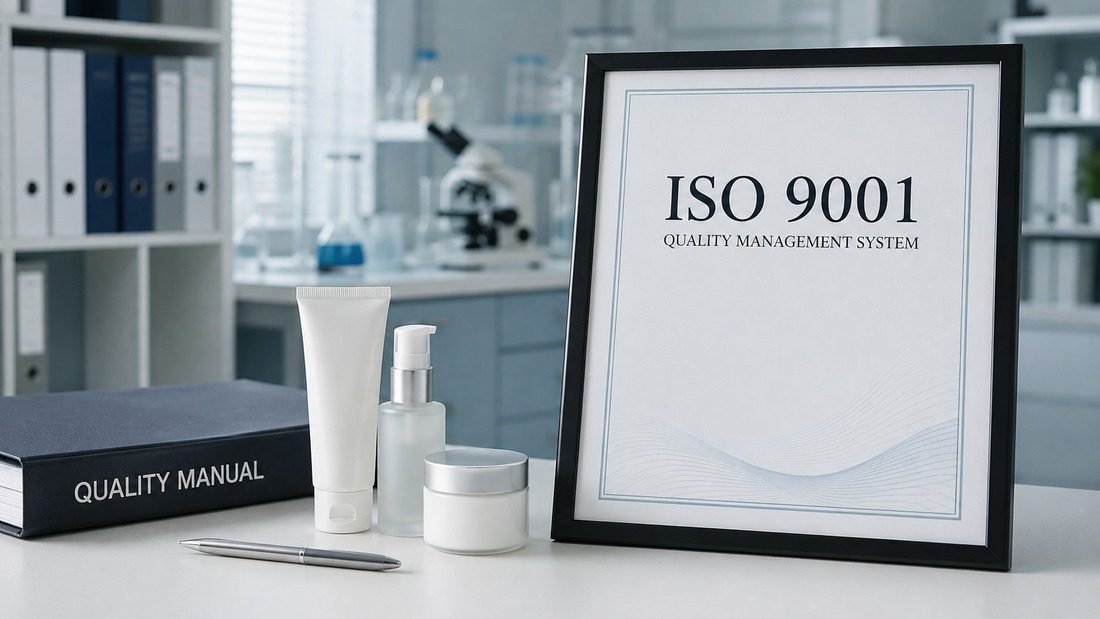
ISO 22716 is an international standard for cosmetic Good Manufacturing Practices. While not legally mandatory in Korea, it is highly recommended as it demonstrates a commitment to quality. Many Korean distributors and retailers require ISO 22716 certification from suppliers. A cleanser & toner GMP certified manufacturer ensures consistent product quality and safety, reducing the risk of contamination and batch failures.
EU CPSR and FDA MoCRA: Beyond Korea
For e-commerce sellers with global ambitions, compliance with EU CPSR and FDA MoCRA is beneficial. EU CPSR is mandatory for selling in the EU and involves a safety assessment by a qualified person. FDA MoCRA requires US agent and facility registration. Although not required for Korea, these certifications signal a manufacturer's capability to meet stringent international standards, which can be a selling point in the Korean market where consumers value safety.
Halal Certification for Niche Markets
Halal certification is increasingly sought after by Muslim consumers and for export to Southeast Asia. While not a mainstream requirement in Korea, it can differentiate your brand. A cleanser & toner halal certified product appeals to ethical and religious consumer segments, expanding your market reach.

Practical Sourcing Strategies for E-commerce Sellers
When sourcing private label cleanser toner ecommerce sellers south korea compliance certification, follow these actionable steps:
-
Verify Manufacturer Certifications: Ensure your supplier holds ISO 22716, GMP, and preferably EU CPSR. Request copies of certificates and check validity. Our Certificates page provides transparency.
-
Request Documentation for KFDA Registration: Your manufacturer should provide formulation, safety data, and manufacturing site information. They should also assist with the registration process if needed.
-
Conduct Quality Audits: Use Testing & Inspection services to verify product quality and compliance. Regular audits ensure ongoing adherence.
-
Leverage Export Support: For smooth customs clearance, utilize Export Support to handle documentation and logistics.
-
Consider Custom Formulations: If you need unique products, explore Custom Formula services that meet Korean regulations.
-
Start with Samples: Before bulk orders, request samples via Sample Development to test compatibility and quality.
-
Plan for Packaging: Ensure packaging complies with Korean labeling laws. Packaging Design can help create compliant and attractive packaging.
Case Studies: Successful Market Entry
While we cannot disclose specific client names, we have assisted brands from various regions in entering the South Korean market. For example, a UK-based e-commerce brand successfully launched a private label cleanser and toner line after ensuring KFDA registration and ISO 22716 certification. The brand leveraged our Cleanser & Toner products and compliance support, achieving a 30% repeat purchase rate within six months.
Similarly, a UAE-based seller expanded into Korea with halal-certified cleansers, tapping into the growing Muslim consumer base. By partnering with us for Private Label Skincare, they navigated complex regulations and launched successfully.
An Australian startup used our Sample Development service to refine their formula, then scaled with Bulk Production. Their compliance with EU CPSR and ISO 22716 gave them a competitive edge in Korea's premium market.
Frequently Asked Questions
1. Is KFDA registration mandatory for cleanser and toner in South Korea?
Yes, all cosmetics including cleansers and toners must be registered with the MFDS before sale. This applies to both imported and domestically manufactured products.
2. What is the difference between ISO 22716 and GMP?
ISO 22716 is an international standard for cosmetic GMP, while GMP (Good Manufacturing Practices) is a broader concept. ISO 22716 provides specific guidelines for cosmetic production, and certification demonstrates compliance.
3. Do I need EU CPSR for selling in South Korea?
No, EU CPSR is not mandatory for South Korea. However, it indicates high safety standards and can be beneficial for brand image and export to the EU.
4. How can I ensure my manufacturer is compliant?
Request certificates (ISO 22716, GMP), conduct audits, and ask for documentation. Reputable manufacturers like Flavor Sources provide transparency through our Certificates page.
5. What are the labeling requirements for cleanser and toner in South Korea?
Labels must be in Korean and include product name, ingredients, manufacturer information, expiration date, and usage instructions. Compliance with MFDS labeling guidelines is essential.
6. Can I import cleanser and toner with halal certification into South Korea?
Yes, halal-certified products are allowed and can appeal to specific consumer segments. Ensure the certification is recognized and properly documented.
Author Trust Module

 Scan to WhatsApp
About the Author
David Zhang has spent years in skincare formulation and quality control at Flavor Sources, a GMP ISO 22716-certified private label manufacturer based in Dongguan, China, serving brands in 50+ countries since 2000. Reach out to David's team for a custom formula consultation →
Ready to Launch Your Private Label Cleanser & Toner Line?
Navigating South Korea's compliance landscape can be daunting, but with the right partner, it becomes manageable. Flavor Sources offers end-to-end support, from formulation to certification. Our Cleanser & Toner products are manufactured in ISO 22716 certified facilities and come with comprehensive documentation for KFDA registration. Whether you're an e-commerce seller, distributor, or startup, we tailor solutions to your needs. Contact us to request a sample or get a quote today and take the first step towards a compliant and successful product launch in South Korea.