The Complete 2027 Q3 Guide to Finding a Reliable GMP-Certified Baby Care Manufacturer in China
Finding a reliable baby care manufacturer china 2027 q3 is critical for brands aiming to launch safe, compliant infant products. This guide provides a direct answer: prioritize manufacturers with valid GMP certification, transparent quality systems, and proven export experience to the US, EU, or Australia. Below, we break down the evaluation process, offer practical tips, and share case insights to help you make a confident sourcing decision.
Table of Contents
- Understanding the Challenge: Why Sourcing Baby Care Products Is Different
- The Core of GMP Certification: What Buyers Must Verify
- Practical Steps to Select the Right Manufacturer
- Case Insights: Lessons from Global Buyers
- Frequently Asked Questions (FAQ)
- Author Trust Module
- Ready to Source with Confidence?
Understanding the Challenge: Why Sourcing Baby Care Products Is Different
Baby care products demand stricter safety standards than adult cosmetics. Infants have thinner skin, weaker immune systems, and a higher risk of adverse reactions. Therefore, a baby care manufacturer china 2027 q3 must adhere to rigorous Good Manufacturing Practices (GMP) and additional infant-specific regulations. Many buyers struggle to verify claims, leading to potential compliance issues and brand damage. This section defines the problem and sets the stage for a systematic approach.
The Core of GMP Certification: What Buyers Must Verify
What Does GMP Certification Really Mean?
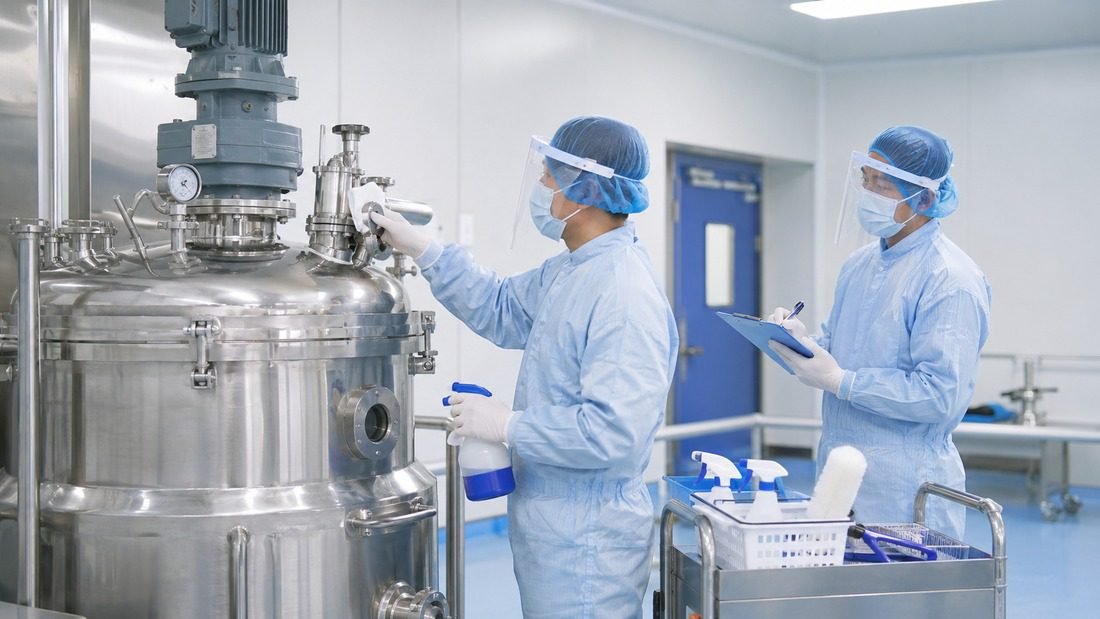
GMP (Good Manufacturing Practices) is a system that ensures products are consistently produced and controlled according to quality standards. For baby care, GMP covers facility design, equipment maintenance, personnel training, hygiene, and documentation. However, not all GMP certificates are equal. In China, cosmetics GMP is regulated by the National Medical Products Administration (NMPA). A credible GMP-certified baby care manufacturer should hold a valid NMPA cosmetics production license and undergo regular audits.
Key Documents to Request
When evaluating a potential partner, ask for: (1) NMPA production license, (2) GMP certificate with scope covering baby products, (3) recent audit reports (e.g., ISO 22716), (4) material safety data sheets (MSDS), and (5) stability and compatibility test reports. Cross-check certificates with issuing bodies. For international standards, refer to ISO 22716 guidelines.
Comparison: GMP vs. Non-GMP Manufacturers
| Aspect | GMP-Certified Manufacturer | Non-GMP Manufacturer |
|---|---|---|
| Facility & Hygiene | Controlled environment, regular monitoring | Basic cleanliness, inconsistent |
| Documentation | Batch records, SOPs, traceability | Minimal records |
| Product Testing | Raw material and finished product testing | Limited or no testing |
| Compliance Risk | Low; meets regulatory requirements | High; potential recalls or bans |
| Cost | Higher but justified by safety | Lower but risky |
Why 2027 Q3 Matters
The beauty and personal care market is projected to grow steadily, with baby care segment expanding due to rising demand for gentle, natural products. According to Grand View Research, the global baby care products market is expected to reach USD 100 billion by 2027. Planning ahead for 2027 Q3 ensures you secure capacity and avoid last-minute rushes.
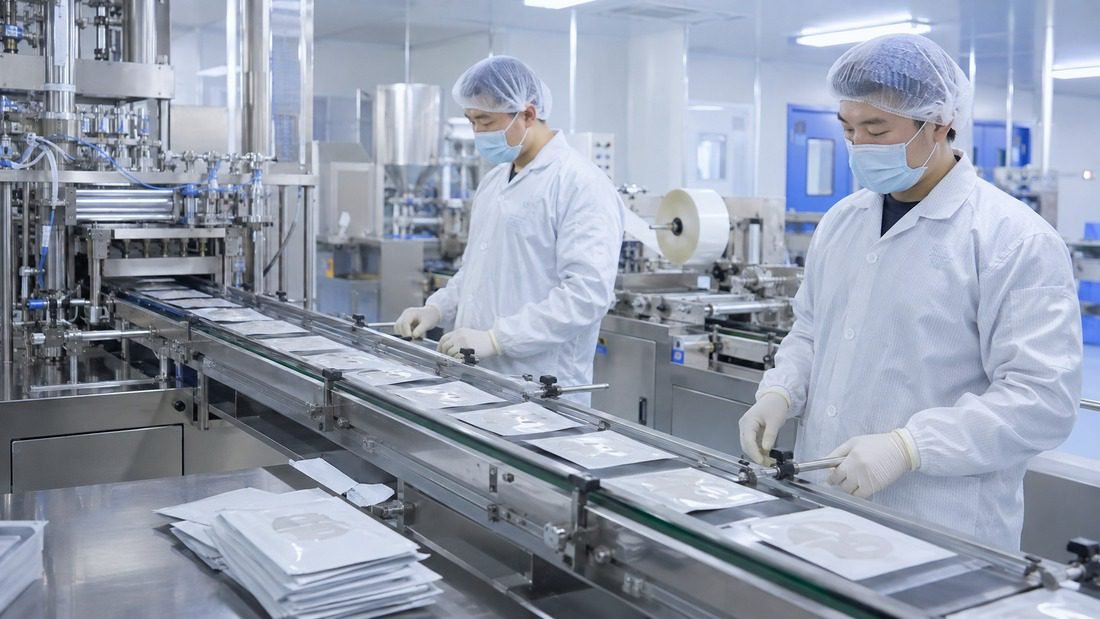
Practical Steps to Select the Right Manufacturer
Step 1: Define Your Product Requirements
Clearly outline product types (e.g., lotions, washes, diaper creams), target markets, and certifications needed (e.g., EU CPSR, US FDA MoCRA). This helps filter manufacturers with relevant expertise.
Step 2: Shortlist and Pre-Qualify
Search for baby care manufacturer china 2027 q3 using industry directories and trade shows. Pre-qualify by checking their website for certifications, product range, and client testimonials. Request a capability statement and sample portfolio.
Step 3: Conduct Audits and Sample Testing
Schedule a factory audit (on-site or virtual) to verify GMP compliance. Request samples for stability and safety testing. A reputable manufacturer will welcome transparency. For more on quality control, see our Quality Control page.
Step 4: Evaluate Communication and Support
Assess responsiveness, language proficiency, and willingness to accommodate custom formulas. A strong partner offers end-to-end support, from Custom Formula to Packaging Design.
Step 5: Negotiate Terms and Contracts
Clarify MOQs, lead times, payment terms, and quality guarantees. Ensure contracts include penalties for non-compliance and provisions for third-party inspections.
Case Insights: Lessons from Global Buyers
UK Brand Launches Organic Baby Line
A UK-based brand sourced a GMP-certified manufacturer in China for an organic baby lotion line. By conducting a thorough audit and insisting on ISO 22716 certification, they achieved compliance with EU regulations and saw a 30% sales increase in the first year.
UAE Distributor Expands Portfolio
A UAE distributor partnered with a Chinese manufacturer for private label baby wash. The manufacturer's GMP certification and familiarity with halal requirements enabled smooth market entry. The distributor now supplies 50+ retail outlets.
US E-commerce Seller Scales Up
An American e-commerce seller used a GMP-certified factory to produce diaper cream. Rigorous batch testing and documentation helped them pass Amazon's compliance checks, leading to repeat orders.
These cases highlight the importance of verifying certifications and building strong relationships. For more examples, visit our Case Studies.
Frequently Asked Questions (FAQ)
1. How can I verify a manufacturer's GMP certificate?
Request a copy of the certificate and check the issuing authority's website. For China, verify with the NMPA. Also, ask for audit reports from third parties like SGS or TÜV.
2. What is the typical MOQ for baby care products?
MOQs vary by product and packaging, but many GMP-certified manufacturers offer MOQs starting from 5,000 units. Discuss with suppliers to find flexibility.
3. Are Chinese manufacturers compliant with EU and US regulations?
Many top-tier manufacturers are compliant with EU CPSR and US FDA MoCRA. Ensure they provide relevant test reports and documentation.
4. How long does it take to develop a new baby care product?
From formula development to production, it typically takes 8-12 weeks, depending on complexity and testing requirements.
5. What are red flags when evaluating a manufacturer?
Lack of certifications, unwillingness to allow audits, poor communication, and vague answers about quality control are warning signs.
Author Trust Module

 Scan to WhatsApp
About the Author
David Zhang has spent years in skincare formulation and quality control at Flavor Sources, a GMP ISO 22716-certified private label manufacturer based in Dongguan, China, serving brands in 50+ countries since 2000. Reach out to David's team for a custom formula consultation →
Ready to Source with Confidence?
Finding the right baby care manufacturer china 2027 q3 doesn't have to be overwhelming. At Flavor Sources, we are a GMP-certified manufacturer specializing in baby care products. We offer full OEM/ODM services, from custom formulation to packaging and export support. To experience our quality firsthand, request a free sample or get a quote today. Let us help you bring safe, effective baby care products to market. Visit our Baby Care page to explore our capabilities.