Baby Care vs Baby Oil Cost MOQ: Ultimate 2026 Comparison for Smart Brands
Baby Care vs Baby Oil Cost MOQ: Which Delivers Better ROI in 2026?
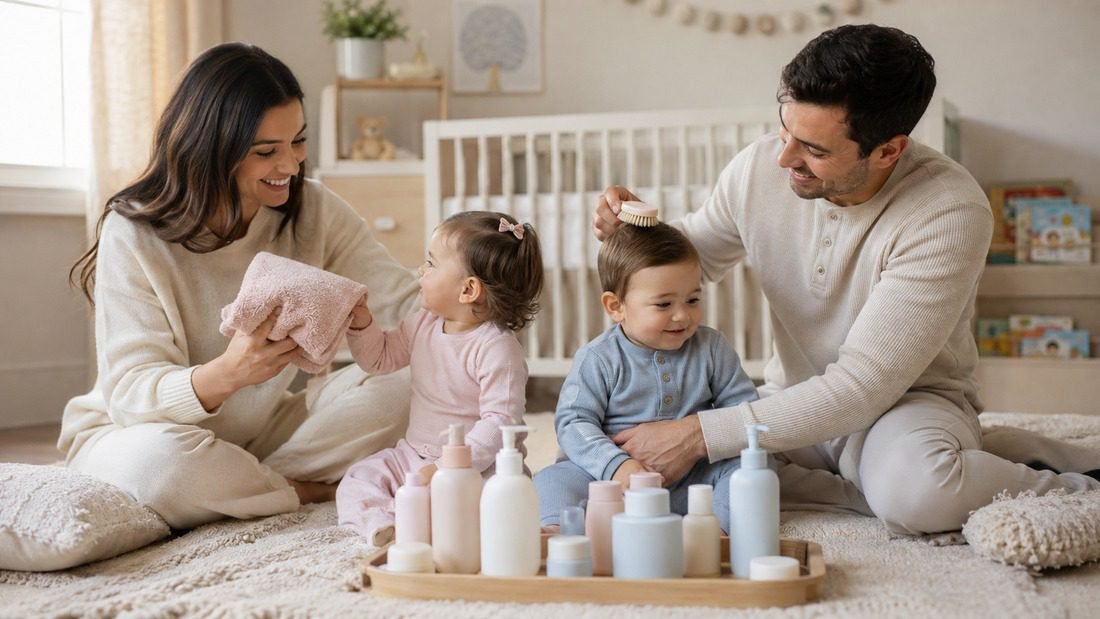
When comparing baby care vs baby oil cost moq, the answer depends on your target market and scale. Baby care ranges typically require higher MOQs but offer broader appeal, while baby oil has lower MOQs and simpler formulations. For most new brands, starting with baby oil reduces upfront costs, but baby care delivers stronger long-term brand equity. This guide breaks down the numbers for 2026.
Table of Contents
- Baby Care vs Baby Oil Cost MOQ: Which Delivers Better ROI in 2026?
- Why the Baby Care vs Baby Oil Cost MOQ Debate Matters
- Defining Baby Care and Baby Oil in Manufacturing Terms
- Practical Tips for Choosing Your First Product Line
- Case Evidence: How Brands Decide
- FAQ
- Ready to Launch Your Baby Care Line?
Why the Baby Care vs Baby Oil Cost MOQ Debate Matters
Brand owners often face a critical decision: invest in a full baby care line or start with a single hero product like baby oil? The choice impacts cash flow, inventory risk, and market positioning. MOQs (Minimum Order Quantities) and per-unit costs vary significantly between these categories. Understanding these differences is essential for startups and established brands alike. This section defines the problem and sets the stage for a data-driven comparison.
Defining Baby Care and Baby Oil in Manufacturing Terms
What Counts as Baby Care?
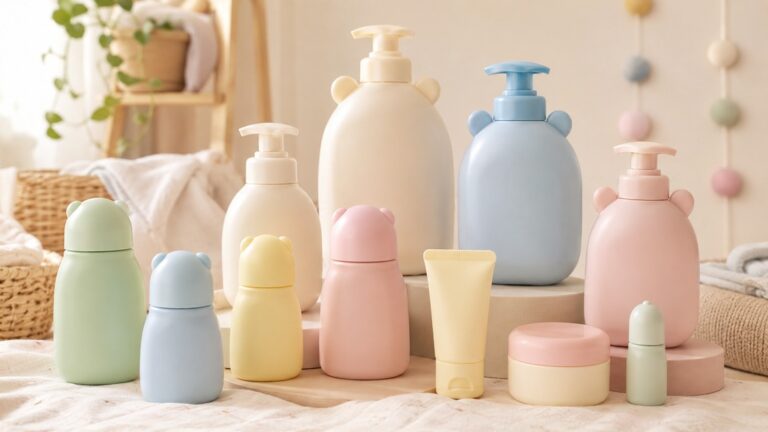
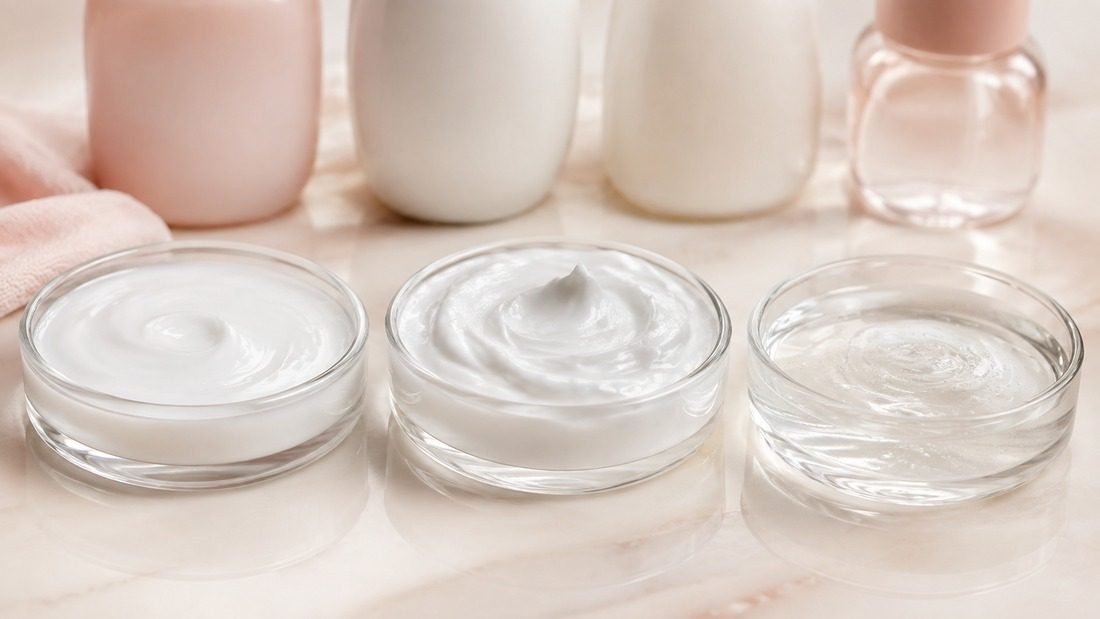
In OEM/ODM manufacturing, baby care encompasses a range of products formulated for infants and toddlers: lotions, creams, washes, shampoos, and balms. These products often require gentle surfactants, hypoallergenic fragrances, and stringent safety testing. Because of the variety, production lines must handle multiple fill sizes and packaging formats, which can raise MOQs.
What is Baby Oil?
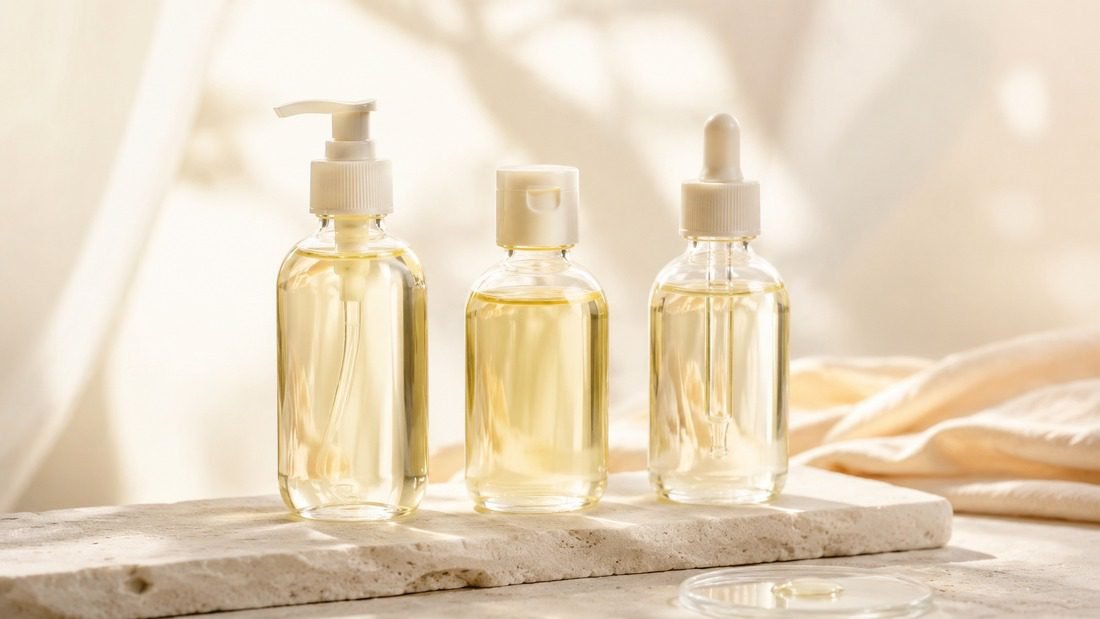
Baby oil is typically a mineral oil or plant-based oil blend, often with added vitamin E or fragrance. Its formulation is simpler, requiring fewer raw materials and less complex testing. This simplicity translates to lower MOQs and faster production cycles. However, the narrow product range may limit cross-selling opportunities.
Key Cost Drivers: A Comparison Table
| Factor | Baby Care | Baby Oil |
|---|---|---|
| Typical MOQ (units) | 5,000–10,000 | 3,000–5,000 |
| Formulation complexity | High (multiple actives) | Low (single-phase) |
| Packaging options | Bottles, tubes, pumps | Bottles only |
| Safety testing requirements | Extensive (hypoallergenic, tear-free) | Moderate |
| Production lead time | 30–45 days | 20–30 days |
| Per-unit cost (est.) | $0.80–$1.50 | $0.50–$0.90 |
Note: Estimates based on 2026 industry averages for private label manufacturing.
Practical Tips for Choosing Your First Product Line
Assess Your Budget and Risk Tolerance
If you have limited capital, baby oil offers a lower-risk entry point. With MOQs as low as 3,000 units, you can test the market without overcommitting. For brands with stronger financial backing, a baby care line can capture more shelf space and customer loyalty.
Consider Your Target Market
In regions like the UK and Australia, parents increasingly seek multi-step baby care routines. In price-sensitive markets like parts of the UAE, baby oil remains a staple. Align your product choice with local consumer behavior. For insights, refer to market trends.
Leverage OEM/ODM Expertise
Partnering with an experienced manufacturer can help you navigate MOQ and cost trade-offs. At Flavor Sources, we offer flexible MOQs for both categories. Explore our Baby Care range and Baby Oil options to find the right fit.
Case Evidence: How Brands Decide
UK Startup Launches Baby Oil First
A UK-based startup launched a private label baby oil with an MOQ of 3,500 units. The low upfront cost allowed them to reinvest in marketing, achieving a 40% repeat purchase rate within six months. They later expanded to baby lotion using the same manufacturer.
UAE Distributor Scales with Baby Care
A UAE distributor opted for a full baby care line with an MOQ of 8,000 units per SKU. Despite higher initial investment, the diverse range drove a 25% increase in average order value. The distributor leveraged private label skincare services to customize formulations for local preferences.
US Brand Uses Hybrid Approach
A US brand started with baby oil for quick cash flow, then reinvested profits into a baby care line. By year two, baby care accounted for 60% of revenue. This hybrid strategy balances risk and growth.
FAQ
1. What is the typical MOQ for baby care vs baby oil?
Baby oil MOQs usually range from 3,000 to 5,000 units, while baby care MOQs are higher, often 5,000 to 10,000 units per SKU due to formulation complexity.
2. Which product offers better profit margins?
Baby oil has lower per-unit costs but also lower retail prices. Baby care products typically command higher margins due to perceived value and multi-step routines. However, margins depend on branding and market positioning.
3. Can I order both baby care and baby oil from the same manufacturer?
Yes, many OEM/ODM manufacturers offer both categories. This allows you to consolidate shipping and quality control. Flavor Sources provides integrated solutions for both.
4. How long does production take for each?
Baby oil production typically takes 20–30 days, while baby care may take 30–45 days due to more extensive testing and filling processes.
5. Are there regulatory differences?
Baby care products often require additional safety assessments, such as tear-free testing and hypoallergenic certification. Baby oil may have simpler requirements, but both must comply with regional regulations like EU CPSR or FDA MoCRA.

 Scan to WhatsApp
About the Author
David Zhang has spent years in skincare formulation and quality control at Flavor Sources, a GMP ISO 22716-certified private label manufacturer based in Dongguan, China, serving brands in 50+ countries since 2000. Reach out to David's team for a custom formula consultation →
Ready to Launch Your Baby Care Line?
Choosing between baby care and baby oil doesn't have to be a gamble. With the right partner, you can minimize risk and maximize ROI. Flavor Sources offers flexible MOQs, competitive pricing, and end-to-end support. Whether you're leaning toward baby oil or a full baby care range, we can tailor a solution to your budget. Request a free sample or get a detailed quote today. Let's build a product your customers will love.