
Baby Care vs Baby Lotion: The Complete 2026 Quality Control Comparison for Reliable Product Lines
When comparing baby care vs baby lotion quality control, the core difference is scope: baby care covers a full product range (wash, lotion, oil, cream) with broader safety testing, while baby lotion focuses on a single leave-on formula with stricter preservative and stability checks. For a 2026 product line, your choice affects testing costs, compliance timelines, and supplier selection.
Table of Contents
- What Does Baby Care vs Baby Lotion Quality Control Really Mean?
- Core Quality Control Differences: Baby Care vs Baby Lotion
- Practical Recommendations for Sourcing in 2026
- Case Evidence: How Brands Handle This Choice
- FAQ: Baby Care vs Baby Lotion Quality Control
- Author Trust Module
- Next Step: Secure Your 2026 Baby Care Line

What Does Baby Care vs Baby Lotion Quality Control Really Mean?
Brand owners often ask us whether “baby care” and “baby lotion” require different quality control approaches. The answer is yes, and the gap is wider than most expect.
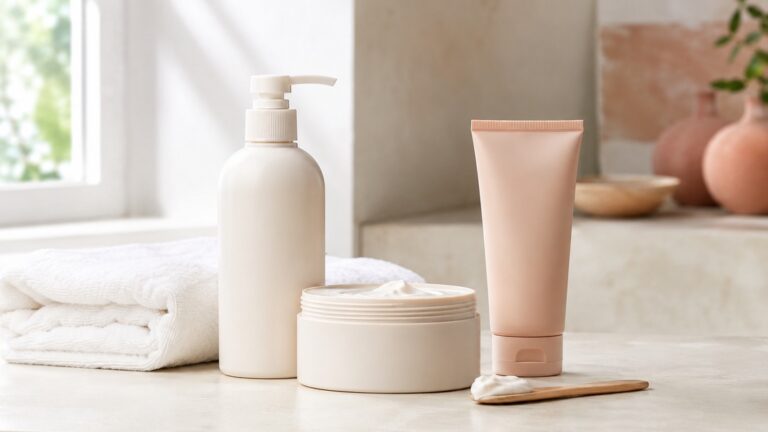
Baby care is an umbrella category. It includes rinse-off cleansers, leave-on lotions, massage oils, diaper creams, and sometimes wipes. Each sub-type triggers its own safety and stability tests.
Baby lotion, by contrast, is a single leave-on emulsion. It still demands rigorous testing, but the scope is narrower. That narrower scope can speed up your launch, yet it also means you cannot reuse the same quality file across an entire range.
Understanding this distinction helps you plan budgets, timelines, and supplier audits more accurately.
Why the Distinction Matters for 2026 Product Lines
Regulatory pressure on baby products keeps rising. The EU's Cosmetic Product Safety Report (CPSR) and the US FDA's MoCRA now demand clearer safety substantiation for products intended for infants.
If you plan a multi-SKU baby care line, you will need separate safety assessments per formula. If you launch only a baby lotion, your documentation burden is lighter but still strict.
In short, the format you choose shapes your entire quality control roadmap.
Core Quality Control Differences: Baby Care vs Baby Lotion
The table below summarizes the main quality control variables we see in OEM/ODM projects.
| Quality Control Variable | Baby Care (Multi-Product Range) | Baby Lotion (Single Leave-On) |
|---|---|---|
| Scope of testing | Multiple formulas, rinse-off and leave-on | One emulsion formula |
| Preservative challenge test | Required per formula | Required, often more stringent |
| Stability testing | 3–6 months per SKU | 3–6 months, focused on emulsion |
| Safety assessment | Separate CPSR per product | Single CPSR |
| Microbiological limits | Varies by rinse-off vs leave-on | Strict leave-on limits |
| Packaging compatibility | Multiple pack types | Often one pack type |
| Compliance documentation | Larger dossier | Streamlined dossier |
| Time to market | Longer, 12–20 weeks | Shorter, 8–14 weeks |
As the table shows, baby care quality control is broader, while baby lotion quality control is deeper in specific areas like preservative efficacy.
Key Terms Defined
Challenge test: A microbiological test that checks whether a preservative system can prevent microbial growth over time.
Stability testing: Evaluates how a formula behaves under heat, cold, and light over weeks or months.
CPSR: Cosmetic Product Safety Report, required for EU market access.
These terms appear in every serious baby care vs baby lotion quality control discussion.
Practical Recommendations for Sourcing in 2026
If you are building a baby care range, start with a clear product map. Decide which SKUs are rinse-off and which are leave-on. This determines your testing matrix.
For a baby lotion-only launch, prioritize preservative efficacy and emulsion stability. These two areas cause the most batch failures we see.
Work with a manufacturer that can run in-house microbiological testing. Outsourcing every test adds weeks to your timeline.
Request a Testing & Inspection protocol early. It should list every test, standard, and acceptance criterion.
Also review the factory's Quality Control system before signing. A documented system reduces surprises at bulk production.
Aligning Packaging and Formula
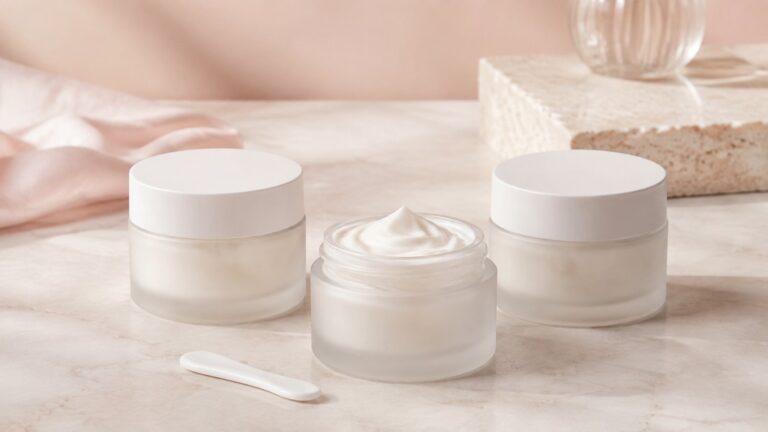
Packaging can affect preservative performance. Airless pumps reduce contamination risk for baby lotion. Wide-mouth jars for creams need stronger preservation.
If you plan multiple formats, use Packaging Design support to standardize components where possible.
This reduces SKU complexity and can lower your per-unit quality control cost.
Documentation You Should Expect
For every baby care or baby lotion SKU, ask for: Certificate of Analysis (CoA), Safety Data Sheet (SDS), stability report, challenge test report, and CPSR or equivalent.
Missing any of these can block customs clearance in the EU, UK, or Australia.
Case Evidence: How Brands Handle This Choice
A UK-based startup launched a three-SKU baby care line in 2025. They needed separate CPSRs and challenge tests for each formula. Total quality control timeline was 16 weeks.
A UAE distributor chose a single baby lotion to test the market. With one formula, they completed stability and challenge testing in 10 weeks and entered retail faster.
An Australian e-commerce seller combined both approaches: a core baby lotion plus a wash. They used shared packaging components to reduce cost, but kept testing separate.
These cases show that the baby care vs baby lotion quality control decision is strategic, not just technical.
FAQ: Baby Care vs Baby Lotion Quality Control
Q1: Is baby lotion quality control less strict than baby care?
No. Baby lotion is a leave-on product, so preservative and stability requirements can be stricter per formula. Baby care simply covers more formulas.
Q2: Can I use one safety assessment for a whole baby care range?
Generally no. Each formula needs its own safety assessment, especially when rinse-off and leave-on products are mixed.
Q3: How long does quality control take for a baby lotion?
Typically 8–14 weeks, including stability and challenge testing, depending on the manufacturer and market.
Q4: Do I need different tests for EU vs US markets?
Yes. The EU requires a CPSR, while the US FDA under MoCRA requires safety substantiation. Some tests overlap, but documentation differs.
Q5: What is the biggest quality control risk in baby care?
Microbiological contamination in leave-on products. A weak preservative system can fail challenge testing and delay launch.
Q6: Can I start with baby lotion and expand later?
Yes. Many brands launch a single lotion, then add wash and cream once the formula and supply chain are proven.
Author Trust Module

 Scan to WhatsApp
About the Author
David Zhang has spent years in skincare formulation and quality control at Flavor Sources, a GMP ISO 22716-certified private label manufacturer based in Dongguan, China, serving brands in 50+ countries since 2000. Reach out to David's team for a custom formula consultation →
Next Step: Secure Your 2026 Baby Care Line
Whether you choose a full baby care range or a focused baby lotion, quality control decides your launch success. Start by reviewing your target markets and testing requirements.
You can request a sample to evaluate our baby care formulations, or get a quote for your specific SKU plan. Our team supports Private Label Skincare and Custom Formula development with full quality documentation.
For brands targeting multiple regions, our Export Support team can help align your quality files with EU, UK, US, and Australian requirements. Explore our Baby Care range to see available formats.
Quality control is not a cost center. It is your brand's safety net. Choose the format that matches your market entry strategy, and build your testing plan from day one.